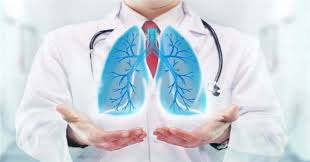
Dr. Nabila Zaheer
Pulmonologist & Respiratory Specialist
Lung cancer is one of those diagnoses that stops a room. But what most people do not realize is that the earliest signs of lung cancer are often mild, easy to dismiss, and surprisingly easy to miss — even by the patients themselves.
As a pulmonologist, I see this pattern more often than I would like. A patient comes in after months of a stubborn cough, or because a family member finally insisted they get checked. By the time we run scans, the cancer has already progressed further than it needed to.
The goal of this article is straightforward: I want you to know what to watch for. Not to frighten you — but because awareness, in this case, genuinely saves lives. When lung cancer is caught at an early stage, the five-year survival rate improves dramatically. That difference begins with recognizing warning signs before they become impossible to ignore.
| 80%of lung cancer cases are diagnosed at a late stage, when treatment is harder | 5×better survival odds when lung cancer is caught at stage I vs. stage IV | #1Lung cancer is the leading cause of cancer-related deaths worldwide |
Why Lung Cancer Is So Often Caught Late
The lungs have very few pain receptors. This means a small tumor can grow for months — sometimes longer — without causing any sensation that something is wrong. By the time symptoms appear, the cancer may have already spread to lymph nodes or other organs.
This is not a failure of the patient. It is a biological reality. What changes the outcome is knowing which secondary symptoms to pay attention to — the ones the cancer triggers in surrounding tissues, airways, and even your body's general immune response.
"In my clinic, I often hear patients say they thought their cough was from a cold, or their breathlessness was just age. Lung cancer is remarkably good at disguising itself as something ordinary."— Dr. Nabila Zaheer, Pulmonologist
9 Early Warning Signs of Lung Cancer
None of these symptoms alone confirms lung cancer — many have completely benign explanations. But if you notice one or more of these signs persisting for more than two to three weeks, please see a pulmonologist or your primary care physician and ask specifically about lung evaluation.
A cough that will not go awayA new cough that lingers beyond three weeks — or a chronic cough that suddenly changes in character, becomes more frequent, or sounds different — is one of the most common early signals. It is not always dramatic. Sometimes it is simply a dry, persistent tickle.
Coughing up blood or rust-colored mucus
Even a small amount of blood in your sputum, also called hemoptysis, should never be explained away. This symptom always warrants urgent evaluation — regardless of how little blood is present or how healthy you feel otherwise.
Shortness of breath during routine activities
If climbing a flight of stairs or walking to the kitchen leaves you more breathless than it used to, and you cannot attribute it to a new illness or weight change, this needs to be investigated. Tumors can narrow airways or cause fluid around the lungs.
Wheezing without a history of asthma
A whistling sound when breathing — especially if it comes on without a prior diagnosis of asthma or COPD — can indicate a partial airway blockage caused by a tumor pressing on or inside a bronchus.
Chest pain that worsens with deep breathing or coughing
This type of pain, sometimes called pleuritic chest pain, can occur when a tumor irritates the lining of the lungs (pleura). It may feel like a sharp ache on one side of the chest that gets worse when you take a deep breath, cough, or laugh.
Hoarseness or a persistent change in voice
When a lung tumor presses on the recurrent laryngeal nerve — which runs close to certain parts of the lung — it can cause hoarseness or a noticeably different voice quality that has no throat-related explanation.
Unexplained weight loss and loss of appetite
Losing weight without trying, combined with reduced appetite, is a classic systemic sign that the body is fighting something it should not be. Cancer cells consume significant energy and release substances that suppress hunger. This symptom often appears before a formal diagnosis.
Persistent fatigue that does not improve with rest
Not ordinary tiredness after a long week — but a bone-deep exhaustion that sleep does not fix. This type of fatigue, especially combined with any of the above, deserves a thorough medical review.
Bone pain or new back and shoulder aches
Lung cancer that has spread to bone — most commonly the spine, ribs, or hips — can cause deep, aching pain that is often worse at night. Pain in the upper back or shoulder that has no clear musculoskeletal cause should prompt evaluation.
Who Is at Greatest Risk?
Lung cancer does not discriminate — but certain factors significantly raise a person's risk. Understanding your risk profile helps you decide when to be more proactive about screening, even before symptoms appear.
Key Risk Factors for Lung Cancer
- Smoking history — Current or former smokers are at the highest risk. The longer you smoked and the more you smoked, the greater the risk. But it is important to note: quitting at any age lowers your risk over time.
- Secondhand smoke exposure — Long-term exposure to cigarette smoke in the home or workplace raises risk meaningfully, even in non-smokers.
- Radon gas exposure — Radon is a naturally occurring radioactive gas that seeps into homes through the ground. It is the second leading cause of lung cancer and is completely odorless and invisible.
- Occupational exposures — People who have worked around asbestos, arsenic, chromium, nickel, or diesel exhaust over many years face elevated risk.
- Family history — Having a first-degree relative diagnosed with lung cancer raises your risk, even if you have never smoked.
- Age over 50 — Most lung cancers are diagnosed in people between 65 and 75. However, lung cancer in younger adults — including non-smokers — is increasing and should not be overlooked.
- Previous lung disease — A history of COPD, pulmonary fibrosis, or previous lung infections may increase susceptibility.
The Difference Between Early and Late Detection
When lung cancer is detected at Stage I — meaning it is small and confined to the lung — surgery can often remove it entirely. Five-year survival rates at this stage are significantly higher than at later stages.
By the time a patient reaches Stage IV, the cancer has typically spread to other organs. Treatment options narrow, and the focus often shifts from cure to extending quality of life. This is not a hopeless situation, and treatments have improved substantially — but the gap between Stage I and Stage IV outcomes makes early detection one of the most powerful tools we have.
Low-dose CT screening is now recommended for high-risk individuals — specifically those aged 50 to 80 with a significant smoking history — even when they feel completely well. This is a quick, non-invasive scan that can catch nodules long before symptoms develop. If you are in this group and have not had a screening, please ask your doctor about it at your next visit.
When Should You See a Pulmonologist?
Your family doctor is often the right first stop. But if you are being referred for further evaluation — or if you want a specialist's assessment — a pulmonologist is the physician best equipped to evaluate your lungs in depth.
You should strongly consider booking an appointment with a pulmonologist if:
✅ You have had any of the symptoms listed above for more than two to three weeks with no clear explanation
✅ You are a current or former smoker over the age of 50 and have not had a lung screening
✅ A chest X-ray or CT scan has shown a nodule or shadow that needs specialist review
✅ You have a strong family history of lung cancer, especially in a non-smoking relative
✅ You have worked in a high-risk occupation and are experiencing respiratory symptoms
What Happens at a Pulmonology Appointment?
Many patients are understandably anxious about what a pulmonology visit involves. The good news is that an initial consultation is largely a conversation combined with targeted tests.
Your pulmonologist will take a detailed medical and smoking history, ask about your symptoms, and listen carefully to your lungs. Depending on what you describe, they may order one or more of the following: a chest X-ray, a low-dose CT scan, pulmonary function tests to measure how well your lungs work, or — if a nodule is found — a bronchoscopy or biopsy to examine tissue directly.
None of these investigations are painful, and most are completed as outpatient procedures. The goal is always to rule things out efficiently, and to give you answers rather than uncertainty.
Do Not Wait on Symptoms
If something about your breathing has changed — or if you are overdue for a lung health check — the right time to act is now. Book a consultation with Dr. Nabila Zaheer and get a clear picture of your lung health.
Frequently Asked Questions
- Can you have lung cancer with no symptoms?
Yes. Early-stage lung cancer frequently causes no symptoms at all. This is why screening with low-dose CT is recommended for high-risk individuals, even when they feel completely healthy. Waiting for symptoms to appear before getting checked can allow the cancer to advance unnecessarily.
- Is a persistent cough always a sign of lung cancer?
No — the vast majority of persistent coughs are caused by infections, allergies, acid reflux, or post-nasal drip. However, any cough that lasts more than three weeks, produces blood, or is accompanied by other symptoms on this list should be evaluated by a doctor rather than managed at home indefinitely.
- Can non-smokers get lung cancer?
Absolutely. Around 10–15% of lung cancer diagnoses occur in people who have never smoked. Non-smoker lung cancers are often linked to radon exposure, secondhand smoke, air pollution, or genetic factors. Non-smokers tend to develop a type called adenocarcinoma, which often presents with different symptoms than smoking-related cancers.
- At what age should I start getting screened for lung cancer?
Current guidelines recommend annual low-dose CT screening for adults aged 50 to 80 with a 20 pack-year or greater smoking history who currently smoke or have quit within the past 15 years. If you have other risk factors — such as a family history or significant occupational exposures — speak to your pulmonologist about whether earlier screening is appropriate.
- How quickly does lung cancer progress?
This depends on the type. Small cell lung cancer tends to grow and spread rapidly — sometimes within weeks. Non-small cell lung cancer, which is far more common, generally progresses more slowly. Annual screening is effective precisely because catching a slow-growing tumor early, before symptoms appear, changes treatment options entirely.
A Final Word from the Doctor
I am aware that reading about cancer symptoms can feel alarming. That is not my intention here. The truth is that most people who come to me with a persistent cough or breathing concerns do not have lung cancer — they have something eminently treatable, and we sort it out together.
But for the patients who do have early-stage lung cancer — the ones who came in before symptoms forced them to — the difference in outcome is profound. Those are the conversations I am grateful to have, because we still have good options ahead of us.
If anything in this article resonated with you — if you recognized a symptom, or realized you are overdue for a check — please do not let busyness or anxiety be the reason you delay. Book an appointment. Ask the question. Your lungs deserve the same attention you give any other part of your health.