Overview
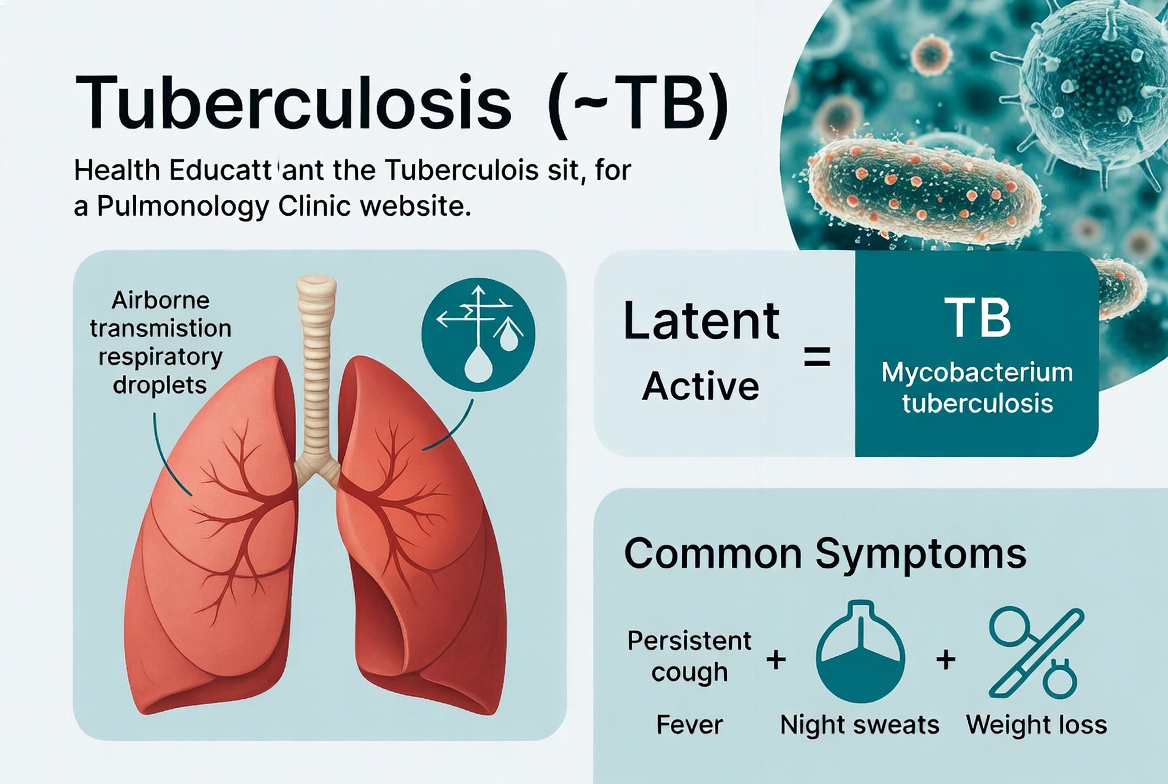
Tuberculosis (TB) is a contagious infectious disease caused by the bacterium Mycobacterium tuberculosis. It most commonly affects the lungs (pulmonary tuberculosis) but can also involve other parts of the body, including the lymph nodes, bones, kidneys, brain, and spine. TB spreads through the air when a person with active pulmonary tuberculosis coughs, sneezes, speaks, or sings.
Although tuberculosis remains a major global health concern, it is both preventable and curable. Early diagnosis, appropriate treatment, and completing the full course of medication are essential to prevent complications, reduce transmission, and avoid the development of drug-resistant TB.
Not everyone infected with TB bacteria becomes sick. Some people develop latent tuberculosis infection (LTBI), where the bacteria remain inactive in the body without causing symptoms or spreading to others. Others develop active tuberculosis disease, which causes symptoms and can be transmitted to other people if the lungs are involved.
Types of Tuberculosis
| Type | Description |
|---|---|
| Latent Tuberculosis Infection (LTBI) | TB bacteria are present in the body but inactive. Individuals have no symptoms and cannot spread the infection, but treatment may be recommended to prevent progression to active disease. |
| Active Pulmonary Tuberculosis | The infection affects the lungs and causes symptoms such as persistent cough, fever, night sweats, weight loss, and coughing up blood. This form can spread to others through the air. |
| Extrapulmonary Tuberculosis | TB affects organs outside the lungs, such as the lymph nodes, bones, kidneys, abdomen, or brain. Symptoms vary depending on the affected organ. |
| Drug-Resistant Tuberculosis | Some TB bacteria become resistant to one or more anti-tuberculosis medications, making treatment more complex and often requiring longer treatment courses. |
Common Symptoms
The symptoms of active pulmonary tuberculosis often develop gradually over several weeks. Common symptoms include:
- A cough lasting more than three weeks.
- Coughing up blood or blood-stained mucus.
- Chest pain.
- Fever.
- Night sweats.
- Unexplained weight loss.
- Loss of appetite.
- Persistent fatigue or weakness.
Tuberculosis Can Be Serious
Without treatment, tuberculosis can cause permanent lung damage, spread to other organs, and become life-threatening. However, with early diagnosis and proper treatment, most people recover completely.
Did You Know?
A person with latent tuberculosis infection does not feel sick and cannot spread TB to others. Only people with active pulmonary tuberculosis generally transmit the infection through the air.
If you have a persistent cough, unexplained weight loss, night sweats, or prolonged fever, especially after close contact with someone diagnosed with tuberculosis, seek medical evaluation promptly. Early treatment protects both your health and the health of those around you.
Symptoms
The symptoms of tuberculosis (TB) depend on which part of the body is affected. Pulmonary tuberculosis, which affects the lungs, is the most common form. Symptoms often develop gradually over several weeks or months and may initially be mistaken for another respiratory illness.
People with latent tuberculosis infection (LTBI) do not have symptoms and cannot spread the infection. Symptoms occur only when tuberculosis becomes active.
Common Symptoms of Active Pulmonary Tuberculosis
| Symptom | Description |
|---|---|
| Persistent Cough | A cough lasting longer than three weeks is one of the most common signs of pulmonary tuberculosis. |
| Coughing Up Blood | Some people may cough up blood or blood-stained mucus (hemoptysis), particularly in more advanced disease. |
| Chest Pain | Chest discomfort or pain may occur during coughing or deep breathing. |
| Fever | A low-grade fever that persists for days or weeks is common. |
| Night Sweats | Profuse sweating during sleep that may soak clothing or bedding. |
| Unexplained Weight Loss | Gradual weight loss despite no intentional changes in diet or activity. |
| Loss of Appetite | Reduced appetite often contributes to weight loss. |
| Fatigue and Weakness | Persistent tiredness and reduced energy levels are common. |
Symptoms of Extrapulmonary Tuberculosis
Tuberculosis can also affect organs outside the lungs. Symptoms vary depending on the area involved and may include:
- Swollen lymph nodes, especially in the neck.
- Persistent back pain or bone pain.
- Joint swelling or pain.
- Abdominal pain or swelling.
- Blood in the urine if the kidneys are affected.
- Severe headaches, confusion, or seizures if the brain or its surrounding tissues are involved.
Symptoms Often Develop Slowly
Unlike many respiratory infections, tuberculosis usually develops gradually. A cough, fever, weight loss, or night sweats that persist for several weeks should not be ignored and require medical evaluation.
Latent vs Active Tuberculosis
- Latent TB: No symptoms and not contagious.
- Active TB: Causes symptoms and, when it affects the lungs, can spread to other people through the air.
Seek Medical Attention Promptly If You Experience:
- A cough lasting more than three weeks.
- Coughing up blood.
- Persistent fever or night sweats.
- Unexplained weight loss.
- Chest pain or increasing difficulty breathing.
- Close contact with someone diagnosed with active tuberculosis and the development of symptoms.
Many of these symptoms can also occur with other lung conditions, so proper medical evaluation is important. Early diagnosis and treatment of tuberculosis improve recovery and help prevent transmission to others.
Causes
Tuberculosis (TB) is caused by a bacterium called Mycobacterium tuberculosis. The infection most commonly affects the lungs but can also spread to other parts of the body, including the lymph nodes, bones, kidneys, brain, and spine.
Tuberculosis spreads through the air when a person with active pulmonary tuberculosis coughs, sneezes, laughs, speaks, or sings. Tiny droplets containing the bacteria can remain suspended in the air, where they may be inhaled by people nearby.
Most people who become infected do not develop active disease immediately. Instead, the bacteria may remain inactive in the body, causing latent tuberculosis infection (LTBI). Active tuberculosis develops when the immune system is unable to keep the bacteria under control.
How Tuberculosis Spreads
| Mode of Transmission | Explanation |
|---|---|
| Airborne Transmission | TB bacteria spread through tiny airborne droplets released when a person with active pulmonary tuberculosis coughs, sneezes, speaks, or sings. |
| Close and Prolonged Contact | The risk of infection is higher when spending extended periods with someone who has untreated active tuberculosis, particularly in enclosed or poorly ventilated spaces. |
| Latent Infection | People with latent tuberculosis carry the bacteria but do not have symptoms and cannot spread the infection to others. |
How Tuberculosis Does NOT Spread
Tuberculosis is not spread through casual contact. You cannot get TB by:
- Shaking hands.
- Hugging someone.
- Sharing food or drinks.
- Using the same toilet.
- Sharing clothing or bedding.
- Touching surfaces or door handles.
- Mosquito or insect bites.
Latent vs Active Tuberculosis
- Latent TB: The bacteria remain inactive in the body. There are no symptoms, and the infection cannot spread to others.
- Active TB: The bacteria multiply and cause illness. When the lungs are affected, the infection can spread through the air.
Who Is Most Likely to Become Infected?
The risk of infection increases after close, prolonged exposure to someone with untreated active pulmonary tuberculosis. Crowded living conditions and poorly ventilated indoor environments also increase the chance of transmission.
Although tuberculosis is contagious, it is preventable and treatable. Prompt diagnosis, appropriate treatment, and completing the full course of prescribed medication help stop the spread of the infection and reduce the risk of complications.
Risk Factors
Anyone can become infected with tuberculosis (TB), but certain factors increase the likelihood of becoming infected or developing active tuberculosis disease. The risk is highest among people who have prolonged exposure to someone with untreated active pulmonary tuberculosis or whose immune system is weakened.
Having one or more risk factors does not mean you will develop tuberculosis, but it may increase your chances of infection or progression from latent TB infection to active disease.
Common Risk Factors for Tuberculosis
| Risk Factor | Why It Increases Risk |
|---|---|
| Close Contact with Someone Who Has Active TB | Living with or spending long periods around a person with untreated pulmonary tuberculosis significantly increases the risk of infection. |
| Weakened Immune System | Conditions or medications that weaken the immune system reduce the body's ability to control TB bacteria. |
| HIV Infection | People living with HIV have a much higher risk of developing active tuberculosis because of reduced immune defenses. |
| Diabetes | Diabetes can impair the immune response, making tuberculosis more likely to become active. |
| Smoking | Smoking damages the lungs and reduces their ability to fight infections, including tuberculosis. |
| Malnutrition | Poor nutrition weakens the immune system and increases susceptibility to infection. |
| Chronic Kidney Disease | Kidney disease and dialysis treatment can reduce the body's immune response. |
| Certain Medications | Long-term corticosteroids, chemotherapy, and other immunosuppressive medications increase the risk of active TB. |
| Crowded or Poorly Ventilated Environments | Living or working in crowded settings allows airborne TB bacteria to spread more easily. |
| Healthcare or Laboratory Work | Healthcare professionals caring for patients with tuberculosis may have increased exposure if appropriate infection-control measures are not followed. |
People at Higher Risk
The following groups are more likely to develop active tuberculosis:
- People living with HIV or other conditions that weaken the immune system.
- Adults aged 65 years and older.
- Infants and young children.
- People with diabetes or chronic kidney disease.
- Smokers.
- Individuals with poor nutrition or significant weight loss.
- Healthcare workers and caregivers with frequent exposure to TB patients.
- People living in crowded housing, shelters, prisons, or other poorly ventilated environments.
- Individuals who have recently been in close contact with someone diagnosed with active pulmonary tuberculosis.
Latent TB Can Become Active
Many people with latent tuberculosis infection never become ill. However, if the immune system becomes weakened, dormant TB bacteria can become active and cause disease. This is why treatment for latent TB may be recommended in certain individuals.
Reducing Your Risk
- Avoid prolonged exposure to individuals with untreated active tuberculosis.
- Ensure good ventilation in indoor spaces.
- Do not smoke.
- Maintain a healthy diet and lifestyle to support your immune system.
- Seek medical evaluation if you have been in close contact with someone diagnosed with active TB.
- Complete treatment if diagnosed with latent or active tuberculosis.
Understanding your personal risk factors can help with early detection and treatment. If you believe you have been exposed to tuberculosis or belong to a high-risk group, speak with your healthcare provider about appropriate testing and preventive measures.
Diagnosis
Diagnosing tuberculosis (TB) involves evaluating your symptoms, medical history, risk factors, physical examination, and specialized laboratory tests. Because tuberculosis can resemble other lung diseases, several tests are often needed to confirm the diagnosis and determine whether the infection is active or latent.
Early diagnosis is important because prompt treatment improves recovery, prevents complications, and reduces the spread of tuberculosis to others.
Common Tests Used to Diagnose Tuberculosis
| Test | Purpose |
|---|---|
| Medical History and Physical Examination | Your healthcare provider will ask about symptoms, recent exposure to tuberculosis, travel history, previous TB infection, and medical conditions that increase your risk. |
| Chest X-ray | A chest X-ray can identify abnormalities in the lungs that may suggest active pulmonary tuberculosis. |
| Sputum Examination | Mucus coughed up from the lungs is examined under a microscope and tested for Mycobacterium tuberculosis. |
| TB Culture | A laboratory culture confirms the diagnosis and helps determine which antibiotics are most effective. Although highly accurate, results may take several weeks. |
| Molecular Tests (NAAT/PCR) | Rapid molecular tests detect TB bacteria and may identify drug resistance within hours to days. |
| Tuberculin Skin Test (TST) | This test helps detect latent tuberculosis infection but cannot distinguish between latent and active TB. |
| TB Blood Test (IGRA) | Interferon-gamma release assays (IGRAs) help identify TB infection and are commonly used for screening, especially in people who have received the BCG vaccine. |
| CT Scan | In selected cases, a CT scan provides more detailed images of the lungs or other affected organs. |
| Biopsy | If tuberculosis affects organs outside the lungs, a tissue sample may be needed to confirm the diagnosis. |
Diagnosing Latent vs Active Tuberculosis
Your healthcare provider will determine whether you have latent tuberculosis infection or active tuberculosis disease:
- Latent TB: The bacteria are present in the body but inactive. You have no symptoms and are not contagious.
- Active TB: The bacteria are multiplying and causing illness. If the lungs are affected, you may spread the infection to others.
Drug Resistance Testing
If tuberculosis is confirmed, additional laboratory tests may be performed to determine whether the bacteria are resistant to commonly used anti-tuberculosis medications. This information helps your healthcare provider choose the most effective treatment plan.
Why Early Diagnosis Matters
- Allows treatment to begin as soon as possible.
- Helps prevent permanent lung damage.
- Reduces the risk of spreading TB to family members and others.
- Improves the chances of a full recovery.
- Helps identify drug-resistant tuberculosis early.
What Happens After Diagnosis?
If tuberculosis is diagnosed, your healthcare provider will recommend an individualized treatment plan based on whether the infection is latent or active, the results of drug-resistance testing, and your overall health. Completing the entire course of treatment is essential for curing the infection and preventing drug resistance.
If you have symptoms of tuberculosis or have been in close contact with someone diagnosed with active TB, seek medical evaluation promptly. Early diagnosis and treatment are key to protecting both your health and the health of those around you.
Treatment
Tuberculosis (TB) is a curable disease when diagnosed early and treated with the appropriate medications. Treatment depends on whether you have latent tuberculosis infection (LTBI) or active tuberculosis disease, your overall health, and whether the TB bacteria are resistant to any medications.
Most people with active tuberculosis require a combination of antibiotics taken for several months. Completing the full course of treatment is essential, even if symptoms improve after a few weeks.
Treatment Options for Tuberculosis
| Treatment | Purpose |
|---|---|
| Antibiotic Combination Therapy | Active tuberculosis is treated with a combination of anti-tuberculosis medications to eliminate the bacteria and prevent drug resistance. |
| Treatment for Latent TB | People with latent tuberculosis infection may receive preventive treatment to reduce the risk of developing active disease in the future. |
| Drug-Resistant TB Treatment | Drug-resistant tuberculosis requires specialized medications and often a longer treatment course under the supervision of a TB specialist. |
| Directly Observed Therapy (DOT) | In some cases, a healthcare worker supervises medication intake to improve adherence and ensure successful treatment. |
| Supportive Care | Rest, good nutrition, adequate hydration, and management of other medical conditions support recovery. |
Why Completing Treatment Is So Important
Many people begin to feel better within a few weeks of starting treatment. However, tuberculosis bacteria may still be present in the body. Stopping medications too early can allow the infection to return and increase the risk of drug-resistant tuberculosis.
- Take every dose exactly as prescribed.
- Do not skip doses.
- Do not stop treatment without medical advice.
- Attend all follow-up appointments.
- Report medication side effects to your healthcare provider promptly.
Managing Active Tuberculosis
If you have active pulmonary tuberculosis, your healthcare provider may recommend additional precautions until you are no longer contagious.
- Stay home if advised by your healthcare provider.
- Avoid close contact with others until it is safe.
- Cover your mouth and nose when coughing or sneezing.
- Ensure good ventilation in your home.
- Wear a mask if recommended by your healthcare provider.
Never Stop TB Medication Early
Even if you feel completely well, stopping tuberculosis medication before the prescribed course is finished can allow the bacteria to survive. This increases the risk of relapse and the development of drug-resistant tuberculosis, which is much more difficult to treat.
Most People Recover Completely
With early diagnosis, appropriate treatment, and good medication adherence, most people with tuberculosis recover fully. Regular follow-up appointments help ensure the infection is responding to treatment and allow your healthcare provider to monitor for any side effects.
Treatment May Last Several Months
Tuberculosis treatment usually continues for several months because the bacteria grow slowly. Although this requires patience and commitment, completing the full treatment plan offers the best chance of a complete cure and helps protect your family and community from infection.
If you have been diagnosed with tuberculosis, follow your treatment plan carefully and keep all scheduled medical appointments. Taking your medications exactly as prescribed is the most effective way to cure the infection and prevent complications.
Need Expert Medical Guidance?
Schedule a direct consultation with Dr. Nabila Zaheer for a personalized care plan.
Prevention
Tuberculosis (TB) can often be prevented through early diagnosis, prompt treatment of active cases, and reducing exposure to infected individuals. Public health measures, good respiratory hygiene, and maintaining a healthy immune system all play important roles in preventing the spread of tuberculosis.
People with latent tuberculosis infection (LTBI) may also benefit from preventive treatment, which can significantly reduce the risk of developing active tuberculosis disease.
Ways to Help Prevent Tuberculosis
| Prevention Strategy | How It Helps |
|---|---|
| Early Diagnosis and Treatment | Prompt diagnosis and appropriate treatment reduce the spread of tuberculosis and improve recovery. |
| Complete the Full Course of Treatment | Finishing all prescribed TB medications helps cure the infection and prevents drug-resistant tuberculosis. |
| Avoid Close Contact with Untreated TB Patients | Reducing prolonged exposure to individuals with active pulmonary tuberculosis lowers the risk of infection. |
| Practice Good Respiratory Hygiene | Cover your mouth and nose when coughing or sneezing, wear a mask when advised, and dispose of tissues properly. |
| Ensure Good Ventilation | Opening windows and improving airflow in indoor spaces helps reduce the concentration of airborne TB bacteria. |
| Maintain a Healthy Immune System | Eating a balanced diet, getting adequate sleep, exercising regularly, and managing chronic illnesses help your body fight infections. |
| Avoid Smoking | Smoking damages the lungs and increases the risk of developing active tuberculosis. |
| Seek Medical Evaluation After Exposure | If you have been in close contact with someone diagnosed with active TB, testing and preventive treatment may be recommended. |
BCG Vaccination
The Bacillus Calmette-Guérin (BCG) vaccine is used in many countries with a higher burden of tuberculosis. It helps protect young children against severe forms of TB, such as TB meningitis and miliary tuberculosis.
Although the BCG vaccine does not completely prevent pulmonary tuberculosis in adults, it remains an important part of childhood immunization programs in many regions.
Preventing the Spread of Active Tuberculosis
If you have active pulmonary tuberculosis, you can help protect others by following your healthcare provider's recommendations:
- Take all medications exactly as prescribed.
- Stay home if advised until you are no longer contagious.
- Wear a face mask when recommended.
- Cover your mouth and nose when coughing or sneezing.
- Wash your hands regularly.
- Keep rooms well ventilated by opening windows whenever possible.
- Attend all follow-up appointments.
Healthy Habits Help Protect Your Lungs
- Do not smoke or vape.
- Eat a nutritious, balanced diet.
- Maintain a healthy body weight.
- Exercise regularly as advised by your healthcare provider.
- Get enough sleep each night.
- Manage chronic conditions such as diabetes and HIV with appropriate medical care.
Complete Your Treatment
The most effective way to prevent the spread of tuberculosis and the development of drug-resistant TB is to complete your entire course of prescribed medication. Never stop treatment early, even if you begin to feel better.
If You Have Been Exposed to Tuberculosis
If you have spent prolonged time with someone diagnosed with active tuberculosis, contact your healthcare provider. Testing for tuberculosis and, if appropriate, treatment for latent TB infection can help prevent future illness.
Tuberculosis is both preventable and curable. Early diagnosis, proper treatment, and following public health recommendations are the most effective ways to protect yourself, your family, and your community.
Complications
Without timely diagnosis and appropriate treatment, tuberculosis (TB) can lead to serious health problems. The infection may cause permanent damage to the lungs or spread to other parts of the body, resulting in life-threatening complications. Fortunately, most complications can be prevented with early medical care and by completing the full course of prescribed treatment.
People with weakened immune systems, older adults, and those with drug-resistant tuberculosis are generally at greater risk of developing complications.
Possible Complications of Tuberculosis
| Complication | Description |
|---|---|
| Permanent Lung Damage | Untreated pulmonary tuberculosis can cause scarring, destruction of lung tissue, and long-term breathing problems. |
| Coughing Up Blood (Hemoptysis) | Damage to the airways or blood vessels in the lungs may lead to coughing up blood, which can occasionally be severe. |
| Pleural Effusion | Fluid may collect around the lungs, causing chest pain and increasing difficulty breathing. |
| Spread to Other Organs (Extrapulmonary TB) | The infection can spread through the bloodstream or lymphatic system to the brain, bones, kidneys, spine, lymph nodes, or other organs. |
| Tuberculous Meningitis | TB affecting the membranes surrounding the brain can cause severe headaches, confusion, seizures, and may be life-threatening. |
| Spinal Tuberculosis (Pott's Disease) | Tuberculosis involving the spine may lead to chronic back pain, spinal deformity, and nerve damage if left untreated. |
| Drug-Resistant Tuberculosis | Incomplete or incorrect treatment can allow TB bacteria to become resistant to standard medications, making treatment more difficult and prolonged. |
| Respiratory Failure | Extensive lung damage from severe tuberculosis can reduce the lungs' ability to provide enough oxygen to the body. |
Who Is More Likely to Develop Complications?
The risk of serious complications is higher in:
- People with HIV or other conditions that weaken the immune system.
- Older adults.
- Infants and young children.
- People with diabetes or chronic kidney disease.
- Individuals with drug-resistant tuberculosis.
- People who delay seeking medical care.
- Those who stop TB medications before completing treatment.
Seek Immediate Medical Care If You Experience:
- Severe difficulty breathing.
- Coughing up large amounts of blood.
- Persistent chest pain.
- Confusion, seizures, or loss of consciousness.
- Severe weakness or inability to perform daily activities.
- Symptoms that continue to worsen despite treatment.
Drug-Resistant Tuberculosis Is Preventable
One of the most serious complications of tuberculosis is the development of drug-resistant TB. This usually occurs when medications are skipped, stopped too early, or taken incorrectly. Always complete your prescribed treatment exactly as directed by your healthcare provider.
Most Complications Can Be Prevented
With early diagnosis, appropriate treatment, and regular follow-up, most people recover completely from tuberculosis without developing serious complications. Prompt medical care also helps prevent the infection from spreading to others.
If you have tuberculosis or have recently completed treatment, attend all follow-up appointments and report any new or worsening symptoms to your healthcare provider. Ongoing monitoring helps ensure a full recovery and reduces the risk of long-term health problems.
When to See a Doctor
Tuberculosis (TB) can often be treated successfully when diagnosed early. If you develop symptoms that suggest tuberculosis or have been in close contact with someone diagnosed with active TB, it is important to seek medical evaluation promptly. Early diagnosis and treatment help prevent complications and reduce the spread of the infection to others.
Do not ignore a persistent cough, unexplained weight loss, night sweats, or fever, especially if these symptoms continue for several weeks.
Schedule a Medical Appointment If You:
- Have a cough lasting longer than three weeks.
- Develop persistent fever or recurrent low-grade fever.
- Experience unexplained weight loss.
- Wake up with frequent night sweats.
- Notice increasing fatigue or weakness without an obvious cause.
- Have chest pain or discomfort when breathing or coughing.
- Cough up blood or blood-stained mucus.
- Have been in close contact with someone diagnosed with active tuberculosis.
- Have a weakened immune system and develop persistent respiratory symptoms.
Seek Medical Evaluation Promptly If You Are at Higher Risk
Certain individuals are more likely to develop active tuberculosis or serious complications and should seek medical attention early if symptoms develop.
- People living with HIV.
- Adults aged 65 years and older.
- Infants and young children.
- People with diabetes or chronic kidney disease.
- Individuals taking medications that suppress the immune system.
- Healthcare workers with possible TB exposure.
- People who have recently lived with or cared for someone with active pulmonary tuberculosis.
Seek Emergency Medical Care Immediately If You:
- Have severe difficulty breathing.
- Cough up large amounts of blood.
- Experience severe chest pain.
- Develop confusion, seizures, or loss of consciousness.
- Become extremely weak or unable to stay awake.
- Have rapidly worsening symptoms despite treatment.
If You Have Been Diagnosed with Tuberculosis
Contact your healthcare provider if you miss doses of your medication, experience significant side effects, or notice that your symptoms are not improving after starting treatment. Never stop taking tuberculosis medications without medical advice.
After Close Contact with Someone Who Has TB
If you have spent prolonged time with someone diagnosed with active pulmonary tuberculosis, arrange a medical evaluation even if you feel well. Your healthcare provider may recommend testing for tuberculosis and, if appropriate, treatment for latent TB infection to reduce the risk of developing active disease.
Early Diagnosis Saves Lives
Tuberculosis is both preventable and curable. Seeking medical care as soon as symptoms appear, completing the full course of treatment, and attending follow-up appointments greatly improve the chances of a full recovery while helping protect your family and community from infection.
If you have a persistent cough, unexplained weight loss, fever, night sweats, or have recently been exposed to someone with active tuberculosis, do not delay seeking medical attention. Early treatment is the best way to protect your health and prevent the spread of tuberculosis.