Blood Pressure Calculator & Checker
Check your blood pressure category instantly using our free Blood Pressure Calculator. Understand whether your reading is normal, elevated, or indicates hypertension, with personalized health recommendations.
What is Blood Pressure?
Blood pressure is the force of blood pushing against the walls of your arteries. It is measured using two values:
- Systolic Pressure: The pressure when your heart beats.
- Diastolic Pressure: The pressure when your heart rests between beats.
A normal blood pressure reading is generally considered to be below 120/80 mmHg.
Blood Pressure Categories
| Category | Systolic | Diastolic |
|---|---|---|
| Normal | <120 | <80 |
| Elevated | 120–129 | <80 |
| Hypertension Stage 1 | 130–139 | 80–89 |
| Hypertension Stage 2 | 140–179 | 90–119 |
| Hypertensive Crisis | ≥180 | ≥120 |
Common Causes of High Blood Pressure
- High salt intake
- Obesity
- Lack of physical activity
- Smoking
- Excess alcohol consumption
- Stress
- Kidney disease
- Family history
Symptoms of High Blood Pressure
High blood pressure often has no symptoms, which is why it is known as the "silent killer." In severe cases, symptoms may include:
- Severe headache
- Blurred vision
- Chest pain
- Shortness of breath
- Dizziness
- Nosebleeds
How to Lower Blood Pressure Naturally
- Reduce salt intake.
- Exercise regularly.
- Maintain a healthy weight.
- Quit smoking.
- Limit alcohol.
- Eat more fruits and vegetables.
- Manage stress.
- Get enough sleep.
Frequently Asked Questions
Related Health Tools
Recommended Medical Devices
These products may help you monitor your health at home. Always consult your healthcare provider before making medical decisions.
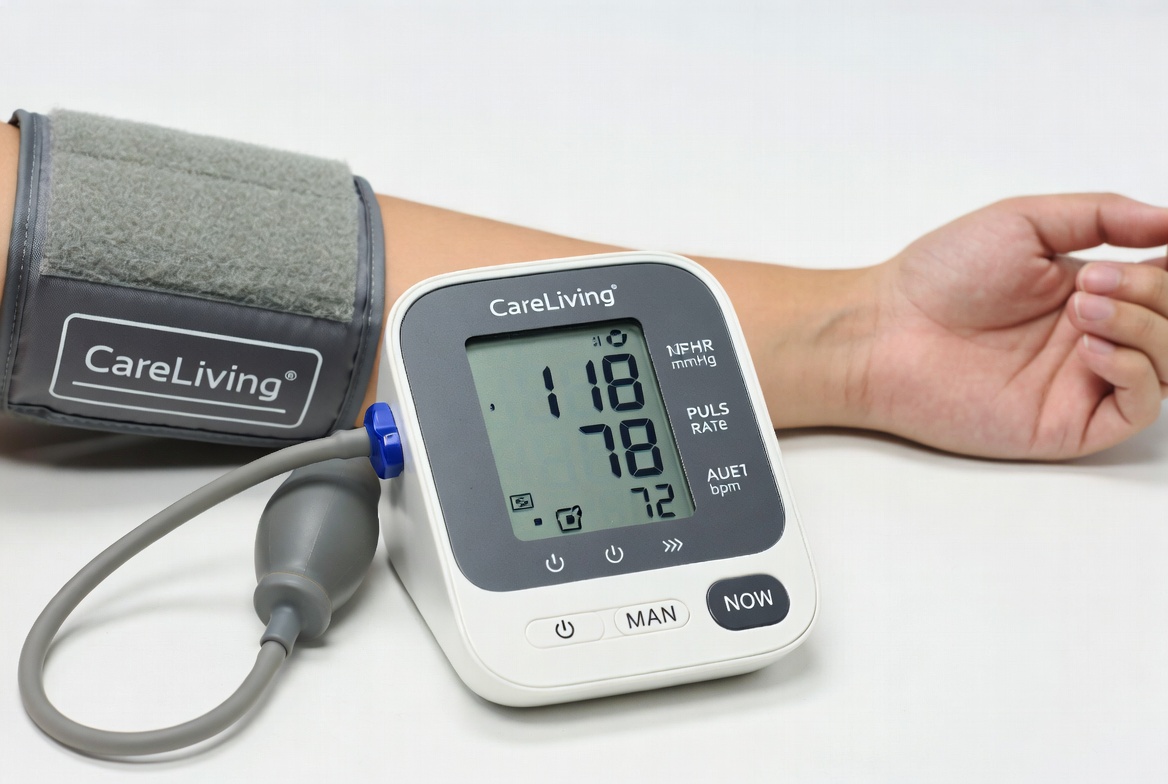
CareLiving Small Blood Pressure Cuff
CareLiving Small Blood Pressure Cuff, 5.5 "-9.5" (14-24cm) Small Cuff, Compatible with Most Brands BP Monitors, with 8 Connectors (BP Cuff Included Only)
Pros
- Battery Powered
- Large Display
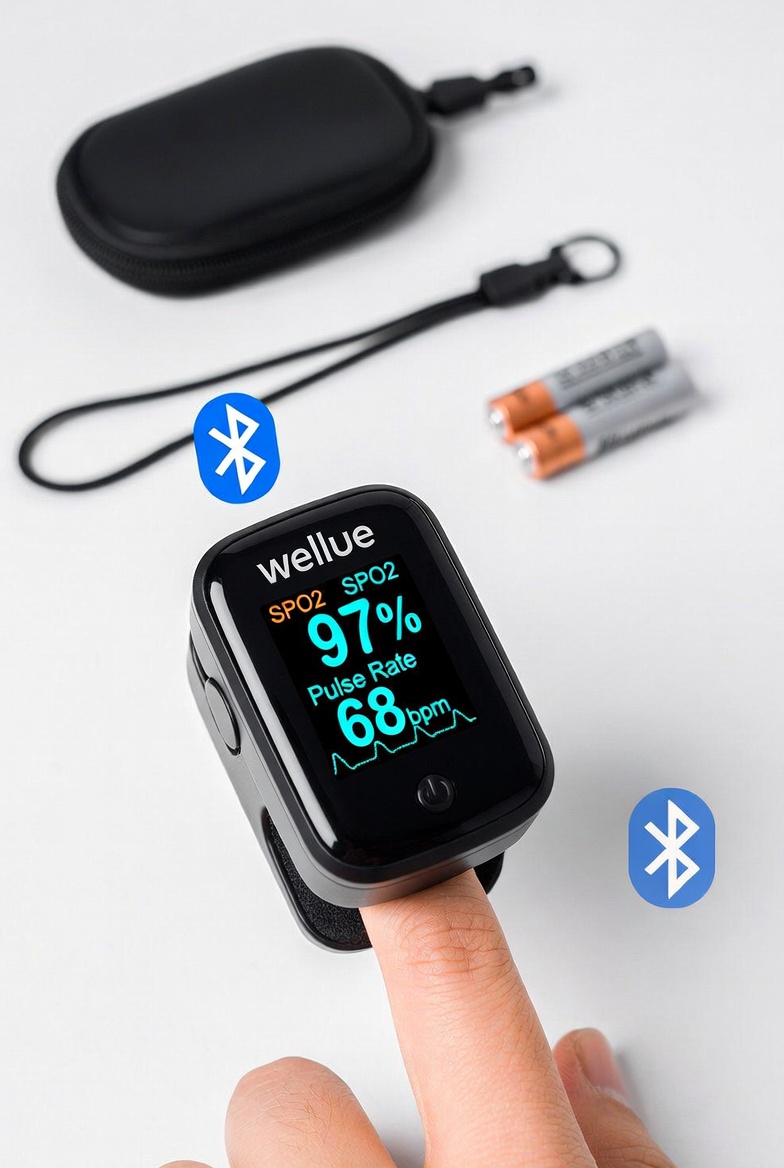
Blood Oxygen Saturation Monitor Rechargeable
The oxygen meter finger pulse oximeter can read and show up to 100% on a bigger LED display. Its design inspiration comes from sports cars, making it a great choice as a gift.
Pros
- Portable and Durable
- Sport Enthusiasts
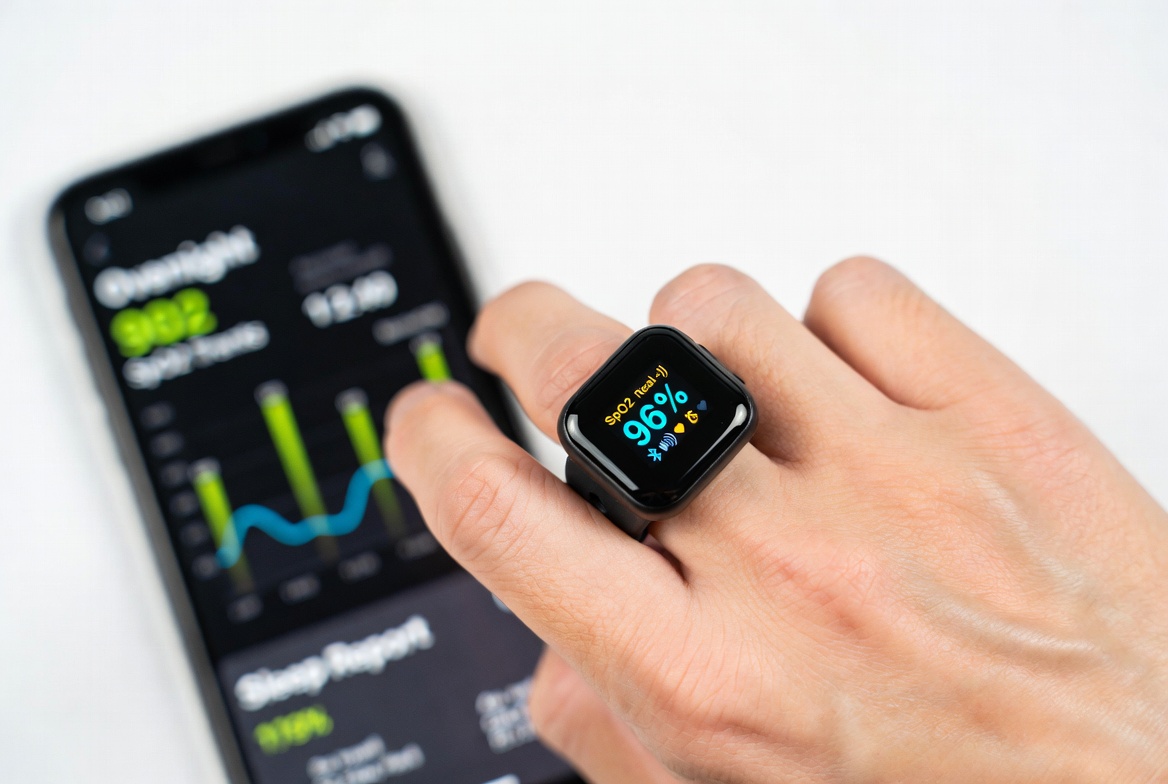
Bluetooth SPO2 Blood Oxygen Saturation Monitor
The lightest, smallest ring sensor for continuous tracking, durable and adapt to most fingers.
Pros
- DETAILED APP & PC REPORT
- UNLIMITED STORAGE IN APP
- UNUSUAL DATA MARKING