Oxygen Saturation (SpO2) Checker
Interpret your oxygen saturation (SpO2) level and heart rate with our free Oxygen Saturation Checker. Understand whether your readings are normal and when medical attention may be needed.
SpO₂ Calculator
Health Score
--
out of 100
Risk Level
--
Oxygen Status
--
Heart Rate
--
Overall Health
Recommended Medical Devices
These products may help you monitor your health at home. Always consult your healthcare provider before making medical decisions.
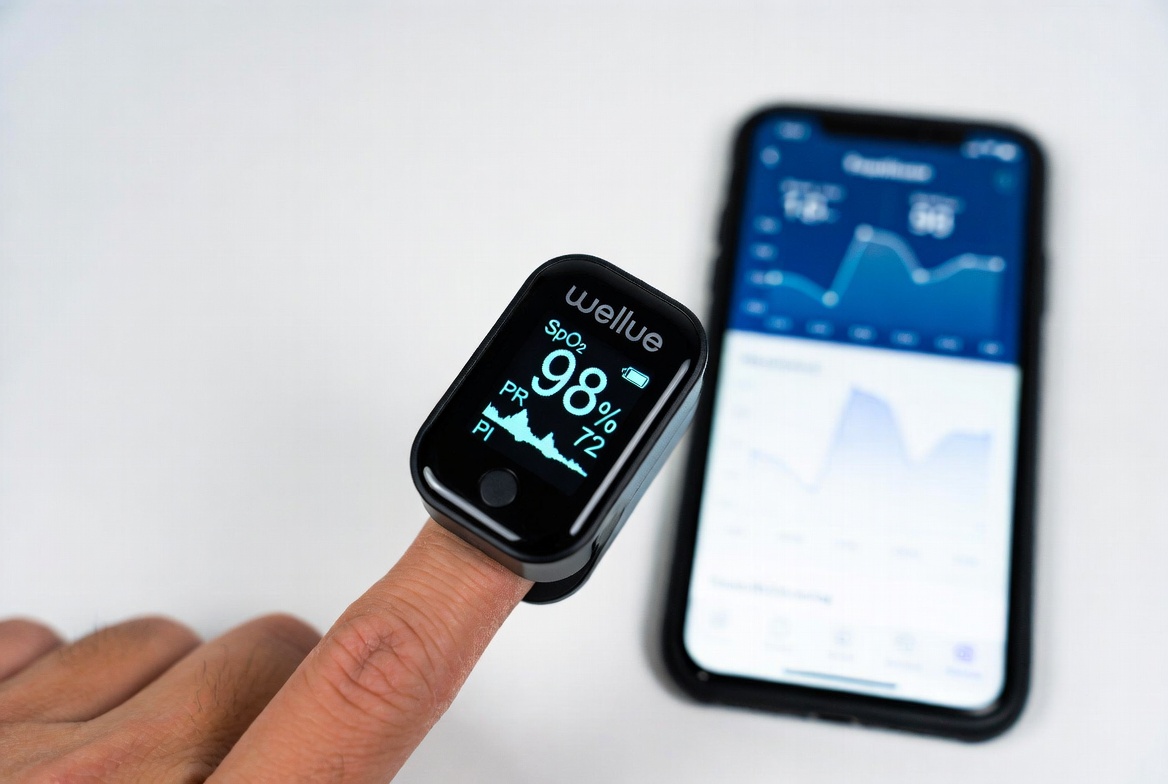
Blood Oxygen Saturation Monitor with Built-in Memory
ACCURATE & RELIABLE: Plethysmograph wavefom provides a visual representation of heartbeat and the amount of blood flowing through the blood vessels; perfusion Index corresponds to pulse strength; both of them help determine the accuray of readings
Pros
- Store up to 12 groups data of Oxygen Level
- Pulse Rate and Perfusion Index in record list screen;
- Quickly view your last 12 times historical data with one click
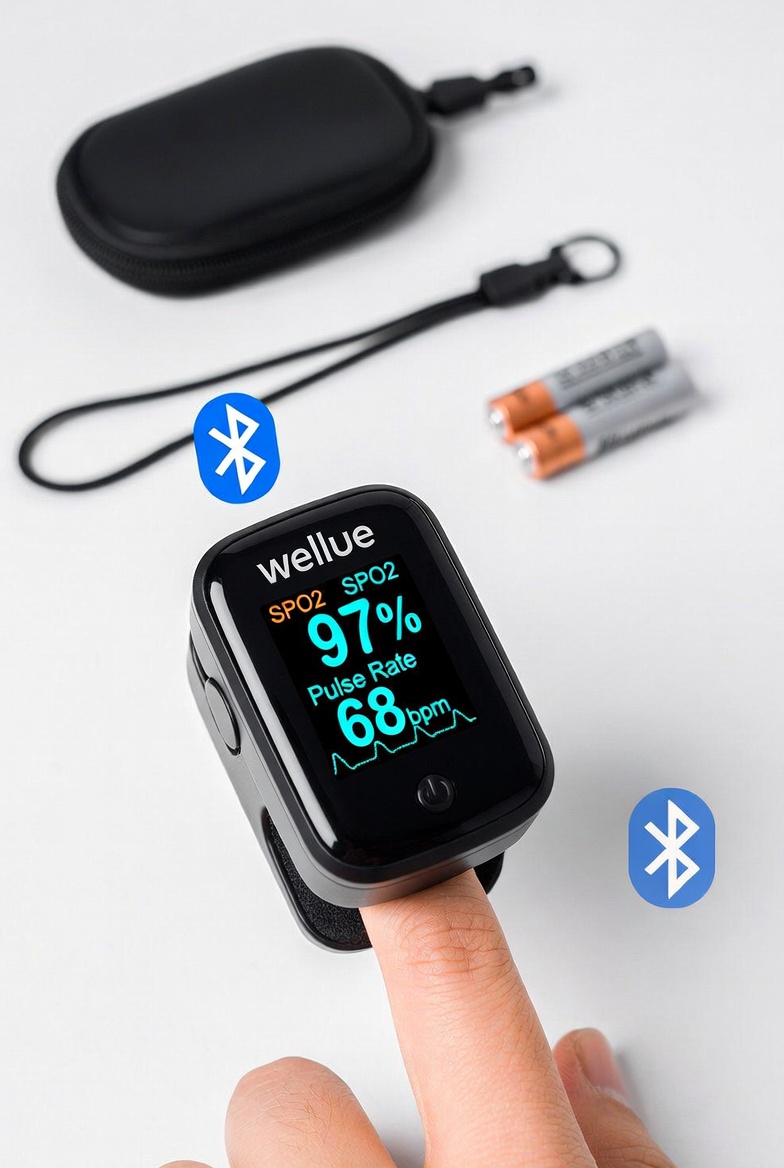
Blood Oxygen Saturation Monitor Rechargeable
The oxygen meter finger pulse oximeter can read and show up to 100% on a bigger LED display. Its design inspiration comes from sports cars, making it a great choice as a gift.
Pros
- Portable and Durable
- Sport Enthusiasts
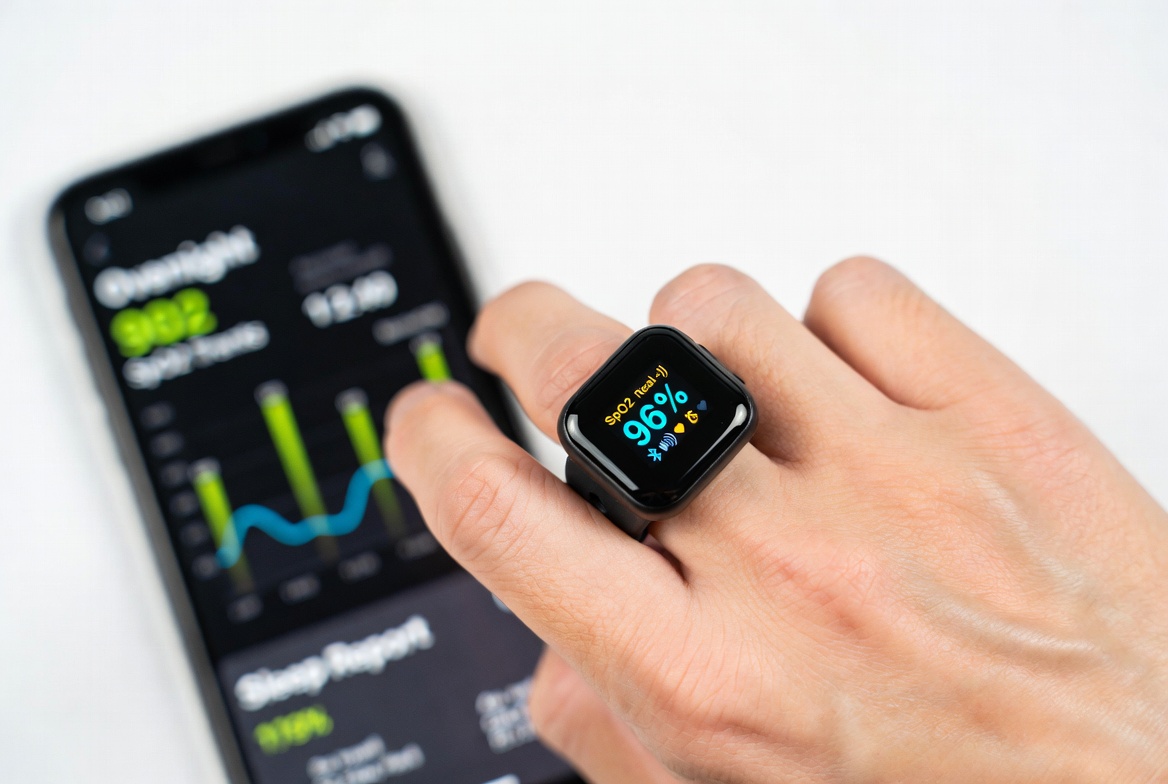
Bluetooth SPO2 Blood Oxygen Saturation Monitor
The lightest, smallest ring sensor for continuous tracking, durable and adapt to most fingers.
Pros
- DETAILED APP & PC REPORT
- UNLIMITED STORAGE IN APP
- UNUSUAL DATA MARKING
What is Oxygen Saturation (SpO₂)?
Oxygen saturation (SpO₂) measures the percentage of oxygen carried by your red blood cells. It is commonly measured using a pulse oximeter placed on your fingertip. Monitoring SpO₂ is useful for people with respiratory conditions such as COPD, asthma, pneumonia, pulmonary fibrosis, and sleep apnea.
Normal Oxygen Saturation Levels
| SpO₂ | Interpretation |
|---|---|
| 95–100% | Normal oxygen level |
| 92–94% | Borderline; monitor symptoms and consult your doctor if persistent. |
| 90–91% | Low oxygen level; medical assessment is recommended. |
| Below 90% | Medical emergency. Seek immediate medical care. |
Common Causes of Low Oxygen Levels
- COPD
- Asthma attacks
- Pneumonia
- COVID-19
- Pulmonary fibrosis
- Heart failure
- Sleep apnea
- High altitude
Tips for Accurate Pulse Oximeter Readings
- Keep your hands warm.
- Remove dark nail polish.
- Remain still while measuring.
- Rest for a few minutes before taking a reading.
- Ensure the sensor fits properly.
Frequently Asked Questions
Medical Disclaimer
This calculator is intended for educational purposes only and does not replace professional medical advice, diagnosis, or treatment. If you have persistent low oxygen readings, severe shortness of breath, chest pain, confusion, or other concerning symptoms, seek immediate medical care.