Overview
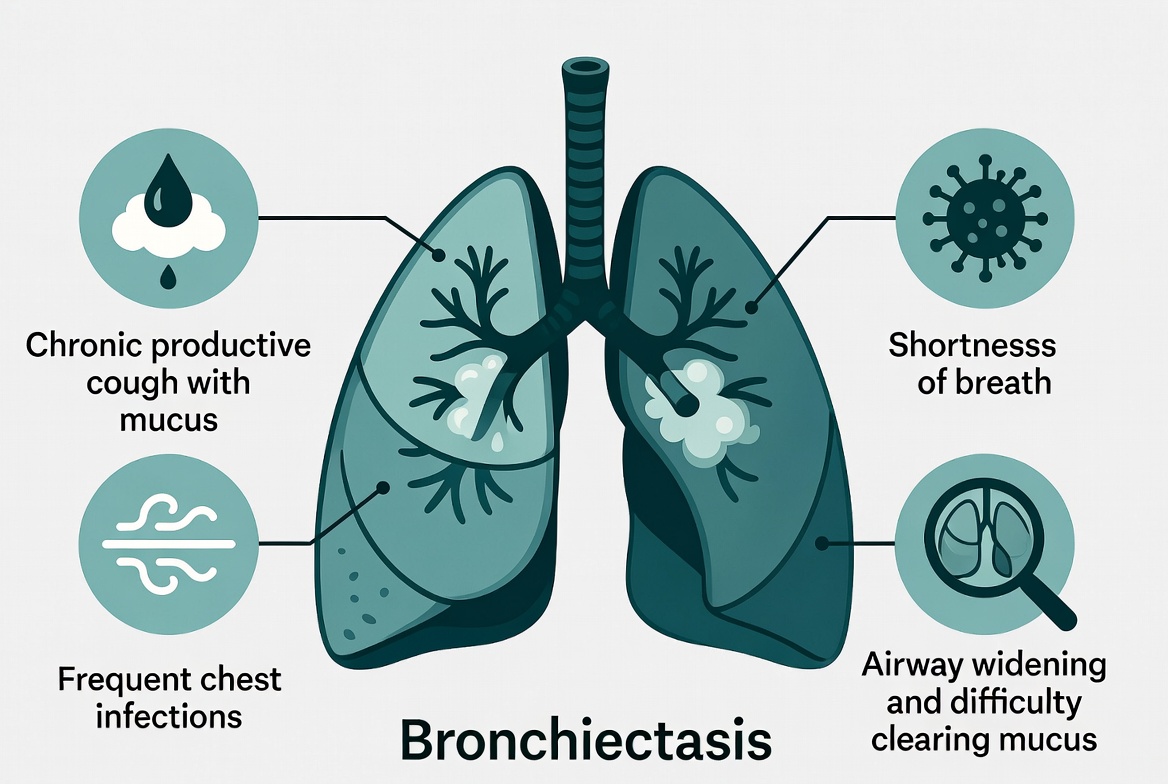
Bronchiectasis is a chronic lung condition in which the airways (bronchi) become permanently widened and damaged. This damage makes it difficult for the lungs to clear mucus effectively, allowing mucus to build up and increasing the risk of repeated lung infections and inflammation.
Over time, recurrent infections and persistent inflammation can cause further damage to the airways, creating a cycle of mucus accumulation, infection, and worsening lung function. Although the airway damage cannot usually be reversed, appropriate treatment can help control symptoms, reduce infections, and improve quality of life.
Bronchiectasis may develop after severe lung infections such as pneumonia or tuberculosis, but it can also occur due to inherited conditions, immune system disorders, airway obstruction, or repeated aspiration. In some people, no specific cause is identified.
Common Symptoms
- A chronic cough that produces large amounts of mucus.
- Frequent chest infections.
- Shortness of breath.
- Wheezing.
- Chest discomfort.
- Coughing up blood (hemoptysis) in some cases.
- Fatigue and reduced exercise tolerance.
Bronchiectasis Is a Long-Term Condition
Although bronchiectasis cannot usually be cured, medications, airway clearance techniques, pulmonary rehabilitation, and prompt treatment of infections can help reduce symptoms and slow disease progression.
Early Diagnosis Helps Protect Your Lungs
Recognizing bronchiectasis early allows treatment to begin before repeated infections cause additional lung damage. If you have a chronic productive cough or frequent chest infections, seek medical evaluation.
If you experience a persistent cough with mucus, repeated respiratory infections, or worsening breathlessness, consult your healthcare provider. Early diagnosis and regular treatment can help preserve lung function and improve your quality of life.
Symptoms
The symptoms of bronchiectasis often develop gradually and may vary depending on the severity of the disease. Some people experience mild symptoms, while others have frequent lung infections and persistent breathing problems. Symptoms usually worsen during flare-ups, also known as exacerbations, when bacterial or viral infections increase airway inflammation.
The most common symptom of bronchiectasis is a long-term cough that produces large amounts of mucus. As the disease progresses, repeated infections can cause increasing damage to the airways, making symptoms more severe over time.
Common Symptoms of Bronchiectasis
| Symptom | Description |
|---|---|
| Chronic Productive Cough | A long-lasting cough that produces mucus (phlegm) every day. The amount of mucus may increase during infections. |
| Excess Mucus Production | Thick, sticky mucus may be clear, yellow, green, or occasionally blood-stained during infections. |
| Shortness of Breath | Breathlessness may occur during physical activity and can worsen as lung damage progresses. |
| Frequent Chest Infections | Repeated episodes of bronchitis or pneumonia are common because mucus trapped in the airways allows bacteria to grow. |
| Wheezing | A whistling sound while breathing caused by narrowed or inflamed airways. |
| Chest Pain or Tightness | Some people experience mild chest discomfort, particularly during severe coughing or respiratory infections. |
| Coughing Up Blood (Hemoptysis) | Small amounts of blood may appear in the mucus due to irritation of damaged airways. Larger amounts require urgent medical attention. |
| Fatigue | Ongoing infections and reduced lung function may lead to persistent tiredness and reduced energy levels. |
| Reduced Exercise Tolerance | Breathing difficulties may make physical activity more challenging over time. |
Symptoms During a Flare-Up (Exacerbation)
Symptoms may temporarily worsen during a respiratory infection or flare-up.
- Increased coughing.
- More mucus than usual.
- Thicker or darker-colored mucus.
- Fever or chills.
- Increased shortness of breath.
- Greater fatigue and weakness.
- Chest discomfort.
Daily Mucus Production Is Common
Unlike a temporary cough caused by a cold, bronchiectasis often causes daily mucus production for months or years. Airway clearance techniques and prescribed treatments can help remove mucus and reduce infections.
Repeated Chest Infections Should Not Be Ignored
Frequent respiratory infections or a chronic productive cough may indicate bronchiectasis or another chronic lung disease. Early diagnosis helps prevent further damage to the airways.
Seek Immediate Medical Care If You Experience:
- Coughing up a large amount of blood.
- Severe or rapidly worsening shortness of breath.
- High fever with worsening breathing symptoms.
- Blue lips or fingertips (cyanosis).
- Chest pain or confusion.
If you have a persistent cough that produces mucus every day, frequent chest infections, or increasing breathlessness, consult your healthcare provider. Early diagnosis and appropriate treatment can help reduce infections, improve breathing, and protect your lung function.
Causes
Bronchiectasis develops when the walls of the airways (bronchi) become permanently damaged and widened. This damage reduces the lungs' ability to clear mucus effectively, allowing mucus to build up and increasing the risk of repeated infections and ongoing inflammation.
Many different conditions can lead to bronchiectasis. In some people, the exact cause cannot be identified even after thorough medical evaluation. This is known as idiopathic bronchiectasis.
Common Causes of Bronchiectasis
| Cause | Description |
|---|---|
| Severe Lung Infections | Previous infections such as pneumonia, tuberculosis (TB), whooping cough, measles, or severe influenza can permanently damage the airways. |
| Tuberculosis (TB) | Tuberculosis remains one of the leading causes of bronchiectasis in many parts of the world by causing permanent lung and airway damage. |
| Repeated Respiratory Infections | Frequent chest infections can lead to chronic inflammation and progressive airway damage over time. |
| Immune System Disorders | People with weakened immune systems may develop recurrent lung infections that increase the risk of bronchiectasis. |
| Cystic Fibrosis | This inherited condition causes thick mucus to accumulate in the lungs, leading to chronic infections and widespread bronchiectasis. |
| Airway Obstruction | Tumors, inhaled foreign objects, or enlarged lymph nodes may block an airway, causing repeated infections behind the obstruction. |
| Autoimmune Diseases | Conditions such as rheumatoid arthritis, inflammatory bowel disease, and Sjögren's syndrome can increase the risk of bronchiectasis. |
| Aspiration | Repeated inhalation of food, stomach acid, or liquids into the lungs can damage the airways and lead to chronic inflammation. |
| Primary Ciliary Dyskinesia | A rare inherited disorder in which tiny hair-like structures (cilia) cannot clear mucus effectively from the airways. |
| Idiopathic Bronchiectasis | In some people, no specific cause is identified despite comprehensive medical testing. |
How Bronchiectasis Develops
Healthy airways use tiny hair-like structures called cilia to move mucus out of the lungs. When the airways become damaged, mucus is no longer cleared effectively. This creates an environment where bacteria can grow, leading to repeated infections and further airway damage.
- Airway damage reduces mucus clearance.
- Mucus builds up inside the lungs.
- Bacteria grow more easily in trapped mucus.
- Repeated infections cause further airway damage.
- The cycle continues unless treated appropriately.
Repeated Infections Can Cause Permanent Damage
Every untreated or severe chest infection may contribute to additional airway damage. Early diagnosis and prompt treatment of infections help reduce long-term complications.
Finding the Underlying Cause Is Important
Identifying the cause of bronchiectasis helps guide treatment. For example, treating immune deficiencies, removing airway blockages, or managing autoimmune diseases may reduce future lung damage.
Prevent Lung Infections Whenever Possible
Keeping vaccinations up to date, avoiding smoking, practicing good hand hygiene, and seeking early treatment for respiratory infections can help protect your lungs and reduce the risk of complications.
Although some causes of bronchiectasis cannot be prevented, early diagnosis, proper management of underlying conditions, and prompt treatment of lung infections can help slow disease progression and improve long-term lung health.
Risk Factors
Several factors can increase the likelihood of developing bronchiectasis. While not everyone with these risk factors will develop the condition, they can increase the chances of airway damage, recurrent infections, and long-term lung problems.
Understanding your risk factors can help you take preventive measures, recognize symptoms early, and seek appropriate medical care before permanent lung damage occurs.
Common Risk Factors for Bronchiectasis
| Risk Factor | How It Increases Risk |
|---|---|
| Previous Severe Lung Infection | A history of pneumonia, tuberculosis (TB), whooping cough, measles, or other serious respiratory infections can permanently damage the airways. |
| Repeated Chest Infections | Frequent respiratory infections cause ongoing inflammation that can gradually widen and damage the airways. |
| Smoking | Smoking damages the airways, reduces the lungs' ability to clear mucus, and increases the risk of infections. |
| Weakened Immune System | People with immune deficiencies are more likely to develop repeated lung infections that may lead to bronchiectasis. |
| Cystic Fibrosis | This inherited condition is one of the most common causes of bronchiectasis in children and young adults. |
| Autoimmune Diseases | Conditions such as rheumatoid arthritis, Sjögren's syndrome, and inflammatory bowel disease increase the risk of chronic lung inflammation. |
| Primary Ciliary Dyskinesia | This rare inherited disorder prevents the airways from clearing mucus effectively, increasing the risk of chronic infections. |
| Aspiration | Repeated inhalation of food, liquids, or stomach acid into the lungs can damage the airways over time. |
| Airway Obstruction | Tumors, inhaled foreign objects, or enlarged lymph nodes can block an airway and increase the risk of repeated infections. |
| Older Age | The risk of chronic lung disease and repeated respiratory infections increases with age. |
Who Is at Higher Risk?
- People with a history of tuberculosis or severe pneumonia.
- Individuals who experience frequent chest infections.
- Current or former smokers.
- People with cystic fibrosis or primary ciliary dyskinesia.
- Individuals with immune system disorders.
- People living with autoimmune diseases.
- Those with swallowing disorders or recurrent aspiration.
- Individuals with chronic lung diseases such as COPD or severe asthma.
Stopping Smoking Protects Your Airways
Smoking damages the lungs and makes it harder to clear mucus, increasing the risk of repeated infections and further airway damage. Quitting smoking is one of the most effective ways to protect your respiratory health.
Treat Chest Infections Promptly
Repeated or untreated respiratory infections can worsen airway damage. Seek medical care if you develop a persistent cough, fever, increased mucus production, or worsening shortness of breath.
Early Identification Can Reduce Complications
Recognizing risk factors and receiving early treatment can help reduce infections, preserve lung function, and improve long-term quality of life.
Although some risk factors, such as inherited conditions, cannot be changed, avoiding smoking, staying up to date with vaccinations, managing underlying medical conditions, and treating respiratory infections promptly can help lower the risk of developing bronchiectasis or slowing its progression.
Diagnosis
Diagnosing bronchiectasis involves reviewing your symptoms, medical history, and performing tests to confirm permanent airway damage. Because symptoms such as chronic cough and shortness of breath can occur with other lung conditions, several investigations are often needed to make an accurate diagnosis and identify the underlying cause.
Early diagnosis is important because appropriate treatment can help reduce infections, improve mucus clearance, slow disease progression, and preserve lung function.
Common Tests Used to Diagnose Bronchiectasis
| Test | Purpose |
|---|---|
| Medical History and Physical Examination | Your healthcare provider will ask about chronic cough, mucus production, repeated chest infections, smoking history, previous tuberculosis or pneumonia, and listen to your lungs for abnormal breath sounds. |
| High-Resolution CT (HRCT) Scan | The gold standard imaging test for bronchiectasis. It provides detailed images of the airways and confirms permanent widening and damage of the bronchi. |
| Chest X-ray | May identify lung abnormalities or infections but is less sensitive than an HRCT scan for diagnosing bronchiectasis. |
| Pulmonary Function Tests (PFTs) | Measure lung function and help determine the severity of airflow limitation and monitor disease progression. |
| Sputum Culture | Analyzes mucus samples to identify bacteria or other microorganisms causing infections and helps guide antibiotic treatment. |
| Blood Tests | Evaluate immune function and help detect underlying conditions such as immune deficiencies or autoimmune diseases. |
| Pulse Oximetry | Measures blood oxygen saturation (SpO?) to assess how well the lungs are supplying oxygen to the body. |
| Bronchoscopy | A flexible camera is inserted into the airways to look for blockages, foreign bodies, bleeding, or to collect samples when needed. |
| Tests for Underlying Causes | Additional investigations may include testing for tuberculosis, cystic fibrosis, primary ciliary dyskinesia, allergic bronchopulmonary aspergillosis (ABPA), or aspiration, depending on your medical history. |
What Happens After Diagnosis?
Once bronchiectasis is confirmed, your healthcare provider will determine its severity, identify any underlying cause, and develop a personalized treatment plan to reduce infections, improve mucus clearance, and maintain lung function.
- Assess the extent of airway damage.
- Identify bacteria causing recurrent infections.
- Evaluate lung function and oxygen levels.
- Look for treatable underlying conditions.
- Create a long-term management and follow-up plan.
HRCT Scan Is the Gold Standard
A high-resolution CT (HRCT) scan is the most accurate imaging test for diagnosing bronchiectasis. It clearly shows permanent widening of the airways and helps determine the extent of lung damage.
Finding the Underlying Cause Is Important
Bronchiectasis is often a result of another medical condition. Identifying and treating the underlying cause can help reduce future infections and slow disease progression.
Regular Monitoring Supports Better Lung Health
People with bronchiectasis benefit from regular follow-up visits, lung function testing, sputum analysis when needed, and prompt treatment of flare-ups to help prevent further airway damage.
If you have a long-term productive cough, repeated chest infections, or worsening shortness of breath, consult your healthcare provider. Early diagnosis and ongoing care can help improve symptoms, reduce complications, and protect your lung function.
Treatment
Treatment for bronchiectasis focuses on controlling infections, removing excess mucus from the airways, improving breathing, preventing flare-ups, and slowing further lung damage. Although the airway damage is usually permanent, appropriate treatment can help reduce symptoms and improve quality of life.
Your treatment plan will depend on the severity of your symptoms, the frequency of infections, the underlying cause of bronchiectasis, and your overall health. Many people require long-term management and regular follow-up with their healthcare provider.
Common Treatment Options for Bronchiectasis
| Treatment | Purpose |
|---|---|
| Antibiotics | Used to treat bacterial chest infections. Some people with frequent infections may require long-term or preventive antibiotic therapy as prescribed by their healthcare provider. |
| Airway Clearance Techniques | Special breathing exercises and chest physiotherapy help loosen and remove mucus from the lungs, reducing the risk of infection. |
| Bronchodilators | Inhaled medications may help open the airways and make breathing easier, particularly in people who also have asthma or COPD. |
| Mucus-Thinning Treatments | Hydration and, in selected cases, medications prescribed by a healthcare provider may help make mucus easier to clear. |
| Pulmonary Rehabilitation | A supervised program that combines exercise, breathing techniques, education, and nutritional support to improve physical fitness and lung function. |
| Vaccinations | Annual influenza and recommended pneumococcal vaccinations help reduce the risk of respiratory infections. |
| Treatment of the Underlying Cause | Managing conditions such as immune deficiencies, autoimmune diseases, tuberculosis, or aspiration can help reduce further lung damage. |
| Oxygen Therapy | Supplemental oxygen may be prescribed for people with persistently low blood oxygen levels. |
| Surgery | Rarely, surgery may be considered if bronchiectasis is limited to one area of the lung or if severe bleeding cannot be controlled with other treatments. |
Self-Care and Lifestyle Measures
- Do not smoke and avoid secondhand smoke.
- Drink enough fluids to help keep mucus thinner.
- Practice airway clearance exercises as instructed.
- Stay physically active within your healthcare provider's recommendations.
- Eat a balanced diet to maintain your strength and immune system.
- Wash your hands regularly to reduce the risk of infections.
- Take medications exactly as prescribed.
- Attend regular medical follow-up appointments.
Airway Clearance Is a Key Part of Treatment
Removing mucus from the lungs every day helps reduce bacterial growth, lowers the risk of infections, and improves breathing. Your healthcare provider or respiratory therapist can teach you effective airway clearance techniques.
Take Antibiotics Exactly as Prescribed
Do not stop antibiotics early, even if you begin to feel better, unless advised by your healthcare provider. Completing the full course helps treat the infection effectively and reduces the risk of antibiotic resistance.
Long-Term Management Can Improve Quality of Life
Although bronchiectasis cannot usually be cured, regular treatment, prompt management of infections, healthy lifestyle habits, and ongoing follow-up can reduce flare-ups, improve lung function, and help you stay active.
If your symptoms suddenly worsen, you develop a high fever, cough up large amounts of blood, or experience severe shortness of breath, seek immediate medical attention. Early treatment of flare-ups can help prevent serious complications and further lung damage.
Need Expert Medical Guidance?
Schedule a direct consultation with Dr. Nabila Zaheer for a personalized care plan.
Prevention
Bronchiectasis cannot always be prevented, particularly when it is caused by inherited conditions such as cystic fibrosis or primary ciliary dyskinesia. However, many cases can be prevented or the risk reduced by protecting your lungs, treating respiratory infections promptly, and managing underlying medical conditions.
Healthy lifestyle choices and regular medical care can help reduce airway damage, lower the risk of repeated infections, and slow disease progression in people who already have bronchiectasis.
Ways to Help Prevent Bronchiectasis
| Prevention Strategy | How It Helps |
|---|---|
| Do Not Smoke | Avoiding smoking protects the airways, improves mucus clearance, and reduces the risk of chronic lung damage. |
| Treat Lung Infections Promptly | Early treatment of pneumonia, tuberculosis, bronchitis, and other respiratory infections helps reduce permanent airway damage. |
| Stay Up to Date with Vaccinations | Annual influenza vaccination and recommended pneumococcal vaccines help reduce the risk of serious respiratory infections. |
| Practice Good Hand Hygiene | Regular handwashing and avoiding close contact with people who are ill can lower your risk of respiratory infections. |
| Manage Underlying Medical Conditions | Proper treatment of asthma, COPD, immune deficiencies, autoimmune diseases, and other chronic conditions may reduce the risk of airway damage. |
| Avoid Air Pollution and Lung Irritants | Limiting exposure to smoke, dust, chemical fumes, and air pollution helps protect the lungs. |
| Prevent Aspiration | People with swallowing disorders or acid reflux should seek appropriate treatment to reduce repeated aspiration into the lungs. |
| Maintain a Healthy Lifestyle | Regular exercise, a balanced diet, adequate hydration, and sufficient sleep support overall lung and immune health. |
| Attend Regular Medical Check-Ups | Routine follow-up helps identify respiratory problems early and allows prompt treatment before significant lung damage develops. |
Protect Your Lungs Every Day
- Avoid smoking and secondhand smoke.
- Complete the full course of prescribed antibiotics for chest infections.
- Stay physically active to support healthy lung function.
- Drink enough water to help keep mucus easier to clear.
- Follow your airway clearance routine if recommended.
- Seek medical attention if respiratory symptoms worsen.
- Follow workplace safety measures if exposed to dust or harmful chemicals.
Preventing Chest Infections Is Essential
Repeated respiratory infections are a major cause of airway damage. Vaccination, good hygiene, and early treatment of infections help protect your lungs and reduce long-term complications.
Do Not Ignore a Chronic Productive Cough
A cough that produces mucus for several weeks or repeated chest infections should always be evaluated by a healthcare provider. Early diagnosis may help prevent further airway damage.
Healthy Habits Support Long-Term Lung Health
Quitting smoking, staying active, maintaining a healthy diet, and attending regular medical check-ups can help reduce flare-ups, improve breathing, and support better quality of life for people at risk of bronchiectasis.
Although bronchiectasis cannot always be prevented, protecting your lungs, managing underlying conditions, and treating respiratory infections promptly can significantly reduce the risk of permanent airway damage and improve long-term respiratory health.
Complications
If bronchiectasis is not properly managed, repeated lung infections and ongoing inflammation can lead to serious complications. Persistent mucus buildup creates an environment where bacteria can grow, resulting in recurring infections that may cause further damage to the airways and lungs.
Regular treatment, airway clearance, prompt management of infections, and routine follow-up can help reduce the risk of complications and preserve lung function.
Possible Complications of Bronchiectasis
| Complication | Description |
|---|---|
| Repeated Chest Infections | Frequent bacterial infections are common and can further damage the airways, leading to worsening symptoms over time. |
| Pneumonia | Mucus trapped in the lungs increases the risk of developing pneumonia, which may require hospitalization in severe cases. |
| Coughing Up Blood (Hemoptysis) | Damaged airway blood vessels may bleed, causing blood to appear in the mucus. Large amounts of bleeding require emergency medical care. |
| Respiratory Failure | Advanced bronchiectasis can reduce the lungs' ability to supply enough oxygen to the body, resulting in respiratory failure. |
| Low Blood Oxygen (Hypoxemia) | Progressive lung damage may lower oxygen levels, leading to fatigue, dizziness, headaches, and worsening shortness of breath. |
| Pulmonary Hypertension | Long-term lung disease may increase pressure in the pulmonary arteries, placing additional strain on the heart. |
| Right-Sided Heart Failure (Cor Pulmonale) | Persistent pulmonary hypertension can weaken the right side of the heart, reducing its ability to pump blood effectively. |
| Reduced Lung Function | Repeated infections and chronic inflammation may gradually reduce breathing capacity and physical endurance. |
| Reduced Quality of Life | Frequent infections, fatigue, chronic cough, and breathlessness can interfere with work, exercise, sleep, and daily activities. |
Signs That Bronchiectasis May Be Worsening
- More frequent chest infections.
- Increasing amounts of mucus.
- Changes in mucus color to yellow, green, or bloody.
- Worsening shortness of breath.
- Persistent fever or chills.
- Increasing fatigue or weakness.
- Reduced ability to exercise or perform daily activities.
- Lower oxygen levels if monitored at home.
Seek Emergency Medical Care Immediately If You:
- Cough up a large amount of blood.
- Develop severe or rapidly worsening shortness of breath.
- Experience chest pain or pressure.
- Notice blue lips, tongue, or fingertips.
- Become confused, unusually drowsy, or difficult to wake.
- Develop a high fever with worsening breathing symptoms despite treatment.
Do Not Ignore Frequent Flare-Ups
Repeated flare-ups (exacerbations) can cause permanent airway damage. Contact your healthcare provider if you notice increasing cough, mucus production, fever, or worsening breathlessness.
Consistent Treatment Reduces Complications
Following your treatment plan, performing daily airway clearance exercises, taking medications as prescribed, and attending regular follow-up appointments can help reduce infections, preserve lung function, and improve your quality of life.
Although bronchiectasis is a long-term condition, many complications can be prevented or managed effectively with early diagnosis, appropriate treatment, healthy lifestyle choices, and prompt medical care when symptoms worsen.
When to See a Doctor
Bronchiectasis is a long-term lung condition that often develops gradually. Early diagnosis and treatment can help reduce infections, improve breathing, and slow further damage to the airways. If you have persistent respiratory symptoms, it is important to seek medical evaluation rather than assuming they are caused by a common cold or smoking.
Prompt medical care is especially important if you experience frequent chest infections, increasing mucus production, or worsening shortness of breath, as these may indicate bronchiectasis or another chronic lung condition.
Schedule a Medical Appointment If You:
- Have a chronic cough that produces mucus for more than 8 weeks.
- Experience repeated chest infections or pneumonia.
- Notice increasing shortness of breath during daily activities.
- Develop wheezing or persistent chest discomfort.
- Cough up small amounts of blood.
- Produce thick, yellow, green, or foul-smelling mucus.
- Feel unusually tired or have reduced exercise tolerance.
- Have unexplained weight loss or loss of appetite.
- Have a history of tuberculosis, severe pneumonia, cystic fibrosis, or immune system disorders and develop ongoing respiratory symptoms.
People at Higher Risk Should Seek Early Evaluation
Early assessment is recommended if you have any of the following risk factors:
- A history of repeated lung infections.
- Previous tuberculosis (TB).
- Cystic fibrosis or primary ciliary dyskinesia.
- Immune deficiency disorders.
- Autoimmune diseases such as rheumatoid arthritis or Sjögren's syndrome.
- Long-term smoking history.
- Chronic asthma or COPD with frequent respiratory infections.
Regular Follow-Up Is Essential
If you have been diagnosed with bronchiectasis, attend all scheduled medical appointments. Regular monitoring helps detect flare-ups early, assess lung function, and adjust treatment to reduce future complications.
Seek Emergency Medical Care Immediately If You:
- Cough up a large amount of blood.
- Develop severe or rapidly worsening shortness of breath.
- Notice blue lips, tongue, or fingertips.
- Experience chest pain or pressure.
- Develop a high fever with worsening cough and breathing despite treatment.
- Become confused, unusually sleepy, or difficult to wake.
- Notice a significant drop in your oxygen level if you monitor it at home.
Do Not Ignore Frequent Flare-Ups
Repeated episodes of increased cough, thicker mucus, fever, or worsening breathlessness may indicate a flare-up that requires prompt treatment. Early management can help prevent further airway damage.
Early Diagnosis Improves Long-Term Outcomes
Recognizing bronchiectasis early allows treatment to begin before significant lung damage occurs. Following your treatment plan, practicing airway clearance techniques, and treating infections promptly can help preserve lung function and improve your quality of life.
If you have a long-term productive cough, repeated chest infections, or worsening breathing problems, consult your healthcare provider as soon as possible. Early diagnosis and ongoing care are key to managing bronchiectasis and maintaining healthy lung function.