Overview
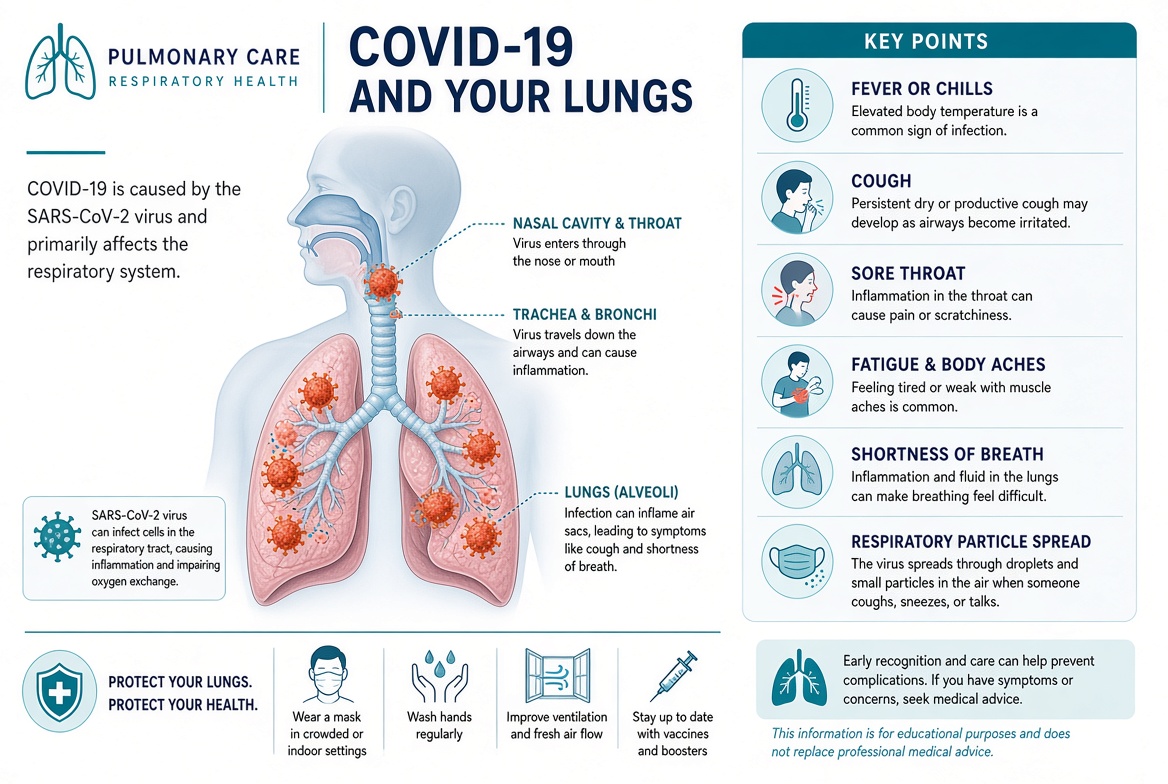
COVID-19 is an infectious respiratory disease caused by the severe acute respiratory syndrome coronavirus 2 (SARS-CoV-2). The virus continues to circulate globally, and illness can range from no or mild symptoms to severe disease requiring hospitalization. Most people recover without needing hospital treatment, but some people are at higher risk of serious illness.
SARS-CoV-2 spreads mainly through infectious respiratory particles released when an infected person breathes, talks, coughs, sneezes, or sings. Transmission is more likely during close contact and in crowded or poorly ventilated indoor environments.
Key Features of COVID-19
- Caused by the SARS-CoV-2 virus.
- Primarily affects the respiratory system but can affect multiple organs.
- Symptoms can range from mild to severe, and some infected people may have no noticeable symptoms.
- Common symptoms can include fever, chills, sore throat, cough, fatigue, headache, and body aches.
- Some people develop shortness of breath or other respiratory symptoms.
- Older adults and people with certain underlying medical conditions have a higher risk of severe disease.
- Some people develop persistent symptoms known as post-COVID-19 condition or Long COVID.
COVID-19 Can Affect People Differently
The severity of COVID-19 varies considerably. Many people experience mild or moderate respiratory illness and recover at home, while others can develop pneumonia, low blood oxygen, or other serious complications requiring medical care.
Common Symptoms
Symptoms can vary between individuals and may change as different SARS-CoV-2 variants circulate. Commonly reported symptoms include:
- Fever or chills.
- Sore throat.
- Cough.
- Fatigue or unusual tiredness.
- Headache.
- Muscle or body aches.
- Runny or blocked nose.
- Shortness of breath or breathing difficulty.
- Nausea, vomiting, or diarrhea in some people.
- Loss or change of taste or smell in some cases.
Symptoms can overlap with influenza and other respiratory infections, so symptoms alone cannot always determine whether someone has COVID-19.
How COVID-19 Spreads
SARS-CoV-2 can spread through respiratory particles released by an infected person. These particles can be inhaled by people nearby or can reach the eyes, nose, or mouth. Transmission is particularly likely during close contact or in crowded, enclosed, and poorly ventilated spaces.
- Breathing near an infected person.
- Talking, coughing, sneezing, or singing near others.
- Spending time in crowded indoor environments.
- Exposure to poorly ventilated spaces.
Who Is at Higher Risk of Severe COVID-19?
Anyone can develop severe COVID-19, but the risk is generally higher among older adults and people with certain underlying health conditions or weakened immune systems. Conditions associated with increased risk can include chronic lung disease, cardiovascular disease, diabetes, obesity, cancer, kidney disease, and immunosuppression.
People With Chronic Lung Disease Need Extra Care
People with asthma, COPD, emphysema, pulmonary fibrosis, and other chronic respiratory conditions may have a higher risk of serious respiratory complications. Worsening breathlessness or other significant changes in breathing should be medically evaluated.
Long COVID
Some people continue to experience symptoms after the initial COVID-19 infection. This condition is commonly called Long COVID or post-COVID-19 condition. Symptoms can include persistent fatigue, shortness of breath, cough, headaches, problems with memory or concentration, and other physical or neurological symptoms.
Long COVID can occur after mild or severe initial infection and can interfere with daily activities in some people.
Prevention
Measures that can reduce the risk of COVID-19 infection and transmission include staying up to date with recommended vaccination, improving indoor ventilation, avoiding close contact with people who are sick, practicing hand hygiene, covering coughs and sneezes, and using a well-fitting mask in situations where it is appropriate.
Emergency Warning Signs
- Severe difficulty breathing or shortness of breath, especially at rest.
- Persistent chest pain or pressure.
- New confusion or difficulty staying awake.
- Loss of speech or ability to move normally.
- Blue, gray, or unusually pale lips, face, or skin.
- Any rapidly worsening respiratory symptoms.
People with severe symptoms or those at high risk of severe COVID-19 should seek medical care promptly. Early assessment can help determine whether testing, antiviral treatment, monitoring, or other medical care is appropriate.
Symptoms
COVID-19 symptoms can range from mild to severe, and some people may have no symptoms at all. Symptoms can vary from person to person and may change as different SARS-CoV-2 variants circulate. Common symptoms include fever or chills, cough, sore throat, fatigue, headache, muscle aches, and nasal congestion.
Common Symptoms of COVID-19
| Symptom | Description |
|---|---|
| Fever or Chills | Some people develop a fever, chills, or episodes of feeling unusually cold during the infection. Not everyone with COVID-19 develops a fever. |
| Cough | A dry or productive cough can occur and may persist for some time after other symptoms improve. |
| Sore Throat | Throat irritation or pain when swallowing is a common symptom and may be one of the earliest signs of infection. |
| Fatigue | COVID-19 can cause tiredness, weakness, and reduced energy. Fatigue may persist after the initial infection in some people. |
| Headache | Headaches can occur during COVID-19 and may range from mild to significant. |
| Muscle or Body Aches | Some people experience muscle pain, joint discomfort, or generalized body aches. |
| Runny or Stuffy Nose | Nasal congestion or a runny nose can occur and may resemble symptoms of a common cold or other respiratory infection. |
| Shortness of Breath | Breathing difficulty can occur, particularly in people with more severe disease or underlying lung conditions. |
| Loss or Change of Taste or Smell | Some people experience a reduced or altered sense of taste or smell. This symptom may be less common with some newer variants than it was earlier in the pandemic. |
| Nausea or Vomiting | Some people experience nausea or vomiting during COVID-19. |
| Diarrhea | Diarrhea and other gastrointestinal symptoms can occur, sometimes together with respiratory symptoms. |
How COVID-19 Symptoms May Begin
Symptoms may develop gradually or appear over a short period after infection. Some people experience only mild upper-respiratory symptoms, while others develop more significant respiratory illness.
- Sore throat or nasal congestion.
- Cough.
- Fever or chills.
- Fatigue and weakness.
- Headache or body aches.
- Shortness of breath in some cases.
Symptoms Can Overlap With Other Infections
COVID-19 symptoms can resemble influenza, the common cold, and other respiratory infections. Symptoms alone cannot reliably determine which infection is present. Testing may be useful when knowing the diagnosis would affect treatment or precautions.
COVID-19 Symptoms in Children
Children can develop COVID-19 with symptoms similar to adults, although many children have mild illness or no symptoms. Possible symptoms include fever, cough, sore throat, fatigue, headache, nasal congestion, vomiting, and diarrhea.
Rarely, children can develop a serious inflammatory condition called multisystem inflammatory syndrome in children (MIS-C) following SARS-CoV-2 infection. Persistent fever combined with other concerning symptoms requires medical evaluation.
Symptoms in Older Adults and High-Risk People
Older adults and people with weakened immune systems may not always develop the typical symptoms of COVID-19. They may instead experience unusual weakness, confusion, reduced appetite, worsening of an existing medical condition, or a general decline in health.
People With Chronic Lung Disease
People with asthma, COPD, emphysema, pulmonary fibrosis, or other chronic respiratory conditions should pay particular attention to changes in breathing. New or worsening shortness of breath, wheezing, or reduced oxygen levels should be medically evaluated.
Long COVID Symptoms
Some people continue to experience symptoms for weeks or months after the initial infection. Long COVID can involve different organs and may affect people who initially had mild or severe disease.
Possible persistent symptoms include:
- Ongoing fatigue.
- Shortness of breath.
- Persistent cough.
- Headaches.
- Problems with concentration or memory.
- Sleep difficulties.
- Changes in taste or smell.
- Muscle or joint pain.
- Symptoms that worsen after physical or mental activity.
Emergency Warning Signs
Seek emergency medical care if you develop:
- Severe difficulty breathing or rapidly worsening shortness of breath.
- Persistent chest pain or pressure.
- New confusion or difficulty staying awake.
- Blue, gray, or unusually pale lips, face, or skin.
- Loss of consciousness.
- Severe weakness or a sudden significant deterioration.
Most people with mild COVID-19 recover without hospital treatment. However, people who are older, immunocompromised, pregnant, or have certain chronic medical conditions should contact a healthcare professional promptly if symptoms develop because early evaluation may allow appropriate treatment to be started.
Causes
COVID-19 is caused by infection with the severe acute respiratory syndrome coronavirus 2 (SARS-CoV-2). The virus primarily spreads from person to person through infectious respiratory particles and can infect the respiratory tract and other parts of the body.
Main Causes and Sources of COVID-19 Infection
| Cause / Source | Description |
|---|---|
| SARS-CoV-2 Virus | COVID-19 occurs when SARS-CoV-2 enters the body and establishes an infection. The virus belongs to the coronavirus family. |
| Respiratory Particles | An infected person can release infectious particles when breathing, talking, coughing, sneezing, singing, or performing other activities. Another person can become infected after inhaling these particles or when they reach the eyes, nose, or mouth. |
| Close Contact With an Infected Person | Spending time close to someone who has COVID-19 increases exposure to infectious respiratory particles and therefore increases the risk of infection. |
| Crowded Indoor Spaces | Crowded environments can increase transmission because people are close together and may share the same air for extended periods. |
| Poor Indoor Ventilation | Inadequate ventilation can allow infectious respiratory particles to accumulate in indoor air, increasing the likelihood of transmission. |
| Contact With Contaminated Surfaces | Transmission from contaminated surfaces is possible but is generally considered less important than transmission through respiratory particles. |
How COVID-19 Spreads
SARS-CoV-2 spreads mainly through the air when an infected person releases respiratory particles. The risk of transmission generally increases with closer and longer contact, especially indoors.
- An infected person breathes, talks, coughs, sneezes, or sings.
- Respiratory particles containing SARS-CoV-2 enter the surrounding air.
- Another person inhales infectious particles or the particles reach their eyes, nose, or mouth.
- The virus enters the body and begins multiplying.
- The infected person may develop symptoms or remain asymptomatic.
People Can Spread COVID-19 Without Knowing They Are Infected
SARS-CoV-2 can be transmitted by people who have symptoms as well as by people who have no noticeable symptoms. This makes it possible for the virus to spread before an infected person realizes they are sick.
Factors That Increase Transmission
- Close and prolonged contact with an infected person.
- Crowded indoor environments.
- Poor ventilation or limited fresh-air exchange.
- Large gatherings where many people share the same indoor air.
- Direct exposure to respiratory particles from an infected person.
- Contact with an infected person during periods of high community transmission.
Can COVID-19 Spread Outdoors?
Yes. Transmission can occur outdoors, particularly during close and prolonged contact with an infected person. However, outdoor environments generally provide more air movement and dilution of respiratory particles than enclosed indoor spaces, which can reduce the risk compared with similar close contact indoors.
Can You Get COVID-19 More Than Once?
Yes. Previous infection does not provide complete or permanent protection against reinfection. Immunity can decrease over time, and SARS-CoV-2 continues to evolve into new variants that may partially evade immunity from previous infection or vaccination.
COVID-19 Is Not Caused by Cold Weather
COVID-19 is caused by SARS-CoV-2 infection, not by cold temperatures. However, transmission may increase during periods when people spend more time together indoors or in poorly ventilated spaces.
What Does Not Cause COVID-19?
- Cold weather itself does not cause COVID-19.
- Walking outside in cold air does not create the infection.
- COVID-19 is not caused by antibiotics.
- COVID-19 is not caused by ordinary physical activity or exercise.
- Simply being near someone who was previously infected does not automatically mean you will become infected; transmission requires exposure to the virus.
Reducing Exposure to the Virus
Because SARS-CoV-2 spreads primarily through respiratory particles, reducing exposure to infectious air can lower the risk of infection.
- Improve ventilation and increase fresh-air circulation indoors.
- Avoid close contact with people who are sick when possible.
- Consider a well-fitting mask in situations where exposure risk is high.
- Stay home when experiencing significant respiratory symptoms.
- Follow current vaccination recommendations.
- Practice good hand hygiene, particularly before eating or touching your face.
Vaccination Helps Reduce Severe Disease
COVID-19 vaccines are designed to reduce the risk of severe disease, hospitalization, and death. They may not completely prevent infection or transmission, but maintaining recommended vaccination can provide important protection against serious illness.
If you have been exposed to someone with COVID-19 or develop symptoms such as fever, cough, sore throat, fatigue, or shortness of breath, consider testing and seek medical advice when appropriate, particularly if you are at increased risk of severe disease.
Risk Factors
Anyone can become infected with SARS-CoV-2, the virus that causes COVID-19. However, certain factors can increase the likelihood of infection, while others increase the risk of developing severe illness, hospitalization, or complications.
Risk Factors for COVID-19 Infection
| Risk Factor | Why It Matters |
|---|---|
| Close Contact With an Infected Person | Spending time near someone who has COVID-19 increases exposure to infectious respiratory particles. |
| Crowded Indoor Environments | Crowded indoor spaces can increase exposure because many people share the same air and are often in close proximity. |
| Poor Ventilation | Inadequate airflow can allow infectious respiratory particles to accumulate indoors. |
| Frequent Exposure to Large Gatherings | Large gatherings, particularly indoors, provide more opportunities for SARS-CoV-2 transmission. |
| Healthcare or Caregiving Exposure | People who regularly care for or work closely with infected individuals may have increased opportunities for exposure. |
| Previous Infection or Vaccination With Waning Protection | Protection against infection can decrease over time, and previous infection or vaccination does not provide complete protection against future infection. |
Risk Factors for Severe COVID-19
Certain people are more likely to develop severe COVID-19 if they become infected. Risk generally increases with age and the presence of certain underlying medical conditions.
| Risk Factor | Potential Impact |
|---|---|
| Older Age | The risk of severe illness generally increases with age, particularly among older adults. |
| Chronic Lung Disease | Conditions such as COPD, emphysema, pulmonary fibrosis, and some forms of asthma can increase the risk of serious respiratory illness. |
| Heart Disease | Underlying cardiovascular disease can increase the risk of hospitalization and complications from COVID-19. |
| Diabetes | Diabetes is associated with an increased risk of severe COVID-19 and related complications. |
| Obesity | Obesity, particularly severe obesity, is associated with a higher risk of severe disease. |
| Weakened Immune System | People with weakened immune systems may have difficulty controlling the infection and may be more likely to develop severe or prolonged illness. |
| Chronic Kidney Disease | Chronic kidney disease is associated with an increased risk of severe COVID-19. |
| Chronic Liver Disease | Certain chronic liver conditions can increase the risk of complications during COVID-19. |
| Cancer | Some cancers and cancer treatments can weaken the immune system and increase the risk of serious infection. |
| Pregnancy | Pregnancy can increase the risk of severe COVID-19 compared with being non-pregnant, particularly when other risk factors are present. |
| Physical Inactivity | Low physical activity has been associated with a higher risk of severe COVID-19 outcomes compared with maintaining an appropriate level of physical activity. |
| Smoking | Current or former smoking may increase the risk of severe respiratory illness and can contribute to underlying lung and cardiovascular disease. |
People Who May Need Extra Protection
- Older adults.
- People with chronic lung diseases such as COPD or pulmonary fibrosis.
- People with significant heart disease.
- People with diabetes.
- People with weakened immune systems.
- People with chronic kidney or liver disease.
- People with certain cancers or receiving immune-suppressing treatments.
- Pregnant people.
- People with severe obesity.
Chronic Lung Conditions
People with COPD, emphysema, asthma, pulmonary fibrosis, and other chronic respiratory conditions should take COVID-19 prevention seriously because respiratory infections can worsen underlying lung disease and may increase the risk of complications.
Factors That Can Reduce the Risk of Severe Disease
- Keeping recommended COVID-19 vaccinations up to date.
- Seeking medical advice early if you develop symptoms and are at high risk.
- Following treatment recommendations from your healthcare professional.
- Avoiding tobacco smoke.
- Managing chronic medical conditions appropriately.
- Improving ventilation in indoor environments.
- Taking additional precautions during periods of high respiratory virus activity.
Risk Does Not Mean Severe Illness Is Certain
Having one or more risk factors does not mean that severe COVID-19 will definitely occur. It means the likelihood of serious illness is higher, so prevention and early medical evaluation become particularly important.
If you have risk factors for severe COVID-19 and develop symptoms such as fever, cough, sore throat, fatigue, or shortness of breath, contact a healthcare professional promptly. Early assessment may help determine whether antiviral treatment or additional monitoring is appropriate.
Diagnosis
COVID-19 is diagnosed primarily through testing for SARS-CoV-2, the virus that causes the disease. A healthcare professional may also consider symptoms, medical history, exposure to an infected person, and the presence of other respiratory infections. Testing is particularly useful when knowing whether someone has COVID-19 will affect treatment, isolation, or other medical decisions.
Tests Used to Diagnose COVID-19
| Diagnostic Method | Description |
|---|---|
| Rapid Antigen Test | Detects specific proteins from SARS-CoV-2. These tests can provide results quickly and are convenient for home or clinical use, but a negative result does not always rule out infection. |
| NAAT / Molecular Test | Detects genetic material from SARS-CoV-2 and is generally more sensitive than antigen testing. Molecular tests include methods such as PCR and can be performed in clinical laboratories or other testing settings. |
| PCR Test | A type of molecular test that detects SARS-CoV-2 genetic material. PCR testing can be highly sensitive and may be used when accurate confirmation is important. |
| Multiplex Respiratory Test | Some molecular tests can detect SARS-CoV-2 along with other respiratory viruses, such as influenza and respiratory syncytial virus (RSV), helping distinguish between infections with similar symptoms. |
| Clinical Assessment | A healthcare professional may evaluate symptoms, medical history, exposure history, breathing, oxygen levels, and risk factors for severe disease. |
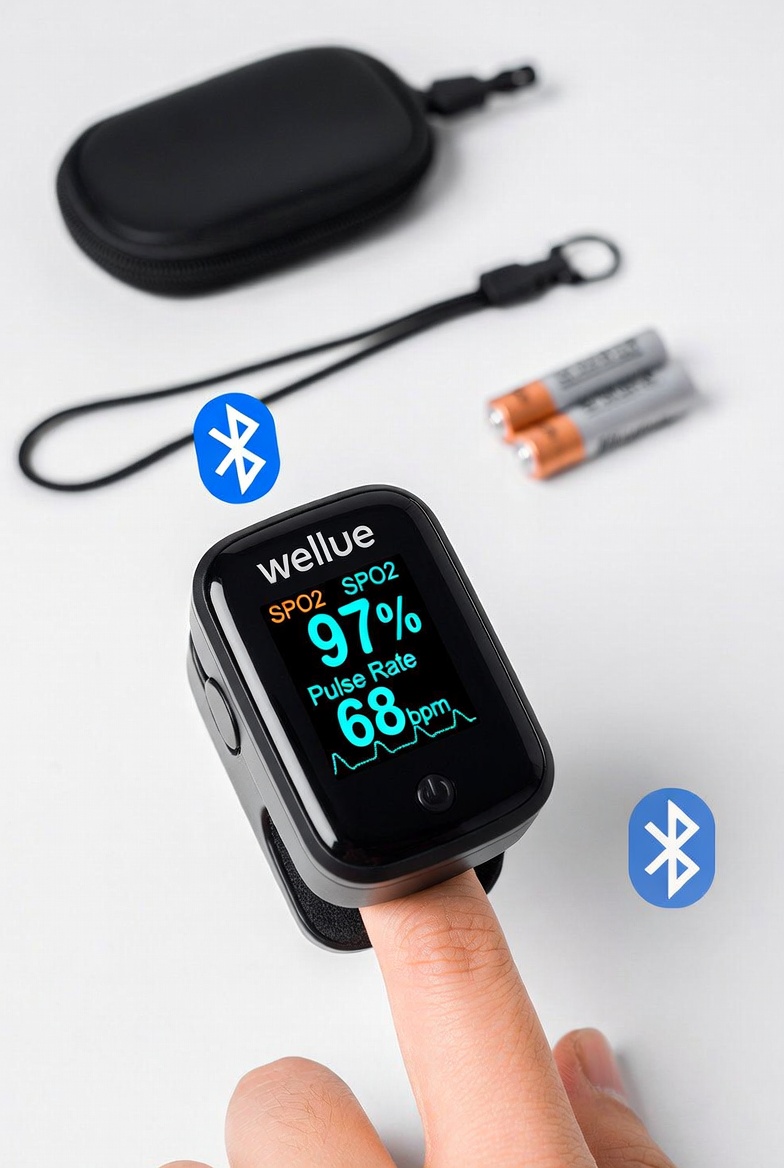
| Pulse Oximetry | A small sensor placed on a finger measures blood oxygen saturation. It may be used when a person has shortness of breath or is at risk of respiratory complications. |
| Chest X-ray or CT Scan | Imaging is not routinely required to diagnose uncomplicated COVID-19. It may be used when pneumonia, significant lung involvement, or another complication is suspected. |
COVID-19 Testing
The two main types of tests used to detect current COVID-19 infection are antigen tests and molecular tests. Antigen tests are generally faster, while molecular tests are generally more sensitive.
- Antigen tests: provide rapid results and can be useful for detecting active infection.
- Molecular tests: detect viral genetic material and are generally more sensitive.
- Repeated testing: may sometimes be recommended after a negative antigen test when COVID-19 is still suspected.
A Negative Antigen Test Does Not Always Rule Out COVID-19
Antigen tests can sometimes produce false-negative results, particularly early in infection. If symptoms are present and COVID-19 is still suspected, a healthcare professional may recommend repeating the test or using a molecular test.
When Should You Get Tested?
Testing can be useful when you have symptoms of COVID-19, have had a known exposure, or need to determine whether an illness is caused by SARS-CoV-2 rather than another respiratory infection.
- Fever or chills.
- Cough or sore throat.
- New or worsening fatigue.
- Headache or body aches.
- Runny or blocked nose.
- Shortness of breath.
- Loss or change of taste or smell.
- Recent close contact with someone who has COVID-19.
- Before or after certain situations where knowing infection status is important.
COVID-19 vs. Flu and Other Respiratory Infections
COVID-19, influenza, RSV, and other respiratory infections can cause similar symptoms. Fever, cough, fatigue, sore throat, headache, and body aches can occur with several different infections.
Because symptoms alone cannot reliably distinguish COVID-19 from influenza or other respiratory infections, testing may be necessary when the diagnosis will influence treatment or medical decisions.
High-Risk People May Need Prompt Testing
If you are older, immunocompromised, pregnant, or have conditions such as COPD, asthma, heart disease, diabetes, or other factors that increase the risk of severe COVID-19, contact a healthcare professional promptly when symptoms develop. Early diagnosis may allow antiviral treatment to be considered.
Additional Tests for Severe COVID-19
People with severe illness may require additional testing to determine how the infection is affecting the body or whether complications have developed. Depending on the person's condition, doctors may order:
- Blood oxygen measurement.
- Complete blood count and other blood tests.
- Blood chemistry tests.
- Chest X-ray.
- CT scan of the chest when clinically indicated.
- Tests for other respiratory infections.
- Additional tests to investigate complications affecting other organs.
Seek Emergency Care If You Have:
- Severe difficulty breathing or rapidly worsening shortness of breath.
- Persistent chest pain or pressure.
- New confusion or inability to stay awake.
- Blue, gray, or unusually pale lips, face, or skin.
- Loss of consciousness.
- Severe weakness or sudden deterioration.
If you develop symptoms consistent with COVID-19, testing can help determine whether SARS-CoV-2 is the cause. People at higher risk of severe disease should seek medical advice early because some antiviral treatments work best when started soon after symptoms begin.
Treatment
Treatment for COVID-19 depends on the severity of the illness and the person's age, overall health, vaccination status, and risk of complications. Most people with mild COVID-19 recover at home with rest, adequate fluids, and treatment to relieve symptoms. People at higher risk of severe disease may benefit from prescription antiviral treatment, which should be started as early as possible when appropriate.
Common Treatments for COVID-19
| Treatment | Purpose |
|---|---|
| Rest | Adequate rest can help the body recover and reduce physical strain while symptoms are present. |
| Fluids | Drinking enough fluids helps prevent dehydration, particularly when fever, sweating, vomiting, or diarrhea occurs. |
| Fever and Pain Relief | Appropriate medicines such as acetaminophen (paracetamol) or ibuprofen may help relieve fever, headache, and body aches when medically suitable. |
| Antiviral Medicines | Prescription antiviral medicines can reduce the risk of severe COVID-19, hospitalization, and death in eligible high-risk people when started early. |
| Oxygen Therapy | People who develop low blood oxygen levels may require supplemental oxygen under medical supervision. |
| Hospital Treatment | Severe COVID-19 may require hospitalization for oxygen therapy, monitoring, medicines, and treatment of complications. |
| Advanced Respiratory Support | People with severe respiratory failure may require high-flow oxygen, non-invasive ventilation, or mechanical ventilation depending on the severity of illness. |
Antiviral Treatment
Antiviral medicines are primarily used for people who have a higher risk of developing severe COVID-19. Treatment is most effective when started early after symptoms begin.
Depending on eligibility, medical history, drug interactions, kidney or liver function, and local treatment recommendations, a healthcare professional may consider antiviral medicines such as nirmatrelvir with ritonavir (Paxlovid), remdesivir, or other authorized options.
Early Treatment Matters
If you are at increased risk of severe COVID-19 and develop symptoms, contact a healthcare professional promptly. Some antiviral treatments need to be started within the first few days of illness to provide the greatest benefit.
Home Care for Mild COVID-19
- Get plenty of rest and sleep.
- Drink adequate fluids to prevent dehydration.
- Use appropriate fever or pain medicine when needed.
- Follow the dosage instructions for all medicines.
- Monitor your symptoms and breathing.
- Stay home and reduce close contact with others while sick.
- Improve ventilation in shared indoor spaces.
- Follow current public-health and healthcare advice about returning to normal activities.
People With Chronic Lung Disease
COVID-19 can worsen asthma, COPD, emphysema, pulmonary fibrosis, and other chronic respiratory conditions. Continue prescribed respiratory medicines unless your healthcare professional advises otherwise and seek medical advice if coughing, wheezing, mucus production, or shortness of breath becomes worse than usual.
Do Not Use Antibiotics Without Medical Advice
COVID-19 is caused by a virus, so antibiotics do not treat the SARS-CoV-2 infection itself. Antibiotics may be prescribed when a bacterial infection is suspected or confirmed.
Treatment for Severe COVID-19
People with severe COVID-19 may need hospital treatment. Medical teams may monitor oxygen levels, breathing, blood tests, and organ function while treating the infection and any complications.
Depending on the clinical situation, hospital treatment may include supplemental oxygen, corticosteroids for patients who require oxygen, other immune-modulating medicines, antiviral treatment when appropriate, and treatment for complications such as pneumonia, blood clots, or secondary infections.
COVID-19 Treatment for High-Risk People
People at higher risk of severe disease should seek medical advice early, even when symptoms initially appear mild. Risk can be increased by older age, certain chronic medical conditions, pregnancy, and weakened immunity.
- Older adults.
- People with chronic lung disease.
- People with heart disease.
- People with diabetes.
- People with weakened immune systems.
- People with chronic kidney or liver disease.
- People with certain cancers.
- Pregnant people.
- People with other conditions associated with severe COVID-19.
Seek Emergency Medical Care If You Have:
- Severe or rapidly worsening difficulty breathing.
- Persistent chest pain or pressure.
- New confusion or inability to stay awake.
- Blue, gray, or unusually pale lips, face, or skin.
- Loss of consciousness.
- Severe weakness or sudden deterioration.
Recovery and Follow-Up
Most people with mild COVID-19 recover without hospital treatment. However, fatigue, cough, shortness of breath, changes in taste or smell, and other symptoms can sometimes continue after the initial infection.
If symptoms persist, worsen, or interfere with daily activities, speak with a healthcare professional. People with ongoing symptoms after COVID-19 may need evaluation for post-COVID-19 condition (Long COVID) or other causes.
Treatment should be individualized by a qualified healthcare professional, particularly for people taking other medicines or those with chronic medical conditions, because some COVID-19 treatments can have important drug interactions or other restrictions.
Need Expert Medical Guidance?
Schedule a direct consultation with Dr. Nabila Zaheer for a personalized care plan.
Prevention
Preventing COVID-19 focuses on reducing exposure to SARS-CoV-2 and lowering the risk of severe illness. Vaccination, good indoor ventilation, staying away from others when sick, respiratory hygiene, and appropriate use of masks can provide layers of protection.
Ways to Prevent COVID-19
| Prevention Strategy | How It Helps |
|---|---|
| Stay Up to Date With COVID-19 Vaccination | Recommended vaccination helps reduce the risk of severe COVID-19, hospitalization, and death. Protection against infection can vary over time and with circulating variants. |
| Improve Indoor Ventilation | Opening windows, using appropriate air filtration, and increasing fresh-air circulation can reduce the concentration of infectious respiratory particles indoors. |
| Avoid Close Contact With Sick People | Reducing close and prolonged contact with people who have respiratory symptoms can lower exposure to SARS-CoV-2. |
| Stay Home When Sick | Staying away from others when experiencing respiratory symptoms helps reduce the chance of passing the virus to family members, coworkers, and other people. |
| Wear a Well-Fitting Mask When Appropriate | A well-fitting mask can provide an additional layer of protection, particularly in crowded indoor environments, during periods of increased respiratory virus activity, or when caring for someone who is sick. |
| Practice Good Respiratory Hygiene | Covering coughs and sneezes with a tissue or elbow helps reduce the spread of respiratory particles. |
| Wash Your Hands Regularly | Regular handwashing helps remove germs that may be transferred from contaminated surfaces to the face. |
| Avoid Touching Your Face | Reducing unnecessary touching of the eyes, nose, and mouth with unwashed hands can reduce exposure to respiratory viruses. |
| Consider Testing When Appropriate | Testing when symptoms develop or after certain exposures can help identify infection and guide precautions, particularly when protecting people at high risk is important. |
COVID-19 Vaccination
Vaccination is an important tool for reducing the risk of severe COVID-19. Recommendations can vary according to age, health conditions, previous vaccination, previous infection, and current public-health guidance.
People at higher risk of severe illness should discuss recommended COVID-19 vaccination with their healthcare professional and follow the vaccination schedule applicable to them.
Vaccination Does Not Provide Complete Protection Against Infection
COVID-19 vaccines are highly important for reducing severe outcomes, but they do not guarantee that infection will never occur. Protection against infection can decrease over time, while protection against severe disease can remain more durable.
Improve Indoor Air Quality
Because SARS-CoV-2 spreads mainly through respiratory particles, improving indoor air quality is an important prevention measure.
- Open windows when appropriate.
- Use ventilation systems correctly.
- Use high-efficiency air filtration when available and appropriate.
- Avoid prolonged stays in crowded, poorly ventilated rooms.
- Allow fresh air to circulate in shared indoor spaces.
Preventing COVID-19 When Someone Is Sick
- Stay home and limit close contact with others.
- Improve ventilation in shared indoor spaces.
- Wear a well-fitting mask when close contact cannot be avoided.
- Cover coughs and sneezes.
- Wash hands regularly.
- Avoid sharing personal items when practical.
- Follow current local health guidance regarding returning to normal activities.
Protect People at Higher Risk
Extra precautions can be particularly important around older adults, people with weakened immune systems, pregnant people, and people with chronic conditions such as COPD, asthma, heart disease, or diabetes.
Prevention for People With Chronic Lung Disease
People with COPD, emphysema, asthma, pulmonary fibrosis, and other chronic respiratory conditions should take additional care to reduce exposure to respiratory infections. COVID-19 can worsen underlying lung disease and may cause more serious respiratory complications.
- Follow recommended COVID-19 vaccination guidance.
- Continue prescribed respiratory medicines as directed.
- Avoid tobacco smoke and secondhand smoke.
- Improve ventilation at home and work.
- Avoid close contact with people who are actively ill.
- Seek medical advice early if COVID-19 symptoms develop.
What to Do After a Known Exposure
If you have been exposed to someone with COVID-19, monitor yourself for symptoms and follow current public-health recommendations regarding testing, masking, and reducing contact with people at higher risk.
If symptoms develop, consider testing and contact a healthcare professional promptly if you are at increased risk of severe disease because early treatment may be available.
Use Multiple Layers of Protection
No single prevention measure completely eliminates the risk of COVID-19. Combining vaccination, good ventilation, appropriate masking, respiratory hygiene, and staying home when sick provides multiple layers of protection.
Prevention recommendations can change as SARS-CoV-2 variants, vaccines, and public-health guidance evolve. Follow current recommendations from your healthcare professional and local public-health authorities.
Complications
Most people with COVID-19 experience mild or moderate illness and recover without serious complications. However, some people can develop severe disease or complications affecting the lungs, heart, blood vessels, brain, kidneys, or other organs. The risk is higher in older adults and people with certain underlying medical conditions.
Possible Complications of COVID-19
| Complication | Description |
|---|---|
| Pneumonia | COVID-19 can cause inflammation and infection in the lungs, leading to cough, fever, chest discomfort, and difficulty breathing. |
| Acute Respiratory Distress Syndrome (ARDS) | Severe lung inflammation can cause significant difficulty breathing and dangerously low blood oxygen levels, sometimes requiring intensive respiratory support. |
| Respiratory Failure | Severe COVID-19 can prevent the lungs from providing enough oxygen to the body and may require supplemental oxygen or mechanical ventilation. |
| Blood Clots | COVID-19 can increase inflammation and affect blood clotting, increasing the risk of blood clots in the legs or lungs. |
| Pulmonary Embolism | A blood clot can travel to the lungs and block a pulmonary artery, potentially causing sudden shortness of breath, chest pain, or low oxygen levels. |
| Heart Complications | COVID-19 can affect the cardiovascular system and may contribute to inflammation of the heart muscle, abnormal heart rhythms, heart failure, or worsening of existing cardiovascular disease. |
| Kidney Injury | Severe COVID-19 can affect kidney function, particularly in people who are critically ill or already have kidney disease. |
| Neurological Complications | Some people can experience neurological problems such as headaches, dizziness, confusion, changes in concentration, or other nervous-system symptoms. |
| Secondary Infections | Severe illness or a weakened immune system can increase susceptibility to additional bacterial or fungal infections. |
| Sepsis | Severe infection can trigger a dangerous systemic response that may lead to organ dysfunction and require emergency treatment. |
| Multiorgan Effects | Severe COVID-19 can affect several organs at the same time, particularly in critically ill patients. |
| Worsening of Existing Conditions | COVID-19 can worsen underlying conditions such as COPD, asthma, heart disease, diabetes, and kidney disease. |
Long COVID
Some people continue to experience symptoms or develop new health problems after the initial COVID-19 infection. This is commonly referred to as Long COVID or post-COVID-19 condition.
Possible persistent symptoms include:
- Persistent fatigue.
- Shortness of breath.
- Persistent cough.
- Chest discomfort.
- Headaches.
- Problems with memory or concentration.
- Sleep problems.
- Muscle or joint pain.
- Changes in taste or smell.
- Symptoms that worsen after physical or mental activity.
Long COVID Can Occur After Mild Illness
Persistent symptoms are not limited to people who were hospitalized. Some people can develop ongoing symptoms after an initially mild COVID-19 infection.
People at Higher Risk of Complications
- Older adults.
- People with chronic lung diseases such as COPD, emphysema, or pulmonary fibrosis.
- People with significant heart disease.
- People with diabetes.
- People with weakened immune systems.
- People with chronic kidney or liver disease.
- People with certain cancers.
- Pregnant people.
- People with severe obesity.
- People with other conditions associated with severe COVID-19.
People With Chronic Lung Disease
COVID-19 can worsen asthma, COPD, emphysema, pulmonary fibrosis, and other chronic respiratory conditions. New or worsening shortness of breath, wheezing, chest discomfort, or reduced exercise tolerance should be medically evaluated.
Emergency Warning Signs
Seek emergency medical care immediately if you develop:
- Severe or rapidly worsening difficulty breathing.
- Persistent chest pain or pressure.
- New confusion or difficulty staying awake.
- Blue, gray, or unusually pale lips, face, or skin.
- Loss of consciousness.
- Severe weakness or sudden deterioration.
- Any other severe or rapidly worsening symptoms.
Reducing the Risk of Complications
- Follow current COVID-19 vaccination recommendations.
- Seek medical advice early if you are at high risk of severe disease.
- Follow prescribed treatment and medication instructions.
- Manage chronic conditions such as asthma, COPD, diabetes, and heart disease.
- Avoid smoking and secondhand smoke.
- Reduce exposure to respiratory infections through appropriate prevention measures.
- Seek medical attention if symptoms become significantly worse.
Most people recover from COVID-19 without serious complications. However, severe or worsening symptoms should not be ignored, particularly in people at increased risk. Early medical assessment can help identify complications and determine whether additional treatment is needed.
When to See a Doctor
Most people with mild COVID-19 can recover at home with rest, fluids, and appropriate symptom management. However, medical advice is recommended when symptoms are severe, worsening, persistent, or when the person has a higher risk of developing complications.
Contact a Doctor If You:
- Have symptoms that are becoming worse rather than improving.
- Develop persistent or worsening fever.
- Have increasing cough, wheezing, or chest discomfort.
- Develop new or worsening shortness of breath.
- Have difficulty maintaining adequate fluid intake.
- Experience persistent vomiting or diarrhea.
- Have significant weakness, dizziness, or symptoms of dehydration.
- Have symptoms that initially improve and then suddenly become worse.
- Have persistent symptoms that interfere with normal daily activities.
Seek Medical Advice Early If You Are at Higher Risk
People at increased risk of severe COVID-19 should contact a healthcare professional promptly after developing symptoms. Some antiviral treatments are most effective when started early in the illness.
- Adults aged 65 years and older.
- People with chronic lung diseases such as COPD, emphysema, asthma, or pulmonary fibrosis.
- People with significant heart disease.
- People with diabetes.
- People with weakened immune systems.
- People with chronic kidney or liver disease.
- People with certain cancers.
- Pregnant people.
- People with severe obesity or other conditions associated with severe COVID-19.
Early Treatment Can Be Important
If you are at high risk of severe COVID-19, do not wait for symptoms to become severe before contacting a healthcare professional. Depending on your individual risk factors and timing, antiviral treatment may be appropriate and generally provides the greatest benefit when started early.
Seek Emergency Medical Care Immediately If You:
- Have severe or rapidly worsening difficulty breathing.
- Have persistent chest pain or pressure.
- Develop new confusion or cannot stay awake.
- Have blue, gray, or unusually pale lips, face, or skin.
- Lose consciousness or faint.
- Develop severe weakness or a sudden significant deterioration.
- Have any other severe or rapidly worsening symptoms.
When People With Lung Disease Should Seek Care
People with COPD, asthma, emphysema, pulmonary fibrosis, and other chronic lung conditions should monitor their breathing carefully during COVID-19. Contact a healthcare professional if breathing becomes more difficult than usual or if there is a significant increase in coughing, wheezing, mucus production, or reduced ability to perform normal activities.
Do Not Ignore Worsening Breathing
Shortness of breath can be a sign that COVID-19 is affecting the lungs more seriously. Severe breathing difficulty or rapidly worsening respiratory symptoms require urgent medical evaluation.
When to Seek Care for Persistent Symptoms
Some people experience symptoms for weeks or longer after their initial COVID-19 infection. Persistent fatigue, shortness of breath, cough, chest discomfort, problems with concentration, or other symptoms that interfere with daily life should be discussed with a healthcare professional.
Medical evaluation can help determine whether symptoms are related to post-COVID-19 condition (Long COVID), an underlying medical condition, or another illness.
What to Do Before Your Appointment
- Note when your symptoms started.
- Record any changes in fever, breathing, cough, or other symptoms.
- Keep a list of your current medicines and medical conditions.
- Record the results and dates of any COVID-19 tests you have taken.
- Tell the healthcare professional if you have had recent contact with someone who had COVID-19.
- Tell them if you have received recent COVID-19 vaccination or had a previous infection.
Children and Older Adults
Children, older adults, and people with weakened immune systems may require closer monitoring. Seek medical advice if symptoms are worsening, fluid intake is poor, unusual sleepiness or confusion develops, or breathing becomes difficult.
In older adults, serious illness may sometimes present with unusual weakness, confusion, reduced appetite, or a general decline rather than typical respiratory symptoms.
When Home Care May Be Appropriate
If symptoms are mild, breathing is normal, fluids can be taken adequately, and symptoms are gradually improving, many people can recover at home while following appropriate infection-control measures and monitoring for worsening symptoms.
If you are unsure whether your symptoms require medical attention, especially if you have risk factors for severe COVID-19, contact a qualified healthcare professional for personalized advice.