Overview
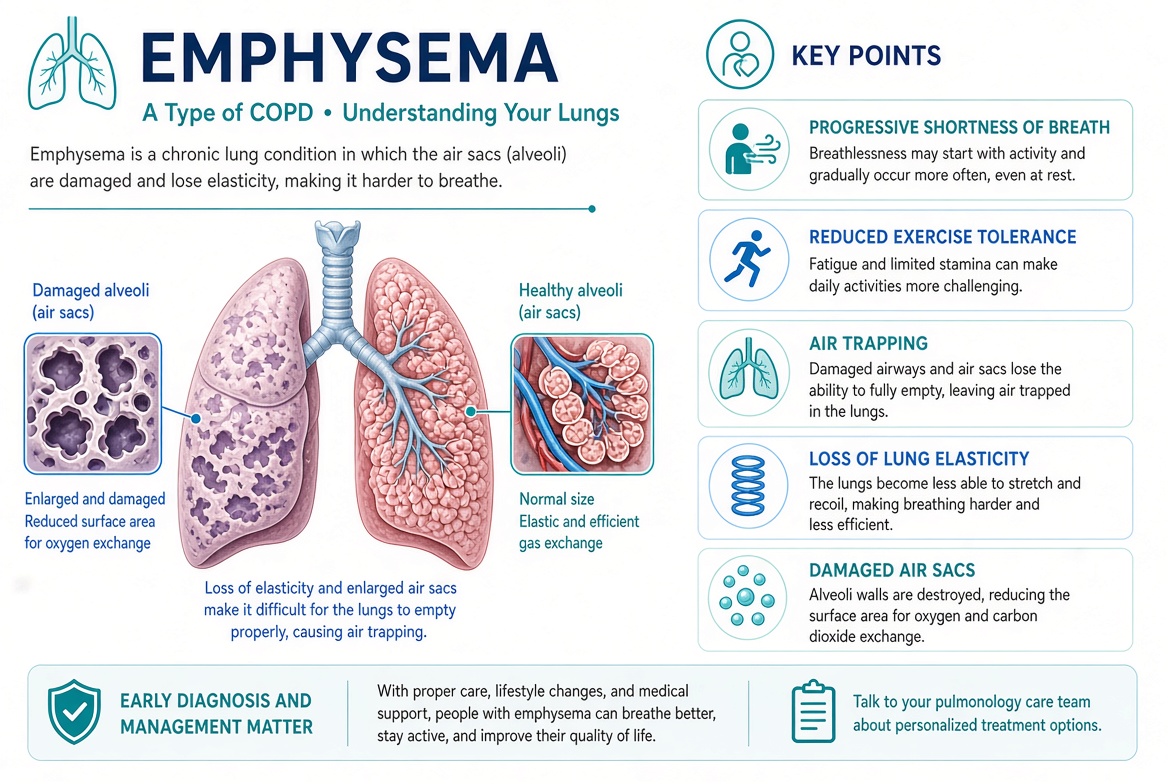
Emphysema is a long-term lung condition in which the walls of the air sacs (alveoli) become damaged and lose their normal elasticity. This reduces the surface area available for oxygen and carbon dioxide exchange and makes it harder to move air out of the lungs.
Emphysema is one of the main conditions that make up chronic obstructive pulmonary disease (COPD). It usually develops gradually and is most commonly associated with long-term cigarette smoking. Exposure to secondhand smoke, air pollution, workplace dust and chemical fumes can also contribute. In rare cases, an inherited condition called alpha-1 antitrypsin deficiency can cause emphysema, sometimes at a younger age.
As emphysema progresses, air can become trapped inside the lungs, causing increasing shortness of breath and reduced exercise capacity. Although the damage to the air sacs cannot usually be reversed, appropriate treatment can reduce symptoms, improve quality of life, and slow further lung damage.
Key Features of Emphysema
- Damage and destruction of the walls of the lung air sacs.
- Reduced elasticity of the lungs.
- Air trapping and difficulty fully exhaling.
- Progressive shortness of breath.
- Reduced ability to exercise or perform physical activities.
- Wheezing or persistent cough in some people.
- Possible development of low blood oxygen levels in advanced disease.
- Common association with COPD.
Emphysema Is a Form of COPD
Emphysema and chronic bronchitis are different patterns of lung damage, but both can occur as part of COPD. A person may have features of both conditions.
Smoking Is the Major Preventable Cause
Long-term cigarette smoking is the most important preventable cause of emphysema. Quitting smoking can reduce continued lung damage and slow the progression of COPD.
How Emphysema Affects the Lungs
Healthy alveoli are small, elastic air sacs that expand when you breathe in and recoil when you breathe out. In emphysema, the walls between some air sacs are damaged, creating larger but less effective air spaces. The damaged lungs also lose elasticity, making it difficult to completely exhale.
- Air sacs become damaged and lose their normal structure.
- The surface area available for gas exchange decreases.
- The lungs lose some of their natural elastic recoil.
- Air becomes trapped inside the lungs.
- Breathing becomes increasingly difficult, particularly during physical activity.
Seek Emergency Care for Severe Breathing Difficulty
Severe or rapidly worsening shortness of breath, blue or gray lips or fingertips, confusion, fainting, severe chest pain, or inability to speak normally because of breathlessness requires immediate medical attention.
Management and Outlook
Emphysema-related lung damage is generally permanent, but treatment can help control symptoms and prevent or slow further deterioration. Important measures include stopping smoking, avoiding respiratory irritants, using prescribed inhaled medicines, participating in pulmonary rehabilitation, maintaining appropriate physical activity, and receiving recommended vaccinations.
People with severe emphysema may require supplemental oxygen or other advanced treatments. In selected patients with advanced disease, procedures such as lung volume reduction or lung transplantation may be considered by specialist teams.
If you have persistent shortness of breath, a chronic cough, wheezing, or reduced exercise tolerance—especially if you smoke or have a history of significant exposure to respiratory irritants—consult a healthcare professional. Lung function testing and imaging can help determine whether emphysema or another lung condition is present.
Symptoms
Emphysema usually develops gradually, and symptoms may not be noticeable during the early stages. As lung damage progresses, breathing becomes more difficult because the lungs lose elasticity and air becomes trapped inside them. Shortness of breath is the most common symptom.
Symptoms can vary from person to person and may become more noticeable during physical activity. In advanced emphysema, breathing difficulty may occur even while resting.
Common Symptoms of Emphysema
| Symptom | Description |
|---|---|
| Shortness of Breath | The most common symptom. It often begins during exercise or physical activity and may gradually occur during everyday activities or at rest. |
| Chronic Cough | A persistent cough may occur, particularly when emphysema is present together with chronic bronchitis or another airway condition. |
| Wheezing | Narrowed airways and difficulty moving air out of the lungs can cause a whistling sound during breathing. |
| Chest Tightness | Some people experience pressure, tightness, or discomfort in the chest, particularly when breathing becomes difficult. |
| Reduced Exercise Tolerance | Activities such as walking, climbing stairs, or exercising may become increasingly difficult because of breathlessness. |
| Fatigue | The increased effort required to breathe can contribute to tiredness and reduced energy. |
| Mucus Production | Some people produce mucus, especially when emphysema occurs together with chronic bronchitis. |
| Unintentional Weight Loss | Advanced emphysema can increase the energy required for breathing and may be associated with reduced appetite and weight loss. |
| Barrel-Shaped Chest | Long-term air trapping can increase the front-to-back size of the chest, particularly in advanced disease. |
| Blue or Gray Lips or Fingertips | Severe or advanced lung disease can cause low blood oxygen levels, which may result in a bluish or grayish color of the lips or fingertips. |
Early Symptoms
Emphysema can develop silently for years. Early symptoms may be mild and can sometimes be mistaken for normal aging or reduced fitness.
- Mild shortness of breath during exercise.
- Reduced stamina during physical activity.
- Occasional cough or wheezing.
- Feeling unusually tired after physical activity.
- Gradual difficulty keeping up with normal activities.
Advanced Symptoms
As emphysema progresses, breathing difficulties may become more persistent and can interfere with everyday activities.
- Shortness of breath with minimal activity or at rest.
- Persistent wheezing or coughing.
- Difficulty walking or climbing stairs.
- Frequent respiratory infections or COPD flare-ups.
- Significant fatigue and weakness.
- Unintentional weight loss.
- Low blood oxygen levels.
- Swelling of the legs or ankles in some people with advanced disease and related heart problems.
Shortness of Breath Can Progress Gradually
Many people with emphysema gradually reduce their physical activity to avoid becoming breathless. This can make the decline difficult to notice. A gradual reduction in exercise ability or increasing breathlessness should be medically evaluated.
Symptoms May Suddenly Become Worse
Respiratory infections, smoking, air pollution, and other irritants can trigger COPD exacerbations, causing a sudden increase in coughing, wheezing, mucus production, and shortness of breath.
Seek Emergency Care for Severe Symptoms
- Severe or rapidly worsening difficulty breathing.
- Blue or gray lips, face, or fingertips.
- Confusion or unusual drowsiness.
- Fainting or loss of consciousness.
- Severe or persistent chest pain.
- Inability to speak normally because of breathlessness.
If you have persistent shortness of breath, chronic cough, wheezing, or a noticeable decline in exercise tolerance, particularly if you smoke or have a history of significant exposure to lung irritants, consult a healthcare professional. Spirometry and chest imaging can help evaluate for emphysema and other lung conditions.
Causes
Emphysema develops when long-term exposure to harmful substances damages the walls of the tiny air sacs (alveoli) in the lungs. The damaged air sacs lose their elasticity and may merge into larger, less efficient air spaces. This reduces the surface area available for gas exchange and makes it harder to fully exhale.
Long-term cigarette smoking is the most common cause of emphysema. However, other forms of tobacco smoke, air pollution, workplace exposure to dust and chemicals, and certain inherited conditions can also increase the risk.
Common Causes of Emphysema
| Cause | Description |
|---|---|
| Cigarette Smoking | Long-term cigarette smoking is the leading cause of emphysema. Tobacco smoke contains substances that cause chronic inflammation and damage the lung's air sacs and supporting tissues. |
| Other Tobacco Smoke | Long-term use of cigars, pipes, and other smoked tobacco products can expose the lungs to harmful chemicals and increase the risk of emphysema. |
| Secondhand Smoke | Prolonged exposure to tobacco smoke from other people can contribute to chronic airway and lung damage. |
| Air Pollution | Long-term exposure to polluted air and fine particles can contribute to inflammation and damage in the respiratory system, particularly when combined with smoking or other risk factors. |
| Workplace Dust | Repeated exposure to dust from mining, construction, agriculture, manufacturing, and other occupations can contribute to chronic lung irritation and damage. |
| Chemical Fumes and Vapors | Long-term exposure to industrial chemicals, solvents, fumes, and vapors can damage the lungs and increase the risk of chronic respiratory disease. |
| Indoor Air Pollution | Long-term exposure to smoke and fumes from cooking or heating fuels, especially in poorly ventilated areas, can contribute to chronic lung damage. |
| Alpha-1 Antitrypsin Deficiency | This is a rare inherited condition in which the body has insufficient alpha-1 antitrypsin, a protein that helps protect lung tissue. It can cause emphysema, sometimes at a younger age and even in people who have never smoked. |
How Smoking Damages the Lungs
- Tobacco smoke causes persistent inflammation in the lungs.
- Inflammatory processes can damage the walls of the alveoli.
- The lungs gradually lose their normal elastic recoil.
- Damaged air sacs can merge into larger spaces with less effective surface area.
- Air becomes trapped inside the lungs, making it harder to breathe out.
- Over time, airflow limitation and shortness of breath can develop.
Smoking Is the Leading Preventable Cause
Most cases of emphysema are related to long-term tobacco smoke exposure. Quitting smoking is the most important step for preventing further smoking-related lung damage.
Inherited Emphysema Can Occur
Alpha-1 antitrypsin deficiency can cause emphysema at a younger age than is typical. Testing may be considered in people with emphysema at a young age, a strong family history, or emphysema occurring without significant smoking exposure.
Reducing Exposure Protects Lung Health
Avoiding smoking and secondhand smoke, reducing exposure to workplace dust and chemical fumes, and improving indoor air quality can help reduce ongoing lung injury.
If you have persistent shortness of breath, chronic cough, wheezing, or reduced exercise tolerance, particularly if you have a history of smoking or occupational exposure to respiratory irritants, consult a healthcare professional. Lung function testing and imaging can help determine whether emphysema or another lung condition is present.
Risk Factors
Several factors can increase the likelihood of developing emphysema. The most important risk factor is long-term exposure to tobacco smoke, but environmental and occupational exposures, age, genetics, and certain respiratory conditions can also contribute to lung damage.
Having a risk factor does not necessarily mean that a person will develop emphysema. However, reducing avoidable exposures and addressing modifiable risks can help protect lung function.
Common Risk Factors for Emphysema
| Risk Factor | How It Increases Risk |
|---|---|
| Long-Term Cigarette Smoking | The strongest risk factor for emphysema. Tobacco smoke causes chronic inflammation and progressive damage to the alveoli and other lung structures. |
| Secondhand Smoke | Long-term exposure to tobacco smoke from other people can contribute to chronic lung irritation and increase the risk of respiratory disease. |
| Other Tobacco Products | Long-term exposure to smoke from cigars, pipes, and other smoked tobacco products can damage lung tissue and increase risk. |
| Air Pollution | Long-term exposure to outdoor air pollution and fine particulate matter can contribute to chronic inflammation and lung damage. |
| Workplace Dust and Chemicals | Repeated exposure to dust, fumes, vapors, and chemical substances in certain occupations can increase the risk of chronic lung disease. |
| Indoor Air Pollution | Long-term exposure to smoke and fumes from cooking or heating fuels, especially in poorly ventilated environments, can damage the respiratory system. |
| Increasing Age | The risk generally increases with age because lung damage can accumulate over many years of exposure to tobacco smoke and other harmful substances. |
| Alpha-1 Antitrypsin Deficiency | This inherited condition reduces a protein that protects lung tissue and can cause emphysema at a younger age, particularly in people who smoke. |
| History of Childhood Respiratory Problems | Some early-life factors, including impaired lung development or repeated serious respiratory problems, may increase susceptibility to chronic airflow limitation later in life. |
| Asthma | Long-standing or poorly controlled asthma may contribute to persistent airflow limitation in some people and can increase the risk of chronic respiratory impairment. |
| Family History of Lung Disease | A family history of COPD or inherited lung disorders may indicate increased genetic susceptibility to emphysema. |
People at Higher Risk
- Current or former long-term smokers.
- People with prolonged exposure to secondhand smoke.
- Workers exposed to dust, fumes, vapors, or industrial chemicals.
- People living in areas with significant air pollution.
- Individuals exposed to indoor smoke from cooking or heating fuels.
- People with a family history of COPD or inherited lung disease.
- Individuals with alpha-1 antitrypsin deficiency.
- People with long-standing respiratory conditions such as asthma.
- Older adults with a history of significant tobacco or environmental exposure.
Smoking Is the Most Important Modifiable Risk Factor
Quitting smoking is the most effective way for people who smoke to reduce ongoing lung damage. Smoking cessation is beneficial even after many years of tobacco exposure.
Occupational Exposure Can Increase Risk
If your work involves dust, chemical fumes, smoke, or other airborne irritants, use appropriate protective equipment and follow workplace safety and ventilation procedures.
Some Risk Factors Can Be Reduced
Avoiding tobacco smoke, reducing exposure to air pollution and workplace irritants, improving indoor ventilation, and managing existing respiratory conditions can help protect long-term lung health.
If you have significant risk factors and develop persistent shortness of breath, chronic cough, wheezing, or reduced exercise tolerance, speak with a healthcare professional. Spirometry and other tests can help evaluate lung function and identify emphysema or COPD.
Diagnosis
Emphysema is diagnosed using a combination of medical history, symptom assessment, physical examination, lung function testing, and imaging studies. Because emphysema is one of the main conditions associated with chronic obstructive pulmonary disease (COPD), doctors also assess the severity of airflow limitation and look for other possible causes of breathing problems.
A healthcare professional may ask about smoking history, exposure to secondhand smoke, workplace dust or chemical fumes, air pollution, family history of lung disease, and the progression of symptoms such as shortness of breath and reduced exercise tolerance.
Tests Used to Diagnose Emphysema
| Test or Examination | Purpose |
|---|---|
| Medical History | The doctor reviews symptoms, smoking history, occupational exposures, family history, previous respiratory conditions, and how breathing problems affect daily activities. |
| Physical Examination | The healthcare professional listens to the lungs, assesses breathing patterns, checks oxygen levels, and looks for physical signs associated with chronic lung disease. |
| Spirometry | A key lung function test that measures how much air you can breathe out and how quickly you can exhale. It helps identify persistent airflow obstruction associated with COPD. |
| Chest X-ray | A chest X-ray can show changes associated with advanced emphysema and can also help rule out other causes of cough or breathlessness, such as pneumonia, heart problems, or certain lung masses. |
| Chest CT Scan | CT imaging provides detailed pictures of the lungs and can identify areas of damaged lung tissue, air trapping, bullae, and other structural changes associated with emphysema. |
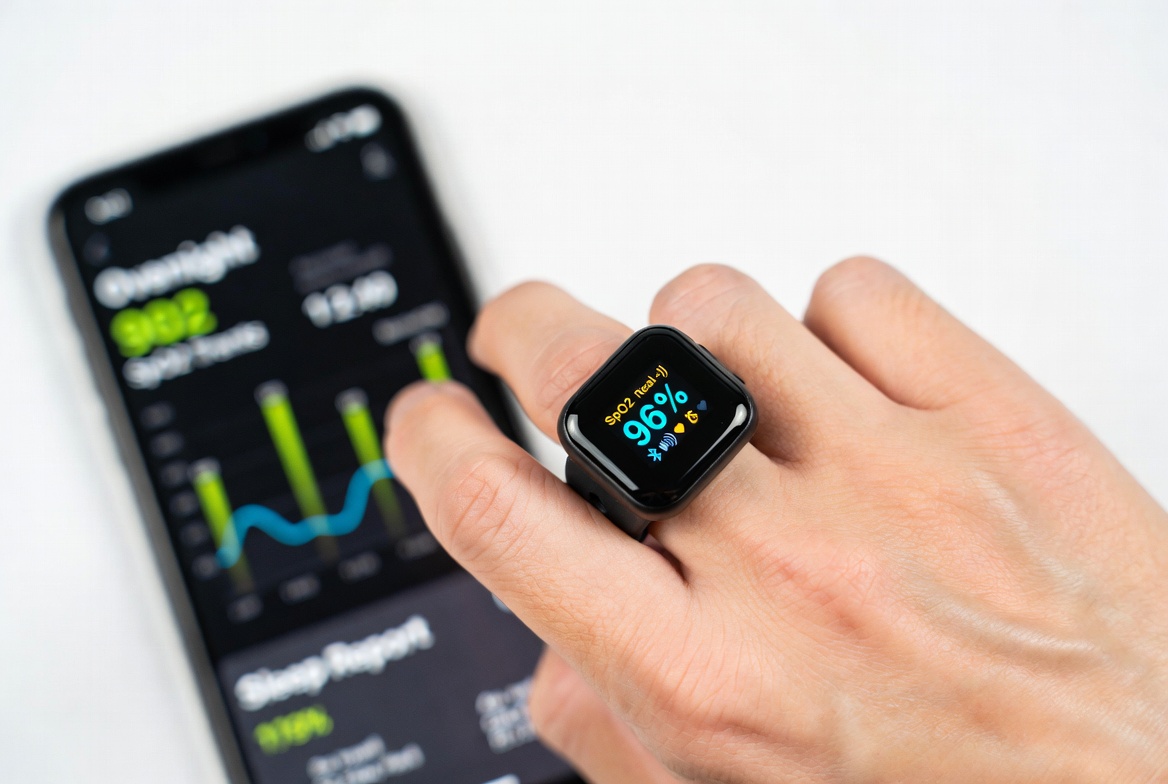
| Pulse Oximetry | A small sensor placed on the finger estimates blood oxygen saturation and helps assess whether oxygen levels are reduced. |
| Arterial Blood Gas (ABG) | This blood test directly measures oxygen and carbon dioxide levels and may be used when severe or advanced respiratory impairment is suspected. |
| Lung Volume Testing | Additional pulmonary function tests can measure lung volumes and help identify air trapping and hyperinflation that may occur with emphysema. |
| Diffusing Capacity Test (DLCO) | This test measures how effectively gases move from the lungs into the bloodstream. It can help assess impaired gas exchange associated with emphysema. |
| Alpha-1 Antitrypsin Testing | A blood test may be recommended to identify inherited alpha-1 antitrypsin deficiency, particularly in people with emphysema at a younger age or with a relevant family history. |
| Exercise Testing | Walking or other controlled exercise tests can assess exercise tolerance, changes in oxygen levels, and how significantly breathing problems affect physical activity. |
Why Spirometry Is Important
Spirometry is central to evaluating COPD because it measures airflow limitation. It can help determine whether symptoms such as breathlessness and chronic cough are associated with persistent airway obstruction. Other pulmonary function tests may provide additional information about lung volumes and gas exchange.
Role of CT Imaging
A CT scan can provide detailed information about the structure of the lungs and may show the distribution and extent of emphysema. It can also identify other abnormalities that may contribute to breathing symptoms. CT imaging is particularly useful when more detailed assessment is needed or when specialized treatment is being considered.
Conditions That May Need to Be Ruled Out
- Asthma: Can cause wheezing, cough, and shortness of breath and may have variable airflow limitation.
- Chronic Bronchitis: Can occur together with emphysema and commonly causes persistent cough and mucus production.
- Pneumonia: May cause cough, fever, chest discomfort, and breathing difficulty.
- Heart Failure: Can cause shortness of breath, fatigue, and fluid-related breathing problems.
- Bronchiectasis: Can cause chronic cough and substantial mucus production.
- Lung Cancer: Persistent or changing respiratory symptoms, especially in smokers, may require evaluation for lung cancer.
- Interstitial Lung Disease: Can cause progressive shortness of breath and reduced exercise tolerance.
Spirometry Helps Assess Airflow
Spirometry provides objective information about how well air moves out of the lungs. Your healthcare professional may combine spirometry with other pulmonary function tests and imaging to understand the type and severity of lung disease.
CT Can Show the Extent of Emphysema
A CT scan can show structural damage that may not be fully visible on a standard chest X-ray. It may help doctors determine the distribution and severity of emphysema and identify other lung abnormalities.
Seek Urgent Evaluation for Severe Symptoms
Severe or rapidly worsening shortness of breath, blue or gray lips or fingertips, confusion, fainting, severe chest pain, or inability to speak normally because of breathlessness requires immediate medical attention.
If you have persistent shortness of breath, chronic cough, wheezing, or reduced exercise tolerance—especially if you have a history of smoking or significant exposure to respiratory irritants—consult a healthcare professional. Early evaluation can help identify emphysema or COPD and guide appropriate treatment.
Treatment
Treatment for emphysema focuses on reducing symptoms, improving breathing and exercise ability, preventing flare-ups, and slowing further lung damage. Emphysema-related damage to the air sacs is generally permanent, but appropriate treatment can significantly improve quality of life and help people remain active.
The treatment plan depends on the severity of emphysema, lung function, symptoms, frequency of exacerbations, oxygen levels, smoking history, and other health conditions. A healthcare professional may combine lifestyle changes, inhaled medicines, pulmonary rehabilitation, oxygen therapy, and, in selected severe cases, procedures or surgery.
Common Treatments for Emphysema
| Treatment | Purpose |
|---|---|
| Smoking Cessation | Stopping smoking is the most important step for people who smoke. It reduces continued exposure to lung-damaging substances and can slow the decline in lung function. |
| Bronchodilator Inhalers | These medicines relax the muscles around the airways, helping improve airflow and reduce symptoms such as breathlessness and wheezing. They may be short-acting or long-acting. |
| Inhaled Corticosteroids | These medicines reduce airway inflammation and may be prescribed for selected people with COPD, particularly those with frequent exacerbations or certain clinical features. They are not appropriate for everyone with emphysema. |
| Combination Inhalers | Some inhalers combine two or more medicines, such as long-acting bronchodilators and, when appropriate, an inhaled corticosteroid, to improve symptom control and reduce exacerbations. |
| Pulmonary Rehabilitation | A structured program involving exercise training, breathing techniques, education, and nutritional or psychological support. It can improve exercise capacity, reduce breathlessness, and improve quality of life. |
| Oxygen Therapy | Supplemental oxygen may be prescribed for people with significantly low blood oxygen levels. It should only be used after appropriate medical assessment. |
| Vaccinations | Recommended vaccinations, including influenza, COVID-19, pneumococcal, and other age- or risk-appropriate vaccines, can help reduce respiratory infections and complications. |
| Airway and Breathing Techniques | Techniques such as pursed-lip breathing and controlled breathing can help some people manage breathlessness and improve breathing efficiency. |
| Nutrition and Physical Activity | Maintaining adequate nutrition and appropriate physical activity can help preserve muscle strength, exercise capacity, and overall health. |
| Lung Volume Reduction Procedures | Selected people with severe emphysema may benefit from surgical or bronchoscopic procedures that reduce the volume of severely damaged lung areas and allow healthier lung tissue to work more efficiently. |
| Bullectomy | In carefully selected patients with large air-filled spaces called bullae that significantly affect breathing, surgery may be considered to remove them. |
| Lung Transplantation | For a small number of people with very advanced emphysema and severe lung impairment, lung transplantation may be considered after specialist evaluation. |
Lifestyle Measures
- Stop smoking and avoid secondhand smoke.
- Avoid dust, chemical fumes, smoke, and other respiratory irritants.
- Stay physically active within your healthcare professional's recommendations.
- Participate in pulmonary rehabilitation when recommended.
- Learn and use prescribed inhalers with the correct technique.
- Maintain a healthy and adequate diet.
- Stay up to date with recommended vaccinations.
- Wash your hands regularly and reduce exposure to people with respiratory infections.
- Follow your COPD action plan if you have one.
Smoking Cessation Is Essential
For people who smoke, quitting is the most effective way to reduce continued exposure to lung-damaging substances and slow further progression of smoking-related emphysema. Benefits can occur even after many years of smoking.
Inhalers Must Be Used Correctly
Inhaled medicines are most effective when the correct device and technique are used. Ask your healthcare professional to demonstrate the technique and check it periodically, especially if symptoms remain uncontrolled.
Severe Breathing Difficulty Requires Urgent Care
Seek emergency medical attention if you develop severe or rapidly worsening shortness of breath, blue or gray lips or fingertips, confusion, fainting, severe chest pain, or inability to speak normally because of breathlessness.
Long-Term Management
Emphysema requires ongoing management because the structural damage to the lungs cannot usually be reversed. Regular follow-up allows your healthcare professional to monitor lung function, symptoms, oxygen levels, medication effectiveness, and exacerbation risk.
People with severe emphysema may be evaluated by a specialist for advanced options such as lung volume reduction procedures, bullectomy, or lung transplantation. These treatments are appropriate only for carefully selected patients.
With appropriate treatment, smoking cessation, pulmonary rehabilitation, physical activity, and regular medical follow-up, many people with emphysema can reduce symptoms, improve exercise tolerance, and maintain a better quality of life.
Need Expert Medical Guidance?
Schedule a direct consultation with Dr. Nabila Zaheer for a personalized care plan.
Prevention
Emphysema is usually associated with long-term exposure to substances that damage the lungs, particularly cigarette smoke. Although existing damage to the air sacs cannot generally be reversed, many cases of emphysema can be prevented or its progression can be slowed by avoiding tobacco smoke, reducing exposure to harmful pollutants, and protecting overall lung health.
Ways to Help Prevent Emphysema
| Prevention Strategy | How It Helps |
|---|---|
| Do Not Smoke | Never starting smoking is the most effective way to prevent smoking-related emphysema and other chronic lung diseases. |
| Quit Smoking | Stopping smoking prevents continued exposure to tobacco smoke and can slow further lung damage and decline in lung function. |
| Avoid Secondhand Smoke | Reducing exposure to tobacco smoke from other people helps protect the lungs from harmful chemicals and chronic irritation. |
| Protect Yourself at Work | Use appropriate protective equipment and follow workplace safety procedures when working around dust, chemical fumes, vapors, smoke, or other airborne irritants. |
| Reduce Air Pollution Exposure | Limit exposure to heavy outdoor pollution, smoke, and fine particulate matter when possible, particularly if you already have respiratory symptoms. |
| Improve Indoor Air Quality | Good ventilation and reducing indoor smoke and fumes from cooking or heating fuels can help protect the lungs. |
| Prevent Respiratory Infections | Good hand hygiene, appropriate respiratory precautions, and recommended vaccinations can reduce infections that may cause serious complications in people with chronic lung disease. |
| Stay Up to Date With Vaccinations | Recommended vaccines, including influenza, COVID-19, and pneumococcal vaccination when appropriate, can reduce the risk of respiratory infections and complications. |
| Maintain Physical Activity | Regular physical activity supports cardiovascular and respiratory fitness and helps maintain muscle strength and exercise capacity. |
| Manage Existing Respiratory Conditions | Appropriate treatment of asthma, COPD, and other lung conditions can help reduce respiratory complications and preserve lung function. |
Protect Your Lungs Every Day
- Avoid cigarettes and other smoked tobacco products.
- Seek support to quit smoking if you currently smoke.
- Avoid secondhand smoke.
- Use appropriate respiratory protection when exposed to workplace dust or chemicals.
- Keep indoor spaces adequately ventilated.
- Reduce exposure to heavy air pollution and smoke.
- Follow recommended vaccination schedules.
- Practice good hand hygiene to reduce respiratory infections.
- Maintain regular physical activity appropriate for your health.
- Seek medical evaluation for persistent cough, wheezing, or shortness of breath.
Quitting Smoking Is the Most Important Step
If you smoke, quitting is the most important action you can take to protect your lungs. Smoking cessation reduces ongoing exposure to harmful substances and can slow the progression of smoking-related emphysema and COPD.
Protect Yourself From Workplace Exposures
People who work around dust, chemical fumes, smoke, or other airborne irritants should follow workplace safety guidelines and use appropriate protective equipment to reduce inhalation of harmful substances.
Early Evaluation Can Protect Lung Health
Persistent shortness of breath, chronic cough, wheezing, or reduced exercise tolerance should not be ignored. Early medical evaluation can identify COPD or other lung conditions and allow appropriate management to begin.
Preventing Emphysema Progression
If emphysema has already been diagnosed, prevention focuses on avoiding further lung injury and reducing complications. Stop smoking, avoid respiratory irritants, take prescribed medicines correctly, stay active, attend follow-up appointments, and follow your healthcare professional's recommendations for vaccinations and pulmonary rehabilitation.
People with early-onset emphysema or a strong family history of emphysema may also be evaluated for inherited conditions such as alpha-1 antitrypsin deficiency.
Although not every case of emphysema can be prevented, reducing exposure to tobacco smoke and other lung irritants can make a significant difference in protecting long-term lung function.
Complications
Emphysema causes permanent damage to the lung air sacs and can gradually reduce the lungs' ability to move air and exchange oxygen and carbon dioxide. As the condition progresses, it may lead to complications affecting breathing, physical activity, the heart, and overall health.
The risk of complications is generally higher in people with severe emphysema, continued tobacco exposure, frequent COPD flare-ups, low blood oxygen levels, or other chronic health conditions.
Possible Complications of Emphysema
| Complication | Description |
|---|---|
| COPD Progression | Progressive emphysema can cause increasing airflow limitation, worsening shortness of breath, and reduced ability to perform daily activities. |
| Acute Exacerbations | Respiratory infections, air pollution, smoking, and other triggers can cause sudden worsening of coughing, wheezing, mucus production, and breathlessness. |
| Respiratory Infections | People with advanced chronic lung disease may be more vulnerable to respiratory infections such as bronchitis and pneumonia. |
| Low Blood Oxygen | Advanced emphysema can interfere with oxygen exchange, resulting in chronically low oxygen levels in the blood. |
| High Blood Carbon Dioxide | Severe airflow limitation can make it difficult to remove carbon dioxide efficiently, potentially causing elevated carbon dioxide levels in the blood. |
| Respiratory Failure | Severe emphysema can eventually impair breathing and gas exchange to the point that the body cannot maintain adequate oxygen or remove enough carbon dioxide. |
| Pneumothorax | In some people with emphysema, damaged areas or large bullae can rupture and allow air to escape into the space around the lung, potentially causing a collapsed lung. |
| Pulmonary Hypertension | Long-term low oxygen levels and changes in the pulmonary blood vessels can increase pressure in the arteries that carry blood from the heart to the lungs. |
| Cor Pulmonale | Severe pulmonary hypertension associated with chronic lung disease can place strain on the right side of the heart and may eventually cause right-sided heart failure. |
| Weight Loss and Muscle Weakness | Advanced emphysema can increase the energy required for breathing and may contribute to poor appetite, weight loss, muscle loss, and weakness. |
| Reduced Mobility and Exercise Capacity | Persistent breathlessness can lead to reduced physical activity, which may cause muscle deconditioning and further reduce exercise tolerance. |
| Anxiety and Depression | Chronic breathlessness, activity limitations, and concerns about exacerbations can negatively affect emotional well-being and quality of life. |
| Hospitalization | Severe exacerbations, pneumonia, pneumothorax, respiratory failure, or other complications may require emergency treatment or hospitalization. |
Warning Signs of Complications
- Sudden or significantly worsening shortness of breath.
- New or worsening chest pain.
- Sudden sharp chest pain with increased breathing difficulty.
- Blue or gray lips, face, or fingertips.
- Confusion or unusual drowsiness.
- Fainting or severe weakness.
- High fever or symptoms of a serious respiratory infection.
- A sudden decrease in the ability to perform normal activities.
- Severe symptoms that do not improve with prescribed rescue treatment.
Pneumothorax Requires Prompt Attention
People with emphysema can occasionally develop a collapsed lung when a damaged air space ruptures. Sudden chest pain and sudden worsening of breathlessness require urgent medical evaluation.
Flare-Ups Can Accelerate Disease Progression
Repeated COPD exacerbations can significantly affect health and may contribute to faster loss of lung function. Recognizing worsening symptoms early and following a personalized COPD action plan can help reduce their impact.
Seek Emergency Medical Care If You:
- Have severe or rapidly worsening difficulty breathing.
- Develop sudden severe chest pain or breathlessness.
- Have blue or gray lips, face, or fingertips.
- Become confused, extremely drowsy, or lose consciousness.
- Cannot speak normally because of breathlessness.
- Have severe symptoms that do not improve with your prescribed emergency treatment.
Complications Can Often Be Reduced
Stopping smoking, avoiding respiratory irritants, taking prescribed medicines correctly, staying physically active, receiving recommended vaccinations, attending regular follow-up appointments, and recognizing exacerbations early can reduce the risk of serious complications.
If you notice a significant change in your usual breathing, cough, chest symptoms, or exercise ability, contact your healthcare professional promptly. Early treatment of exacerbations and respiratory infections can help prevent more serious complications.
When to See a Doctor
Emphysema usually develops gradually, so early symptoms such as mild shortness of breath or reduced exercise tolerance can be easy to overlook. Medical evaluation is important when breathing symptoms persist, worsen over time, or begin interfering with normal daily activities.
Make a Medical Appointment If You:
- Have persistent or gradually worsening shortness of breath.
- Develop a chronic cough or persistent wheezing.
- Notice that you cannot exercise or perform normal activities as easily as before.
- Become short of breath while walking, climbing stairs, or doing household activities.
- Have repeated chest infections or COPD flare-ups.
- Notice persistent chest tightness or unusual breathing difficulty.
- Have unexplained weight loss, fatigue, or reduced physical strength.
- Have a history of long-term smoking and develop new or worsening respiratory symptoms.
- Have significant exposure to workplace dust, chemical fumes, smoke, or other lung irritants and develop persistent breathing problems.
Contact Your Doctor Promptly If Symptoms Suddenly Worsen
A sudden worsening of respiratory symptoms may indicate a COPD exacerbation or respiratory infection. Contact your healthcare professional promptly if you experience:
- More shortness of breath than usual.
- A sudden increase in coughing or wheezing.
- More mucus than usual.
- A change in the color or consistency of mucus.
- Increased chest tightness.
- Difficulty performing your usual daily activities.
- Fever or other signs of infection.
- Your prescribed rescue inhaler is providing less relief than usual.
Seek Emergency Medical Care Immediately If You:
- Have severe or rapidly worsening difficulty breathing.
- Cannot speak in complete sentences because of breathlessness.
- Develop blue or gray lips, face, or fingertips.
- Experience sudden or severe chest pain.
- Develop sudden chest pain and shortness of breath, which can occur with a collapsed lung.
- Become confused, extremely drowsy, or lose consciousness.
- Faint or feel as though you may lose consciousness because of breathing difficulty.
- Have severe symptoms that do not improve with your prescribed emergency treatment.
When to Have Your Lungs Checked
If you have a significant smoking history or long-term exposure to respiratory irritants and notice persistent breathing symptoms, ask a healthcare professional whether lung function testing is appropriate. Spirometry can help identify airflow limitation associated with COPD.
Do Not Ignore Gradual Breathlessness
People with emphysema may gradually reduce their activity to avoid becoming breathless. This can make disease progression difficult to notice. If activities that were previously comfortable are becoming increasingly difficult, arrange a medical evaluation.
Regular Follow-Up Is Important
If you have already been diagnosed with emphysema or COPD, regular follow-up can help monitor symptoms, lung function, oxygen levels, medication effectiveness, and the risk of exacerbations. Your treatment plan can be adjusted when your condition changes.
Early evaluation and appropriate treatment can help control symptoms, reduce exacerbations, and protect remaining lung function. If you are experiencing new or worsening breathing problems, do not assume they are simply due to aging or lack of fitness.