Overview
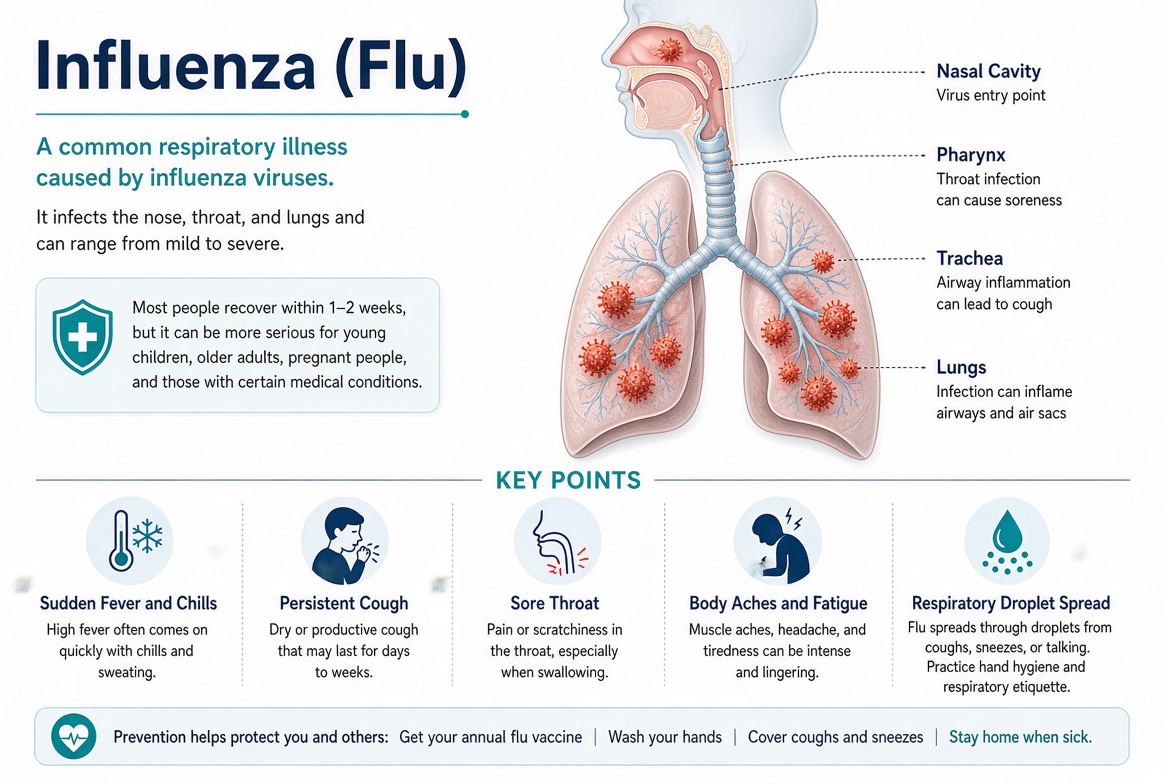
Influenza, commonly called the flu, is a contagious respiratory infection caused by influenza viruses. It primarily affects the nose, throat, and lungs and can range from a mild illness to a serious infection requiring medical care or hospitalization.
Influenza spreads mainly when an infected person coughs, sneezes, talks, or breathes, releasing respiratory particles that can reach people nearby. People can also become infected after touching contaminated surfaces and then touching their mouth, nose, or eyes.
Flu symptoms often begin suddenly and may include fever, chills, cough, sore throat, muscle aches, headache, fatigue, and weakness. Some people, particularly children, may also experience vomiting or diarrhea. Most otherwise healthy people recover within several days to about two weeks, although tiredness and cough can sometimes last longer.
Key Features of Influenza
- Caused by influenza viruses.
- Highly contagious respiratory infection.
- Often begins suddenly rather than gradually.
- Common symptoms include fever, cough, sore throat, body aches, headache, and fatigue.
- Can occur seasonally, with activity varying by location and year.
- Can cause serious complications, particularly in high-risk individuals.
- Annual flu vaccination is an important prevention measure.
Influenza Is Different From the Common Cold
Flu symptoms are often more sudden and intense than typical cold symptoms. Fever, pronounced body aches, chills, headache, and significant fatigue are more characteristic of influenza, although symptoms can overlap.
Who Is at Higher Risk of Complications?
Although anyone can become seriously ill from influenza, certain groups have a higher risk of complications. These include:
- Adults aged 65 years and older.
- Young children, especially those under 5 years of age.
- Pregnant people and those who have recently given birth.
- People with chronic respiratory diseases such as asthma or COPD.
- People with heart disease, diabetes, kidney disease, or other chronic medical conditions.
- People with weakened immune systems.
- People living in nursing homes or long-term care facilities.
How Influenza Spreads
Influenza viruses spread primarily through respiratory particles produced when an infected person coughs, sneezes, talks, or breathes. Transmission is more likely during close contact and in crowded or poorly ventilated environments.
A person can spread influenza before they realize they are sick and while experiencing symptoms. Good respiratory hygiene, handwashing, staying home when sick, and vaccination can help reduce transmission.
Influenza and Lung Health
Influenza can temporarily cause significant inflammation in the respiratory tract. In some people, especially those with existing lung disease, the infection can worsen breathing symptoms or trigger complications such as pneumonia or an exacerbation of asthma or COPD.
Flu Can Be More Serious for People With Lung Disease
People with asthma, COPD, or other chronic respiratory conditions may be more likely to develop complications from influenza. If you have an underlying lung condition, contact your healthcare professional promptly if flu symptoms develop.
Seek Urgent Medical Care for Severe Symptoms
Severe difficulty breathing, persistent chest pain or pressure, confusion, severe weakness, seizures, bluish or gray lips or face, dehydration, or symptoms that improve and then suddenly become much worse require urgent medical evaluation.
Prevention and Outlook
Most people recover from influenza without serious complications. Prevention focuses on annual vaccination, hand hygiene, respiratory etiquette, avoiding close contact with people who are sick, and staying home when experiencing significant respiratory symptoms.
Antiviral medicines may be recommended for some people, particularly those at higher risk of complications or those with severe or progressive illness. They work best when started early after symptoms begin.
If you develop flu-like symptoms and are at increased risk of complications, or if your symptoms are severe or worsening, contact a healthcare professional for appropriate evaluation and treatment.
Symptoms
Influenza symptoms often begin suddenly and can range from mild to severe. Unlike a typical common cold, the flu commonly causes more pronounced fever, chills, body aches, headache, and fatigue. Not everyone with influenza will have every symptom, and some people—especially older adults or people with weakened immune systems—may have fewer typical symptoms.
Common Symptoms of Influenza
| Symptom | Description |
|---|---|
| Fever | Fever is common with influenza and may be accompanied by chills or sweating. However, not everyone with flu develops a fever. |
| Cough | A dry or persistent cough is common and may continue even after other symptoms begin to improve. |
| Sore Throat | Inflammation of the throat can cause soreness, irritation, or discomfort when swallowing. |
| Muscle and Body Aches | Flu can cause significant muscle aches and generalized body pain, which are often more prominent than with a common cold. |
| Headache | Headaches can occur along with fever, fatigue, and other flu symptoms. |
| Fatigue | Influenza can cause marked tiredness, weakness, and reduced energy. Fatigue may continue for days or sometimes longer after the main symptoms improve. |
| Chills | Some people experience episodes of feeling unusually cold or shaking, particularly around the time a fever develops. |
| Runny or Stuffy Nose | Nasal congestion or a runny nose may occur, although these symptoms are often less prominent than in a typical cold. |
| Eye Discomfort | Some people experience watery eyes, sensitivity to light, or discomfort around the eyes during influenza. |
| Vomiting or Diarrhea | Gastrointestinal symptoms can occur with influenza, particularly in children, although they are less common in adults. |
How Flu Symptoms Usually Begin
Influenza often develops abruptly. A person may feel relatively well and then develop several symptoms within a short period. Fever, chills, body aches, headache, cough, and significant fatigue may occur together.
- Sudden onset of fever or chills.
- Rapid development of body aches and fatigue.
- Cough and sore throat.
- Headache and weakness.
- Runny or stuffy nose in some people.
- Vomiting or diarrhea, particularly in some children.
Not Everyone With Flu Has a Fever
Some people with influenza, particularly older adults and people with weakened immune systems, may not develop a noticeable fever. The absence of fever does not necessarily rule out influenza.
Flu Symptoms in Children
Children can experience the same respiratory and systemic symptoms as adults, but gastrointestinal symptoms may be more common. Depending on age, children may have difficulty describing headaches, body aches, or other symptoms.
- Fever or chills.
- Cough and sore throat.
- Runny or stuffy nose.
- Muscle aches and fatigue.
- Headache.
- Vomiting or diarrhea.
- Reduced appetite or activity.
Symptoms in Older Adults and High-Risk People
Older adults and people with weakened immune systems may have less typical symptoms. Instead of a high fever, they may experience weakness, confusion, reduced appetite, worsening of an existing medical condition, or general decline in health.
Symptoms Can Worsen Existing Lung Conditions
Influenza can trigger worsening symptoms in people with asthma, COPD, and other chronic respiratory diseases. Increased coughing, wheezing, mucus production, or shortness of breath should be evaluated promptly.
Emergency Warning Signs
- Difficulty breathing or shortness of breath.
- Persistent chest pain or pressure.
- Blue or gray lips, face, or fingertips.
- Confusion, severe dizziness, or inability to stay awake.
- Severe weakness or inability to stand or walk normally.
- Seizures.
- Signs of severe dehydration, such as very little urination.
- Symptoms that improve and then suddenly become much worse.
Most people with influenza recover without serious complications. However, if symptoms are severe, rapidly worsening, or occur in someone at increased risk of complications, medical evaluation is important. Antiviral treatment may be recommended for certain people and generally provides the greatest benefit when started early.
Causes
Influenza is caused by infection with influenza viruses. These viruses primarily infect the respiratory tract, including the nose, throat, and lungs. Influenza viruses can spread easily from person to person, especially in crowded or poorly ventilated settings.
Main Causes of Influenza
| Cause | Description |
|---|---|
| Influenza Viruses | Influenza is caused by influenza viruses. Seasonal human illness is mainly caused by influenza A and influenza B viruses. |
| Respiratory Droplets and Particles | An infected person can release infectious respiratory particles when coughing, sneezing, talking, or breathing. Other people can become infected when these particles are inhaled or reach their nose, mouth, or eyes. |
| Close Contact With an Infected Person | Being close to someone who has influenza increases the likelihood of exposure to infectious respiratory particles. |
| Contaminated Hands and Surfaces | People may occasionally become infected after touching contaminated surfaces or objects and then touching their mouth, nose, or eyes. |
| Crowded Environments | Crowded places can make transmission easier because people are in close proximity and respiratory particles can spread between individuals. |
| Poor Ventilation | Inadequate ventilation can allow infectious respiratory particles to accumulate in indoor spaces, increasing the opportunity for transmission. |
How Influenza Spreads
Influenza spreads primarily through respiratory particles released by infected people. Transmission is more likely when an infected person is close to others, particularly indoors.
- An infected person coughs, sneezes, talks, or breathes.
- Respiratory particles containing influenza virus are released.
- Another person inhales the particles or gets them into the nose, mouth, or eyes.
- The virus enters the respiratory tract and begins to multiply.
- The infected person may develop flu symptoms after an incubation period.
Influenza Can Spread Before Symptoms Appear
People infected with influenza can transmit the virus before they realize they are sick. They are generally most contagious during the first few days after symptoms begin.
Why Influenza Spreads Easily
Influenza viruses can spread efficiently because infected people may transmit the virus before recognizing their illness, and many people have regular close contact with others at home, school, work, or in public spaces.
- Close contact between people.
- Indoor gatherings and crowded spaces.
- Poor ventilation.
- Contact with respiratory secretions.
- People being infectious before or shortly after symptoms develop.
Does Cold Weather Cause the Flu?
Cold weather itself does not cause influenza. The infection is caused by influenza viruses. However, flu transmission often increases during seasonal periods when people spend more time indoors and have closer contact with one another.
Influenza Is Not Caused by Antibiotic-Resistant Bacteria
Influenza is a viral infection, so antibiotics do not treat the influenza virus itself. Antibiotics may sometimes be prescribed if a bacterial complication, such as bacterial pneumonia, develops.
Can You Get Influenza More Than Once?
Yes. Infection with one influenza virus does not provide complete or permanent protection against all influenza viruses. Influenza viruses also change over time, which is one reason seasonal vaccination is recommended.
Vaccination Helps Reduce the Risk
Seasonal influenza vaccination helps the immune system recognize influenza viruses and reduces the risk of flu illness and serious complications. Protection is updated regularly because circulating influenza viruses can change.
If you develop sudden fever, cough, body aches, headache, fatigue, or other flu-like symptoms, especially during periods of increased influenza activity, contact a healthcare professional if you are at higher risk of complications or your symptoms are severe.
Risk Factors
Anyone can develop influenza, but certain factors increase the likelihood of becoming infected or developing serious complications. Age, pregnancy, underlying medical conditions, immune status, living environment, and exposure to infected people can all influence the risk.
Risk Factors for Influenza
| Risk Factor | Why It Matters |
|---|---|
| Young Children | Children, particularly those younger than 5 years, have an increased risk of influenza-related complications. Children younger than 2 years are at particularly high risk. |
| Older Age | Adults aged 65 years and older have a higher risk of serious influenza complications because immune responses and overall resilience can change with age. |
| Pregnancy | Pregnancy can increase the risk of severe influenza because of changes in the immune, respiratory, and cardiovascular systems. |
| Chronic Lung Disease | People with asthma, COPD, emphysema, or other chronic respiratory conditions may experience worsening symptoms and have a higher risk of complications from influenza. |
| Heart Disease | Underlying cardiovascular conditions can increase the risk of serious complications when influenza causes significant inflammation or places additional stress on the body. |
| Diabetes | Diabetes can increase susceptibility to severe infections and influenza-related complications. |
| Weakened Immune System | People with weakened immune systems may have difficulty controlling influenza infection and are more likely to develop severe or prolonged illness. |
| Kidney, Liver, or Metabolic Conditions | Certain chronic medical conditions can increase the risk of serious influenza complications. |
| Neurological or Neurodevelopmental Conditions | Some neurological and neurodevelopmental conditions can increase the risk of complications from influenza, particularly in children. |
| Obesity | Severe obesity is associated with an increased risk of serious influenza illness and complications. |
| Living in Crowded Settings | Schools, dormitories, nursing homes, shelters, and other crowded environments can increase opportunities for influenza transmission. |
| Close Contact With Infected People | Frequent or prolonged contact with someone who has influenza increases the likelihood of exposure to infectious respiratory particles. |
| Healthcare or Caregiving Work | People who regularly interact with patients or individuals with respiratory infections may have increased opportunities for influenza exposure. |
| Not Receiving Recommended Flu Vaccination | Without vaccination, a person may have less protection against circulating seasonal influenza viruses. |
People at Higher Risk of Serious Complications
- Children younger than 5 years, especially those younger than 2.
- Adults aged 65 years and older.
- Pregnant people and those who have recently given birth.
- People with asthma, COPD, emphysema, or other chronic lung diseases.
- People with heart disease.
- People with diabetes.
- People with weakened immune systems.
- People with chronic kidney, liver, or metabolic conditions.
- People with certain neurological or neurodevelopmental conditions.
- People with severe obesity.
- Residents of nursing homes and long-term care facilities.
Anyone Can Get Influenza
Even healthy people can develop influenza and occasionally experience serious complications. Risk factors increase the likelihood of severe illness but do not determine whether someone will become infected.
People With Lung Disease Need Extra Caution
Influenza can worsen asthma, COPD, emphysema, and other chronic respiratory conditions. People with underlying lung disease should contact their healthcare professional promptly if flu symptoms develop or breathing symptoms become worse.
Reducing Your Risk
- Get the seasonal influenza vaccine as recommended.
- Wash your hands regularly with soap and water or use an alcohol-based hand sanitizer.
- Avoid close contact with people who are sick when possible.
- Avoid touching your eyes, nose, and mouth with unwashed hands.
- Improve ventilation in indoor spaces.
- Cover coughs and sneezes with a tissue or your elbow.
- Stay home when you are sick to reduce transmission to others.
- Follow your healthcare professional's advice if you are at high risk of complications.
Vaccination Is an Important Prevention Measure
Seasonal influenza vaccination is an important way to reduce the risk of flu illness and serious complications. Recommendations can vary by age, health status, pregnancy, and local public-health guidance.
If you have risk factors for serious influenza complications and develop flu-like symptoms, contact a healthcare professional promptly. Antiviral treatment may be appropriate for some high-risk people, particularly when started early in the illness.
Diagnosis
Influenza is usually diagnosed based on symptoms, medical history, physical examination, and the level of influenza activity in the community. In many people with uncomplicated illness, laboratory testing is not necessary. However, testing may be recommended when the diagnosis is uncertain, symptoms are severe, or the result could affect treatment or infection-control decisions.
How Influenza Is Diagnosed
| Method | Purpose |
|---|---|
| Medical History | The healthcare professional asks about symptom onset, fever, cough, body aches, fatigue, exposure to people with respiratory infections, recent travel or gatherings, and underlying health conditions. |
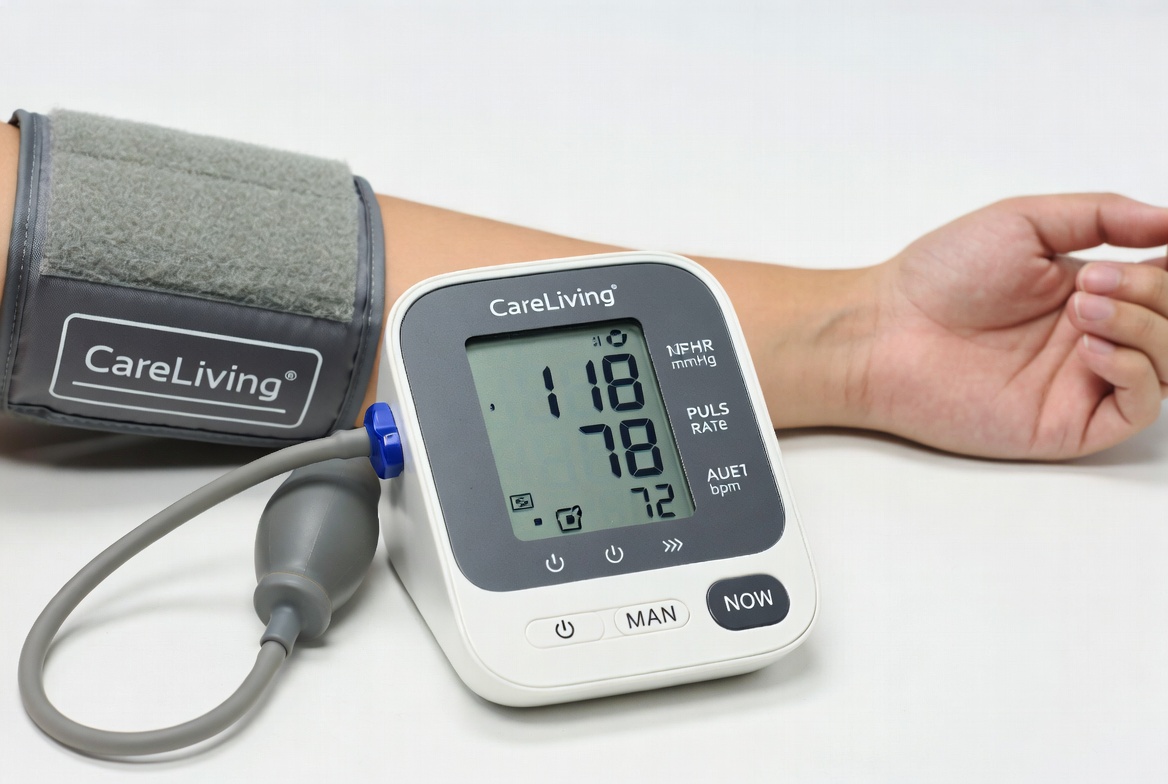
| Physical Examination | The doctor evaluates temperature, breathing, heart rate, oxygen level, hydration, and other signs of respiratory illness or complications. |
| Rapid Influenza Diagnostic Tests (RIDTs) | These tests can detect influenza viral antigens from respiratory specimens and may provide results quickly. However, a negative result does not always rule out influenza. |
| Rapid Molecular Tests | These tests detect influenza viral genetic material and are generally more sensitive than traditional rapid antigen tests. Results may be available relatively quickly depending on the test. |
| RT-PCR and Other Molecular Tests | Molecular laboratory tests can detect influenza viral RNA with high sensitivity and may be used in hospitals, clinics, or specialized laboratories. |
| Multiplex Respiratory Panel | Some molecular tests can simultaneously detect influenza and other respiratory viruses, such as respiratory syncytial virus (RSV) or SARS-CoV-2, when distinguishing between infections is clinically useful. |
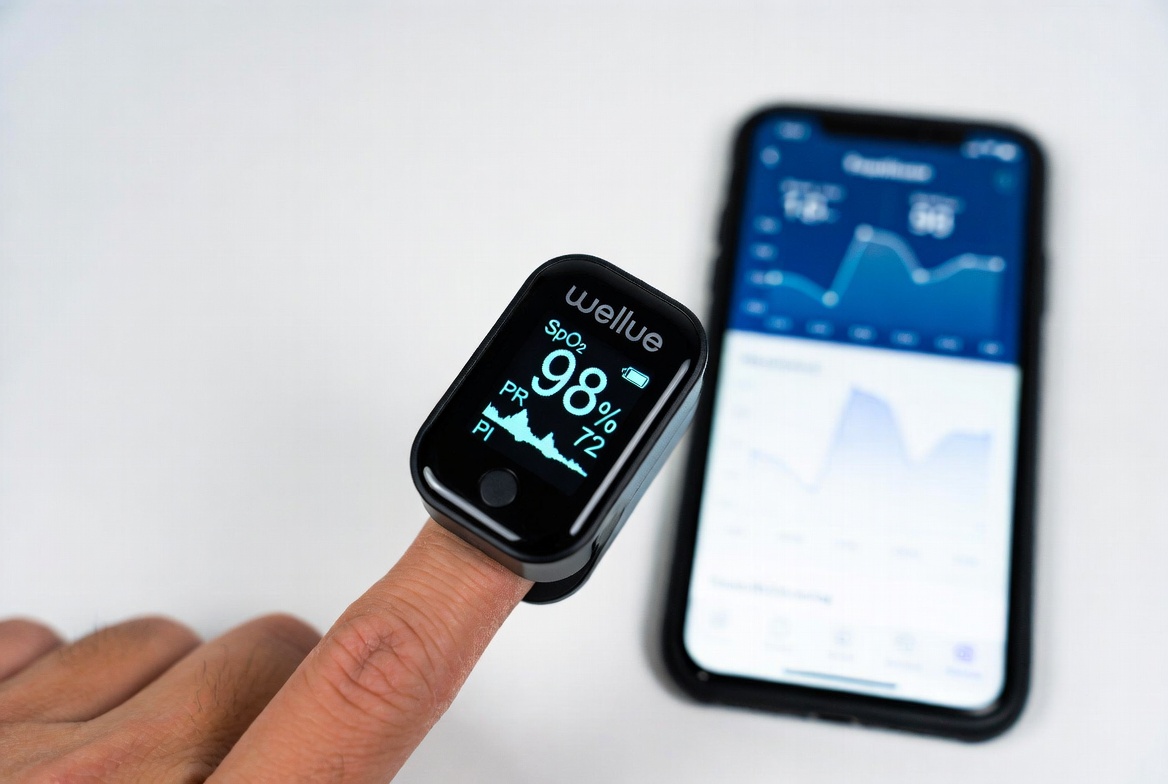
| Pulse Oximetry | A small sensor placed on the finger measures blood oxygen saturation and can help identify reduced oxygen levels, particularly in people with breathing difficulties or underlying lung disease. |
| Chest X-ray | A chest X-ray is not routinely required for uncomplicated influenza but may be used when pneumonia or another lung complication is suspected. |
| Blood Tests | Blood tests may be performed when a person is seriously ill or when doctors need to assess complications, inflammation, dehydration, or other medical conditions. |
When Is Flu Testing Recommended?
Testing is more likely to be useful when the diagnosis is uncertain, when influenza treatment decisions depend on confirming infection, or when a person has a higher risk of complications. Testing may also be useful in hospitals, nursing homes, outbreaks, and other situations where identifying influenza can influence patient management or infection-control measures.
- Severe or worsening respiratory symptoms.
- Hospitalization or emergency medical evaluation.
- High risk of influenza complications.
- Uncertainty about whether symptoms are caused by influenza or another infection.
- Need to distinguish influenza from COVID-19 or other respiratory infections.
- Suspected influenza outbreaks in healthcare or institutional settings.
A Negative Rapid Test Does Not Always Rule Out Flu
Rapid influenza tests can sometimes produce false-negative results. If symptoms strongly suggest influenza, particularly during periods of high influenza activity, a healthcare professional may consider additional testing or treatment based on the overall clinical situation.
Influenza vs. Other Respiratory Infections
Flu symptoms can overlap with COVID-19, respiratory syncytial virus (RSV), common colds, and other respiratory infections. Symptoms alone cannot always reliably distinguish these infections. Depending on the situation, your healthcare professional may recommend testing for influenza, SARS-CoV-2, or other respiratory viruses.
Why Early Diagnosis Can Matter
Early recognition of influenza can be particularly important for people at higher risk of complications. Antiviral medicines are most effective when started early, ideally within the first two days after symptoms begin, although treatment may still be beneficial later for some people with severe illness or those at increased risk.
People With Chronic Lung Disease
People with asthma, COPD, emphysema, or other chronic respiratory conditions may be more vulnerable to complications. If flu-like symptoms develop, especially with worsening breathing problems, seek medical advice promptly.
Seek Urgent Medical Care If You Have:
- Severe difficulty breathing or shortness of breath.
- Persistent chest pain or pressure.
- Blue or gray lips, face, or fingertips.
- Confusion, severe dizziness, or difficulty staying awake.
- Severe weakness or inability to stand normally.
- Signs of severe dehydration.
- Symptoms that improve and then suddenly become significantly worse.
If you develop sudden fever, cough, body aches, headache, fatigue, or other flu-like symptoms, consult a healthcare professional when appropriate, particularly if you are pregnant, very young, older, have a chronic medical condition, or have a weakened immune system.
Treatment
Treatment for influenza depends on the severity of the illness, the person's age, overall health, and risk of complications. Most healthy people with uncomplicated flu recover with rest, fluids, and treatment to relieve symptoms. Antiviral medicines may be recommended for people who are at higher risk of complications or who have severe or progressive illness.
Common Treatments for Influenza
| Treatment | Purpose |
|---|---|
| Rest | Getting adequate rest helps the body recover while reducing physical strain during the infection. |
| Fluids | Drinking enough fluids helps prevent dehydration, particularly when fever, sweating, vomiting, or diarrhea is present. |
| Fever and Pain Relief | Appropriate over-the-counter medicines such as acetaminophen (paracetamol) or ibuprofen may help reduce fever, headache, and body aches when suitable for the individual. |
| Antiviral Medicines | Prescription antiviral medicines can reduce the severity and duration of influenza and may lower the risk of complications in certain patients. They work best when started early. |
| Oxygen Therapy | People who develop significantly low blood oxygen levels may require supplemental oxygen under medical supervision. |
| Hospital Treatment | Severe influenza or complications such as pneumonia, respiratory failure, severe dehydration, or worsening of an underlying medical condition may require hospital care. |
Antiviral Treatment
Antiviral medicines are particularly important for people who are hospitalized, have severe or progressive influenza, or are at increased risk of serious complications. Examples include medicines such as oseltamivir, zanamivir, peramivir, and baloxavir, depending on the patient's age, medical condition, local recommendations, and the specific situation.
Antiviral treatment generally provides the greatest benefit when started within the first 48 hours after symptoms begin. However, people with severe illness or those at high risk of complications may still benefit when treatment is started later.
Early Treatment Can Be Important
If you are at increased risk of influenza complications and develop flu symptoms, contact a healthcare professional promptly. Do not wait for symptoms to become severe before seeking medical advice.
Home Care for Mild Influenza
- Get plenty of rest and sleep.
- Drink adequate fluids to help prevent dehydration.
- Use appropriate fever or pain medicine when needed and medically suitable.
- Follow the dosage instructions on medicines and your healthcare professional's advice.
- Stay home and avoid close contact with others while you are sick.
- Cover coughs and sneezes and wash your hands regularly.
- Keep the room comfortably ventilated.
- Monitor symptoms and seek medical advice if they worsen.
Antibiotics Do Not Treat Influenza
Influenza is caused by a virus, so antibiotics do not treat the flu itself. Antibiotics may be prescribed if a bacterial complication, such as bacterial pneumonia, develops.
Special Considerations for Children
Children with influenza should be monitored closely for worsening symptoms and dehydration. Aspirin should not be given to children or teenagers with suspected or confirmed influenza because of the risk of Reye's syndrome. Always consult a healthcare professional about appropriate medicines and doses for children.
People With Chronic Lung Disease
Influenza can worsen asthma, COPD, emphysema, and other chronic respiratory conditions. People with existing lung disease should continue their prescribed medicines and seek medical advice if coughing, wheezing, mucus production, or shortness of breath becomes worse.
Seek Emergency Medical Care If You Have:
- Severe or rapidly worsening difficulty breathing.
- Persistent chest pain or pressure.
- Blue or gray lips, face, or fingertips.
- Confusion, severe dizziness, or difficulty staying awake.
- Severe weakness or inability to stand or walk normally.
- Signs of severe dehydration.
- Seizures.
- Symptoms that improve and then suddenly become significantly worse.
How Long Does Recovery Take?
Many people recover from uncomplicated influenza within several days to around two weeks. Fever and the most intense symptoms often improve first, while cough and tiredness may persist for longer. Recovery can take more time in older adults, young children, people with chronic diseases, and those who develop complications.
If your symptoms are severe, continue to worsen, or improve and then suddenly become worse again, contact a healthcare professional for evaluation and appropriate treatment.
Need Expert Medical Guidance?
Schedule a direct consultation with Dr. Nabila Zaheer for a personalized care plan.
Prevention
Influenza can spread easily from person to person, particularly during periods of increased flu activity. Prevention focuses on vaccination, reducing exposure to respiratory particles, maintaining good hand hygiene, improving indoor ventilation, and staying home when sick.
Ways to Prevent Influenza
| Prevention Strategy | How It Helps |
|---|---|
| Get the Seasonal Flu Vaccine | Annual influenza vaccination is the most important specific prevention measure. It helps reduce the risk of influenza illness and can reduce the risk of serious complications. |
| Wash Your Hands Regularly | Frequent handwashing with soap and water helps remove viruses that may have been picked up from contaminated hands or surfaces. |
| Use Hand Sanitizer When Needed | An alcohol-based hand sanitizer can be used when soap and water are not readily available. |
| Avoid Close Contact With Sick People | Reducing close contact with people who have respiratory symptoms can lower the chance of exposure to influenza viruses. |
| Stay Home When Sick | Remaining home while ill helps reduce the spread of influenza to family members, coworkers, classmates, and other people. |
| Cover Coughs and Sneezes | Covering coughs and sneezes with a tissue or your elbow helps reduce the release of infectious respiratory particles. |
| Avoid Touching Your Face | Avoiding unnecessary touching of the eyes, nose, and mouth with unwashed hands can reduce the chance of transferring viruses to the respiratory tract. |
| Improve Indoor Ventilation | Opening windows or using appropriate ventilation and air filtration can reduce the concentration of infectious respiratory particles in indoor spaces. |
| Wear a Mask When Appropriate | In certain situations, such as during periods of high respiratory virus activity or when caring for someone who is sick, wearing a well-fitting mask can provide an additional layer of protection. |
| Clean Frequently Touched Surfaces | Regular cleaning of commonly touched surfaces can help reduce the possibility of indirect transmission. |
Flu Vaccination
Influenza viruses change over time, and the viruses circulating during one season may differ from those in another season. For this reason, seasonal influenza vaccination is updated as needed and is generally recommended each year for people for whom vaccination is appropriate.
Vaccination is particularly important for people at higher risk of serious complications, including older adults, young children, pregnant people, and people with chronic medical conditions such as asthma or COPD.
Vaccination Does Not Guarantee Complete Protection
A flu vaccine cannot prevent every influenza infection, but it can reduce the risk of illness and serious complications. Vaccine effectiveness varies between seasons and depends on factors such as the circulating viruses and the person's age and health.
Preventing the Spread When You Are Sick
- Stay home and avoid close contact with others while you are ill.
- Cover coughs and sneezes with a tissue or your elbow.
- Wash your hands frequently.
- Avoid sharing cups, utensils, towels, and other personal items when possible.
- Improve ventilation in shared indoor spaces.
- Wear a well-fitting mask when close contact with others cannot be avoided.
- Follow local public-health guidance regarding returning to work, school, or other activities.
Protecting People at Higher Risk
Extra precautions are important when living with or caring for someone who is at higher risk of severe influenza. This includes older adults, young children, pregnant people, and individuals with chronic respiratory or other medical conditions.
- Keep recommended vaccinations up to date.
- Limit close contact with people who are sick.
- Improve ventilation in shared indoor areas.
- Practice regular hand hygiene.
- Seek medical advice promptly if flu symptoms develop in a high-risk person.
People With Chronic Lung Disease Need Extra Protection
Influenza can trigger serious worsening of asthma, COPD, emphysema, and other chronic respiratory diseases. People with lung disease should follow their healthcare professional's vaccination and prevention recommendations.
Healthy Habits Support Respiratory Health
Adequate sleep, regular physical activity, a balanced diet, avoiding tobacco smoke, and managing chronic health conditions can support overall health and help the body cope with respiratory infections.
No single prevention method provides complete protection against influenza. Combining vaccination with hand hygiene, respiratory precautions, good ventilation, and staying home when sick provides multiple layers of protection against infection and transmission.
Complications
Most people with influenza recover without serious problems, but the flu can sometimes cause complications. The risk is higher in young children, older adults, pregnant people, people with weakened immune systems, and those with chronic medical conditions such as asthma, COPD, heart disease, or diabetes.
Complications can develop while the person has influenza or after the initial symptoms appear to improve. Some complications can be serious and may require hospitalization.
Possible Complications of Influenza
| Complication | Description |
|---|---|
| Pneumonia | Influenza can cause viral pneumonia directly or increase the risk of secondary bacterial pneumonia. Pneumonia can cause worsening cough, fever, chest discomfort, and difficulty breathing. |
| Worsening of Asthma | Influenza can trigger asthma attacks and make coughing, wheezing, and breathing difficulties significantly worse. |
| COPD Exacerbation | People with COPD or emphysema may experience a significant worsening of cough, mucus production, wheezing, and shortness of breath. |
| Sinus and Ear Infections | Influenza can sometimes be followed by secondary bacterial infections involving the sinuses or middle ear, particularly in children. |
| Dehydration | Fever, sweating, vomiting, diarrhea, and reduced fluid intake can cause dehydration, which may require medical treatment if severe. |
| Respiratory Failure | Severe influenza or influenza-related pneumonia can cause significant impairment of lung function and may lead to respiratory failure requiring intensive medical support. |
| Sepsis | Severe influenza or a secondary bacterial infection can occasionally trigger a dangerous systemic response known as sepsis. |
| Heart Complications | Influenza can increase the risk of cardiovascular complications in susceptible people and may worsen existing heart disease. Rarely, inflammation of the heart muscle or surrounding tissues can occur. |
| Encephalitis or Encephalopathy | Rarely, influenza can affect the brain and cause inflammation or changes in brain function, particularly in children. |
| Myositis | Influenza can occasionally cause inflammation of the muscles, resulting in significant muscle pain or weakness. Severe cases can cause muscle breakdown. |
| Febrile Seizures | Young children may occasionally experience seizures associated with fever during an influenza infection. |
| Worsening of Chronic Conditions | Influenza can destabilize existing conditions such as diabetes, heart disease, kidney disease, and other chronic illnesses. |
People at Higher Risk of Complications
- Adults aged 65 years and older.
- Young children, especially those younger than 5 years.
- Pregnant people and those who have recently given birth.
- People with asthma, COPD, emphysema, or other chronic lung diseases.
- People with heart disease.
- People with diabetes.
- People with weakened immune systems.
- People with chronic kidney, liver, or metabolic conditions.
- People with certain neurological conditions.
- People with severe obesity.
Symptoms That Improve and Then Become Worse
If fever or cough initially improves but then returns or becomes significantly worse, this may indicate a secondary infection or another complication. Contact a healthcare professional promptly.
Emergency Warning Signs
Seek emergency medical care if influenza is accompanied by:
- Severe or rapidly worsening difficulty breathing.
- Persistent chest pain or pressure.
- Blue or gray lips, face, or fingertips.
- Confusion or inability to stay awake.
- Severe dizziness or fainting.
- Severe weakness or inability to stand.
- Seizures.
- Signs of severe dehydration, such as very little or no urination.
- Symptoms that improve and then suddenly become much worse.
Reducing the Risk of Complications
- Get recommended seasonal influenza vaccination.
- Seek medical advice early if you are at high risk of complications.
- Take prescribed antiviral medicines as directed.
- Stay adequately hydrated and get sufficient rest.
- Manage existing conditions such as asthma, COPD, diabetes, and heart disease.
- Avoid smoking and secondhand smoke.
- Follow medical advice if symptoms become worse.
Early Treatment Can Help High-Risk Patients
Antiviral medicines are particularly important for people who are hospitalized, have severe or progressive illness, or are at increased risk of complications. They generally provide the greatest benefit when started early.
Most people recover from influenza without serious complications. However, if symptoms are severe, rapidly worsening, or occur in someone at increased risk, prompt medical evaluation can help identify and treat complications early.
When to See a Doctor
Most people with influenza recover at home with rest, fluids, and symptom management. However, medical evaluation may be needed when symptoms are severe, worsening, prolonged, or occur in someone who has a higher risk of complications.
Contact a Doctor If You:
- Have severe or persistent flu symptoms.
- Have a fever that is persistent or returns after improving.
- Have a cough that is becoming worse rather than improving.
- Develop increasing shortness of breath or wheezing.
- Have persistent vomiting or difficulty keeping fluids down.
- Show signs of dehydration, such as very little urination, dry mouth, or significant dizziness.
- Have symptoms that improve and then suddenly become worse.
- Have severe weakness or unusual fatigue that interferes with normal activities.
- Develop new or worsening symptoms while recovering from the flu.
Seek Medical Advice Early If You Are at Higher Risk
People at increased risk of influenza complications should contact a healthcare professional promptly when flu symptoms begin. Early antiviral treatment may be recommended for some high-risk individuals and is generally most effective when started as soon as possible.
- Adults aged 65 years and older.
- Young children, especially those younger than 5 years.
- Pregnant people or those who have recently given birth.
- People with asthma, COPD, emphysema, or other chronic lung diseases.
- People with heart disease.
- People with diabetes.
- People with weakened immune systems.
- People with chronic kidney, liver, or metabolic conditions.
Antiviral Treatment Works Best When Started Early
If you are at high risk of complications or have severe or progressive flu symptoms, contact a healthcare professional as soon as possible. Antiviral medicines generally provide the greatest benefit when started early, ideally within the first 48 hours of illness.
Seek Emergency Medical Care Immediately If You:
- Have severe or rapidly worsening difficulty breathing.
- Experience persistent chest pain or pressure.
- Develop blue or gray lips, face, or fingertips.
- Become confused or have difficulty staying awake.
- Experience severe dizziness, fainting, or extreme weakness.
- Have seizures.
- Show signs of severe dehydration, such as very little or no urination.
- Have symptoms that improve and then suddenly become significantly worse.
When Children Need Medical Attention
Children with influenza should be monitored closely because they can become dehydrated or develop complications more quickly. Seek medical advice if a child has difficulty breathing, persistent fever, unusual sleepiness, poor fluid intake, repeated vomiting, or symptoms that are worsening.
Special Attention for People With Lung Disease
Influenza can trigger serious worsening of asthma, COPD, emphysema, and other chronic respiratory conditions. If coughing, wheezing, mucus production, or shortness of breath becomes worse than usual, contact your healthcare professional promptly.
When Symptoms Are Improving
Most people gradually improve over several days. A cough and tiredness may last longer than fever and body aches. If your symptoms are steadily improving and you can maintain fluids and normal breathing, home care may be appropriate.
However, symptoms that suddenly return or become significantly worse after initial improvement should be evaluated because they can indicate a secondary infection or another complication.
Do Not Delay Care for Severe Symptoms
Severe breathing difficulty, chest pain, confusion, blue or gray lips or face, seizures, or severe dehydration require urgent medical attention rather than waiting for the flu to resolve on its own.
If you are unsure whether your flu symptoms require medical attention, especially if you have an underlying medical condition or are in a higher-risk group, contact a healthcare professional for personalized advice.