Overview
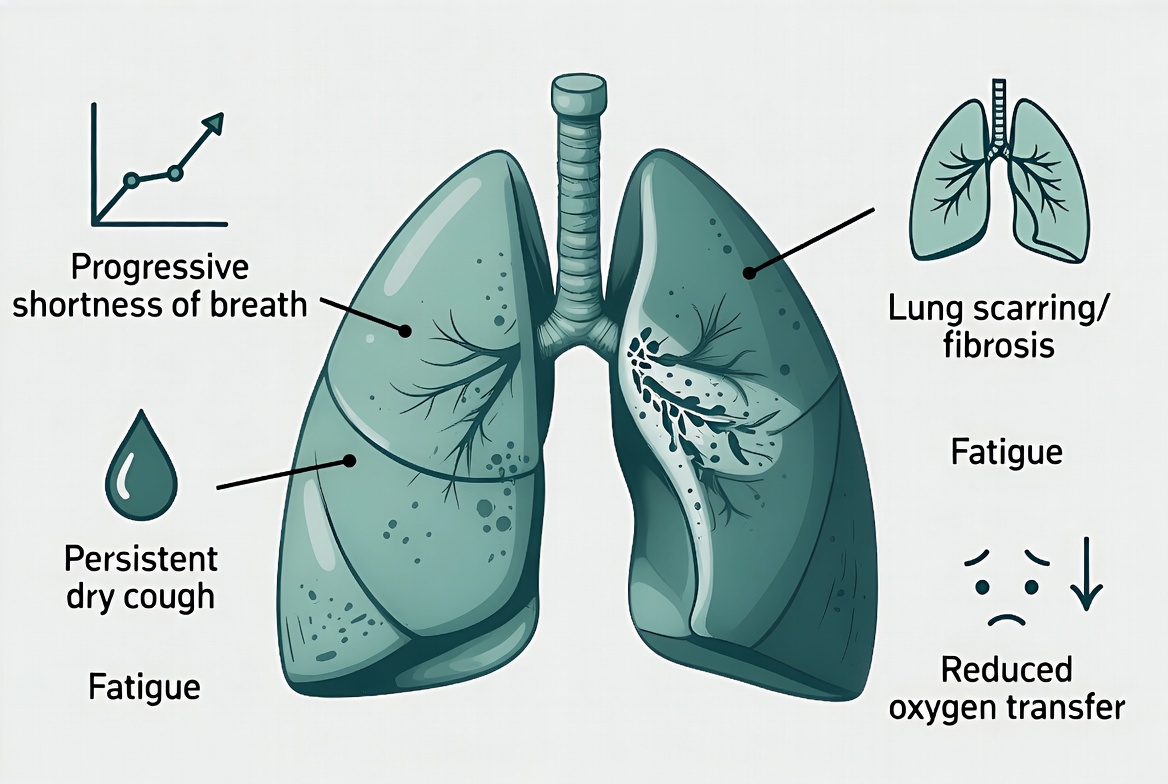
Interstitial lung disease (ILD) refers to a large group of lung disorders that cause inflammation and scarring (fibrosis) of the lung tissue. The scarring makes the lungs stiff, reducing their ability to expand and transfer oxygen into the bloodstream. As a result, people with ILD often experience increasing shortness of breath and a persistent dry cough.
ILD is not a single disease but a collection of more than 200 conditions. It may develop because of autoimmune diseases, long-term exposure to harmful dusts or chemicals, certain medications, radiation therapy, or unknown causes. One of the best-known forms of ILD is idiopathic pulmonary fibrosis (IPF), in which the cause of lung scarring is unknown.
The severity and progression of ILD vary widely. Some forms remain stable for years, while others gradually worsen despite treatment. Early diagnosis and appropriate management can help slow disease progression, relieve symptoms, improve quality of life, and reduce complications.
Common Symptoms
- Progressive shortness of breath, especially during physical activity.
- Persistent dry cough.
- Fatigue and reduced energy levels.
- Difficulty performing everyday activities because of breathlessness.
- Chest discomfort or tightness in some individuals.
- Unintentional weight loss in advanced disease.
- Clubbing (widening and rounding) of the fingertips in certain types of ILD.
- Low blood oxygen levels, particularly during exercise or advanced disease.
ILD Is a Group of Diseases, Not a Single Condition
Interstitial lung disease includes many different disorders that affect the lung tissue. Identifying the specific type of ILD is important because treatment and prognosis vary between conditions.
Persistent Breathlessness Should Be Evaluated
Shortness of breath and a chronic dry cough that gradually worsen over time are not normal signs of aging. These symptoms should be assessed by a healthcare provider, particularly if you have a history of smoking, occupational dust exposure, or autoimmune disease.
Early Diagnosis Can Help Preserve Lung Function
Although lung scarring cannot usually be reversed, early diagnosis and treatment may slow disease progression, improve symptoms, and help maintain a better quality of life.
If you experience persistent breathlessness, an ongoing dry cough, or unexplained fatigue that does not improve, consult your healthcare provider or a pulmonologist. Early evaluation can help identify interstitial lung disease and allow treatment to begin as soon as possible.
Symptoms
The symptoms of interstitial lung disease (ILD) usually develop gradually over months or years, although some forms can progress more rapidly. As inflammation and scarring (fibrosis) increase, the lungs become less flexible and are less able to transfer oxygen into the bloodstream, leading to worsening breathing problems.
The severity of symptoms varies depending on the type of ILD and how much lung tissue is affected. Early recognition and medical evaluation are important because prompt treatment may help slow disease progression.
Common Symptoms of Interstitial Lung Disease
| Symptom | Description |
|---|---|
| Shortness of Breath | The most common symptom. It usually begins during physical activity and gradually progresses, eventually occurring even during routine activities or at rest in advanced disease. |
| Persistent Dry Cough | A chronic cough that produces little or no mucus is common in many types of interstitial lung disease. |
| Fatigue | Reduced oxygen delivery to the body often causes persistent tiredness, weakness, and reduced energy. |
| Reduced Exercise Tolerance | Activities such as climbing stairs, walking, or carrying groceries may become increasingly difficult. |
| Chest Discomfort or Tightness | Some people experience mild chest discomfort or a feeling of tightness, although severe chest pain is uncommon. |
| Unintentional Weight Loss | Advanced disease may lead to weight loss due to increased energy demands and reduced appetite. |
| Clubbing of the Fingers | Some individuals develop widening and rounding of the fingertips and nails, particularly in idiopathic pulmonary fibrosis and certain other forms of ILD. |
| Low Oxygen Levels | Reduced oxygen in the blood may cause breathlessness, fatigue, dizziness, or bluish lips and fingertips (cyanosis) in advanced disease. |
Symptoms That May Worsen Over Time
- Increasing shortness of breath during daily activities.
- More frequent coughing episodes.
- Greater difficulty exercising or walking long distances.
- Fatigue that interferes with work or routine tasks.
- Need for supplemental oxygen in advanced disease.
- Reduced ability to perform everyday activities independently.
Symptoms Often Develop Gradually
Many people notice mild breathlessness or a dry cough at first. Because these symptoms worsen slowly, they are sometimes mistaken for aging or lack of fitness, delaying diagnosis.
Do Not Ignore a Persistent Dry Cough
A dry cough lasting several weeks or months, especially when accompanied by progressive shortness of breath, should be evaluated by a healthcare provider.
Seek Emergency Medical Care If You:
- Develop sudden or severe shortness of breath.
- Experience severe chest pain.
- Notice blue lips or fingertips.
- Cough up blood.
- Become confused, extremely drowsy, or difficult to wake.
- Have a rapid worsening of breathing or oxygen levels.
If you experience persistent breathlessness, a chronic dry cough, fatigue, or reduced ability to exercise, especially if you have a history of smoking, occupational dust exposure, autoimmune disease, or previous lung disease, consult your healthcare provider. Early diagnosis and treatment may help slow the progression of interstitial lung disease and improve your quality of life.
Causes
Interstitial lung disease (ILD) is a group of more than 200 lung disorders that cause inflammation and scarring (fibrosis) of the lung tissue. In many people, the exact cause can be identified, while in others it remains unknown. Regardless of the cause, ongoing damage to the lungs can reduce their ability to transfer oxygen into the bloodstream.
Identifying the underlying cause of ILD is important because it helps determine the most appropriate treatment and may slow disease progression if the triggering factor can be removed or controlled.
Common Causes of Interstitial Lung Disease
| Cause | Description |
|---|---|
| Idiopathic Pulmonary Fibrosis (IPF) | One of the most common forms of ILD. The cause of lung scarring is unknown, and the disease gradually worsens over time. |
| Autoimmune Diseases | Conditions such as rheumatoid arthritis, systemic sclerosis (scleroderma), lupus, Sjögren's syndrome, polymyositis, and dermatomyositis can cause inflammation and scarring in the lungs. |
| Occupational and Environmental Exposure | Long-term exposure to silica dust, asbestos, coal dust, metal dust, mold, bird proteins, or other airborne particles can damage the lungs. |
| Hypersensitivity Pneumonitis | An allergic reaction to inhaled organic particles such as mold, bird droppings, feathers, or farming dust can lead to chronic lung inflammation. |
| Certain Medications | Some chemotherapy drugs, antibiotics, heart medications, and immune-modifying medicines may cause lung inflammation or fibrosis in susceptible individuals. |
| Radiation Therapy | Radiation treatment to the chest for cancers such as breast or lung cancer may damage lung tissue and lead to ILD. |
| Smoking | Smoking increases the risk of several forms of ILD and may worsen existing lung damage. |
| Certain Infections | Some viral, bacterial, or fungal infections may trigger inflammation that contributes to interstitial lung disease in selected cases. |
| Inherited (Genetic) Factors | Rare inherited genetic changes may increase the risk of developing familial forms of pulmonary fibrosis or other interstitial lung diseases. |
| Unknown Cause | Despite extensive testing, no specific cause is identified in some individuals. These cases are classified as idiopathic interstitial lung diseases. |
Common Occupations with Increased Exposure Risk
- Construction and demolition workers.
- Miners and quarry workers.
- Farmers and agricultural workers.
- Bird breeders and poultry workers.
- Metal, stone, and textile industry workers.
- People regularly exposed to mold, dust, or industrial chemicals.
Many Cases Are Related to Another Condition
Autoimmune diseases, occupational exposures, medications, and environmental allergens are common causes of interstitial lung disease. Identifying and treating the underlying cause can help slow further lung damage.
Long-Term Dust Exposure Can Damage the Lungs
Repeated exposure to harmful dusts, fibers, or organic particles without proper respiratory protection can increase the risk of developing interstitial lung disease over time.
Early Recognition Helps Protect Lung Function
Seeking medical evaluation for persistent breathlessness or a chronic dry cough allows early diagnosis and treatment, which may slow disease progression and improve quality of life.
If you have a history of autoimmune disease, occupational dust exposure, smoking, or prolonged exposure to mold or birds and develop persistent breathing problems, consult your healthcare provider. Early diagnosis is essential for identifying the cause and choosing the most effective treatment.
Risk Factors
Although interstitial lung disease (ILD) can affect anyone, certain medical conditions, environmental exposures, occupations, and lifestyle factors increase the likelihood of developing the disease. Having one or more risk factors does not guarantee that a person will develop ILD, but it does increase the importance of regular medical evaluation if symptoms occur.
Some risk factors, such as genetic predisposition, cannot be changed. Others, including smoking and occupational exposure to harmful dusts, can often be reduced or avoided.
Common Risk Factors for Interstitial Lung Disease
| Risk Factor | How It Increases Risk |
|---|---|
| Smoking | Current and former smokers have a higher risk of developing several forms of interstitial lung disease, including idiopathic pulmonary fibrosis. |
| Occupational Dust Exposure | Long-term exposure to asbestos, silica, coal dust, metal dust, wood dust, and textile fibers can damage the lungs and lead to ILD. |
| Environmental Exposure | Repeated exposure to mold, bird droppings, feathers, farming dust, or other organic particles can trigger hypersensitivity pneumonitis and other forms of ILD. |
| Autoimmune Diseases | Conditions such as rheumatoid arthritis, systemic sclerosis (scleroderma), lupus, Sjögren's syndrome, polymyositis, and dermatomyositis can affect the lungs. |
| Certain Medications | Some chemotherapy drugs, antibiotics, heart medications, and immune-modifying medicines may increase the risk of lung inflammation or fibrosis. |
| Radiation Therapy to the Chest | Radiation treatment for cancers involving the chest may cause permanent lung damage in some individuals. |
| Family History or Genetic Factors | Inherited genetic mutations increase the risk of familial pulmonary fibrosis and certain other forms of ILD. |
| Older Age | Many types of ILD, particularly idiopathic pulmonary fibrosis, are more common in adults over 50 years of age. |
| Chronic Gastroesophageal Reflux Disease (GERD) | Repeated aspiration of stomach contents into the lungs may contribute to lung injury in some people with ILD. |
| Previous Lung Infections or Injury | Severe respiratory infections or lung injury may increase the likelihood of developing certain interstitial lung diseases. |
People at Higher Risk
- Current or former smokers.
- Construction, mining, quarry, and factory workers.
- Farmers, bird breeders, and poultry workers.
- People regularly exposed to mold or industrial chemicals.
- Individuals with autoimmune diseases.
- People who have received radiation therapy to the chest.
- Adults over 50 years of age.
- People with a family history of pulmonary fibrosis or other interstitial lung diseases.
Many Risk Factors Can Be Reduced
Avoiding smoking, using appropriate respiratory protection at work, and limiting exposure to harmful dusts and airborne chemicals can help reduce the risk of certain types of interstitial lung disease.
Occupational Safety Is Important
People working in environments with dust, fibers, or chemicals should use recommended protective equipment and follow workplace safety guidelines to reduce lung damage.
Early Evaluation Can Improve Outcomes
If you have one or more risk factors and develop persistent shortness of breath or a chronic dry cough, seek medical evaluation promptly. Early diagnosis may slow disease progression and help preserve lung function.
While some risk factors cannot be changed, recognizing them and taking preventive measures can reduce the likelihood of lung damage and improve long-term respiratory health.
Diagnosis
Diagnosing interstitial lung disease (ILD) involves identifying the type of lung disease, determining its cause, and assessing the extent of lung damage. Because ILD shares symptoms with many other respiratory and heart conditions, several tests are often needed to make an accurate diagnosis.
Early diagnosis is important because prompt treatment may help slow disease progression, preserve lung function, and improve quality of life.
Common Tests Used to Diagnose Interstitial Lung Disease
| Test | Purpose |
|---|---|
| Medical History and Physical Examination | Your healthcare provider will review your symptoms, smoking history, occupational exposures, medications, family history, and listen to your lungs for abnormal crackling sounds (fine inspiratory crackles). |
| Blood Tests | Help identify autoimmune diseases, infections, or other medical conditions that may be causing ILD. |
| Chest X-ray | May reveal lung scarring or other abnormalities, although early ILD may not always be visible. |
| High-Resolution CT (HRCT) Scan | The most important imaging test for ILD. HRCT provides detailed images of the lungs, helping identify the pattern and extent of inflammation or fibrosis. |
| Pulmonary Function Tests (PFTs) | Measure lung capacity and airflow. ILD typically causes a restrictive pattern with reduced lung volumes and impaired gas exchange. |
| Pulse Oximetry | Measures blood oxygen saturation (SpO?) at rest and during activity. |
| Arterial Blood Gas (ABG) | Measures oxygen and carbon dioxide levels in the blood, especially in advanced disease. |
| Six-Minute Walk Test | Assesses exercise capacity, oxygen levels during walking, and disease severity. |
| Bronchoscopy with Bronchoalveolar Lavage (BAL) | Allows examination of the airways and collection of lung fluid samples to evaluate infection, inflammation, or certain types of ILD. |
| Lung Biopsy | In selected cases, a tissue sample obtained by transbronchial cryobiopsy or surgical biopsy may be needed to confirm the specific type of ILD when imaging and other tests are inconclusive. |
Additional Tests That May Be Recommended
- Echocardiogram to evaluate for pulmonary hypertension.
- Electrocardiogram (ECG) to assess heart function.
- Autoimmune antibody tests if a connective tissue disease is suspected.
- Occupational and environmental exposure assessment.
- Genetic testing in selected patients with a strong family history of pulmonary fibrosis.
High-Resolution CT (HRCT) Is the Key Imaging Test
HRCT provides detailed images of lung tissue and is often the most important test for identifying the pattern of interstitial lung disease and guiding diagnosis.
A Lung Biopsy Is Not Needed for Everyone
Many people can be diagnosed based on their medical history, HRCT scan, blood tests, and pulmonary function tests. A biopsy is reserved for cases where the diagnosis remains uncertain.
Early Diagnosis Can Slow Disease Progression
Identifying interstitial lung disease early allows treatment to begin before extensive lung scarring develops, helping preserve lung function and improve long-term outcomes.
If you have persistent shortness of breath, a chronic dry cough, or reduced exercise tolerance—especially if you have a history of smoking, occupational dust exposure, autoimmune disease, or a family history of pulmonary fibrosis—consult your healthcare provider. Early diagnosis offers the best opportunity for effective management.
Treatment
The treatment of interstitial lung disease (ILD) depends on the specific type of ILD, its underlying cause, and the severity of lung damage. While lung scarring (fibrosis) is usually permanent, treatment can help slow disease progression, relieve symptoms, improve breathing, and maintain quality of life.
Some forms of ILD respond well to medications that reduce inflammation, while others require antifibrotic drugs or treatment of the underlying condition. Regular follow-up with a pulmonologist is essential to monitor disease progression and adjust treatment as needed.
Common Treatment Options for Interstitial Lung Disease
| Treatment | Purpose |
|---|---|
| Treating the Underlying Cause | Managing autoimmune diseases, removing exposure to harmful dusts or allergens, stopping smoking, or discontinuing medications that may be causing lung damage can help prevent further injury. |
| Antifibrotic Medications | Medicines such as nintedanib and pirfenidone may help slow the progression of idiopathic pulmonary fibrosis (IPF) and certain other progressive fibrosing interstitial lung diseases. |
| Corticosteroids | Prednisone and other corticosteroids help reduce inflammation in selected inflammatory types of ILD but are not effective for every form of the disease. |
| Immunosuppressive Medications | Medicines such as mycophenolate mofetil, azathioprine, cyclophosphamide, or rituximab may be used in ILD associated with autoimmune diseases. |
| Oxygen Therapy | Supplemental oxygen helps improve oxygen levels, reduce breathlessness, and support daily activities in people with low blood oxygen. |
| Pulmonary Rehabilitation | A structured program of supervised exercise, breathing techniques, education, and nutritional guidance improves physical endurance and quality of life. |
| Vaccinations | Influenza, pneumococcal, and other recommended vaccines help reduce the risk of respiratory infections that can worsen ILD. |
| Lung Transplantation | For selected patients with advanced disease who meet eligibility criteria, lung transplantation may significantly improve survival and quality of life. |
Lifestyle Changes That Support Treatment
- Stop smoking and avoid secondhand smoke.
- Avoid occupational or environmental exposures that may worsen lung damage.
- Exercise regularly within your healthcare provider's recommendations.
- Eat a balanced, nutritious diet to maintain a healthy weight.
- Stay up to date with recommended vaccinations.
- Take medications exactly as prescribed.
- Use supplemental oxygen if prescribed.
- Attend regular follow-up appointments with your pulmonologist.
Treatment Depends on the Type of ILD
Because interstitial lung disease includes more than 200 different conditions, treatment varies depending on the specific diagnosis. Your healthcare provider will develop a personalized treatment plan based on the cause and severity of your disease.
Lung Scarring Cannot Usually Be Reversed
Although existing fibrosis is generally permanent, early treatment can help slow further scarring, reduce symptoms, and preserve lung function.
Pulmonary Rehabilitation Can Improve Daily Life
Many people with ILD benefit from pulmonary rehabilitation, which combines exercise training, breathing strategies, education, and support to improve physical function and overall quality of life.
If you have interstitial lung disease, following your treatment plan, avoiding lung irritants, and attending regular medical appointments can help manage symptoms, reduce complications, and improve long-term health outcomes.
Need Expert Medical Guidance?
Schedule a direct consultation with Dr. Nabila Zaheer for a personalized care plan.
Prevention
Not all forms of interstitial lung disease (ILD) can be prevented, particularly those caused by inherited conditions or unknown factors. However, many cases related to smoking, occupational exposures, medications, and autoimmune diseases may be prevented or their progression slowed through early intervention and healthy lifestyle choices.
Protecting your lungs from harmful substances, managing chronic medical conditions, and seeking prompt medical care for persistent respiratory symptoms are important steps in reducing the risk of lung damage.
Ways to Help Prevent Interstitial Lung Disease
| Prevention Strategy | How It Helps |
|---|---|
| Do Not Smoke | Avoiding smoking and secondhand smoke helps reduce the risk of several forms of ILD and protects overall lung health. |
| Use Protective Equipment at Work | Wear approved respiratory protection when exposed to asbestos, silica, coal dust, metal dust, wood dust, chemicals, or other harmful airborne particles. |
| Reduce Environmental Exposure | Limit exposure to mold, bird droppings, feathers, farming dust, and other allergens that may trigger hypersensitivity pneumonitis. |
| Manage Autoimmune Diseases | Proper treatment of conditions such as rheumatoid arthritis, lupus, and systemic sclerosis may reduce lung inflammation and prevent disease progression. |
| Review Medications Regularly | Discuss potential lung-related side effects of long-term medications with your healthcare provider, especially if you develop breathing problems. |
| Stay Up to Date with Vaccinations | Annual influenza vaccination and recommended pneumococcal vaccines help reduce respiratory infections that may worsen lung disease. |
| Exercise Regularly | Regular physical activity supports heart and lung health and helps maintain physical fitness. |
| Seek Early Medical Evaluation | Persistent shortness of breath or a chronic dry cough should be assessed promptly to allow early diagnosis and treatment. |
Healthy Lifestyle Habits
- Avoid smoking and exposure to secondhand smoke.
- Use workplace safety equipment and follow occupational health guidelines.
- Maintain a healthy body weight.
- Eat a balanced, nutritious diet.
- Exercise according to your healthcare provider's recommendations.
- Manage chronic conditions such as autoimmune diseases and gastroesophageal reflux disease (GERD).
- Attend regular medical check-ups if you have known risk factors.
- Seek prompt treatment for respiratory infections.
Protecting Your Lungs Matters
Avoiding harmful dusts, chemicals, cigarette smoke, and environmental allergens can significantly reduce the risk of certain types of interstitial lung disease.
Workplace Safety Is Essential
People working in construction, mining, agriculture, manufacturing, and other high-risk industries should consistently use appropriate respiratory protective equipment and follow workplace safety regulations.
Early Detection Can Preserve Lung Function
Recognizing symptoms early and beginning treatment promptly may slow disease progression, improve breathing, and enhance long-term quality of life.
Although some forms of interstitial lung disease cannot be prevented, avoiding known risk factors and managing underlying health conditions can help reduce the likelihood of lung damage and improve long-term respiratory health.
Complications
If interstitial lung disease (ILD) progresses without effective treatment, increasing inflammation and scarring (fibrosis) can permanently reduce lung function and affect other organs. As the lungs become stiffer, they are less able to deliver oxygen to the bloodstream, placing additional strain on the heart and reducing overall quality of life.
The risk and severity of complications depend on the type of ILD, the amount of lung scarring, the underlying cause, and how well the disease responds to treatment.
Possible Complications of Interstitial Lung Disease
| Complication | Description |
|---|---|
| Progressive Lung Scarring (Pulmonary Fibrosis) | Ongoing inflammation may lead to permanent scarring, making the lungs increasingly stiff and reducing their ability to absorb oxygen. |
| Chronic Respiratory Failure | Advanced ILD can severely reduce oxygen levels, making it difficult to breathe and requiring long-term oxygen therapy or ventilatory support. |
| Pulmonary Hypertension | Scarring and reduced oxygen levels can increase pressure in the pulmonary arteries, placing extra strain on the heart. |
| Right-Sided Heart Failure (Cor Pulmonale) | Long-standing pulmonary hypertension can weaken the right side of the heart, leading to heart failure. |
| Low Blood Oxygen Levels (Hypoxemia) | Reduced oxygen delivery may cause fatigue, dizziness, confusion, and bluish lips or fingertips (cyanosis). |
| Acute Exacerbation of ILD | Some people experience a sudden worsening of symptoms and lung function, which can become life-threatening and requires urgent medical treatment. |
| Respiratory Infections | People with ILD have a higher risk of developing pneumonia and other lung infections that can worsen breathing problems. |
| Reduced Exercise Capacity | Progressive breathlessness and fatigue may make walking, climbing stairs, and daily activities increasingly difficult. |
| Depression and Anxiety | Living with a chronic lung disease can affect emotional well-being, sleep, social activities, and overall quality of life. |
| Premature Death | Some forms of ILD, especially progressive fibrosing diseases, may significantly shorten life expectancy if not properly managed. |
Warning Signs That the Disease May Be Worsening
- Increasing shortness of breath during routine activities or at rest.
- Rapid decline in exercise tolerance.
- Persistent drop in blood oxygen levels.
- Frequent respiratory infections.
- New swelling of the legs or ankles.
- Bluish lips or fingertips.
- Sudden worsening of cough or breathing.
Seek Emergency Medical Care Immediately If You:
- Develop sudden or severe shortness of breath.
- Experience severe chest pain.
- Notice blue lips or fingertips.
- Cough up blood.
- Become confused, unusually sleepy, or difficult to wake.
- Have a sudden, rapid worsening of breathing or oxygen levels.
Acute Worsening Requires Immediate Attention
A sudden increase in breathlessness or a rapid decline in oxygen levels may indicate an acute exacerbation of ILD or a serious infection. Prompt medical treatment is essential.
Regular Follow-Up Helps Reduce Complications
Taking prescribed medications, avoiding smoking and harmful exposures, participating in pulmonary rehabilitation, using oxygen therapy when recommended, and attending regular follow-up appointments can help slow disease progression and improve quality of life.
If you have interstitial lung disease and notice worsening breathlessness, declining oxygen levels, swelling of the legs, or frequent respiratory infections, contact your healthcare provider promptly. Early recognition of complications allows timely treatment and may prevent serious health problems.
When to See a Doctor
Interstitial lung disease (ILD) often develops gradually, and its symptoms may be mistaken for aging, lack of fitness, asthma, or other lung conditions. However, persistent or worsening breathing problems should never be ignored. Early diagnosis and treatment can help slow disease progression, preserve lung function, and improve quality of life.
People with risk factors such as smoking, occupational dust exposure, autoimmune diseases, or a family history of pulmonary fibrosis should seek medical evaluation promptly if respiratory symptoms develop.
Schedule a Medical Appointment If You:
- Have persistent shortness of breath during daily activities or exercise.
- Develop a chronic dry cough that lasts for several weeks.
- Notice increasing fatigue or reduced exercise tolerance.
- Experience unexplained weight loss.
- Develop clubbing (widening and rounding) of the fingertips.
- Have repeated respiratory infections or symptoms that do not improve.
- Have rheumatoid arthritis, systemic sclerosis, lupus, or another autoimmune disease and develop breathing problems.
- Have a history of occupational exposure to asbestos, silica, coal dust, metal dust, mold, bird proteins, or other lung irritants and notice persistent respiratory symptoms.
Seek Emergency Medical Care Immediately If You:
- Develop sudden or severe shortness of breath.
- Experience severe chest pain.
- Notice blue lips, tongue, or fingertips (cyanosis).
- Cough up blood (hemoptysis).
- Become confused, extremely drowsy, or difficult to wake.
- Have a rapid drop in oxygen levels or worsening breathing despite treatment.
Do Not Ignore a Chronic Dry Cough
A dry cough that persists for weeks or months, especially when accompanied by progressive shortness of breath, may be an early sign of interstitial lung disease and should be evaluated by a healthcare provider.
High-Risk Individuals Need Regular Monitoring
People with autoimmune diseases, previous occupational dust exposure, or a family history of pulmonary fibrosis should attend regular medical check-ups and report any new breathing problems promptly.
Early Diagnosis Can Protect Lung Function
Although lung scarring cannot usually be reversed, early diagnosis and treatment can slow disease progression, reduce symptoms, improve daily functioning, and lower the risk of serious complications.
If you experience persistent shortness of breath, a chronic dry cough, or declining exercise tolerance, do not delay seeking medical advice. Early evaluation by a healthcare provider or pulmonologist offers the best opportunity for accurate diagnosis and effective long-term management of interstitial lung disease.