Overview
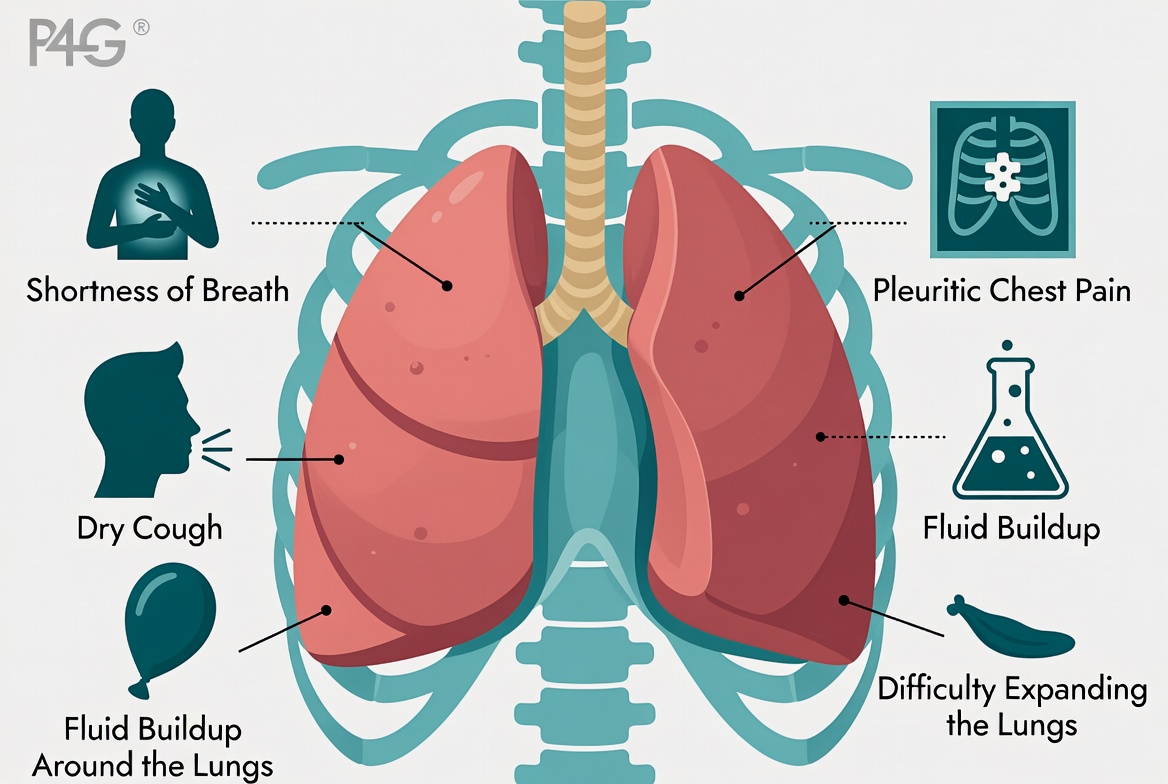
Pleural effusion is a condition in which excess fluid builds up in the pleural space, the thin area between the lungs and the chest wall. Normally, a small amount of fluid is present in this space to allow the lungs to move smoothly during breathing. When too much fluid accumulates, it can compress the lungs and make breathing difficult.
Pleural effusion is not a disease itself but a sign of an underlying medical condition. Common causes include pneumonia, heart failure, tuberculosis (TB), lung cancer, kidney disease, liver disease, and pulmonary embolism. The severity of symptoms depends on the amount of fluid and the underlying cause.
Treatment focuses on relieving symptoms by removing excess fluid when necessary and treating the condition responsible for the fluid buildup. Early diagnosis can help prevent serious complications and improve outcomes.
Common Symptoms
- Shortness of breath.
- Sharp chest pain that may worsen during deep breathing or coughing (pleuritic chest pain).
- Persistent dry cough.
- Difficulty taking deep breaths.
- Fatigue.
- Fever if the effusion is caused by an infection.
Pleural Effusion Has Many Possible Causes
Because pleural effusion usually develops as a complication of another illness, identifying and treating the underlying cause is an essential part of management.
Do Not Ignore Persistent Breathlessness
New or worsening shortness of breath, especially when accompanied by chest pain or fever, should be evaluated promptly. Early diagnosis may prevent complications and improve recovery.
If you experience unexplained shortness of breath, chest pain, or a persistent cough, consult your healthcare provider. Prompt evaluation can identify the cause of pleural effusion and help restore normal breathing.
Symptoms
The symptoms of pleural effusion depend on the amount of fluid that has collected around the lungs, how quickly it develops, and the underlying cause. Small pleural effusions may not cause any symptoms and are sometimes discovered during imaging tests performed for another reason.
As more fluid accumulates in the pleural space, it can compress the lungs and make breathing more difficult. Symptoms may develop gradually or suddenly, depending on the underlying condition.
Common Symptoms of Pleural Effusion
| Symptom | Description |
|---|---|
| Shortness of Breath | The most common symptom. Breathing may become difficult, especially during physical activity or when lying down if the fluid collection is large. |
| Chest Pain | Sharp or stabbing pain that often worsens during deep breathing, coughing, or sneezing. This is known as pleuritic chest pain. |
| Dry Cough | A persistent cough without mucus may occur because the fluid irritates the lining of the lungs. |
| Difficulty Taking Deep Breaths | Many people feel unable to fully expand their lungs because of pressure from the fluid. |
| Fever and Chills | May occur when pleural effusion is caused by an infection such as pneumonia or tuberculosis. |
| Fatigue | Reduced oxygen levels and the underlying illness may cause tiredness and weakness. |
| Rapid Breathing (Tachypnea) | Your body may compensate for reduced lung expansion by increasing the breathing rate. |
| Reduced Exercise Tolerance | Activities that were previously easy may become difficult due to breathlessness. |
Symptoms May Vary Depending on the Cause
- Pneumonia: Fever, productive cough, chills, and chest pain.
- Heart Failure: Swelling of the legs, difficulty breathing when lying flat, and fatigue.
- Tuberculosis: Persistent cough, night sweats, fever, and weight loss.
- Lung Cancer: Persistent cough, unexplained weight loss, coughing up blood, and chest pain.
- Pulmonary Embolism: Sudden chest pain, rapid breathing, and sudden shortness of breath.
Small Pleural Effusions May Cause No Symptoms
Small amounts of fluid around the lungs may not cause noticeable symptoms and are often found during a chest X-ray or CT scan performed for another medical reason.
Symptoms Can Worsen as More Fluid Collects
As pleural effusion increases in size, breathing may become progressively more difficult. Prompt medical evaluation can help identify the cause and prevent further complications.
Seek Emergency Medical Care Immediately If You:
- Develop sudden or severe shortness of breath.
- Experience severe chest pain, especially if it occurs suddenly.
- Notice blue lips, tongue, or fingertips.
- Develop confusion, dizziness, or fainting.
- Have a high fever with worsening breathing difficulty.
- Cough up blood.
If you experience persistent shortness of breath, chest pain, or a cough that does not improve, consult your healthcare provider. Early diagnosis and treatment of pleural effusion and its underlying cause can improve breathing and reduce the risk of serious complications.
Causes
Pleural effusion occurs when excess fluid collects in the pleural space, the thin area between the lungs and the chest wall. Normally, only a small amount of fluid is present to lubricate the lungs during breathing. Various medical conditions can disrupt the balance between fluid production and removal, causing fluid to accumulate.
Pleural effusion is usually a complication of another disease rather than a disease itself. Identifying the underlying cause is essential because treatment depends on the condition responsible for the fluid buildup.
Common Causes of Pleural Effusion
| Cause | Description |
|---|---|
| Heart Failure | The most common cause of pleural effusion. Poor heart function allows fluid to accumulate in the lungs and pleural space. |
| Pneumonia | Lung infections can cause inflammation that leads to fluid buildup around the lungs. This is known as a parapneumonic effusion and may progress to empyema if infected. |
| Tuberculosis (TB) | Tuberculosis can inflame the pleura and cause pleural effusion, particularly in countries where TB is common. |
| Lung Cancer and Other Cancers | Cancers involving the lungs, pleura, breast, ovaries, or other organs may cause malignant pleural effusion. |
| Pulmonary Embolism | A blood clot in the lungs can lead to inflammation and fluid accumulation in the pleural space. |
| Kidney Disease | Severe kidney disease may cause fluid overload or low protein levels, increasing the risk of pleural effusion. |
| Liver Disease (Cirrhosis) | Advanced liver disease may allow fluid to move from the abdomen into the pleural space, a condition known as hepatic hydrothorax. |
| Autoimmune Diseases | Conditions such as rheumatoid arthritis and systemic lupus erythematosus (SLE) can inflame the pleura and cause fluid accumulation. |
| Chest Injury or Surgery | Trauma or surgery involving the chest may result in temporary pleural effusion during healing. |
| Pancreatitis | Inflammation of the pancreas can occasionally cause fluid to collect around the lungs. |
Types of Pleural Effusion
- Transudative Pleural Effusion: Usually caused by conditions that affect pressure or fluid balance, such as heart failure, kidney disease, or liver cirrhosis.
- Exudative Pleural Effusion: Caused by inflammation, infection, cancer, pulmonary embolism, or autoimmune diseases.
Treating the Underlying Cause Is Essential
Pleural effusion often returns if the condition causing the fluid buildup is not treated. Managing the underlying disease is an important part of long-term care.
Pleural Effusion Can Be a Sign of a Serious Illness
Although some pleural effusions are mild, others may indicate serious conditions such as lung cancer, tuberculosis, heart failure, or pulmonary embolism. Medical evaluation is important to determine the exact cause.
Early Diagnosis Can Prevent Complications
Prompt diagnosis and treatment of pneumonia, tuberculosis, heart failure, and other underlying conditions can reduce the risk of developing pleural effusion and improve overall health outcomes.
Because pleural effusion has many possible causes, your healthcare provider may recommend imaging studies, blood tests, and analysis of the pleural fluid to determine the underlying condition and guide appropriate treatment.
Risk Factors
Pleural effusion can affect people of all ages, but certain medical conditions and lifestyle factors increase the likelihood of developing excess fluid around the lungs. Most risk factors are related to diseases that interfere with the normal balance of fluid production and absorption in the pleural space.
Recognizing these risk factors can help with early diagnosis and treatment, reducing the risk of breathing difficulties and other complications.
Common Risk Factors for Pleural Effusion
| Risk Factor | How It Increases Risk |
|---|---|
| Heart Failure | The most common risk factor. Poor heart function can cause fluid to build up in the lungs and pleural space. |
| Pneumonia or Other Lung Infections | Respiratory infections may cause inflammation that leads to fluid accumulation around the lungs. |
| Tuberculosis (TB) | People with active or previous tuberculosis are at increased risk of developing pleural effusion. |
| Cancer | Lung cancer, breast cancer, lymphoma, and other cancers may spread to the pleura or block lymphatic drainage, causing fluid buildup. |
| Kidney Disease | Chronic kidney disease and kidney failure can lead to fluid overload and low protein levels, increasing the risk of pleural effusion. |
| Liver Cirrhosis | Advanced liver disease can cause fluid to move into the chest cavity, especially on the right side. |
| Pulmonary Embolism | A blood clot in the lungs can trigger inflammation and fluid accumulation in the pleural space. |
| Autoimmune Diseases | Conditions such as rheumatoid arthritis and systemic lupus erythematosus (SLE) can inflame the pleura. |
| Chest Surgery or Trauma | Recent chest operations or injuries may temporarily increase the risk of pleural effusion. |
| Smoking | Smoking increases the risk of lung diseases, including lung cancer and chronic respiratory infections, which may lead to pleural effusion. |
Who Is at Higher Risk?
- Older adults.
- People with chronic heart, lung, kidney, or liver disease.
- Individuals undergoing cancer treatment.
- Current and former smokers.
- People with weakened immune systems.
- Individuals with active tuberculosis or a history of TB.
- Patients recovering from major chest surgery.
- People with autoimmune disorders.
Managing Chronic Diseases Can Lower Your Risk
Keeping conditions such as heart failure, kidney disease, liver disease, and chronic lung diseases under good control can reduce the likelihood of developing pleural effusion.
Do Not Ignore New Breathing Problems
If you have one or more risk factors and develop unexplained shortness of breath, chest pain, or a persistent cough, seek medical evaluation promptly. Early diagnosis can prevent complications.
Healthy Lifestyle Choices Help Protect Your Lungs
Avoid smoking, stay up to date with recommended vaccinations, manage chronic illnesses, and attend regular medical check-ups to reduce your risk of conditions that may lead to pleural effusion.
Although not every case of pleural effusion can be prevented, understanding your risk factors and receiving timely treatment for underlying medical conditions can help reduce the chance of fluid buildup around the lungs and improve overall respiratory health.
Diagnosis
Diagnosing pleural effusion involves confirming the presence of fluid around the lungs, determining how much fluid has accumulated, and identifying the underlying cause. Because pleural effusion is usually a complication of another medical condition, finding the cause is an essential part of diagnosis.
Your healthcare provider will review your symptoms, medical history, perform a physical examination, and recommend imaging and laboratory tests. In many cases, a sample of the pleural fluid is analyzed to help determine why the fluid has collected.
Common Tests Used to Diagnose Pleural Effusion
| Test | Purpose |
|---|---|
| Medical History and Physical Examination | Your healthcare provider will ask about symptoms, previous lung or heart disease, infections, cancer, and listen to your lungs for reduced breath sounds or other abnormal findings. |
| Chest X-ray | Often the first imaging test used to detect fluid around the lungs and estimate its size. |
| Chest Ultrasound | Helps confirm the presence of fluid, estimate the amount, locate the safest area for drainage, and guide thoracentesis. |
| CT Scan of the Chest | Provides detailed images of the lungs, pleura, and surrounding structures to identify infections, tumors, blood clots, or other abnormalities. |
| Thoracentesis (Pleural Fluid Aspiration) | A needle is used to remove a sample of pleural fluid for laboratory analysis. This helps determine whether the effusion is caused by infection, cancer, heart failure, tuberculosis, or another condition. |
| Pleural Fluid Analysis | The fluid is tested for protein, glucose, lactate dehydrogenase (LDH), pH, cell counts, bacteria, tuberculosis, and cancer cells to identify the underlying cause. |
| Blood Tests | Evaluate infection, kidney function, liver function, autoimmune diseases, and other medical conditions that may contribute to pleural effusion. |
| Pulse Oximetry | Measures blood oxygen saturation (SpO?) to assess how well the lungs are delivering oxygen to the body. |
| Bronchoscopy or Pleural Biopsy | May be recommended when cancer, tuberculosis, or another serious condition is suspected and additional tissue samples are needed. |
Determining the Cause of Pleural Effusion
After confirming the presence of pleural effusion, your healthcare provider will classify the fluid and investigate the underlying condition responsible for its development.
- Determine whether the fluid is transudative or exudative.
- Look for signs of infection such as pneumonia or tuberculosis.
- Evaluate for heart failure, kidney disease, or liver disease.
- Check for lung cancer or other cancers.
- Assess for pulmonary embolism or autoimmune diseases when appropriate.
Thoracentesis Is an Important Diagnostic Test
Removing and analyzing pleural fluid helps identify the underlying cause of pleural effusion and guides the most appropriate treatment. The procedure can also relieve breathlessness by reducing pressure on the lungs.
Further Testing May Be Needed
If the cause of pleural effusion is not immediately clear, your healthcare provider may recommend additional imaging, repeat fluid analysis, bronchoscopy, or a pleural biopsy to reach a diagnosis.
Early Diagnosis Improves Outcomes
Prompt diagnosis allows treatment to begin before the fluid causes severe breathing difficulties or complications. Managing the underlying disease is essential to prevent the pleural effusion from returning.
If you develop persistent shortness of breath, chest pain, or a cough that does not improve, seek medical evaluation. Early diagnosis and treatment of pleural effusion can improve breathing, reduce complications, and address the underlying medical condition.
Treatment
Treatment for pleural effusion focuses on relieving symptoms, removing excess fluid when necessary, and treating the underlying condition responsible for the fluid buildup. The best treatment depends on the cause, the amount of fluid present, and how severely it affects breathing.
Small pleural effusions that do not cause symptoms may only require monitoring. Larger effusions or those causing significant breathing problems often need drainage in addition to treatment of the underlying disease.
Common Treatment Options for Pleural Effusion
| Treatment | Purpose |
|---|---|
| Treating the Underlying Cause | Managing conditions such as heart failure, pneumonia, tuberculosis, cancer, kidney disease, or liver disease helps prevent fluid from returning. |
| Thoracentesis | A procedure that removes excess pleural fluid using a needle. It relieves breathlessness and provides fluid for laboratory analysis. |
| Chest Tube Drainage | A chest tube may be inserted to continuously drain infected, large, or recurrent pleural effusions, especially empyema. |
| Antibiotics | Prescribed when the pleural effusion is caused by bacterial pneumonia or other bacterial infections. |
| Diuretics (Water Tablets) | Commonly used for pleural effusions caused by heart failure or fluid overload to help remove excess fluid from the body. |
| Cancer Treatment | Chemotherapy, immunotherapy, targeted therapy, radiation therapy, or surgery may be recommended for malignant pleural effusions, depending on the type and stage of cancer. |
| Pleurodesis | A procedure that seals the pleural space to help prevent recurrent pleural effusions, most commonly in people with recurrent malignant pleural effusions. |
| Indwelling Pleural Catheter (IPC) | A small tube placed under the skin that allows repeated drainage of recurrent pleural effusions at home under medical guidance. |
| Surgery | Video-assisted thoracoscopic surgery (VATS) or other surgical procedures may be required to remove infected tissue, drain complicated effusions, or treat the underlying problem. |
Self-Care During Recovery
- Take all prescribed medications exactly as directed.
- Attend follow-up appointments and recommended imaging studies.
- Get adequate rest while gradually returning to normal activities.
- Avoid smoking and exposure to secondhand smoke.
- Drink enough fluids unless your healthcare provider has advised fluid restriction.
- Follow your treatment plan for heart, kidney, liver, or lung disease.
- Seek medical advice if your symptoms return or worsen.
Removing Fluid Can Improve Breathing Quickly
Thoracentesis often provides rapid relief from shortness of breath by reducing pressure on the lungs. However, treating the underlying cause is essential to prevent the fluid from returning.
Do Not Ignore Returning Symptoms
If breathlessness, chest pain, or cough returns after treatment, contact your healthcare provider promptly. Recurrent pleural effusions may require additional evaluation or treatment.
Most People Improve with Appropriate Treatment
The outlook for pleural effusion depends on its underlying cause. Early diagnosis, proper treatment, and regular follow-up can relieve symptoms, improve breathing, and reduce the risk of future complications.
If you develop worsening shortness of breath, chest pain, high fever, or severe coughing after treatment, seek immediate medical attention. Prompt care can help prevent serious complications and support a faster recovery.
Need Expert Medical Guidance?
Schedule a direct consultation with Dr. Nabila Zaheer for a personalized care plan.
Prevention
Pleural effusion cannot always be prevented because it usually develops as a complication of another medical condition. However, reducing your risk of illnesses that commonly cause pleural effusion and managing chronic diseases effectively can significantly lower the likelihood of fluid building up around the lungs.
Regular medical care, healthy lifestyle habits, and prompt treatment of infections are important steps in protecting your lung health and preventing complications.
Ways to Help Prevent Pleural Effusion
| Prevention Strategy | How It Helps |
|---|---|
| Manage Heart Failure | Following your treatment plan, taking prescribed medications, and limiting salt intake can reduce fluid buildup and lower the risk of pleural effusion. |
| Treat Lung Infections Promptly | Early treatment of pneumonia and other respiratory infections can help prevent inflammation and fluid accumulation around the lungs. |
| Prevent Tuberculosis (TB) | Early diagnosis and complete treatment of tuberculosis reduce the risk of TB-related pleural effusion. |
| Stay Up to Date with Vaccinations | Annual influenza vaccination and recommended pneumococcal vaccines help reduce the risk of serious respiratory infections. |
| Do Not Smoke | Avoiding smoking lowers the risk of lung cancer, chronic lung disease, and respiratory infections that may lead to pleural effusion. |
| Manage Kidney and Liver Disease | Controlling chronic kidney disease and liver cirrhosis helps reduce fluid overload and prevents complications. |
| Maintain a Healthy Lifestyle | Regular exercise, a balanced diet, maintaining a healthy weight, and getting enough sleep support overall heart and lung health. |
| Attend Regular Medical Check-Ups | Routine follow-up allows healthcare providers to detect and manage chronic illnesses before complications develop. |
| Follow Cancer Treatment Plans | People with cancer should attend scheduled appointments and follow treatment recommendations to reduce the risk of malignant pleural effusion. |
Healthy Habits That Protect Your Lungs
- Avoid smoking and secondhand smoke.
- Practice good hand hygiene to reduce respiratory infections.
- Complete all prescribed medications, including antibiotics.
- Stay physically active according to your healthcare provider's advice.
- Maintain a healthy weight and balanced diet.
- Monitor chronic conditions such as heart failure, kidney disease, and liver disease.
- Seek medical care promptly if you develop persistent cough, fever, or breathing difficulties.
Managing Chronic Diseases Is the Best Prevention
Most pleural effusions develop because of another medical condition. Keeping heart, lung, kidney, liver, and autoimmune diseases under good control greatly reduces the risk of fluid buildup around the lungs.
Do Not Delay Treatment for Respiratory Symptoms
Persistent cough, fever, chest pain, or shortness of breath should be evaluated promptly. Early treatment of infections and other lung conditions can help prevent pleural effusion.
Regular Follow-Up Supports Long-Term Lung Health
Attending routine medical appointments and following your treatment plan can help detect health problems early, reduce complications, and improve your overall quality of life.
Although pleural effusion cannot always be prevented, maintaining a healthy lifestyle, managing chronic medical conditions, avoiding smoking, and seeking timely medical care can significantly reduce your risk and help protect your respiratory health.
Complications
Pleural effusion can lead to serious complications if it is not diagnosed and treated promptly. As fluid continues to collect around the lungs, it can interfere with normal breathing and reduce the amount of oxygen reaching the body. The risk of complications depends on the amount of fluid, how quickly it accumulates, and the underlying cause.
Early diagnosis and treatment can help relieve symptoms, prevent permanent lung damage, and reduce the likelihood of life-threatening complications.
Possible Complications of Pleural Effusion
| Complication | Description |
|---|---|
| Respiratory Distress | Large pleural effusions can compress the lungs, making breathing difficult and reducing oxygen delivery to the body. |
| Respiratory Failure | Severe or untreated pleural effusion may lead to respiratory failure, requiring emergency medical treatment. |
| Empyema | If the pleural fluid becomes infected, pus can accumulate in the pleural space. This serious condition usually requires antibiotics and drainage. |
| Fibrosis and Pleural Thickening | Long-standing inflammation or infection may cause scarring and thickening of the pleura, restricting normal lung expansion. |
| Trapped Lung | Scar tissue may prevent the lung from fully expanding even after the fluid has been removed, causing persistent breathlessness. |
| Sepsis | Severe infections associated with pleural effusion can spread into the bloodstream, resulting in a life-threatening condition. |
| Recurrent Pleural Effusion | Fluid may return if the underlying cause, such as heart failure or cancer, is not effectively treated. |
| Reduced Lung Function | Persistent fluid or repeated pleural effusions may reduce lung capacity and limit physical activity. |
| Complications of the Underlying Disease | Pleural effusion caused by conditions such as cancer, tuberculosis, pulmonary embolism, or heart failure may worsen if the underlying illness is not treated. |
Warning Signs That Require Immediate Medical Attention
- Sudden or severe shortness of breath.
- Rapid breathing or difficulty speaking due to breathlessness.
- Sharp or worsening chest pain.
- High fever with chills.
- Blue lips, tongue, or fingertips.
- Confusion, fainting, or extreme drowsiness.
- Coughing up blood.
Large Pleural Effusions Can Become Medical Emergencies
A large amount of fluid around the lungs can severely restrict breathing. If you develop sudden breathlessness, severe chest pain, or signs of low oxygen, seek emergency medical care immediately.
Treat the Underlying Cause to Prevent Recurrence
Removing the fluid alone may not solve the problem. Proper treatment of heart failure, pneumonia, tuberculosis, cancer, or other underlying conditions is essential to reduce the risk of the pleural effusion returning.
Early Treatment Helps Prevent Long-Term Damage
Prompt diagnosis, appropriate drainage when needed, and management of the underlying disease can improve breathing, reduce complications, and help preserve normal lung function.
Although pleural effusion can sometimes become serious, many complications can be prevented with early medical evaluation, timely treatment, and regular follow-up with your healthcare provider.
When to See a Doctor
Pleural effusion can range from a small collection of fluid that causes no symptoms to a large buildup that makes breathing difficult. Because it is often a sign of an underlying medical condition, early evaluation is important to identify the cause and begin appropriate treatment.
Do not ignore persistent shortness of breath, chest pain, or a cough that does not improve. Prompt medical care can help prevent complications and improve your recovery.
Schedule a Medical Appointment If You:
- Develop unexplained shortness of breath.
- Have chest pain, especially if it worsens when taking a deep breath or coughing.
- Experience a persistent cough that does not improve.
- Have a fever or chills along with breathing difficulties.
- Notice increasing fatigue or reduced ability to perform daily activities.
- Have swelling in your legs along with shortness of breath, which may suggest heart failure.
- Have a history of heart failure, kidney disease, liver disease, tuberculosis, or cancer and develop new respiratory symptoms.
- Experience recurring pleural effusions or worsening symptoms after previous treatment.
People at Higher Risk Should Seek Early Evaluation
Early medical assessment is especially important if you have conditions that commonly cause pleural effusion, including:
- Heart failure.
- Pneumonia or other serious lung infections.
- Tuberculosis (TB).
- Lung cancer or other cancers.
- Chronic kidney disease.
- Liver cirrhosis.
- Pulmonary embolism.
- Autoimmune diseases such as rheumatoid arthritis or systemic lupus erythematosus (SLE).
Follow-Up Care Is Important
If you have been treated for pleural effusion, attend all follow-up appointments and imaging studies. These visits help ensure the fluid has resolved, monitor for recurrence, and confirm that the underlying condition is being effectively managed.
Seek Emergency Medical Care Immediately If You:
- Develop sudden or severe shortness of breath.
- Experience severe chest pain or pressure.
- Notice blue lips, tongue, or fingertips.
- Become confused, faint, or unusually drowsy.
- Have a high fever with worsening breathing problems.
- Cough up blood.
- Cannot speak in full sentences because of breathlessness.
Do Not Delay Evaluation
Pleural effusion is often caused by conditions such as heart failure, pneumonia, tuberculosis, or cancer. Early diagnosis allows treatment to begin before serious complications develop.
Early Treatment Leads to Better Outcomes
Most people recover well when pleural effusion is diagnosed early and the underlying cause is treated promptly. Following your treatment plan and attending regular follow-up appointments can reduce the risk of recurrence and improve long-term lung health.
If you experience persistent breathlessness, chest pain, or a cough that does not improve, consult your healthcare provider as soon as possible. Early diagnosis and appropriate treatment can relieve symptoms, address the underlying cause, and help prevent serious complications.