Overview
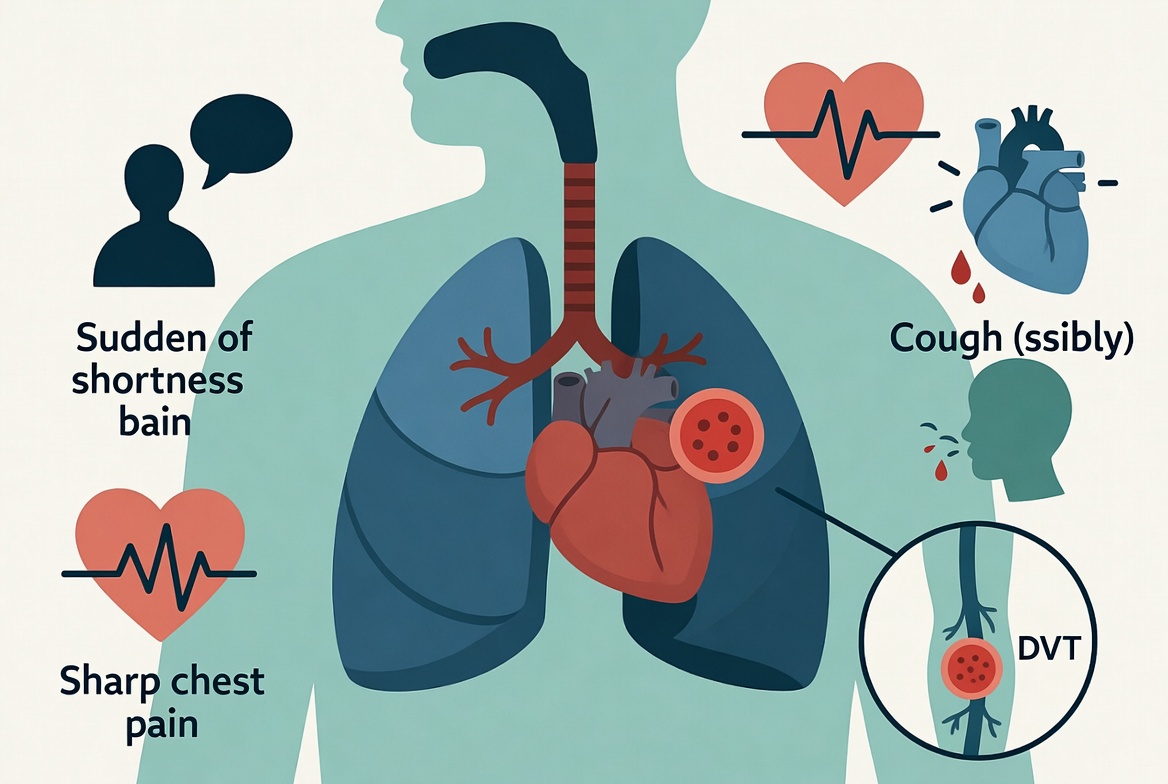
Pulmonary embolism (PE) is a serious and potentially life-threatening condition that occurs when a blood clot blocks one or more arteries in the lungs. In most cases, the clot originates in the deep veins of the legs or pelvis—a condition known as deep vein thrombosis (DVT)—and travels through the bloodstream to the lungs.
The blockage reduces blood flow through the lungs, making it difficult for oxygen to reach the body. Depending on the size and number of clots, pulmonary embolism can cause sudden shortness of breath, chest pain, rapid heartbeat, and low blood oxygen levels. Large or multiple clots can place significant strain on the heart and require emergency treatment.
Pulmonary embolism is a medical emergency. Early diagnosis and prompt treatment greatly improve survival and reduce the risk of long-term complications. Most people recover well when treatment is started quickly.
Common Symptoms
- Sudden shortness of breath.
- Sharp chest pain that may worsen with deep breathing.
- Rapid heartbeat (tachycardia).
- Cough, sometimes with blood (hemoptysis).
- Lightheadedness or dizziness.
- Fainting (syncope).
- Low blood oxygen levels.
- Leg pain or swelling, usually in one leg, due to deep vein thrombosis (DVT).
Pulmonary Embolism Is a Medical Emergency
Sudden shortness of breath, chest pain, coughing up blood, or fainting may indicate a pulmonary embolism. Seek emergency medical care immediately if these symptoms occur.
Most Pulmonary Embolisms Begin as Deep Vein Thrombosis (DVT)
Pain, swelling, warmth, or redness in one leg may be signs of DVT. Prompt treatment can help prevent the clot from traveling to the lungs.
Early Treatment Saves Lives
Rapid diagnosis and treatment with blood-thinning medications or other therapies can restore blood flow, reduce complications, and significantly improve survival.
If you experience sudden breathing difficulty, chest pain, or symptoms of deep vein thrombosis, seek immediate medical attention. Pulmonary embolism requires urgent evaluation and treatment.
Symptoms
The symptoms of pulmonary embolism (PE) often appear suddenly and can range from mild to life-threatening depending on the size and location of the blood clot. A small clot may cause few symptoms, while a large clot can severely reduce blood flow to the lungs and become a medical emergency.
Many people with pulmonary embolism also have symptoms of deep vein thrombosis (DVT), as most pulmonary emboli originate from blood clots in the deep veins of the legs.
Common Symptoms of Pulmonary Embolism
| Symptom | Description |
|---|---|
| Sudden Shortness of Breath | The most common symptom. Breathing difficulty usually begins suddenly and may occur even while resting. |
| Chest Pain | Sharp or stabbing chest pain that often worsens with deep breathing, coughing, or movement (pleuritic chest pain). |
| Rapid Heartbeat (Tachycardia) | The heart beats faster as it works harder to pump blood through blocked lung arteries. |
| Cough | A cough may develop and occasionally produces blood-stained sputum (hemoptysis). |
| Low Blood Oxygen Levels | Reduced oxygen in the bloodstream may cause breathlessness, bluish lips or fingertips (cyanosis), and confusion. |
| Lightheadedness or Dizziness | Reduced oxygen delivery and decreased blood flow may lead to dizziness or feeling faint. |
| Fainting (Syncope) | Large pulmonary emboli can cause a sudden drop in blood pressure, leading to loss of consciousness. |
| Excessive Sweating | Cold sweats may occur as the body responds to reduced blood flow and oxygen. |
| Anxiety or Feeling of Impending Doom | Some people experience sudden anxiety or a feeling that something is seriously wrong. |
Symptoms of Deep Vein Thrombosis (DVT)
Because most pulmonary emboli originate from deep vein thrombosis, symptoms of DVT may occur before or at the same time as pulmonary embolism.
- Swelling in one leg, ankle, or foot.
- Leg pain or tenderness, especially in the calf.
- Warmth over the affected area.
- Red or discolored skin on the affected leg.
- Visible enlarged surface veins in some cases.
Symptoms Can Develop Suddenly
Unlike many chronic lung diseases, pulmonary embolism usually causes symptoms that begin suddenly. Even mild symptoms should be evaluated promptly because the condition can worsen quickly.
Do Not Ignore Signs of Deep Vein Thrombosis
Pain, swelling, redness, or warmth in one leg may indicate a deep vein thrombosis. Early treatment can prevent the clot from traveling to the lungs and causing a pulmonary embolism.
Seek Emergency Medical Care Immediately If You:
- Develop sudden or severe shortness of breath.
- Experience sharp chest pain, especially when breathing deeply.
- Cough up blood.
- Faint or lose consciousness.
- Notice blue lips or fingertips.
- Develop a rapid heartbeat with dizziness or severe weakness.
- Have sudden breathing difficulty together with swelling or pain in one leg.
Pulmonary embolism is a medical emergency. If you develop sudden shortness of breath, chest pain, coughing up blood, or symptoms of deep vein thrombosis, seek emergency medical care immediately. Early treatment can be lifesaving and significantly reduce the risk of serious complications.
Causes
Pulmonary embolism (PE) occurs when a blood clot or, less commonly, another substance blocks one or more arteries in the lungs. In most cases, the clot forms in the deep veins of the legs or pelvis—a condition called deep vein thrombosis (DVT)—and then travels through the bloodstream to the lungs.
Once the clot reaches the lungs, it blocks blood flow, reducing oxygen exchange and forcing the heart to work harder. Large or multiple clots can rapidly become life-threatening if not treated promptly.
Common Causes of Pulmonary Embolism
| Cause | Description |
|---|---|
| Deep Vein Thrombosis (DVT) | The most common cause of pulmonary embolism. A blood clot forms in a deep vein, usually in the leg or pelvis, and travels to the lungs. |
| Prolonged Immobility | Long periods of sitting or lying down, such as during long-distance travel, hospitalization, or bed rest, increase the risk of blood clot formation. |
| Recent Surgery or Major Trauma | Operations, especially involving the hips, knees, pelvis, abdomen, or chest, and serious injuries increase the likelihood of developing DVT. |
| Cancer | Many cancers and some cancer treatments increase blood clotting, making pulmonary embolism more likely. |
| Inherited Blood Clotting Disorders | Conditions such as Factor V Leiden mutation, prothrombin gene mutation, and deficiencies of protein C, protein S, or antithrombin increase the tendency to form clots. |
| Pregnancy and the Postpartum Period | Hormonal changes and increased pressure on pelvic veins during pregnancy and after childbirth raise the risk of blood clots. |
| Hormone Therapy or Birth Control Pills | Estrogen-containing medications can increase the risk of developing blood clots, particularly in smokers and older women. |
| Heart Failure and Certain Chronic Diseases | Conditions that reduce blood flow or increase clotting risk may contribute to pulmonary embolism. |
| Rare Non-Blood Clot Emboli | In uncommon cases, pulmonary embolism may be caused by fat droplets (after major fractures), air bubbles, amniotic fluid during childbirth, or tumor fragments. |
How Does a Pulmonary Embolism Develop?
- A blood clot forms in a deep vein, usually in the leg or pelvis.
- The clot breaks loose and travels through the bloodstream.
- It reaches the pulmonary arteries in the lungs.
- The artery becomes blocked, reducing blood flow and oxygen exchange.
- The heart must work harder, which can lead to serious complications if the blockage is large.
Most Pulmonary Embolisms Start as Deep Vein Thrombosis
Approximately 90% of pulmonary emboli originate from blood clots that develop in the deep veins of the legs or pelvis. Recognizing and treating DVT early can prevent pulmonary embolism.
Long Periods Without Movement Increase Risk
Sitting for extended periods during travel, prolonged bed rest, or recovery after surgery slows blood flow in the legs and increases the chance of clot formation.
Many Cases Can Be Prevented
Staying physically active, walking during long journeys, following medical advice after surgery, and taking prescribed blood-thinning medication when indicated can significantly reduce the risk of pulmonary embolism.
If you develop swelling or pain in one leg, especially after surgery, prolonged travel, or hospitalization, seek medical attention promptly. Early treatment of deep vein thrombosis can prevent a life-threatening pulmonary embolism.
Risk Factors
Pulmonary embolism (PE) usually develops when a blood clot forms in a deep vein and travels to the lungs. Several medical conditions, lifestyle factors, and temporary situations can increase the likelihood of developing these blood clots. Understanding your risk factors can help you and your healthcare provider take steps to prevent pulmonary embolism.
Having one or more risk factors does not mean you will definitely develop pulmonary embolism, but it does increase your risk—especially when multiple factors occur together.
Common Risk Factors for Pulmonary Embolism
| Risk Factor | How It Increases Risk |
|---|---|
| Previous Deep Vein Thrombosis (DVT) or Pulmonary Embolism | A history of blood clots is one of the strongest predictors of developing another clot. |
| Prolonged Immobility | Extended bed rest, hospitalization, paralysis, or sitting for long periods during travel slows blood flow in the legs and promotes clot formation. |
| Recent Surgery or Major Injury | Orthopedic surgery, abdominal surgery, pelvic surgery, major trauma, or fractures increase the risk of blood clots. |
| Cancer | Many cancers and chemotherapy increase blood clotting and the likelihood of pulmonary embolism. |
| Pregnancy and the Postpartum Period | Hormonal changes and pressure on pelvic veins increase the risk of clot formation during pregnancy and for several weeks after delivery. |
| Hormone Therapy or Birth Control Pills | Estrogen-containing medications increase the risk of blood clots, particularly in smokers and women over 35 years of age. |
| Inherited Blood Clotting Disorders | Conditions such as Factor V Leiden mutation, prothrombin gene mutation, and deficiencies of protein C, protein S, or antithrombin increase clotting risk. |
| Older Age | The risk of pulmonary embolism increases with age, especially after 60 years. |
| Obesity | Excess body weight increases pressure on the veins and contributes to reduced circulation and clot formation. |
| Smoking | Smoking damages blood vessels and increases the tendency for blood to clot. |
| Heart Disease | Heart failure and certain cardiovascular conditions increase the likelihood of blood clot formation. |
| Chronic Medical Conditions | Inflammatory bowel disease, kidney disease, autoimmune disorders, and some chronic infections may increase clotting risk. |
People at Higher Risk
- People who have had DVT or pulmonary embolism before.
- Hospitalized patients or those recovering from major surgery.
- People with cancer or receiving chemotherapy.
- Pregnant women and women who recently gave birth.
- People taking estrogen-containing medications.
- Adults over 60 years of age.
- People who smoke or have obesity.
- Individuals with inherited clotting disorders.
- People taking long flights or road trips without moving for several hours.
Many Risk Factors Are Preventable
Regular movement, staying hydrated, maintaining a healthy weight, quitting smoking, and following medical advice after surgery can significantly reduce the risk of blood clots.
Hospitalization Increases Risk
Patients who are hospitalized or recovering from surgery may receive blood-thinning medications or compression devices to help prevent deep vein thrombosis and pulmonary embolism.
Know the Warning Signs of DVT
Pain, swelling, warmth, or redness in one leg should never be ignored. Early diagnosis and treatment of deep vein thrombosis can prevent a pulmonary embolism.
If you have several risk factors for pulmonary embolism, discuss prevention strategies with your healthcare provider. Depending on your situation, these may include regular movement, compression stockings, or blood-thinning medication to reduce the risk of dangerous blood clots.
Diagnosis
Pulmonary embolism (PE) is a medical emergency that requires prompt diagnosis and treatment. Because its symptoms can resemble those of a heart attack, pneumonia, asthma, or other lung conditions, healthcare providers use a combination of clinical assessment, blood tests, imaging studies, and heart and lung evaluations to confirm the diagnosis.
The goals of diagnosis are to determine whether a pulmonary embolism is present, assess its severity, identify the source of the blood clot, and begin appropriate treatment as quickly as possible.
Common Tests Used to Diagnose Pulmonary Embolism
| Test | Purpose |
|---|---|
| Medical History and Physical Examination | Your healthcare provider will assess symptoms, risk factors, oxygen levels, heart rate, blood pressure, and examine your legs for signs of deep vein thrombosis (DVT). |
| D-Dimer Blood Test | Measures a substance released when blood clots break down. A normal result in low-risk patients makes pulmonary embolism unlikely, while an elevated result requires further evaluation. |
| CT Pulmonary Angiography (CTPA) | The preferred imaging test for diagnosing pulmonary embolism. It uses contrast dye to clearly show blood clots within the pulmonary arteries. |
| Ventilation-Perfusion (V/Q) Scan | Evaluates airflow and blood flow in the lungs. It is often used when CT pulmonary angiography cannot be performed, such as in certain patients with contrast allergy or severe kidney disease. |
| Chest X-ray | Although it usually does not diagnose pulmonary embolism directly, it helps exclude other causes of chest pain and shortness of breath. |
| Electrocardiogram (ECG) | Evaluates heart rhythm and helps identify signs of heart strain or rule out other cardiac conditions. |
| Echocardiogram | Assesses heart function and detects strain on the right side of the heart caused by a large pulmonary embolism. |
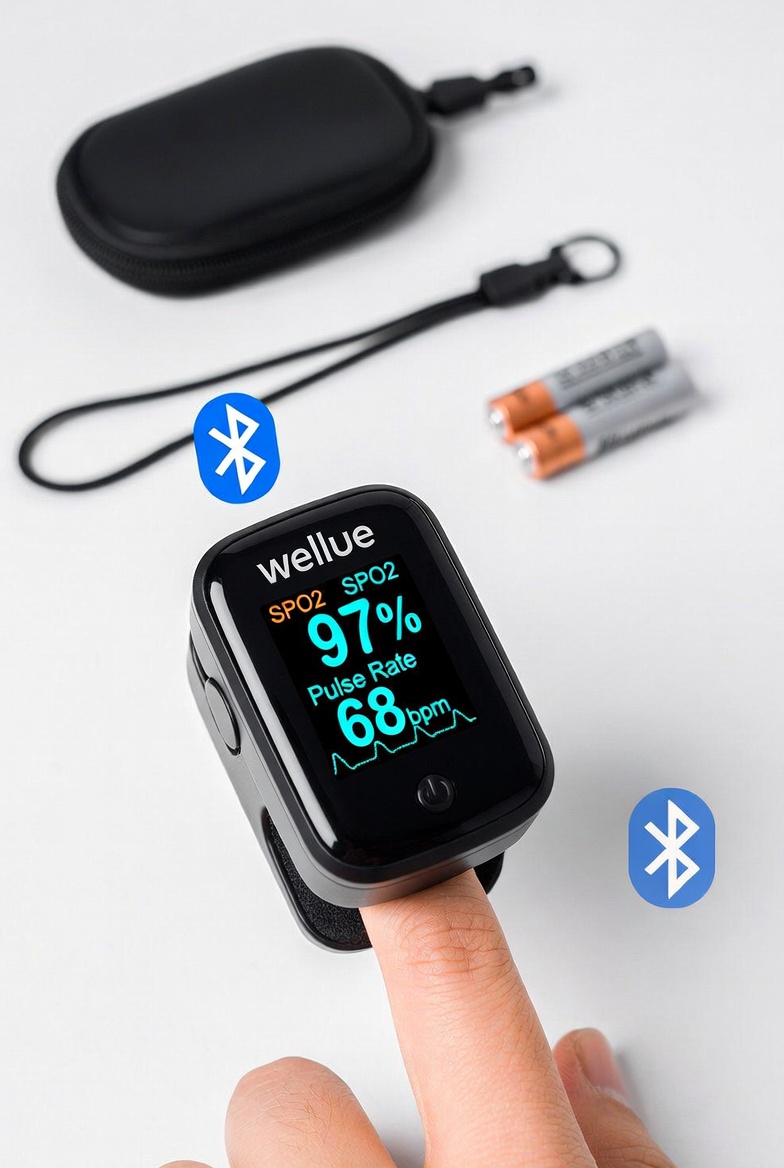
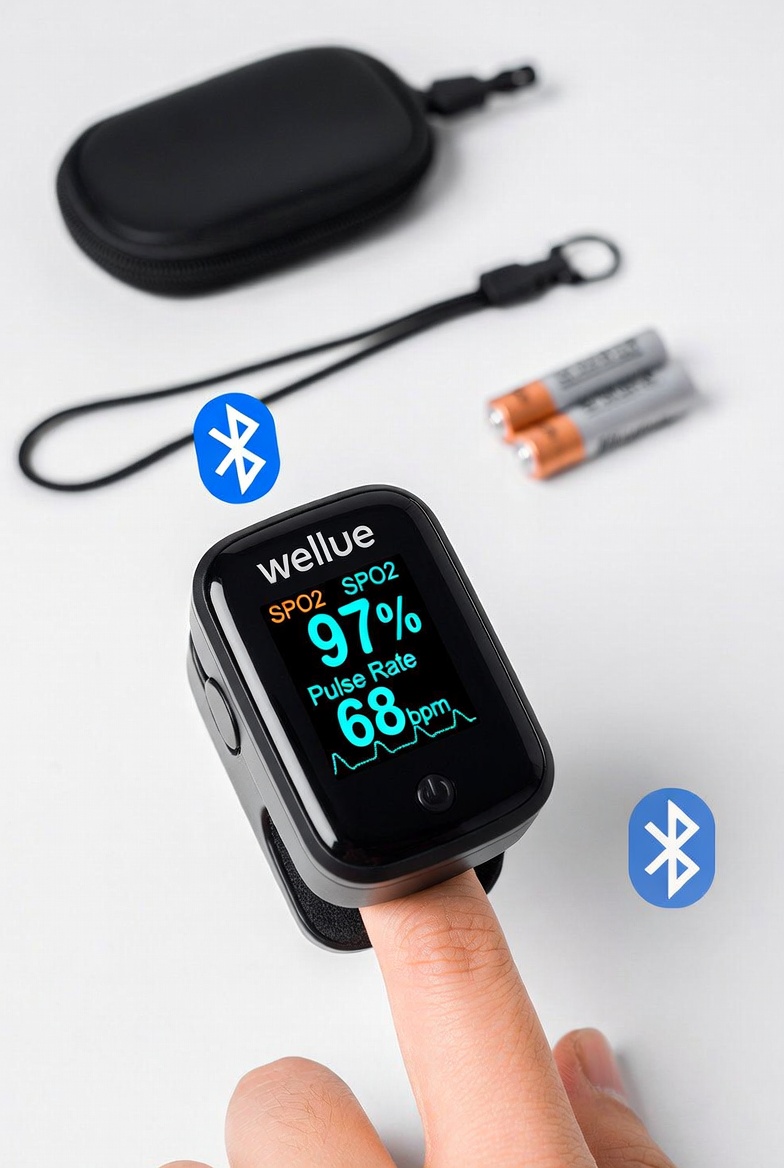
| Pulse Oximetry and Arterial Blood Gas (ABG) | Measure blood oxygen levels and evaluate how well the lungs are exchanging oxygen and carbon dioxide. |
| Compression Ultrasound of the Legs | Detects deep vein thrombosis, which is the source of most pulmonary emboli. |
| Blood Tests | Additional tests may assess heart damage (troponin), heart strain (BNP or NT-proBNP), kidney function, and clotting status before treatment. |
How Doctors Assess Severity
- Size and location of the blood clot.
- Blood pressure and heart rate.
- Blood oxygen levels.
- Evidence of right heart strain on imaging or blood tests.
- Presence of underlying medical conditions.
- Clinical risk scores, such as the Wells Score or Geneva Score, to estimate the likelihood of pulmonary embolism before imaging.
CT Pulmonary Angiography Is the Preferred Imaging Test
CT pulmonary angiography (CTPA) is considered the gold standard imaging test for confirming pulmonary embolism in most patients because it can directly visualize blood clots in the pulmonary arteries.
Rapid Diagnosis Is Essential
Pulmonary embolism can become life-threatening within a short period. Healthcare providers often begin treatment immediately when pulmonary embolism is strongly suspected, even before all test results are available.
Early Diagnosis Improves Survival
Prompt recognition and treatment of pulmonary embolism reduce the risk of complications such as right heart failure, recurrent blood clots, pulmonary hypertension, and death.
If you develop sudden shortness of breath, chest pain, coughing up blood, fainting, or symptoms of deep vein thrombosis, seek emergency medical care immediately. Early diagnosis and treatment are critical and can be lifesaving.
Treatment
Pulmonary embolism (PE) is a medical emergency that requires immediate treatment. The primary goals of treatment are to prevent the blood clot from growing, stop new clots from forming, restore blood flow to the lungs, relieve symptoms, and reduce the risk of life-threatening complications.
The choice of treatment depends on the size and location of the clot, the severity of symptoms, blood pressure, heart function, overall health, and the person's risk of bleeding.
Common Treatment Options for Pulmonary Embolism
| Treatment | Purpose |
|---|---|
| Anticoagulant (Blood-Thinning) Medications | These are the main treatment for most people with pulmonary embolism. They prevent existing clots from enlarging and reduce the risk of new clots forming while the body gradually dissolves the clot. |
| Direct Oral Anticoagulants (DOACs) | Medicines such as apixaban, rivaroxaban, dabigatran, and edoxaban are commonly used in eligible patients because they are effective and convenient. |
| Heparin Therapy | Unfractionated heparin or low-molecular-weight heparin (LMWH) is often started immediately in the hospital, particularly for unstable patients or those awaiting further treatment. |
| Thrombolytic ("Clot-Busting") Therapy | Medications such as alteplase may rapidly dissolve large, life-threatening clots in carefully selected patients with severe pulmonary embolism. |
| Catheter-Directed Therapy | A specialist may use a catheter to deliver clot-dissolving medication directly into the clot or mechanically remove it in selected cases. |
| Surgical Pulmonary Embolectomy | Rarely performed but may be lifesaving for patients with massive pulmonary embolism who cannot receive thrombolytic therapy or when other treatments fail. |
| Inferior Vena Cava (IVC) Filter | An IVC filter may be placed in patients who cannot receive anticoagulants or who continue to develop clots despite appropriate treatment. |
| Oxygen Therapy | Supplemental oxygen improves oxygen levels in patients with breathing difficulty or low blood oxygen. |
| Supportive Hospital Care | Includes intravenous fluids when appropriate, careful monitoring, pain relief, and treatment of low blood pressure or shock if present. |
Recovery and Long-Term Care
- Take anticoagulant medications exactly as prescribed.
- Attend all follow-up appointments and blood tests if required.
- Stay physically active as recommended by your healthcare provider.
- Avoid prolonged sitting and move regularly during long trips.
- Wear compression stockings if recommended.
- Maintain a healthy weight and stop smoking.
- Discuss future surgery, pregnancy, or travel plans with your healthcare provider, as preventive measures may be needed.
Blood Thinners Prevent New Clots
Anticoagulants do not immediately dissolve existing clots. Instead, they prevent the clot from growing and allow the body's natural processes to gradually break it down over time.
Never Stop Anticoagulants Without Medical Advice
Stopping blood-thinning medication too early can significantly increase the risk of another pulmonary embolism or deep vein thrombosis. Always follow your healthcare provider's instructions.
Early Treatment Greatly Improves Outcomes
Prompt treatment reduces the risk of recurrent blood clots, right heart failure, chronic thromboembolic pulmonary hypertension (CTEPH), and other serious complications. Most people recover well when pulmonary embolism is diagnosed and treated early.
If you are being treated for pulmonary embolism and develop severe bleeding, worsening shortness of breath, chest pain, fainting, or new swelling in your legs, seek immediate medical attention. Regular follow-up and adherence to treatment are essential for a safe recovery.
Need Expert Medical Guidance?
Schedule a direct consultation with Dr. Nabila Zaheer for a personalized care plan.
Prevention
Although not all cases of pulmonary embolism (PE) can be prevented, many can be avoided by reducing the risk of deep vein thrombosis (DVT), which is the source of most pulmonary emboli. Preventive measures are especially important for people who have recently had surgery, been hospitalized, traveled for long periods, or have other risk factors for blood clots.
Maintaining healthy blood circulation, staying physically active, and following your healthcare provider's recommendations can significantly reduce the risk of developing potentially life-threatening blood clots.
Ways to Help Prevent Pulmonary Embolism
| Prevention Strategy | How It Helps |
|---|---|
| Stay Physically Active | Regular walking and exercise improve blood circulation and reduce the chance of blood clot formation. |
| Avoid Prolonged Sitting | Stand up, stretch, and walk every 1–2 hours during long flights, road trips, or desk work to keep blood flowing in the legs. |
| Stay Well Hydrated | Drinking enough water helps maintain healthy blood flow and reduces dehydration, which may contribute to clot formation. |
| Wear Compression Stockings | Graduated compression stockings improve blood flow in the legs and may help prevent DVT in selected individuals. |
| Take Blood-Thinning Medication When Prescribed | Anticoagulants may be recommended after surgery, during hospitalization, or for people at high risk of blood clots. |
| Maintain a Healthy Weight | Achieving and maintaining a healthy weight reduces pressure on the veins and lowers the risk of clot formation. |
| Quit Smoking | Smoking damages blood vessels and increases the risk of blood clots and cardiovascular disease. |
| Follow Post-Surgical Instructions | Early movement after surgery and using prescribed preventive measures reduce the risk of DVT and pulmonary embolism. |
| Manage Chronic Medical Conditions | Proper treatment of heart disease, cancer, and other chronic illnesses helps reduce overall clotting risk. |
Tips During Long-Distance Travel
- Walk around the cabin or stop to stretch every 1–2 hours.
- Perform simple ankle and calf exercises while seated.
- Drink plenty of water and avoid excessive alcohol.
- Avoid crossing your legs for prolonged periods.
- Wear loose, comfortable clothing.
- Use compression stockings if recommended by your healthcare provider.
Preventing Deep Vein Thrombosis Helps Prevent Pulmonary Embolism
Because most pulmonary emboli begin as deep vein thrombosis, recognizing and preventing DVT is one of the most effective ways to reduce the risk of pulmonary embolism.
High-Risk Individuals May Need Preventive Treatment
People recovering from major surgery, those with cancer, prolonged immobility, or a previous history of blood clots may require preventive anticoagulant medication or compression devices. Always follow your healthcare provider's recommendations.
Healthy Habits Protect Your Circulation
Regular exercise, maintaining a healthy weight, avoiding smoking, staying hydrated, and moving frequently during travel can significantly reduce your risk of blood clots and pulmonary embolism.
If you have a history of deep vein thrombosis or pulmonary embolism, or you are preparing for surgery or a long journey, speak with your healthcare provider about personalized prevention strategies. Early prevention is the best way to reduce the risk of this potentially life-threatening condition.
Complications
Pulmonary embolism (PE) can lead to serious complications, especially if a large blood clot blocks blood flow to the lungs or treatment is delayed. While many people recover completely with prompt treatment, severe or recurrent pulmonary emboli can cause permanent damage to the lungs and heart.
The risk of complications depends on the size and number of clots, how quickly treatment begins, the presence of underlying medical conditions, and whether pulmonary embolism recurs.
Possible Complications of Pulmonary Embolism
| Complication | Description |
|---|---|
| Right Heart Failure | A large pulmonary embolism increases pressure in the pulmonary arteries, forcing the right side of the heart to work harder and potentially leading to heart failure. |
| Chronic Thromboembolic Pulmonary Hypertension (CTEPH) | Some blood clots do not completely resolve, causing long-term blockage of pulmonary arteries and persistent high blood pressure in the lungs. |
| Recurrent Pulmonary Embolism | People who have had one pulmonary embolism have an increased risk of developing another, particularly if underlying risk factors remain untreated. |
| Chronic Shortness of Breath | Persistent lung or heart damage may result in ongoing breathlessness and reduced exercise tolerance. |
| Low Blood Oxygen Levels (Hypoxemia) | Large or multiple clots can reduce oxygen delivery to the body's organs and tissues. |
| Lung Tissue Damage (Pulmonary Infarction) | When blood flow is severely blocked, part of the lung tissue may become damaged due to insufficient oxygen. |
| Cardiogenic Shock | Massive pulmonary embolism can cause dangerously low blood pressure, reducing blood flow to vital organs and becoming life-threatening. |
| Cardiac Arrest | Very large pulmonary emboli may abruptly stop effective heart function and require immediate emergency treatment. |
| Bleeding Complications | Blood-thinning medications used to treat pulmonary embolism can increase the risk of bleeding, including serious internal bleeding in some patients. |
| Death | Untreated or massive pulmonary embolism can be fatal. Rapid diagnosis and treatment significantly improve survival. |
Signs That Complications May Be Developing
- Persistent or worsening shortness of breath.
- Chest pain that continues despite treatment.
- Rapid or irregular heartbeat.
- Swelling of the legs or ankles.
- Fatigue and reduced ability to exercise.
- Persistent low oxygen levels.
- Coughing up blood.
- Symptoms of excessive bleeding while taking anticoagulants, such as black stools, vomiting blood, or unusual bruising.
Seek Emergency Medical Care Immediately If You:
- Develop sudden severe shortness of breath.
- Experience severe chest pain.
- Faint or lose consciousness.
- Notice blue lips or fingertips.
- Cough up large amounts of blood.
- Develop signs of severe bleeding while taking blood thinners.
- Experience sudden collapse or cardiac arrest symptoms.
Long-Term Follow-Up Is Important
Some people continue to experience breathing difficulties or develop chronic thromboembolic pulmonary hypertension (CTEPH) after a pulmonary embolism. Regular follow-up helps detect these complications early.
Most People Recover Well with Early Treatment
Prompt diagnosis, appropriate anticoagulant therapy, and management of underlying risk factors greatly reduce the risk of serious complications and improve long-term outcomes.
If you have been treated for pulmonary embolism and develop worsening breathlessness, chest pain, fainting, swelling of the legs, or signs of abnormal bleeding, seek medical attention immediately. Early recognition of complications can be lifesaving and improve your long-term recovery.
When to See a Doctor
Pulmonary embolism (PE) is a medical emergency that requires immediate attention. Symptoms often develop suddenly and may quickly become life-threatening if treatment is delayed. If you have symptoms of pulmonary embolism or deep vein thrombosis (DVT), seek medical evaluation without delay.
Early diagnosis and prompt treatment can prevent serious complications, including heart failure, chronic pulmonary hypertension, and death.
Schedule a Medical Appointment If You:
- Have pain, swelling, warmth, or redness in one leg that may indicate deep vein thrombosis (DVT).
- Experience mild but persistent shortness of breath that is new or unexplained.
- Develop chest discomfort that does not improve or recurs.
- Have a persistent cough, especially if it is accompanied by blood-streaked sputum.
- Recently had surgery, prolonged bed rest, hospitalization, or a long-distance journey and develop leg or breathing symptoms.
- Have a history of deep vein thrombosis or pulmonary embolism and develop new symptoms.
- Are pregnant or recently gave birth and experience leg swelling or unexplained breathing difficulty.
- Have cancer or another condition that increases your risk of blood clots and notice symptoms suggestive of DVT or pulmonary embolism.
Seek Emergency Medical Care Immediately If You:
- Develop sudden or severe shortness of breath.
- Experience sharp chest pain, especially if it worsens with deep breathing.
- Cough up blood (hemoptysis).
- Faint or lose consciousness.
- Develop a rapid or irregular heartbeat with dizziness or weakness.
- Notice blue lips, fingertips, or signs of severe oxygen shortage.
- Develop sudden breathing difficulty together with pain or swelling in one leg.
- Experience symptoms of shock, including confusion, cold clammy skin, or very low blood pressure.
Do Not Ignore Symptoms of Deep Vein Thrombosis
Most pulmonary emboli begin as deep vein thrombosis. Early treatment of a blood clot in the leg can prevent it from traveling to the lungs and becoming life-threatening.
If You Are Taking Blood Thinners
Seek immediate medical attention if you experience severe or uncontrolled bleeding, vomit blood, pass black or bloody stools, notice blood in your urine, or develop a severe headache after starting anticoagulant medication.
Early Treatment Saves Lives
Prompt diagnosis and treatment greatly improve survival and reduce the risk of recurrent pulmonary embolism, chronic thromboembolic pulmonary hypertension (CTEPH), and long-term heart or lung damage.
Never ignore sudden shortness of breath, chest pain, coughing up blood, or symptoms of deep vein thrombosis. Pulmonary embolism is a medical emergency, and obtaining immediate medical care can be lifesaving.