Overview
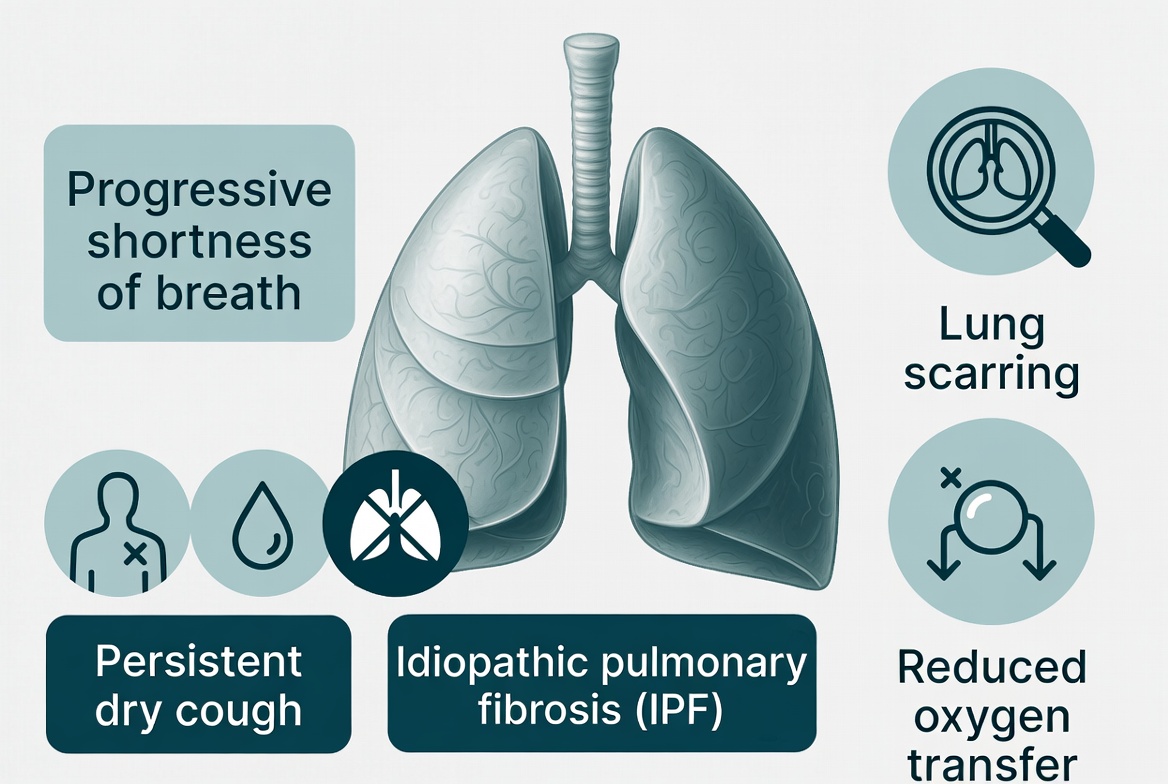
Pulmonary fibrosis is a chronic lung disease in which the lung tissue becomes scarred (fibrosis). This scarring makes the lungs stiff and less able to expand, making it difficult to breathe and reducing the amount of oxygen that reaches the bloodstream. Pulmonary fibrosis belongs to a group of conditions known as interstitial lung diseases (ILDs), which affect the tissue surrounding the air sacs (alveoli) in the lungs.
In some people, the exact cause of pulmonary fibrosis cannot be identified. This is known as idiopathic pulmonary fibrosis (IPF), the most common form of the disease. In others, pulmonary fibrosis may develop as a result of autoimmune diseases, certain medications, environmental or occupational exposures, radiation therapy, or chronic lung inflammation.
Pulmonary fibrosis usually develops gradually. Early symptoms often include shortness of breath during physical activity and a persistent dry cough. As the disease progresses, breathing may become difficult even while resting, making everyday activities more challenging.
Common Symptoms
- Progressive shortness of breath, especially during physical activity.
- A persistent dry cough.
- Fatigue and reduced exercise tolerance.
- Unexplained weight loss.
- Chest discomfort.
- Clubbing (widening and rounding) of the fingertips in some people.
Pulmonary Fibrosis Is Not the Same as COPD or Asthma
Unlike asthma or COPD, pulmonary fibrosis causes permanent scarring of the lung tissue rather than narrowing of the airways. Although treatments can slow disease progression and relieve symptoms, existing scar tissue cannot usually be reversed.
Early Diagnosis Is Important
Early recognition of pulmonary fibrosis allows treatment to begin sooner, helping slow disease progression, improve quality of life, and manage symptoms more effectively.
If you experience a persistent dry cough or increasing shortness of breath that cannot be explained by another condition, consult your healthcare provider. Early evaluation is important, particularly if you have a history of smoking, autoimmune disease, or exposure to dusts, chemicals, or other lung irritants.
Symptoms
The symptoms of pulmonary fibrosis usually develop gradually over months or years. In the early stages, many people notice shortness of breath only during physical activity. As lung scarring progresses, breathing becomes increasingly difficult, and symptoms may eventually occur even while resting.
The severity and progression of symptoms vary from person to person. Some individuals experience a slow decline over several years, while others may have periods of sudden worsening known as acute exacerbations.
Common Symptoms of Pulmonary Fibrosis
| Symptom | Description |
|---|---|
| Shortness of Breath | Progressive breathlessness, initially during exercise or climbing stairs, and later even during routine daily activities or while resting. |
| Persistent Dry Cough | A chronic cough that usually does not produce mucus and often does not improve with standard cough medications. |
| Fatigue | Persistent tiredness caused by reduced oxygen delivery to the body's tissues. |
| Reduced Exercise Tolerance | Difficulty performing activities that were previously easy because of breathlessness and decreased lung function. |
| Chest Discomfort | Some people experience mild chest tightness or discomfort, particularly during physical activity. |
| Unexplained Weight Loss | Weight loss may occur as breathing becomes more difficult and appetite decreases. |
| Muscle and Joint Aches | Some individuals experience generalized muscle or joint pain, especially if pulmonary fibrosis is associated with an autoimmune disease. |
| Finger Clubbing | The fingertips may become enlarged and rounded over time in some people with advanced pulmonary fibrosis. |
Symptoms That May Develop as the Disease Progresses
As pulmonary fibrosis advances, additional symptoms may occur because the lungs become less efficient at supplying oxygen to the body.
- Shortness of breath while resting.
- Rapid, shallow breathing.
- Persistent low oxygen levels (hypoxemia).
- Difficulty performing everyday activities.
- Sleep disturbances caused by breathing problems.
- Swelling of the ankles or legs if heart complications develop.
- Frequent respiratory infections.
Symptoms Often Develop Slowly
Because pulmonary fibrosis usually progresses gradually, many people adapt to their symptoms without realizing how much their breathing has changed. A persistent dry cough or increasing breathlessness should always be evaluated by a healthcare provider.
Do Not Ignore Progressive Breathlessness
Shortness of breath that steadily worsens over time is not a normal part of aging. Early medical evaluation can help identify pulmonary fibrosis or other lung conditions before significant lung damage occurs.
Seek Immediate Medical Attention If You Experience:
- Sudden or severe worsening of shortness of breath.
- Blue lips or fingertips (cyanosis).
- Chest pain or pressure.
- Confusion or difficulty staying awake.
- Very low oxygen levels if you monitor them at home.
- High fever with worsening breathing, which may indicate a lung infection.
If you experience persistent breathlessness, a chronic dry cough, or symptoms that continue to worsen, arrange a medical evaluation promptly. Early diagnosis and treatment can help slow disease progression, relieve symptoms, and improve your quality of life.
Causes
Pulmonary fibrosis develops when the lung tissue becomes damaged and heals with excessive scar tissue (fibrosis). As the scarring increases, the lungs become stiffer and less able to transfer oxygen into the bloodstream, making breathing progressively more difficult.
In many people, the exact cause cannot be identified. This condition is called Idiopathic Pulmonary Fibrosis (IPF), which is the most common type of pulmonary fibrosis. In other cases, pulmonary fibrosis develops because of underlying medical conditions, environmental exposures, medications, or previous lung injury.
Common Causes of Pulmonary Fibrosis
| Cause | Description |
|---|---|
| Idiopathic Pulmonary Fibrosis (IPF) | The most common form of pulmonary fibrosis. The exact cause is unknown, although age, genetics, and smoking may contribute. |
| Autoimmune Diseases | Conditions such as rheumatoid arthritis, systemic sclerosis (scleroderma), lupus, polymyositis, and Sjögren's syndrome can cause inflammation that leads to lung scarring. |
| Occupational and Environmental Exposure | Long-term exposure to asbestos, silica dust, coal dust, metal dust, wood dust, bird proteins, mold, or certain agricultural dusts can damage the lungs. |
| Certain Medications | Some chemotherapy drugs, heart medications such as amiodarone, and a few antibiotics or other medicines may cause lung scarring in susceptible individuals. |
| Radiation Therapy | Radiation treatment to the chest for cancers such as breast cancer or lymphoma may lead to pulmonary fibrosis months or years later. |
| Previous Lung Infections | Severe lung infections may occasionally leave permanent scarring, although this is less common than other causes. |
| Genetic Factors | Some people inherit genetic changes that increase their susceptibility to pulmonary fibrosis, particularly when there is a family history of the disease. |
How Lung Scarring Develops
Normally, lung tissue heals after injury. In pulmonary fibrosis, this healing process becomes abnormal, leading to excessive scar tissue formation. Unlike inflammation, scar tissue is permanent and reduces the lungs' ability to expand and transfer oxygen efficiently.
- The lungs become less flexible.
- Breathing requires more effort.
- Oxygen levels may gradually decrease.
- Everyday activities become more difficult over time.
Many Cases Have No Known Cause
Nearly half of pulmonary fibrosis cases are classified as idiopathic, meaning no specific cause can be identified despite thorough medical evaluation.
Early Identification of the Cause Can Help
When pulmonary fibrosis is linked to an autoimmune disease, medication, or environmental exposure, identifying and addressing the underlying cause may help slow further lung damage.
Protect Your Lung Health
Avoid smoking, wear appropriate protective equipment when working in dusty or hazardous environments, and seek medical advice if you develop persistent breathlessness or a chronic dry cough. Early evaluation can help identify lung disease before significant scarring develops.
Understanding the possible causes of pulmonary fibrosis helps guide diagnosis and treatment. If you have risk factors such as occupational dust exposure, autoimmune disease, or a family history of pulmonary fibrosis, discuss your concerns with your healthcare provider.
Risk Factors
Several factors can increase the likelihood of developing pulmonary fibrosis. Having one or more risk factors does not mean you will definitely develop the disease, but it may increase your chances. Some risk factors cannot be changed, while others, such as smoking and occupational exposures, can often be reduced or avoided.
Knowing your risk factors can help you take preventive measures and seek medical evaluation early if symptoms develop.
Common Risk Factors for Pulmonary Fibrosis
| Risk Factor | How It Increases Risk |
|---|---|
| Increasing Age | Pulmonary fibrosis is most commonly diagnosed in adults over the age of 50. |
| Smoking | Current and former smokers have a significantly higher risk of developing pulmonary fibrosis, particularly idiopathic pulmonary fibrosis (IPF). |
| Occupational Dust Exposure | Long-term exposure to asbestos, silica, coal dust, metal dust, wood dust, or other airborne particles can damage the lungs. |
| Environmental Exposure | Repeated exposure to bird droppings, mold, agricultural dust, or other organic particles may contribute to certain forms of interstitial lung disease. |
| Autoimmune Diseases | Conditions such as rheumatoid arthritis, systemic sclerosis (scleroderma), lupus, and Sjögren's syndrome increase the risk of lung scarring. |
| Family History | A family history of pulmonary fibrosis may increase the likelihood of developing the disease due to inherited genetic factors. |
| Certain Medications | Long-term use of some medications, including certain chemotherapy drugs and amiodarone, may increase the risk of lung fibrosis in susceptible individuals. |
| Previous Chest Radiation | Radiation therapy involving the chest can increase the risk of developing pulmonary fibrosis months or years after treatment. |
| Chronic Lung Injury | Repeated or severe lung injury from infections or inflammatory conditions may contribute to the development of fibrosis. |
Who Is at Higher Risk?
- Adults over 50 years of age.
- Current or former smokers.
- People working in mining, construction, farming, woodworking, or manufacturing.
- Individuals with autoimmune or connective tissue diseases.
- People with a family history of pulmonary fibrosis.
- Individuals exposed to asbestos, silica, mold, birds, or agricultural dust.
- People who have received radiation therapy to the chest.
Smoking Increases the Risk
Smoking is one of the most important preventable risk factors for pulmonary fibrosis. Quitting smoking helps protect your lungs and lowers the risk of many serious respiratory diseases, including lung cancer and COPD.
Workplace Safety Matters
If you work in environments with dust, fibers, or chemicals, use appropriate protective equipment and follow workplace safety guidelines to reduce your exposure to harmful airborne particles.
Early Recognition Can Improve Outcomes
If you have one or more risk factors and develop a persistent dry cough or increasing shortness of breath, seek medical evaluation promptly. Early diagnosis and treatment may help slow disease progression and preserve lung function.
Although some risk factors cannot be changed, avoiding smoking, minimizing exposure to harmful substances, and managing underlying medical conditions can help reduce your risk and support long-term lung health.
Diagnosis
Diagnosing pulmonary fibrosis involves a combination of your medical history, physical examination, imaging tests, lung function tests, and, in some cases, a lung biopsy. Because the symptoms often resemble those of other lung diseases, several tests are usually needed to confirm the diagnosis and determine the underlying cause.
Early diagnosis is important because treatment can help slow the progression of the disease, manage symptoms, and improve quality of life. Your healthcare provider may also perform additional tests to identify whether pulmonary fibrosis is related to an autoimmune disease, occupational exposure, or another underlying condition.
Common Tests Used to Diagnose Pulmonary Fibrosis
| Test | Purpose |
|---|---|
| Medical History and Physical Examination | Your healthcare provider will ask about your symptoms, smoking history, occupation, environmental exposures, medications, family history, and listen to your lungs for characteristic "crackling" sounds. |
| Chest X-ray | May show signs of lung scarring, although early pulmonary fibrosis can appear normal. |
| High-Resolution CT (HRCT) Scan | The most important imaging test for pulmonary fibrosis. It provides detailed images of lung tissue and helps identify the pattern and extent of scarring. |
| Pulmonary Function Tests (PFTs) | Measure how well your lungs work by assessing lung capacity, airflow, and the ability to transfer oxygen into the bloodstream. |
| Pulse Oximetry | Measures your blood oxygen level (SpO?) using a small sensor placed on your fingertip. |
| Arterial Blood Gas (ABG) | Measures oxygen and carbon dioxide levels in your blood to evaluate how effectively your lungs are functioning. |
| Six-Minute Walk Test | Assesses exercise tolerance and monitors how your oxygen level changes during physical activity. |
| Blood Tests | Help identify autoimmune diseases or other medical conditions that may be contributing to lung scarring. |
| Bronchoscopy | A flexible camera is inserted into the airways to examine the lungs and collect tissue or fluid samples when needed. |
| Lung Biopsy | In selected cases, a small sample of lung tissue may be removed to confirm the diagnosis if imaging and other tests are inconclusive. |
What Happens After Diagnosis?
Once pulmonary fibrosis is confirmed, your healthcare provider will determine the severity of the disease and identify any underlying cause. This information helps guide treatment decisions and allows your healthcare team to monitor disease progression over time.
- Determine the extent of lung scarring.
- Measure lung function and oxygen levels.
- Identify possible underlying causes such as autoimmune disease or environmental exposure.
- Develop a personalized treatment and follow-up plan.
HRCT Scan Is the Key Imaging Test
A high-resolution CT (HRCT) scan provides detailed images of the lungs and is considered the most valuable imaging test for diagnosing pulmonary fibrosis. In many patients, it can identify characteristic patterns of lung scarring without requiring a biopsy.
Pulmonary Function Tests Monitor Disease Progression
Even after diagnosis, pulmonary function tests and oxygen measurements are repeated regularly to monitor changes in lung function and evaluate how well treatment is working.
Early Diagnosis Can Slow Disease Progression
Although pulmonary fibrosis cannot usually be reversed, diagnosing the disease early allows treatment to begin sooner, helping slow progression, reduce symptoms, and improve quality of life.
If you have persistent shortness of breath, a chronic dry cough, or risk factors for pulmonary fibrosis, consult your healthcare provider promptly. Early diagnosis and ongoing monitoring are important for maintaining lung function and planning appropriate treatment.
Treatment
Treatment for pulmonary fibrosis depends on the underlying cause, the severity of lung scarring, your symptoms, and your overall health. Although existing scar tissue cannot usually be reversed, treatment aims to slow disease progression, relieve symptoms, improve quality of life, and help you remain as active as possible.
Your healthcare provider may recommend one or more treatments, including medications, pulmonary rehabilitation, oxygen therapy, lifestyle changes, and in selected cases, lung transplantation.
Common Treatment Options for Pulmonary Fibrosis
| Treatment | Purpose |
|---|---|
| Anti-Fibrotic Medications | Medicines such as pirfenidone and nintedanib can help slow the progression of idiopathic pulmonary fibrosis (IPF) by reducing further lung scarring. |
| Oxygen Therapy | Supplemental oxygen helps maintain healthy oxygen levels, reduces breathlessness, and improves daily activities in people with low blood oxygen. |
| Pulmonary Rehabilitation | A supervised program of exercise, breathing techniques, education, and nutritional support designed to improve endurance and quality of life. |
| Treatment of the Underlying Cause | If pulmonary fibrosis is related to an autoimmune disease, medication, or environmental exposure, treating or removing the underlying cause may help slow disease progression. |
| Vaccinations | Annual influenza and recommended pneumococcal vaccinations help reduce the risk of serious respiratory infections. |
| Medications for Symptom Relief | Your healthcare provider may prescribe medicines to help manage cough, acid reflux (GERD), or other symptoms associated with pulmonary fibrosis. |
| Lung Transplantation | For selected patients with advanced disease, lung transplantation may improve survival and quality of life when other treatments are no longer sufficient. |
Lifestyle Measures That Support Treatment
- Stop smoking and avoid secondhand smoke.
- Remain physically active within your healthcare provider's recommendations.
- Attend pulmonary rehabilitation if advised.
- Eat a balanced, nutritious diet to maintain strength.
- Stay up to date with recommended vaccinations.
- Avoid exposure to dust, mold, smoke, and other lung irritants.
- Take medications exactly as prescribed.
- Attend regular follow-up appointments.
Pulmonary Rehabilitation Can Make Daily Activities Easier
Pulmonary rehabilitation combines exercise training, breathing techniques, education, and emotional support to help reduce breathlessness, improve physical fitness, and enhance quality of life.
Oxygen Therapy Does Not Cause Dependence
If your oxygen level is low, supplemental oxygen helps your body receive the oxygen it needs. Using oxygen as prescribed can improve exercise capacity, reduce breathlessness, and protect vital organs from the effects of long-term low oxygen levels.
Regular Monitoring Is Essential
Pulmonary fibrosis is a chronic condition that requires ongoing follow-up. Regular pulmonary function tests, oxygen measurements, and imaging studies help your healthcare provider monitor disease progression and adjust treatment when necessary.
Although pulmonary fibrosis cannot usually be cured, advances in treatment have improved outcomes for many people. Working closely with your healthcare team, following your treatment plan, and maintaining a healthy lifestyle can help you manage symptoms and preserve lung function for as long as possible.
Need Expert Medical Guidance?
Schedule a direct consultation with Dr. Nabila Zaheer for a personalized care plan.
Prevention
Not all cases of pulmonary fibrosis can be prevented, particularly idiopathic pulmonary fibrosis (IPF), where the exact cause is unknown. However, many cases related to environmental exposures, smoking, certain medications, or autoimmune diseases may be prevented or their progression slowed by reducing risk factors and maintaining good lung health.
Taking preventive measures can help lower your risk of lung damage and may reduce the likelihood of developing pulmonary fibrosis or worsening an existing condition.
Ways to Help Prevent Pulmonary Fibrosis
| Prevention Strategy | How It Helps |
|---|---|
| Do Not Smoke | Avoiding smoking is one of the most effective ways to protect your lungs and reduce the risk of pulmonary fibrosis and other chronic lung diseases. |
| Quit Smoking | If you smoke, quitting can help prevent additional lung damage and improve your overall respiratory health. |
| Avoid Occupational Dust and Chemicals | Wear appropriate respiratory protection if you work around asbestos, silica, coal dust, metal dust, wood dust, or other harmful airborne particles. |
| Reduce Environmental Exposure | Limit exposure to mold, bird droppings, agricultural dust, and other environmental substances that may trigger lung inflammation. |
| Manage Autoimmune Diseases | Proper treatment of autoimmune conditions such as rheumatoid arthritis or systemic sclerosis may help reduce lung complications. |
| Stay Up to Date with Vaccinations | Influenza and pneumococcal vaccines can help reduce the risk of respiratory infections that may worsen lung disease. |
| Exercise Regularly | Regular physical activity supports lung function, cardiovascular health, and overall well-being. |
| Maintain a Healthy Diet | A balanced diet helps support the immune system and maintain muscle strength needed for breathing. |
| Attend Regular Medical Check-Ups | Early evaluation of persistent cough or shortness of breath may lead to earlier diagnosis and treatment. |
Protect Your Lungs Every Day
- Avoid smoking and secondhand smoke.
- Use protective masks or respirators when exposed to dust or chemicals at work.
- Ensure good ventilation in workplaces and homes.
- Seek prompt treatment for respiratory infections.
- Take medications only as prescribed and discuss potential lung-related side effects with your healthcare provider.
- Monitor your breathing and report any worsening symptoms early.
Not Every Case Can Be Prevented
Idiopathic pulmonary fibrosis develops without a known cause, so it cannot currently be prevented. Even so, healthy lifestyle choices and avoiding harmful exposures can support overall lung health and reduce additional lung damage.
Protect Yourself at Work
People working in mining, construction, farming, woodworking, manufacturing, or other industries with airborne dust should follow workplace safety regulations and wear appropriate respiratory protective equipment.
Early Detection Makes a Difference
If you develop a persistent dry cough, increasing shortness of breath, or have significant occupational or environmental exposures, seek medical evaluation promptly. Early diagnosis and treatment can help slow disease progression and improve quality of life.
While pulmonary fibrosis cannot always be prevented, avoiding smoking, reducing exposure to harmful substances, managing underlying medical conditions, and maintaining regular medical care can help protect your lungs and support long-term respiratory health.
Complications
Pulmonary fibrosis is a progressive lung disease that can lead to several complications, especially as lung scarring becomes more severe. These complications may result from reduced oxygen levels, increased strain on the heart, respiratory infections, or progression of the disease itself.
Regular medical follow-up, appropriate treatment, and early recognition of worsening symptoms can help reduce the risk of serious complications and improve quality of life.
Possible Complications of Pulmonary Fibrosis
| Complication | Description |
|---|---|
| Respiratory Failure | As lung scarring progresses, the lungs become less able to supply enough oxygen to the body, which may eventually lead to respiratory failure. |
| Low Blood Oxygen (Hypoxemia) | Reduced oxygen levels can cause fatigue, dizziness, confusion, headaches, and worsening shortness of breath. |
| Pulmonary Hypertension | Scarring in the lungs can increase pressure in the pulmonary arteries, forcing the heart to work harder. |
| Right-Sided Heart Failure (Cor Pulmonale) | Long-standing pulmonary hypertension may weaken the right side of the heart, reducing its ability to pump blood effectively. |
| Respiratory Infections | People with pulmonary fibrosis are more likely to develop serious lung infections such as pneumonia, which can worsen breathing problems. |
| Acute Exacerbation | A sudden and severe worsening of pulmonary fibrosis that causes rapidly increasing breathlessness and declining oxygen levels. This is a medical emergency. |
| Reduced Physical Activity | Breathlessness often limits exercise and daily activities, leading to muscle weakness and reduced independence. |
| Weight Loss and Malnutrition | Difficulty breathing, fatigue, and reduced appetite may lead to unintended weight loss and muscle wasting. |
| Anxiety and Depression | Living with a chronic progressive lung disease can affect emotional well-being and quality of life. |
Signs That the Disease May Be Worsening
- Increasing shortness of breath during routine activities or at rest.
- Persistent drop in blood oxygen levels.
- More frequent coughing episodes.
- Greater dependence on supplemental oxygen.
- Reduced ability to exercise or perform daily activities.
- Swelling of the legs or ankles.
- Increasing fatigue or unexplained weight loss.
Seek Emergency Medical Care Immediately If You:
- Develop sudden or severe difficulty breathing.
- Notice blue lips, face, or fingertips.
- Have chest pain or pressure.
- Become confused, unusually drowsy, or difficult to wake.
- Experience a rapid drop in oxygen levels despite using prescribed oxygen therapy.
- Develop a high fever with worsening breathing symptoms.
Monitor Your Oxygen Levels
If your healthcare provider recommends home oxygen monitoring, use a pulse oximeter as instructed and report persistent or significant decreases in your oxygen level. Never adjust oxygen therapy without medical advice.
Regular Follow-Up Helps Prevent Serious Complications
Routine pulmonary function tests, oxygen assessments, imaging studies, and medical reviews help detect disease progression early and allow your healthcare provider to adjust treatment when needed.
Although pulmonary fibrosis is a chronic condition, many complications can be managed effectively with early recognition, appropriate treatment, pulmonary rehabilitation, oxygen therapy when needed, and regular follow-up. Promptly report any new or worsening symptoms to your healthcare provider.
When to See a Doctor
Pulmonary fibrosis often develops gradually, and its early symptoms can easily be mistaken for aging, lack of fitness, or other lung conditions. Seeking medical evaluation when symptoms first appear can lead to earlier diagnosis, timely treatment, and better management of the disease.
If you have persistent breathing problems or a chronic dry cough, especially if you have risk factors such as smoking, occupational dust exposure, or an autoimmune disease, do not delay seeking medical advice.
Schedule a Medical Appointment If You:
- Have increasing shortness of breath during daily activities.
- Develop a persistent dry cough that lasts for several weeks.
- Notice that your breathing continues to worsen over time.
- Feel unusually tired or have reduced exercise tolerance.
- Experience unexplained weight loss.
- Develop swelling of your fingers (clubbing).
- Have repeated chest infections or pneumonia.
- Notice lower oxygen levels if you monitor them at home.
- Have a history of smoking, occupational dust exposure, or autoimmune disease and develop new respiratory symptoms.
People at Higher Risk Should Seek Early Evaluation
You should discuss persistent respiratory symptoms with your healthcare provider if you have any of the following risk factors:
- A family history of pulmonary fibrosis.
- Current or previous smoking.
- Exposure to asbestos, silica, coal dust, wood dust, or other workplace hazards.
- Exposure to mold, bird droppings, or agricultural dust.
- An autoimmune disease such as rheumatoid arthritis or systemic sclerosis.
- Previous radiation therapy to the chest.
- Long-term use of medications known to affect the lungs.
Regular Follow-Up Is Important
If you have already been diagnosed with pulmonary fibrosis, attend all scheduled follow-up appointments. Regular lung function tests, oxygen measurements, and imaging studies help monitor disease progression and ensure your treatment remains effective.
Seek Emergency Medical Care Immediately If You:
- Develop sudden or severe difficulty breathing.
- Notice blue lips, tongue, or fingertips.
- Have chest pain or pressure.
- Experience confusion, severe drowsiness, or difficulty staying awake.
- Notice a significant drop in your oxygen level despite using prescribed oxygen therapy.
- Develop a high fever with worsening cough or breathing, which may indicate a serious lung infection.
- Cough up large amounts of blood.
Do Not Ignore Gradually Worsening Symptoms
Many people adjust to slowly worsening breathlessness without realizing how much their lung function has declined. If everyday activities become more difficult because of breathing problems, arrange a medical evaluation as soon as possible.
Early Care Can Improve Quality of Life
Although pulmonary fibrosis cannot usually be cured, early diagnosis and appropriate treatment can slow disease progression, relieve symptoms, preserve lung function, and help you maintain an active and independent lifestyle for as long as possible.
If you experience persistent shortness of breath, a chronic dry cough, or worsening breathing problems, consult your healthcare provider promptly. Early diagnosis and ongoing medical care are essential for managing pulmonary fibrosis and reducing the risk of serious complications.