Overview
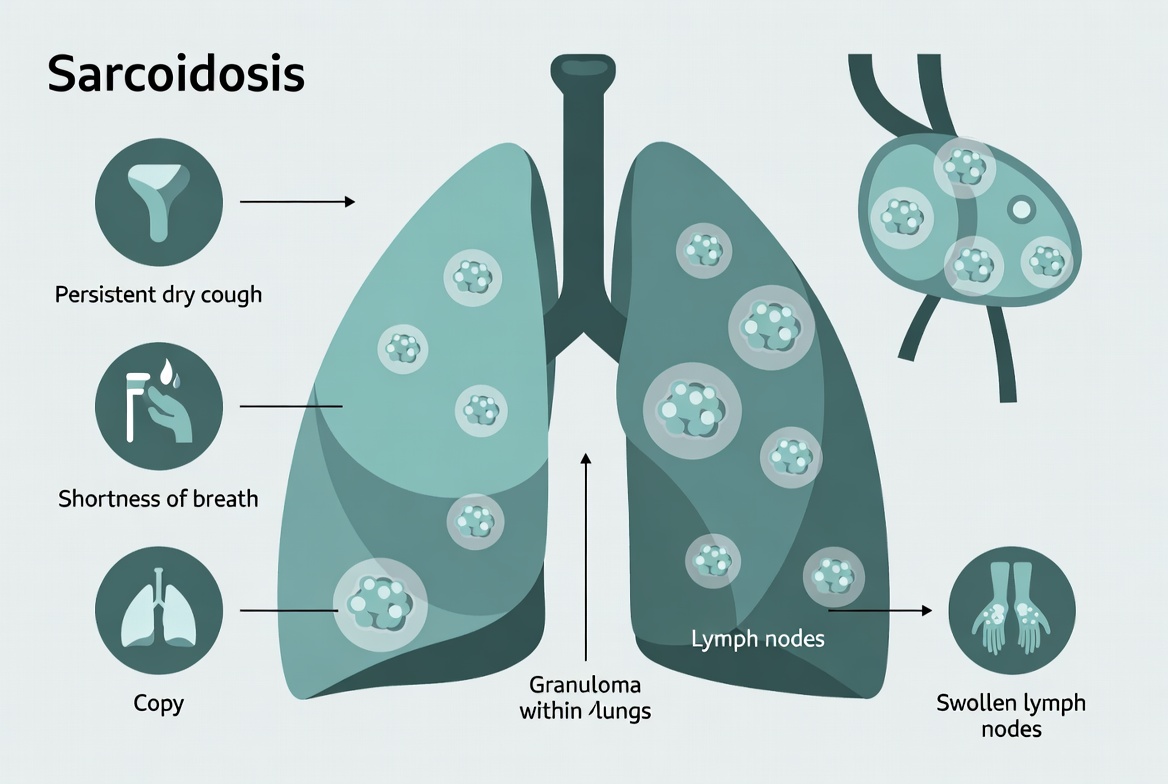
Sarcoidosis is an inflammatory disease in which tiny clumps of immune cells, called granulomas, form in different organs of the body. Although it can affect almost any organ, the lungs and lymph nodes are most commonly involved. When granulomas build up in the lungs, they can interfere with normal breathing and, in some cases, lead to permanent lung scarring (fibrosis).
The exact cause of sarcoidosis is unknown. Researchers believe it results from an abnormal immune response in genetically susceptible individuals after exposure to certain environmental or infectious triggers. Sarcoidosis is not contagious and cannot be spread from one person to another.
Many people with sarcoidosis have few or no symptoms, and the condition may be discovered during a chest X-ray performed for another reason. Others develop symptoms such as a persistent dry cough, shortness of breath, chest pain, fatigue, fever, or skin and eye problems. The course of the disease varies widely—some people recover without treatment, while others require long-term medical care.
Common Symptoms
- Persistent dry cough.
- Shortness of breath, especially during physical activity.
- Chest pain or chest discomfort.
- Fatigue and weakness.
- Fever or night sweats.
- Swollen lymph nodes, particularly in the chest.
- Skin rashes or tender red bumps on the legs (erythema nodosum).
- Eye redness, pain, blurred vision, or sensitivity to light.
Sarcoidosis Can Affect More Than the Lungs
Although the lungs are affected most often, sarcoidosis can also involve the eyes, skin, heart, liver, nervous system, and other organs. Symptoms depend on which parts of the body are involved.
Symptoms May Be Mild or Absent
Some people have no symptoms and are diagnosed after an abnormal chest X-ray. Others develop gradually worsening respiratory or general symptoms that require medical evaluation.
Early Diagnosis Can Help Prevent Complications
Regular follow-up and appropriate treatment can reduce inflammation, protect affected organs, relieve symptoms, and lower the risk of long-term complications.
If you have persistent cough, unexplained shortness of breath, swollen lymph nodes, skin changes, or ongoing eye symptoms, consult your healthcare provider. Early evaluation can help diagnose sarcoidosis and determine whether treatment is needed.
Symptoms
The symptoms of sarcoidosis vary depending on which organs are affected. While the lungs and lymph nodes are involved most often, sarcoidosis can also affect the skin, eyes, heart, liver, nervous system, and other organs. Some people have no symptoms and are diagnosed only after an abnormal chest X-ray during a routine examination.
When symptoms occur, they may develop gradually or appear suddenly. In many cases, respiratory symptoms are mild at first but can worsen if inflammation persists or permanent lung scarring develops.
Common Symptoms of Sarcoidosis
| Symptom | Description |
|---|---|
| Persistent Dry Cough | A chronic cough without mucus is one of the most common lung-related symptoms of sarcoidosis. |
| Shortness of Breath | Breathlessness often develops during physical activity and may worsen if lung inflammation or fibrosis progresses. |
| Chest Pain or Chest Tightness | Some people experience discomfort, pressure, or pain in the chest due to inflammation in the lungs or surrounding tissues. |
| Fatigue | Persistent tiredness and lack of energy are common, even in people with mild lung involvement. |
| Fever and Night Sweats | Low-grade fever, night sweats, and a general feeling of illness may occur, especially during active inflammation. |
| Unintentional Weight Loss | Some individuals lose weight because of chronic inflammation and reduced appetite. |
| Swollen Lymph Nodes | Enlarged lymph nodes, particularly in the chest, neck, or under the arms, are common findings. |
| Skin Changes | Tender red bumps on the legs (erythema nodosum), skin rashes, or raised purple skin lesions may develop. |
| Eye Symptoms | Redness, pain, blurred vision, sensitivity to light, or excessive tearing may occur if the eyes are affected. |
| Joint and Muscle Pain | Some people experience painful or swollen joints, muscle aches, or stiffness. |
Symptoms That May Indicate Organ Involvement
- Palpitations, dizziness, or fainting if the heart is affected.
- Headaches, facial weakness, numbness, or seizures if the nervous system is involved.
- Persistent eye pain or vision changes due to eye inflammation (uveitis).
- Persistent fatigue that interferes with daily activities.
- Increasing shortness of breath or chronic cough.
Some People Have No Symptoms
Sarcoidosis is sometimes discovered during a routine chest X-ray performed for another reason. Even without symptoms, regular medical follow-up may be needed to monitor the condition.
Symptoms Can Affect Multiple Organs
Although lung symptoms are the most common, sarcoidosis may also affect the eyes, skin, heart, nervous system, liver, and other organs. Report any new or unusual symptoms to your healthcare provider.
Seek Emergency Medical Care If You:
- Develop severe shortness of breath.
- Experience severe chest pain.
- Have fainting episodes or an irregular heartbeat.
- Notice sudden vision loss or severe eye pain.
- Develop seizures, confusion, or weakness on one side of the body.
- Cough up blood.
If you experience a persistent dry cough, shortness of breath, unexplained fatigue, swollen lymph nodes, skin changes, or eye symptoms, consult your healthcare provider. Early diagnosis and treatment can help control inflammation, protect affected organs, and reduce the risk of long-term complications.
Causes
The exact cause of sarcoidosis is unknown. Researchers believe the condition develops when the body's immune system overreacts to an environmental, infectious, or chemical trigger in people who have a genetic predisposition. This abnormal immune response causes clusters of inflammatory cells, called granulomas, to form in different organs.
In most people, the lungs and nearby lymph nodes are affected first. Over time, persistent inflammation may lead to scarring (fibrosis) that reduces the function of the affected organs. Sarcoidosis is not contagious and cannot be passed from one person to another.
Possible Causes and Triggers of Sarcoidosis
| Possible Cause or Trigger | Description |
|---|---|
| Abnormal Immune Response | The immune system becomes overactive and forms granulomas instead of responding normally to a trigger. |
| Genetic Predisposition | Certain inherited genes may increase the likelihood of developing sarcoidosis after exposure to environmental triggers. |
| Environmental Exposure | Exposure to dust, mold, organic particles, agricultural materials, or certain workplace chemicals may contribute in susceptible individuals. |
| Infectious Triggers | Researchers have investigated bacteria, viruses, and other microorganisms as possible triggers, but no single infectious cause has been proven. |
| Occupational Exposure | People exposed to metal dust, insecticides, firefighting smoke, or industrial chemicals may have an increased risk of developing sarcoidosis. |
| Immune System Dysregulation | An imbalance in immune system regulation may allow persistent inflammation even after the original trigger has disappeared. |
What Happens in Sarcoidosis?
- The immune system reacts excessively to a trigger.
- Small inflammatory clusters called granulomas develop in affected organs.
- Granulomas most commonly form in the lungs and lymph nodes.
- Persistent inflammation may eventually cause permanent tissue scarring (fibrosis).
- Organ function may become impaired if extensive scarring develops.
Sarcoidosis Is Not Contagious
You cannot catch sarcoidosis from another person through coughing, sneezing, touching, or sharing food. It is an immune-mediated disease rather than an infection.
The Exact Cause Remains Unknown
Although several environmental and infectious triggers have been studied, researchers believe sarcoidosis develops from a combination of genetic susceptibility and an abnormal immune response rather than a single identifiable cause.
Early Recognition Helps Prevent Organ Damage
Prompt diagnosis and treatment can help control inflammation, reduce granuloma formation, preserve organ function, and lower the risk of long-term complications such as pulmonary fibrosis.
If you develop persistent cough, unexplained shortness of breath, enlarged lymph nodes, skin changes, or eye inflammation, consult your healthcare provider. Identifying sarcoidosis early allows appropriate monitoring and treatment before permanent organ damage occurs.
Risk Factors
Although the exact cause of sarcoidosis remains unknown, several factors may increase the likelihood of developing the disease. Researchers believe sarcoidosis occurs when a genetically susceptible person experiences an abnormal immune response to certain environmental or infectious triggers.
Having one or more risk factors does not mean you will definitely develop sarcoidosis. However, understanding these factors can help identify people who may benefit from earlier evaluation if symptoms occur.
Common Risk Factors for Sarcoidosis
| Risk Factor | How It Increases Risk |
|---|---|
| Family History | Having a close relative with sarcoidosis increases the likelihood of developing the condition, suggesting a genetic component. |
| Age | Sarcoidosis most commonly develops between the ages of 20 and 50 years, although it can occur at any age. |
| Sex | Women are slightly more likely than men to develop sarcoidosis, and some forms may be more severe in females. |
| Genetic Predisposition | Certain inherited genes may increase susceptibility to an abnormal immune response that leads to granuloma formation. |
| Environmental Exposure | Exposure to dust, mold, agricultural materials, metal particles, or other airborne substances may trigger sarcoidosis in susceptible individuals. |
| Occupational Exposure | Firefighters, healthcare workers, military personnel, agricultural workers, and people exposed to industrial dust or chemicals may have a higher risk. |
| Immune System Abnormalities | An overactive or dysregulated immune response appears to play a key role in the development of sarcoidosis. |
| Ethnic Background | Sarcoidosis occurs worldwide but is reported more frequently and may be more severe in people of African ancestry and in some Northern European populations. |
People at Higher Risk
- Adults between 20 and 50 years of age.
- People with a family history of sarcoidosis.
- Women.
- Individuals with prolonged exposure to dust, mold, or industrial chemicals.
- Firefighters, farmers, healthcare workers, military personnel, and workers in dusty environments.
- People with genetic susceptibility to immune-mediated diseases.
Genetics and Environment Work Together
Most experts believe sarcoidosis develops when environmental exposures trigger an abnormal immune response in people who are genetically predisposed to the disease.
Most People with Risk Factors Never Develop Sarcoidosis
Having a risk factor does not mean you will develop sarcoidosis. It simply increases the likelihood that the disease could occur if other contributing factors are present.
Early Evaluation Can Protect Your Health
If you have one or more risk factors and develop persistent cough, shortness of breath, swollen lymph nodes, skin lesions, or eye symptoms, seek medical evaluation promptly. Early diagnosis can help prevent long-term organ damage.
Some risk factors, such as age, sex, genetics, and family history, cannot be changed. However, minimizing exposure to harmful airborne particles and seeking early medical care for persistent symptoms may help reduce complications and improve long-term outcomes.
Diagnosis
Diagnosing sarcoidosis involves evaluating your symptoms, medical history, physical examination, imaging studies, laboratory tests, and, in many cases, a biopsy. Because sarcoidosis can resemble infections, cancer, and other inflammatory diseases, your healthcare provider must carefully rule out other possible causes before confirming the diagnosis.
The goals of diagnosis are to identify the affected organs, determine the severity of the disease, assess lung function, and decide whether treatment is necessary.
Common Tests Used to Diagnose Sarcoidosis
| Test | Purpose |
|---|---|
| Medical History and Physical Examination | Your healthcare provider will review your symptoms, occupational and environmental exposures, family history, and examine your lungs, skin, eyes, lymph nodes, and other organs. |
| Blood Tests | Help evaluate inflammation, liver and kidney function, calcium levels, and rule out infections or autoimmune diseases. Serum angiotensin-converting enzyme (ACE) levels may be elevated in some people but are not diagnostic. |
| Chest X-ray | Often the first imaging test. It may show enlarged lymph nodes in the chest or lung abnormalities that suggest sarcoidosis. |
| High-Resolution CT (HRCT) Scan | Provides detailed images of the lungs and lymph nodes, helping determine the extent of inflammation or scarring. |
| Pulmonary Function Tests (PFTs) | Measure lung capacity and airflow to determine how much lung function has been affected. |
| Pulse Oximetry | Measures blood oxygen saturation (SpO?) at rest and during activity. |
| Bronchoscopy with Biopsy | A bronchoscope is used to obtain small tissue samples from the lungs or lymph nodes. Finding non-caseating granulomas supports the diagnosis after other causes have been excluded. |
| Endobronchial Ultrasound (EBUS)-Guided Biopsy | A minimally invasive procedure used to obtain tissue from enlarged chest lymph nodes for diagnosis. |
| Eye Examination | Detects inflammation such as uveitis, even in people without eye symptoms. |
| Electrocardiogram (ECG) and Echocardiogram | Performed when cardiac sarcoidosis is suspected to evaluate heart rhythm and function. |
Additional Tests That May Be Recommended
- Cardiac MRI or PET scan if heart involvement is suspected.
- Skin biopsy for suspicious skin lesions.
- Liver and kidney function tests.
- Neurological imaging if nervous system involvement is suspected.
- Calcium testing in blood and urine, as sarcoidosis may increase calcium levels.
A Biopsy Is Often Needed to Confirm Sarcoidosis
Although imaging studies may strongly suggest sarcoidosis, a tissue biopsy demonstrating non-caseating granulomas is often required to confirm the diagnosis while excluding infections, tuberculosis, and cancer.
Other Conditions Must Be Ruled Out
Because sarcoidosis can resemble tuberculosis, lymphoma, fungal infections, and other lung diseases, additional testing is often necessary before making a final diagnosis.
Early Diagnosis Helps Protect Organ Function
Identifying sarcoidosis early allows healthcare providers to monitor affected organs, begin treatment when needed, and reduce the risk of permanent damage to the lungs, eyes, heart, and other organs.
If you have a persistent dry cough, shortness of breath, enlarged lymph nodes, unexplained skin lesions, eye inflammation, or ongoing fatigue, consult your healthcare provider. Early diagnosis and appropriate evaluation can improve long-term outcomes and help prevent complications.
Treatment
Treatment for sarcoidosis depends on the severity of the disease, the organs involved, and whether symptoms are affecting daily life. Many people with mild sarcoidosis recover without treatment, while others require medications to control inflammation and prevent permanent organ damage.
The main goals of treatment are to reduce inflammation, relieve symptoms, preserve organ function, and prevent complications such as pulmonary fibrosis, pulmonary hypertension, vision loss, or heart problems.
Common Treatment Options for Sarcoidosis
| Treatment | Purpose |
|---|---|
| Observation (Watchful Waiting) | People with mild disease and few or no symptoms may only need regular follow-up, as sarcoidosis can improve on its own. |
| Corticosteroids | Prednisone is the first-line treatment for most people with symptomatic sarcoidosis. It reduces inflammation and helps prevent organ damage. |
| Immunosuppressive Medications | Medicines such as methotrexate, azathioprine, mycophenolate mofetil, or leflunomide may be used when corticosteroids are ineffective, cause significant side effects, or are needed long term. |
| Biologic Therapy | Tumor necrosis factor (TNF) inhibitors, such as infliximab or adalimumab, may be considered for severe or treatment-resistant sarcoidosis. |
| Oxygen Therapy | Supplemental oxygen may be prescribed for people with low blood oxygen levels caused by advanced lung involvement. |
| Pulmonary Rehabilitation | Supervised exercise, breathing techniques, education, and physical conditioning help improve exercise tolerance and quality of life. |
| Treatment of Organ-Specific Complications | Eye, heart, skin, nervous system, or other organ involvement may require specialized treatments from the appropriate medical specialist. |
| Lung Transplantation | Rarely, people with advanced pulmonary fibrosis or end-stage lung disease due to sarcoidosis may be considered for lung transplantation. |
Lifestyle Changes That Support Treatment
- Take medications exactly as prescribed.
- Attend regular follow-up appointments with your healthcare provider.
- Avoid smoking and secondhand smoke.
- Exercise regularly according to your healthcare provider's recommendations.
- Eat a balanced, nutritious diet.
- Stay up to date with influenza and pneumococcal vaccinations.
- Protect your eyes and attend routine eye examinations if eye involvement is present.
- Report any new symptoms, such as worsening breathlessness, vision changes, chest pain, or irregular heartbeat, promptly.
Not Everyone Needs Medication
Many people with sarcoidosis have mild disease that improves without treatment. Your healthcare provider will recommend treatment only if the disease is causing symptoms, affecting important organs, or progressing.
Regular Monitoring Is Essential
Even if your symptoms improve, regular medical follow-up is important because sarcoidosis can recur or affect new organs over time.
Early Treatment Can Prevent Long-Term Organ Damage
Prompt treatment of active sarcoidosis can reduce inflammation, preserve lung and other organ function, improve symptoms, and lower the risk of complications such as pulmonary fibrosis, pulmonary hypertension, and vision loss.
If you have sarcoidosis, work closely with your healthcare team and follow your treatment plan carefully. Early recognition of worsening symptoms and regular monitoring can help maintain long-term health and quality of life.
Need Expert Medical Guidance?
Schedule a direct consultation with Dr. Nabila Zaheer for a personalized care plan.
Prevention
Because the exact cause of sarcoidosis is unknown, there is no proven way to completely prevent the disease. However, reducing exposure to potential environmental triggers, maintaining a healthy immune system, and seeking early medical evaluation for persistent symptoms may help reduce the risk of complications and support overall lung health.
People with a family history of sarcoidosis or those who work in environments with dust, chemicals, or other airborne particles should be especially mindful of protecting their respiratory health.
Ways to Support Lung Health and Reduce Risk
| Prevention Strategy | How It Helps |
|---|---|
| Avoid Smoking | Smoking damages the lungs and may worsen respiratory symptoms or lung function in people with sarcoidosis. |
| Reduce Exposure to Dust and Chemicals | Minimize contact with industrial dust, mold, metal particles, agricultural dust, and chemical fumes by using appropriate protective equipment. |
| Use Respiratory Protection at Work | Wear approved masks or respirators when working in environments with airborne dust or hazardous particles. |
| Maintain a Healthy Lifestyle | Eat a balanced diet, stay physically active, maintain a healthy weight, and get adequate sleep to support overall health. |
| Stay Up to Date with Vaccinations | Influenza and pneumococcal vaccines help reduce the risk of respiratory infections that may worsen lung disease. |
| Manage Chronic Medical Conditions | Proper control of other health conditions helps support overall well-being and may reduce additional stress on the lungs. |
| Attend Regular Medical Check-ups | Routine follow-up allows early detection of organ involvement and timely treatment if sarcoidosis develops or progresses. |
| Seek Early Medical Evaluation | Persistent cough, shortness of breath, eye problems, skin changes, or swollen lymph nodes should be evaluated promptly. |
Healthy Habits for People with Sarcoidosis
- Avoid smoking and secondhand smoke.
- Exercise regularly within your healthcare provider's recommendations.
- Follow your prescribed treatment plan and attend follow-up appointments.
- Protect yourself from workplace dust and airborne irritants.
- Maintain a healthy diet and adequate hydration.
- Report new symptoms such as vision changes, chest pain, or worsening breathlessness promptly.
- Have regular eye examinations if your healthcare provider recommends them.
- Take medications only as directed by your healthcare provider.
Sarcoidosis Cannot Usually Be Prevented
Because the exact cause is unknown, there is no guaranteed way to prevent sarcoidosis. The focus is on protecting lung health, reducing exposure to potential triggers, and detecting the disease early.
Protect Yourself from Harmful Airborne Exposures
If you work around dust, mold, chemicals, or other airborne irritants, use appropriate personal protective equipment and follow workplace safety recommendations to reduce lung irritation.
Early Diagnosis Helps Prevent Complications
Prompt evaluation of persistent respiratory, eye, or skin symptoms allows early treatment when needed and may reduce the risk of permanent damage to the lungs and other organs.
Although sarcoidosis cannot currently be prevented, maintaining healthy lifestyle habits, avoiding harmful environmental exposures, and seeking timely medical care can help protect your lungs and improve long-term health outcomes.
Complications
Although many people with sarcoidosis recover without long-term health problems, persistent inflammation can damage affected organs over time. The lungs are most commonly involved, but complications may also affect the heart, eyes, nervous system, kidneys, skin, and other organs.
The risk of complications depends on the severity of the disease, the organs involved, and how well inflammation is controlled. Early diagnosis, regular monitoring, and appropriate treatment can help reduce the likelihood of permanent organ damage.
Possible Complications of Sarcoidosis
| Complication | Description |
|---|---|
| Pulmonary Fibrosis | Long-term inflammation can cause permanent scarring of the lungs, reducing lung capacity and making breathing increasingly difficult. |
| Pulmonary Hypertension | Chronic lung damage may increase blood pressure in the pulmonary arteries, placing extra strain on the heart. |
| Chronic Respiratory Failure | Advanced lung disease may lead to persistently low oxygen levels and the need for long-term oxygen therapy. |
| Eye Damage and Vision Loss | Untreated eye inflammation (uveitis) may result in glaucoma, cataracts, retinal damage, or permanent vision loss. |
| Heart Problems (Cardiac Sarcoidosis) | Sarcoidosis affecting the heart can cause abnormal heart rhythms, heart failure, or sudden cardiac arrest in severe cases. |
| Nervous System Involvement (Neurosarcoidosis) | Inflammation of the brain or nerves may lead to facial weakness, seizures, headaches, numbness, or other neurological symptoms. |
| Kidney Stones and Kidney Damage | High calcium levels associated with sarcoidosis can increase the risk of kidney stones and, in severe cases, kidney impairment. |
| Liver Involvement | Some people develop liver inflammation or enlargement, although severe liver damage is uncommon. |
| Chronic Fatigue | Persistent fatigue may continue even when other symptoms improve and can significantly affect daily life. |
| Depression and Anxiety | Living with a chronic inflammatory disease may affect emotional well-being, sleep, work, and social activities. |
Warning Signs That Complications May Be Developing
- Increasing shortness of breath or persistent cough.
- Chest pain, palpitations, or fainting.
- Blurred vision, eye pain, or sensitivity to light.
- Persistent fatigue or unexplained weight loss.
- Severe headaches, weakness, numbness, or seizures.
- Swelling of the legs or worsening exercise tolerance.
- Frequent respiratory infections.
Seek Emergency Medical Care Immediately If You:
- Develop severe shortness of breath.
- Experience severe chest pain.
- Faint or lose consciousness.
- Notice a rapid or irregular heartbeat.
- Develop sudden vision loss or severe eye pain.
- Have seizures, confusion, or weakness on one side of the body.
- Cough up blood.
Regular Monitoring Helps Detect Organ Damage Early
Sarcoidosis can affect multiple organs, sometimes without causing obvious symptoms. Regular medical follow-up, lung function testing, eye examinations, and heart evaluations help detect complications before permanent damage occurs.
Early Treatment Can Reduce Long-Term Complications
Following your treatment plan, attending scheduled appointments, taking medications as prescribed, and reporting new symptoms promptly can help preserve lung function, protect other organs, and improve your quality of life.
If you have sarcoidosis and notice worsening breathing problems, chest pain, vision changes, irregular heartbeat, neurological symptoms, or increasing fatigue, contact your healthcare provider promptly. Early recognition and treatment of complications can help prevent permanent organ damage.
When to See a Doctor
Sarcoidosis can affect multiple organs and may develop gradually over weeks or months. Some people have no symptoms, while others experience persistent respiratory, skin, eye, or general health problems. Early medical evaluation is important because timely diagnosis and treatment can help prevent permanent organ damage.
If you have persistent symptoms that do not improve or you have a family history of sarcoidosis, do not ignore these warning signs. A healthcare provider can determine whether further testing is needed.
Schedule a Medical Appointment If You:
- Have a persistent dry cough lasting several weeks.
- Develop unexplained shortness of breath during daily activities or exercise.
- Experience ongoing chest pain or chest tightness.
- Notice persistent fatigue, fever, or unintentional weight loss.
- Develop swollen lymph nodes in the neck, underarms, or other areas.
- Have red, painful skin bumps, persistent skin rashes, or other unexplained skin changes.
- Experience eye redness, pain, blurred vision, sensitivity to light, or excessive tearing.
- Have joint pain or swelling that does not improve.
- Have a family history of sarcoidosis and develop respiratory or unexplained systemic symptoms.
Seek Emergency Medical Care Immediately If You:
- Develop severe or sudden shortness of breath.
- Experience severe chest pain.
- Faint or lose consciousness.
- Notice a rapid, slow, or irregular heartbeat.
- Develop sudden vision loss or severe eye pain.
- Have seizures, confusion, severe headaches, or weakness affecting the face, arm, or leg.
- Cough up blood (hemoptysis).
- Develop blue lips or fingertips due to low oxygen levels.
Do Not Ignore Eye Symptoms
Sarcoidosis can cause inflammation inside the eyes (uveitis), sometimes before lung symptoms become severe. Prompt evaluation by an eye specialist can help prevent permanent vision loss.
Sarcoidosis Can Affect More Than the Lungs
New symptoms involving the heart, nervous system, eyes, skin, or other organs should always be reported to your healthcare provider, even if your breathing symptoms are mild.
Early Diagnosis Improves Long-Term Outcomes
Regular medical follow-up and timely treatment can reduce inflammation, preserve lung and organ function, lower the risk of complications, and improve quality of life.
If you experience persistent cough, worsening shortness of breath, unexplained fatigue, swollen lymph nodes, skin lesions, or vision problems, schedule a medical evaluation promptly. Early diagnosis offers the best opportunity to manage sarcoidosis effectively and protect your long-term health.