Overview
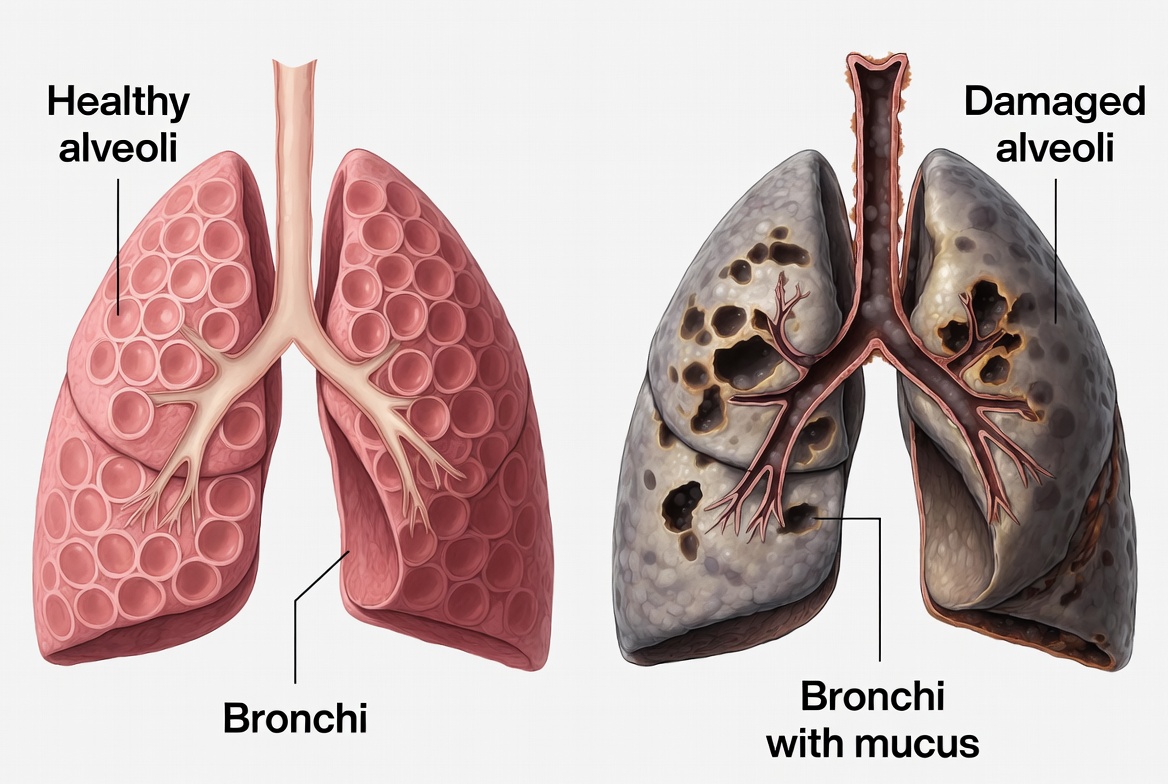
Chronic Obstructive Pulmonary Disease (COPD) is a progressive lung disease that makes breathing increasingly difficult over time. The condition is characterized by chronic inflammation of the airways and permanent damage to the lungs, which reduces the normal flow of air during breathing.
COPD mainly includes two conditions that often occur together:
- Chronic bronchitis, where the airways become inflamed and produce excessive mucus, leading to a persistent cough.
- Emphysema, where the tiny air sacs (alveoli) in the lungs become damaged, reducing the lungs' ability to exchange oxygen and carbon dioxide efficiently.
The disease usually develops gradually over many years. Because symptoms often appear slowly, many people mistake early signs for normal aging or poor fitness, delaying diagnosis and treatment.
Smoking is the leading cause of COPD worldwide. However, long-term exposure to secondhand smoke, air pollution, occupational dust, chemical fumes, and indoor biomass smoke from wood or charcoal can also contribute to the disease. In a small number of people, COPD develops because of a rare inherited condition called Alpha-1 Antitrypsin Deficiency.
COPD cannot currently be cured, but it can be effectively managed. Early diagnosis, quitting smoking, prescribed inhalers, vaccinations, pulmonary rehabilitation, regular physical activity, and avoiding lung irritants can help slow disease progression and improve daily life.
Key Fact:
COPD is one of the leading causes of illness and death worldwide, but many people continue to live active and fulfilling lives with proper treatment and long-term care.
Symptoms
The symptoms of Chronic Obstructive Pulmonary Disease (COPD) usually develop gradually and often worsen over time. Many people do not notice the early signs until lung damage has already occurred. Symptoms may vary from person to person and can become more severe during periods called COPD exacerbations (flare-ups), when breathing suddenly becomes much worse.
Common Symptoms
- Shortness of breath, especially during physical activity
- A persistent cough that lasts for months or years
- Production of mucus (phlegm), which may be clear, white, yellow, or green
- Wheezing or a whistling sound while breathing
- Chest tightness or discomfort
- Reduced ability to exercise or perform daily activities
- Frequent respiratory infections
- Feeling tired or lacking energy
Early Symptoms
In the early stages, COPD symptoms are often mild and may be mistaken for aging or being out of shape. Many people ignore these warning signs, delaying diagnosis and treatment.
- Shortness of breath when climbing stairs or walking uphill
- A morning cough that does not go away
- Occasional wheezing
- Small amounts of daily mucus production
- Reduced stamina during routine activities
Advanced Symptoms
As COPD progresses, breathing becomes more difficult and symptoms may interfere with everyday life. Some people require oxygen therapy during advanced stages.
- Severe shortness of breath even while resting
- Difficulty speaking because of breathlessness
- Swelling of the ankles, feet, or legs
- Unintentional weight loss and muscle weakness
- Frequent flare-ups requiring emergency treatment or hospitalization
- Bluish lips or fingertips due to low oxygen levels (cyanosis)
Signs of a COPD Flare-Up
A COPD flare-up is a sudden worsening of symptoms that may require prompt medical attention. Common warning signs include:
- Breathlessness that is much worse than usual
- Increased coughing
- A noticeable increase in mucus production
- Mucus changing to yellow, green, or brown
- Fever or chills
- Difficulty performing normal daily activities because of breathing problems
Seek Immediate Medical Attention If You Experience:
Severe difficulty breathing that does not improve with prescribed medication
- Blue or gray lips, face, or fingertips
- Chest pain or pressure
- Confusion, excessive drowsiness, or difficulty staying awake
- Coughing up a large amount of blood
- Loss of consciousness
If you experience any of these emergency symptoms, seek immediate medical care or contact your local emergency services. Prompt treatment can be life-saving.
Causes
Chronic Obstructive Pulmonary Disease (COPD) develops after long-term damage to the lungs and airways. This damage causes inflammation, narrowing of the airways, and destruction of the tiny air sacs (alveoli) that are responsible for exchanging oxygen and carbon dioxide. Over time, these changes make it harder to breathe.
The most common cause of COPD is long-term exposure to harmful particles or gases, especially cigarette smoke. However, COPD can also develop in people who have never smoked.
1. Cigarette Smoking
Cigarette smoking is the leading cause of COPD worldwide. The harmful chemicals in tobacco smoke irritate the airways, increase mucus production, and gradually damage lung tissue. The risk of developing COPD increases with the number of years a person smokes and the total amount of tobacco exposure.
2. Secondhand Smoke
Regular exposure to secondhand smoke can also damage the lungs. Living or working with smokers over many years may increase the risk of developing COPD, particularly in people who have other risk factors.
3. Air Pollution
Long-term exposure to outdoor air pollution and poor indoor air quality may contribute to COPD. People living in areas with heavy traffic, industrial pollution, or poor ventilation may have an increased risk of lung damage over time.
4. Occupational Dust and Chemical Exposure
People who work in environments with dust, fumes, smoke, or chemical vapors may be at greater risk of developing COPD, especially if protective equipment is not used consistently. Occupations that may involve higher exposure include mining, construction, manufacturing, farming, and welding.
5. Biomass Fuel Smoke
In many parts of the world, cooking or heating with wood, charcoal, crop waste, or animal dung in poorly ventilated homes produces smoke that can damage the lungs after years of exposure. This is an important cause of COPD in many low- and middle-income countries.
6. Alpha-1 Antitrypsin Deficiency
A small number of people develop COPD because of a rare inherited condition called Alpha-1 Antitrypsin Deficiency (AATD). This genetic disorder reduces the body's ability to protect the lungs from damage. People with COPD who develop symptoms at a younger age or who have never smoked may be tested for this condition.
Did You Know?
Although smoking is the most common cause of COPD, not everyone with COPD has a history of smoking. Environmental exposures, workplace hazards, and certain genetic conditions can also play an important role.
In many people, COPD develops because of a combination of risk factors rather than a single cause. Identifying and reducing ongoing exposure to lung irritants is an important part of preventing further lung damage.
Risk Factors
Certain factors can increase your chances of developing Chronic Obstructive Pulmonary Disease (COPD). Having one or more risk factors does not mean you will definitely develop COPD, but it does increase the likelihood, especially if multiple risk factors are present over many years.
Major Risk Factors for COPD
| Risk Factor | How It Increases Risk |
|---|---|
| Smoking | The most significant risk factor. The longer and heavier a person smokes, the greater the risk of developing COPD. |
| Secondhand Smoke | Long-term exposure to tobacco smoke from others can damage the lungs and contribute to COPD. |
| Occupational Exposure | Regular exposure to dust, chemical fumes, smoke, or industrial pollutants can gradually damage the airways. |
| Indoor Air Pollution | Cooking or heating with biomass fuels such as wood, charcoal, or crop waste in poorly ventilated homes increases long-term lung exposure to harmful smoke. |
| Outdoor Air Pollution | Living in areas with high levels of air pollution may contribute to chronic lung damage over time. |
| Age Over 40 Years | COPD most commonly develops after many years of exposure to lung irritants and is usually diagnosed in middle-aged or older adults. |
| Genetic Factors | A rare inherited condition called Alpha-1 Antitrypsin Deficiency can increase the risk of developing COPD, particularly at a younger age. |
| History of Asthma | Poorly controlled asthma, particularly when combined with smoking, may increase the likelihood of developing permanent airway damage. |
| Frequent Childhood Respiratory Infections | Repeated lung infections during childhood may affect normal lung development and increase future COPD risk. |
Can COPD Be Prevented?
Many COPD risk factors are preventable. Quitting smoking, avoiding secondhand smoke, reducing exposure to workplace dust and chemicals, improving indoor ventilation, and protecting yourself from air pollution can significantly lower your risk of developing COPD.
Tips to Reduce Your Risk
Quit smoking as early as possible.
- Avoid exposure to secondhand smoke.
- Wear appropriate protective equipment if you work around dust or chemicals.
- Keep your home well ventilated, especially when cooking with solid fuels.
- Stay physically active and maintain a healthy weight.
- Keep vaccinations up to date, including influenza and pneumococcal vaccines if recommended by your healthcare provider.
- Seek medical advice if you have a long-term cough or increasing shortness of breath.
Recognizing risk factors early allows people to take preventive steps before significant lung damage occurs. Early lifestyle changes and regular medical check-ups can help protect lung health and improve long-term outcomes.
Diagnosis
Diagnosing Chronic Obstructive Pulmonary Disease (COPD) involves reviewing your symptoms, medical history, smoking history, and performing breathing tests to measure how well your lungs are working. Because COPD symptoms often develop gradually and may resemble other lung or heart conditions, your healthcare provider may recommend several tests to confirm the diagnosis and determine its severity.
Medical History and Physical Examination
Your healthcare provider will begin by asking about your symptoms, lifestyle, and exposure to risk factors. Common questions may include:
- Do you currently smoke or have you smoked in the past?
- How long have you had a cough or shortness of breath?
- Do you produce mucus regularly?
- Have your symptoms been getting worse over time?
- Have you been exposed to dust, chemicals, or air pollution at work or home?
- Do you have a family history of lung disease?
During the physical examination, your doctor will listen to your lungs using a stethoscope and look for signs such as wheezing, prolonged exhalation, or reduced breath sounds.
Tests Used to Diagnose COPD
| Test | Purpose |
|---|---|
| Spirometry (Pulmonary Function Test) | The most important test for diagnosing COPD. It measures how much air you can breathe out and how quickly you can empty your lungs after taking a deep breath. |
| Chest X-ray | Helps identify lung damage and rule out other conditions such as pneumonia or heart failure. |
| CT Scan of the Chest | Provides detailed images of the lungs and may help detect emphysema or other lung diseases. |
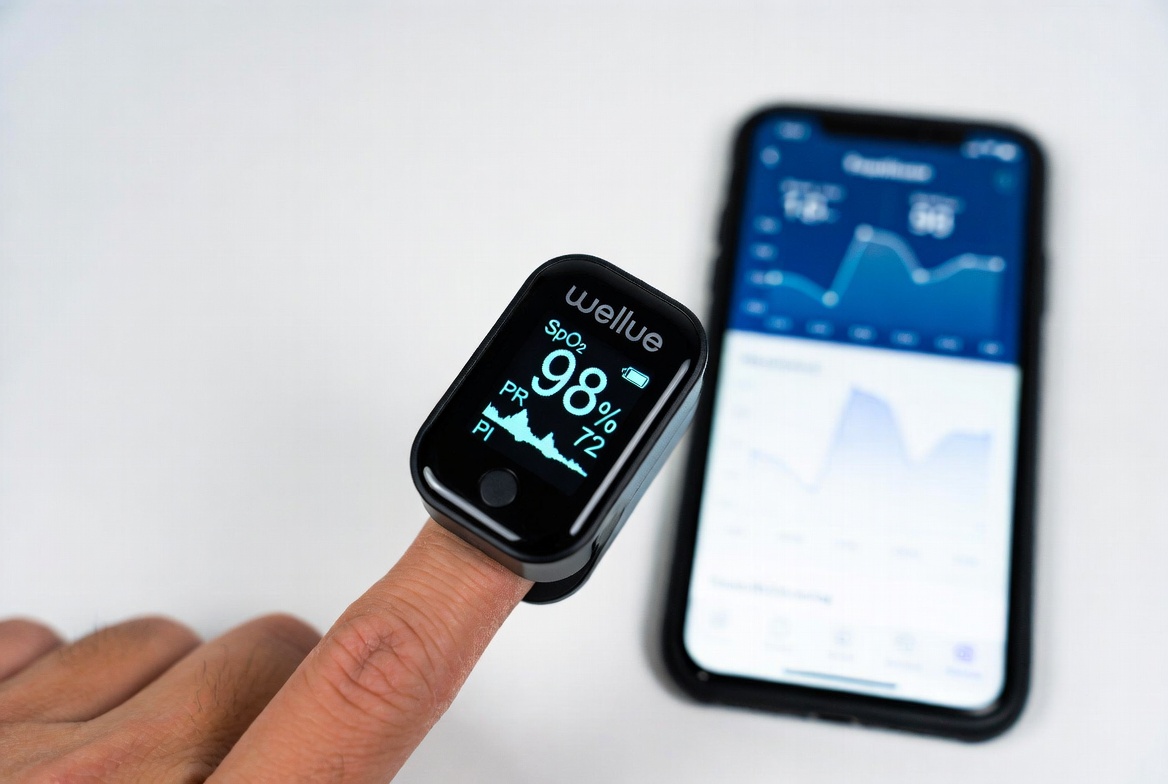
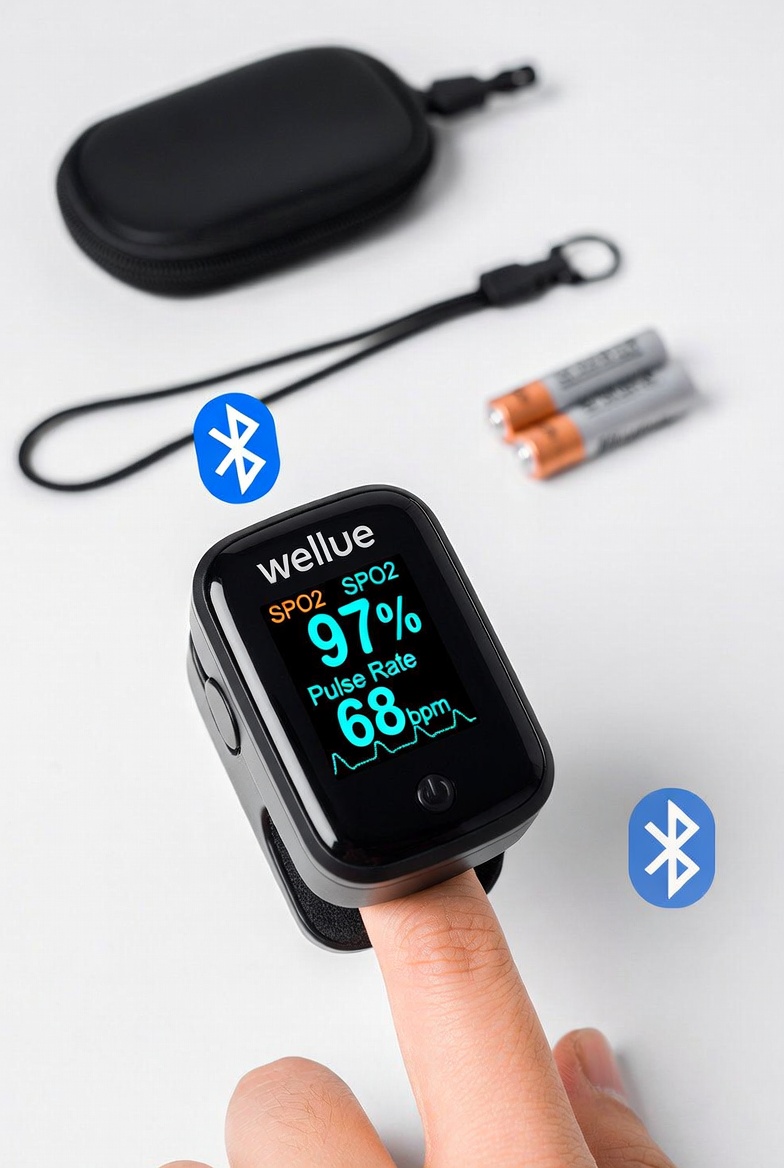
| Pulse Oximetry | A small sensor placed on your finger measures your blood oxygen level quickly and painlessly. |
| Arterial Blood Gas (ABG) | Measures oxygen and carbon dioxide levels in the blood, particularly in people with advanced COPD. |
| Alpha-1 Antitrypsin Deficiency Testing | May be recommended for younger patients or those with COPD who have never smoked. |
Spirometry: The Gold Standard Test
Spirometry is considered the gold standard for diagnosing COPD. During the test, you will be asked to take a deep breath and blow forcefully into a device called a spirometer. The test measures how much air you can exhale and how quickly you can do so.
The results help your healthcare provider determine whether airflow obstruction is present and assess the severity of the disease. Spirometry is painless, non-invasive, and usually takes only a few minutes to complete.
Monitoring Oxygen Levels
People with COPD may have lower-than-normal oxygen levels, especially as the disease progresses. Pulse oximetry provides a quick estimate of blood oxygen saturation, but it does not replace a complete medical evaluation. If oxygen levels are persistently low or symptoms worsen, further assessment by a healthcare professional is recommended.
When Should You Be Evaluated?
You should consider seeing a healthcare provider if you have:
A cough lasting more than eight weeks.
- Increasing shortness of breath during routine activities.
- Frequent chest infections.
- A long history of smoking or exposure to harmful dust or fumes.
- Persistent wheezing or excessive mucus production.
Early diagnosis is important because treatment is most effective when started before significant lung damage occurs. If you have ongoing breathing problems or risk factors for COPD, discuss your symptoms with your healthcare provider as soon as possible.
Treatment
Although Chronic Obstructive Pulmonary Disease (COPD) cannot currently be cured, effective treatment can help relieve symptoms, slow disease progression, reduce flare-ups, and improve overall quality of life. Treatment plans are individualized based on the severity of the disease, symptoms, and overall health.
Successful COPD management often combines lifestyle changes, medications, pulmonary rehabilitation, vaccinations, and regular follow-up with a healthcare provider.
1. Smoking Cessation
Quitting smoking is the single most important step in slowing the progression of COPD. Stopping smoking can reduce further lung damage, improve breathing, and lower the risk of complications. Even people who have smoked for many years can benefit from quitting.
Good to Know:
Quitting smoking at any stage of COPD provides significant health benefits and can improve both quality of life and long-term outcomes.
2. Medications
Several medications are available to help manage COPD symptoms. Your healthcare provider will recommend the most appropriate treatment based on your condition.
- Bronchodilators: Help relax the muscles around the airways, making breathing easier.
- Inhaled Corticosteroids: May reduce airway inflammation and help prevent frequent flare-ups in selected patients.
- Combination Inhalers: Some inhalers combine two or more medications to improve symptom control.
- Antibiotics: May be prescribed if a bacterial lung infection is causing a COPD flare-up.
- Oral Corticosteroids: Sometimes used for short periods during severe exacerbations.
3. Pulmonary Rehabilitation
Pulmonary rehabilitation is a comprehensive program designed for people with chronic lung diseases. It combines supervised exercise, breathing techniques, education, nutritional advice, and emotional support to help patients stay active and manage their condition more effectively.
Many people experience improved exercise tolerance, less breathlessness, and a better quality of life after completing a pulmonary rehabilitation program.
4. Oxygen Therapy
Some people with advanced COPD develop persistently low blood oxygen levels. In these cases, long-term oxygen therapy may be recommended. Oxygen therapy can improve survival in appropriately selected patients and may reduce symptoms such as severe breathlessness and fatigue.
Your healthcare provider will determine whether oxygen therapy is necessary based on blood oxygen measurements and other clinical assessments.
5. Vaccinations
Respiratory infections are a common cause of COPD flare-ups. Keeping recommended vaccinations up to date can help reduce the risk of serious illness.
- Annual influenza (flu) vaccine
- Pneumococcal vaccination
- COVID-19 vaccination, when recommended
- Other vaccines based on age and individual health conditions
6. Healthy Lifestyle Habits
Daily lifestyle choices play an important role in managing COPD and maintaining lung function.
- Stay physically active within your ability.
- Eat a balanced and nutritious diet.
- Maintain a healthy body weight.
- Drink enough fluids unless advised otherwise by your healthcare provider.
- Avoid tobacco smoke, dust, fumes, and other lung irritants.
- Practice breathing techniques recommended by your healthcare team.
7. Surgical Treatment
Surgery is not required for most people with COPD, but it may be considered in carefully selected patients with advanced disease. Possible procedures include lung volume reduction surgery, bullectomy, or lung transplantation in appropriate candidates.
These treatments are only recommended after careful evaluation by specialists and are generally reserved for severe cases when other treatment options have not provided adequate benefit.
Managing COPD Every Day
- Take your medications exactly as prescribed.
- Use inhalers with the correct technique.
- Attend regular follow-up appointments.
- Recognize the early signs of a COPD flare-up.
- Seek medical attention promptly if symptoms suddenly worsen.
With early diagnosis, appropriate treatment, and healthy lifestyle choices, many people with COPD are able to remain active, manage their symptoms effectively, and maintain a good quality of life for many years.
Need Expert Medical Guidance?
Schedule a direct consultation with Dr. Nabila Zaheer for a personalized care plan.
Prevention
Although not all cases of Chronic Obstructive Pulmonary Disease (COPD) can be prevented, many people can significantly reduce their risk by avoiding harmful lung exposures and maintaining a healthy lifestyle. Early intervention is especially important for people who smoke or who are regularly exposed to dust, fumes, or air pollution.
For individuals who have already been diagnosed with COPD, preventive measures can help slow disease progression, reduce flare-ups, and improve overall quality of life.
Ways to Reduce the Risk of COPD
- Do not smoke. Avoiding tobacco use is the most effective way to protect your lungs.
- Quit smoking as early as possible. Stopping smoking at any stage helps reduce further lung damage and improves long-term health.
- Avoid secondhand smoke. Limit exposure to tobacco smoke in your home, workplace, and public places whenever possible.
- Protect yourself at work. If you are exposed to dust, fumes, or chemicals, wear appropriate protective equipment and follow workplace safety guidelines.
- Reduce exposure to indoor air pollution. Ensure proper ventilation when cooking or heating with wood, charcoal, or other solid fuels.
- Limit exposure to outdoor air pollution. Stay indoors or wear appropriate protection during periods of poor air quality if recommended.
- Stay physically active. Regular exercise supports lung function, improves endurance, and promotes overall health.
- Eat a balanced diet. Good nutrition helps maintain energy levels and supports the immune system.
- Maintain a healthy weight. Both underweight and obesity can make breathing more difficult.
- Keep vaccinations up to date. Annual influenza vaccination and other recommended vaccines can help reduce the risk of respiratory infections.
- Seek medical advice early. A persistent cough, increasing shortness of breath, or frequent chest infections should not be ignored.
Preventing COPD Flare-Ups
People living with COPD can take several steps to reduce the risk of exacerbations (flare-ups), which are episodes where symptoms suddenly become worse.
- Take medications exactly as prescribed.
- Use inhalers correctly and consistently.
- Avoid close contact with people who have respiratory infections.
- Wash your hands regularly to reduce the spread of germs.
- Recognize the early signs of a flare-up and seek medical care promptly.
- Attend regular follow-up appointments with your healthcare provider.
Healthy Lungs Start with Healthy Habits
Small lifestyle changes can make a meaningful difference over time. Avoiding tobacco smoke, staying physically active, eating a nutritious diet, and keeping up with recommended vaccinations are among the most effective ways to protect your lungs and reduce the risk of COPD complications.
While some risk factors, such as age or inherited genetic conditions, cannot be changed, adopting healthy habits and reducing exposure to harmful substances can greatly improve lung health and lower the likelihood of developing COPD or experiencing severe disease progression.
Complications
Without appropriate treatment and long-term management, Chronic Obstructive Pulmonary Disease (COPD) can lead to several serious complications. As the disease progresses, reduced airflow and lower oxygen levels may affect not only the lungs but also other organs throughout the body.
Early diagnosis, taking medications as prescribed, avoiding smoking, and attending regular medical follow-up can help reduce the risk of many COPD-related complications.
Common Complications of COPD
| Complication | Description |
|---|---|
| Frequent COPD Flare-Ups (Exacerbations) | Sudden worsening of symptoms that may require additional medication, emergency treatment, or hospitalization. Frequent exacerbations can accelerate lung function decline. |
| Respiratory Infections | People with COPD are more likely to develop infections such as influenza, pneumonia, and bronchitis, which can significantly worsen breathing problems. |
| Respiratory Failure | In advanced COPD, the lungs may no longer provide enough oxygen or remove enough carbon dioxide, requiring urgent medical care and, in some cases, long-term oxygen therapy or ventilatory support. |
| Pulmonary Hypertension | Long-term low oxygen levels can increase blood pressure in the arteries of the lungs, placing extra strain on the heart. |
| Heart Problems | People with COPD have a higher risk of cardiovascular diseases, including heart attacks, heart failure, and irregular heart rhythms. |
| Weight Loss and Muscle Weakness | Advanced COPD may increase the body's energy requirements while making eating and physical activity more difficult, leading to unintentional weight loss and reduced muscle strength. |
| Osteoporosis | Reduced physical activity, poor nutrition, smoking, and long-term use of certain medications may increase the risk of weakened bones and fractures. |
| Anxiety and Depression | Living with chronic breathlessness and activity limitations can affect emotional well-being. Many people with COPD benefit from psychological support alongside medical treatment. |
How to Reduce the Risk of Complications
Although complications cannot always be prevented, many can be reduced through consistent disease management and healthy lifestyle choices.
- Stop smoking and avoid exposure to secondhand smoke.
- Take prescribed medications exactly as directed.
- Attend regular follow-up appointments with your healthcare provider.
- Participate in pulmonary rehabilitation if recommended.
- Keep vaccinations up to date to reduce the risk of respiratory infections.
- Stay physically active within your ability.
- Seek medical attention promptly if your symptoms suddenly worsen.
Know the Warning Signs
Contact your healthcare provider immediately if you notice worsening shortness of breath, increasing mucus production, changes in mucus color, chest pain, confusion, bluish lips or fingertips, or symptoms that do not improve with your usual medications. Early treatment of COPD flare-ups can help prevent serious complications.
Many people with COPD continue to live active and fulfilling lives by working closely with their healthcare team, following their treatment plan, and recognizing potential complications early. Regular monitoring and timely medical care play an important role in maintaining long-term lung health and overall well-being.
When to See a Doctor
Early medical evaluation is important for anyone experiencing persistent breathing problems. Because COPD often develops gradually, many people ignore the early symptoms or mistake them for normal aging or lack of fitness. Prompt diagnosis and treatment can help slow disease progression, improve quality of life, and reduce the risk of serious complications.
Schedule an Appointment If You Have:
- A persistent cough lasting more than eight weeks.
- Shortness of breath during everyday activities, such as walking or climbing stairs.
- Regular production of mucus (phlegm), especially if it continues for several weeks.
- Frequent chest infections or repeated episodes of bronchitis.
- Wheezing or ongoing chest tightness.
- A history of smoking or long-term exposure to dust, chemical fumes, or air pollution along with breathing symptoms.
- Symptoms that interfere with your work, exercise, or daily routine.
Seek Immediate Medical Attention If You Experience:
- Severe shortness of breath that makes it difficult to speak or walk.
- Blue or gray lips, fingertips, or face (a possible sign of low oxygen levels).
- Chest pain or pressure.
- Confusion, extreme drowsiness, or difficulty staying awake.
- Coughing up a significant amount of blood.
- A sudden worsening of COPD symptoms that does not improve with your prescribed rescue medication.
- Loss of consciousness or fainting.
Regular Follow-Up Is Important
If you have been diagnosed with COPD, regular follow-up appointments are an essential part of your long-term care. Your healthcare provider may monitor your symptoms, review your inhaler technique, assess lung function, recommend vaccinations, and adjust your treatment plan if your condition changes.
Do not stop or change your prescribed medications without first consulting your healthcare provider. Even if you are feeling well, continuing your treatment plan and attending routine check-ups can help reduce the risk of flare-ups and maintain your lung health.
Remember
COPD is a long-term condition, but early diagnosis and appropriate treatment can make a significant difference. If you notice ongoing breathing problems or believe you may be at risk, schedule an appointment with a qualified healthcare professional for a proper evaluation.
Medical Disclaimer: This information is intended for educational purposes only and should not replace professional medical advice, diagnosis, or treatment. Always consult a qualified healthcare provider regarding any medical concerns or before making changes to your treatment plan. If you are experiencing a medical emergency, contact your local emergency services immediately.