Overview
Pneumonia is a lung infection that causes inflammation of the tiny air sacs (alveoli) within the lungs. Normally, these air sacs fill with air during breathing. In pneumonia, they become filled with fluid or pus, making it harder for oxygen to pass into the bloodstream and causing symptoms such as cough, fever, chest pain, and difficulty breathing.
Pneumonia may affect one lung or both lungs and can be caused by bacteria, viruses, fungi, or, less commonly, other microorganisms. The severity of the illness varies from mild cases that can be treated at home to severe infections requiring hospitalization and intensive medical care.
Anyone can develop pneumonia, but the condition is more common and often more serious in young children, adults aged 65 years and older, people with chronic lung diseases, smokers, and individuals with weakened immune systems.
Treatment depends on the underlying cause, the severity of symptoms, and the person's overall health. Many people recover completely with timely treatment, although recovery may take several weeks, especially in older adults or those with other medical conditions.
How Pneumonia Affects the Lungs
When germs enter the lungs, the body's immune system responds by causing inflammation. This inflammation leads to fluid and immune cells collecting inside the air sacs, reducing the lungs' ability to exchange oxygen efficiently.
- Inflammation: The lung tissue becomes swollen as the body fights the infection.
- Fluid or Pus Accumulation: The air sacs fill with fluid, making breathing more difficult.
- Reduced Oxygen Exchange: Less oxygen reaches the bloodstream, which may cause shortness of breath and low oxygen levels.
Types of Pneumonia
| Type | Description |
|---|---|
| Community-Acquired Pneumonia (CAP) | The most common type, acquired outside hospitals or healthcare facilities. |
| Hospital-Acquired Pneumonia (HAP) | Develops during or after a hospital stay and may involve more resistant bacteria. |
| Ventilator-Associated Pneumonia (VAP) | Occurs in people receiving mechanical ventilation. |
| Aspiration Pneumonia | Occurs when food, liquids, saliva, or stomach contents enter the lungs instead of the stomach. |
Key Fact: Pneumonia is one of the leading causes of hospitalization worldwide, but many cases can be successfully treated when diagnosed early and managed appropriately.
Symptoms
The symptoms of pneumonia can range from mild to severe and may develop suddenly or gradually over several days. Some people experience only a mild cough, while others become seriously ill and require hospitalization. Symptoms often depend on the type of pneumonia, the person's age, overall health, and whether the infection is caused by bacteria, viruses, or fungi.
Because pneumonia affects the lungs' ability to exchange oxygen, many people experience breathing difficulties along with symptoms of infection such as fever and fatigue.
Common Symptoms of Pneumonia
- Persistent cough (may produce mucus or phlegm).
- Fever and chills.
- Shortness of breath or difficulty breathing.
- Chest pain that becomes worse during deep breathing or coughing (pleuritic chest pain).
- Fatigue and weakness.
- Rapid breathing.
- Sweating.
- Loss of appetite.
- Muscle aches and body pain.
- Headache.
Symptoms in Older Adults
Older adults may not always develop a high fever. Instead, pneumonia may present with more subtle symptoms, making early diagnosis more challenging.
- Confusion or sudden changes in mental status.
- Extreme tiredness.
- Poor appetite.
- Weakness.
- Difficulty breathing.
- Low body temperature instead of fever.
Symptoms in Children
Children with pneumonia may have different symptoms than adults. Infants and young children may not always complain of chest pain or cough.
- Rapid breathing.
- Fever.
- Poor feeding.
- Irritability.
- Vomiting.
- Low energy or unusual sleepiness.
- Grunting sounds while breathing.
- Chest retractions (the chest pulling inward while breathing).
Symptoms May Vary by the Cause
| Type of Pneumonia | Typical Symptoms |
|---|---|
| Bacterial Pneumonia | Often begins suddenly with high fever, chills, productive cough, chest pain, and significant shortness of breath. |
| Viral Pneumonia | Usually starts gradually with fever, dry cough, fatigue, sore throat, and body aches before breathing symptoms worsen. |
| Fungal Pneumonia | More common in people with weakened immune systems and may develop gradually with cough, fever, weight loss, and increasing breathlessness. |
Seek Immediate Medical Attention If You Experience:
- Severe difficulty breathing.
- Blue lips or fingertips.
- Persistent chest pain.
- Confusion or difficulty staying awake.
- High fever that does not improve.
- Coughing up blood.
- Rapid worsening of symptoms.
Remember
Many respiratory illnesses, including influenza, COVID-19, bronchitis, and pneumonia, can have similar symptoms. Only a qualified healthcare provider can determine the exact cause through clinical evaluation and, when necessary, additional tests such as a chest X-ray or laboratory investigations.
If you have a persistent cough, fever, chest pain, or difficulty breathing that lasts more than a few days or suddenly worsens, seek medical evaluation promptly. Early diagnosis and treatment can reduce the risk of serious complications and speed recovery.
Causes
Pneumonia develops when germs or other harmful substances enter the lungs and cause inflammation of the air sacs (alveoli). As the body's immune system responds to the infection, the air sacs fill with fluid or pus, making it more difficult for oxygen to pass into the bloodstream.
Pneumonia can be caused by bacteria, viruses, fungi, or by accidentally inhaling food, liquids, or stomach contents into the lungs. The exact cause often depends on a person's age, overall health, immune status, and where the infection was acquired.
Common Causes of Pneumonia
| Cause | Description |
|---|---|
| Bacterial Infection | Bacteria are among the most common causes of pneumonia, especially in adults. Bacterial pneumonia often develops suddenly and may require treatment with antibiotics. |
| Viral Infection | Viruses such as influenza, respiratory syncytial virus (RSV), and SARS-CoV-2 (the virus that causes COVID-19) can cause pneumonia. Viral pneumonia ranges from mild to severe. |
| Fungal Infection | Fungal pneumonia is less common and is seen more often in people with weakened immune systems or those exposed to certain environmental fungi. |
| Aspiration | Aspiration pneumonia occurs when food, liquids, saliva, or stomach contents accidentally enter the lungs instead of the stomach, leading to inflammation and infection. |
Where Pneumonia Can Be Acquired
- Community-Acquired Pneumonia (CAP): Develops outside hospitals or healthcare facilities and is the most common type.
- Hospital-Acquired Pneumonia (HAP): Develops during a hospital stay and may involve bacteria that are more resistant to antibiotics.
- Ventilator-Associated Pneumonia (VAP): Occurs in people receiving mechanical ventilation in intensive care units.
How Pneumonia Develops
Every day, people inhale tiny particles, bacteria, and viruses. In most healthy individuals, the body's natural defenses—including coughing, the immune system, and tiny hair-like structures called cilia—remove these germs before they cause illness.
Pneumonia develops when these protective mechanisms are overwhelmed or weakened, allowing germs to multiply within the lungs. The resulting inflammation causes the air sacs to fill with fluid, reducing oxygen exchange and making breathing more difficult.
Important Note
Not every case of pneumonia is contagious. Whether pneumonia can spread depends on the organism causing the infection. For example, bacterial and viral infections that lead to pneumonia may spread between people, while aspiration pneumonia is not contagious.
Identifying the underlying cause of pneumonia is important because treatment varies depending on whether the infection is caused by bacteria, viruses, fungi, or aspiration. Your healthcare provider may recommend additional tests to determine the most appropriate treatment.
Risk Factors
Anyone can develop pneumonia, but certain factors increase the likelihood of getting the infection or experiencing more severe illness. Understanding these risk factors can help individuals take preventive measures and seek medical care promptly if symptoms develop.
People with one or more risk factors may benefit from recommended vaccinations, healthy lifestyle choices, and regular medical follow-up to reduce their risk of pneumonia.
Common Risk Factors for Pneumonia
| Risk Factor | Why It Increases Risk |
|---|---|
| Age | Children younger than 5 years and adults aged 65 years and older have immune systems that are less effective at fighting infections. |
| Smoking | Smoking damages the lungs and the tiny hair-like structures (cilia) that help remove germs, making infections more likely. |
| Chronic Lung Diseases | Conditions such as COPD, asthma, bronchiectasis, and interstitial lung disease increase the risk of developing pneumonia. |
| Weakened Immune System | People receiving chemotherapy, organ transplant recipients, individuals living with HIV, or those taking immunosuppressive medications are at greater risk. |
| Diabetes | High blood sugar levels can reduce the body's ability to fight infections. |
| Heart, Kidney, or Liver Disease | Chronic medical conditions may reduce the body's resistance to infection and increase the severity of pneumonia. |
| Hospitalization | People admitted to hospital, especially those in intensive care units, have a higher risk of healthcare-associated pneumonia. |
| Mechanical Ventilation | Patients using ventilators are at increased risk of ventilator-associated pneumonia. |
| Difficulty Swallowing | Stroke, neurological disorders, or impaired swallowing increase the risk of aspiration pneumonia. |
| Excessive Alcohol Use | Heavy alcohol consumption weakens the immune system and increases the risk of aspiration and lung infections. |
| Poor Nutrition | Malnutrition reduces the body's ability to fight infections and recover from illness. |
| Poor Oral Hygiene | Bacteria from the mouth may be inhaled into the lungs, particularly in older adults and hospitalized patients. |
People at Higher Risk of Severe Pneumonia
Certain individuals are more likely to develop serious complications if they become infected with pneumonia. These include:
- Adults aged 65 years and older.
- Infants and young children.
- People with chronic lung diseases such as COPD or asthma.
- People with diabetes, heart disease, kidney disease, or liver disease.
- Individuals with weakened immune systems.
- Residents of nursing homes or long-term care facilities.
- People recovering from major surgery or prolonged hospitalization.
Can Pneumonia Risk Be Reduced?
- Do not smoke and avoid secondhand smoke.
- Receive recommended influenza and pneumococcal vaccinations.
- Wash your hands regularly.
- Maintain good oral hygiene.
- Eat a balanced, nutritious diet.
- Stay physically active when possible.
- Manage chronic medical conditions effectively.
- Seek medical attention early if respiratory symptoms worsen.
Remember: Having one or more risk factors does not mean you will definitely develop pneumonia. However, recognizing these risks allows you and your healthcare provider to take steps that may reduce your chances of infection and improve outcomes if pneumonia occurs.
If you belong to a high-risk group, discuss vaccination, preventive measures, and your overall lung health with your healthcare provider during routine medical visits.
Diagnosis
Pneumonia is diagnosed by evaluating your symptoms, medical history, physical examination, and, when necessary, imaging and laboratory tests. Because pneumonia shares symptoms with other respiratory illnesses such as bronchitis, influenza, COVID-19, and asthma, additional testing is often required to confirm the diagnosis and determine the underlying cause.
Early diagnosis is important because prompt treatment can reduce the risk of serious complications and improve recovery.
Medical History and Physical Examination
Your healthcare provider will ask about your symptoms, how long they have been present, your medical history, recent illnesses, smoking history, vaccination status, and any chronic medical conditions.
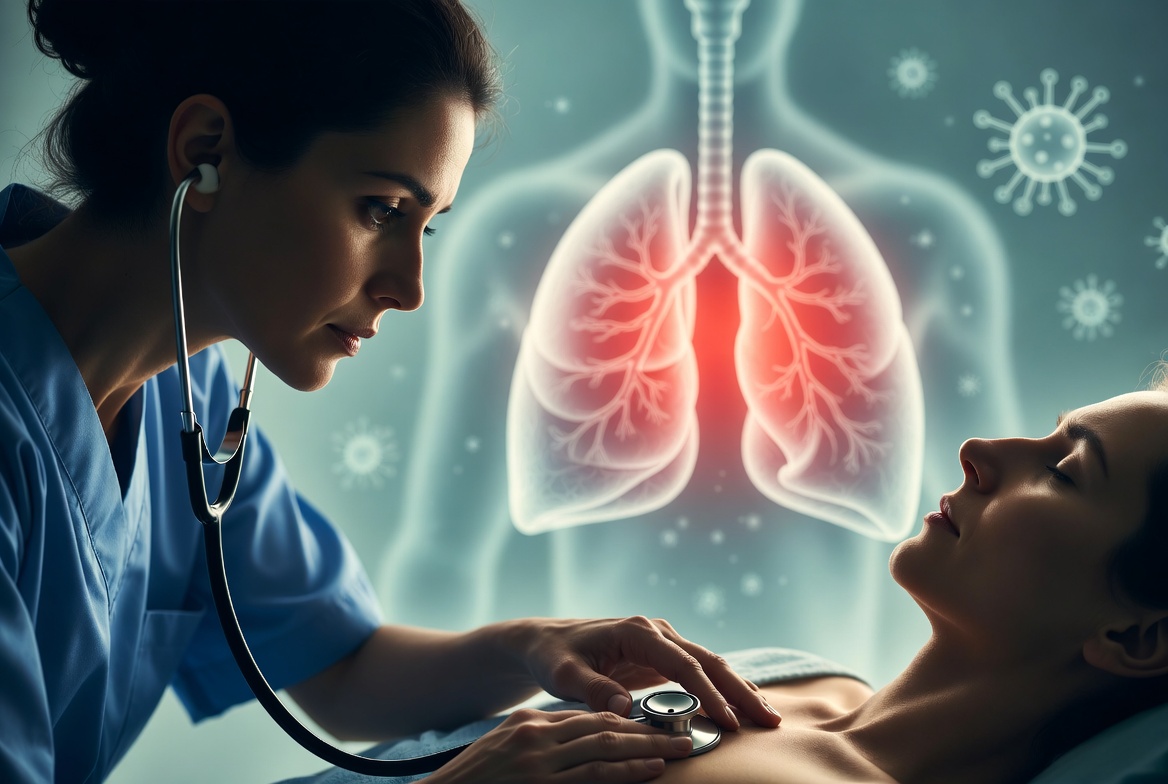
During the physical examination, your lungs will be examined using a stethoscope. Pneumonia may produce abnormal breath sounds such as crackles (crepitations), decreased breath sounds, or wheezing.
Common Tests Used to Diagnose Pneumonia
| Test | Purpose |
|---|---|
| Chest X-ray | The most common imaging test used to confirm pneumonia by identifying areas of infection or inflammation in the lungs. |
| Pulse Oximetry | A small sensor placed on the finger measures the oxygen level in your blood to determine whether your lungs are supplying enough oxygen. |
| Blood Tests | May help identify signs of infection and assess how your body is responding to the illness. |
| Sputum (Phlegm) Test | A sample of mucus may be analyzed to help identify the bacteria or other organisms causing the infection. |
| Blood Cultures | Sometimes performed in people with severe pneumonia to determine whether bacteria have entered the bloodstream. |
| Viral Testing | Tests for viruses such as influenza, RSV, or COVID-19 may be recommended depending on your symptoms and local outbreaks. |
| CT Scan of the Chest | May be recommended if the diagnosis is uncertain, symptoms are severe, or complications are suspected. |
| Bronchoscopy | In selected cases, a thin flexible camera is passed into the airways to obtain samples or investigate persistent or unusual infections. |
Assessing the Severity of Pneumonia
After confirming the diagnosis, your healthcare provider will determine how severe the pneumonia is. Factors such as your age, oxygen level, blood pressure, breathing rate, existing medical conditions, and laboratory results help decide whether treatment can be safely provided at home or whether hospitalization is needed.
Why Early Diagnosis Matters
Diagnosing pneumonia early allows treatment to begin before the infection becomes more severe. Prompt medical care reduces the risk of hospitalization, serious complications, and prolonged recovery.
Do Not Self-Diagnose
Cough, fever, and shortness of breath can occur in many different respiratory illnesses. Only a qualified healthcare provider can determine whether your symptoms are caused by pneumonia and recommend the most appropriate treatment.
If you have persistent fever, worsening cough, chest pain, difficulty breathing, or symptoms that do not improve after several days, seek medical evaluation promptly. Early diagnosis and appropriate treatment provide the best chance for a full recovery.
Treatment
The treatment of pneumonia depends on the underlying cause of the infection, the severity of the illness, your age, and your overall health. Mild cases can often be treated at home with medications and rest, while severe pneumonia may require hospitalization and supportive care.
Following your healthcare provider's treatment plan and completing all prescribed medications are important for a full recovery and to reduce the risk of complications.
Treatment Options for Pneumonia
| Treatment | Purpose |
|---|---|
| Antibiotics | Used to treat bacterial pneumonia. It is important to complete the full course of antibiotics even if you begin to feel better. |
| Antiviral Medications | May be recommended for certain viral infections, such as influenza, when started early in the illness. |
| Antifungal Medications | Used to treat fungal pneumonia, particularly in people with weakened immune systems. |
| Fever and Pain Relief | Medications may help reduce fever, body aches, and chest discomfort while recovering. |
| Fluids and Rest | Drinking plenty of fluids and getting adequate rest support recovery and help loosen mucus. |
| Oxygen Therapy | People with low oxygen levels may require supplemental oxygen in hospital or, in some cases, at home. |
| Hospital Care | Severe pneumonia may require intravenous medications, oxygen therapy, close monitoring, or intensive care. |
Home Care During Recovery
Many people with mild pneumonia recover safely at home. Your healthcare provider may recommend:
- Taking all prescribed medications exactly as directed.
- Getting plenty of rest.
- Drinking enough fluids to stay hydrated.
- Eating a balanced and nutritious diet.
- Avoiding smoking and exposure to secondhand smoke.
- Gradually returning to normal activities as your symptoms improve.
When Hospitalization May Be Needed
Hospital treatment may be necessary if pneumonia is severe or if complications develop. You may require hospital care if you have:
- Very low oxygen levels.
- Severe shortness of breath.
- Low blood pressure.
- Confusion or reduced alertness.
- Difficulty eating or drinking because of illness.
- Significant underlying medical conditions that increase the risk of complications.
Recovery from Pneumonia
Recovery time varies from person to person. Some people begin to feel better within a week, while others may experience fatigue and reduced energy for several weeks after the infection has resolved. Older adults and people with chronic medical conditions often require a longer recovery period.
Tips for a Healthy Recovery
- Complete your full course of prescribed medication.
- Attend follow-up appointments if recommended.
- Do not smoke during recovery.
- Drink plenty of fluids unless your healthcare provider advises otherwise.
- Return to work or exercise gradually as your strength improves.
- Seek medical advice if your symptoms worsen or fail to improve.
Do Not Stop Treatment Early
Even if you feel better after a few days, continue taking your prescribed medications exactly as directed. Stopping treatment too soon may allow the infection to return or contribute to antibiotic resistance when antibiotics are prescribed.
Important Reminder
Antibiotics are effective only against bacterial pneumonia. They do not treat viral pneumonia unless there is also a bacterial infection. Your healthcare provider will recommend the most appropriate treatment based on the likely cause of your pneumonia.
Most people recover completely from pneumonia with timely diagnosis, appropriate treatment, and adequate rest. If your symptoms worsen, you develop increasing shortness of breath, or you are not improving as expected, contact your healthcare provider promptly.
Need Expert Medical Guidance?
Schedule a direct consultation with Dr. Nabila Zaheer for a personalized care plan.
Prevention
Although not every case of pneumonia can be prevented, many infections can be avoided by taking simple preventive measures. Vaccinations, good hygiene, healthy lifestyle habits, and proper management of chronic medical conditions all play an important role in reducing the risk of pneumonia and its complications.
People at higher risk—including older adults, young children, individuals with chronic lung disease, and those with weakened immune systems—should discuss preventive strategies with their healthcare provider.
Ways to Help Prevent Pneumonia
| Prevention Strategy | How It Helps |
|---|---|
| Stay Up to Date with Vaccinations | Vaccines such as the pneumococcal vaccine, annual influenza vaccine, and other recommended immunizations help reduce the risk of pneumonia and severe respiratory infections. |
| Wash Your Hands Regularly | Frequent handwashing with soap and water helps prevent the spread of bacteria and viruses that can cause pneumonia. |
| Avoid Smoking | Smoking damages the lungs and weakens the body's natural defense mechanisms, making infections more likely. |
| Practice Good Respiratory Hygiene | Cover your mouth and nose when coughing or sneezing, dispose of tissues properly, and wash your hands afterward. |
| Maintain a Healthy Lifestyle | A balanced diet, regular physical activity, adequate sleep, and stress management help support a healthy immune system. |
| Manage Chronic Health Conditions | Keeping conditions such as asthma, COPD, diabetes, and heart disease well controlled can lower the risk of pneumonia. |
| Avoid Close Contact with Sick Individuals | Reducing exposure to people with contagious respiratory infections may decrease your risk of becoming ill. |
| Maintain Good Oral Hygiene | Regular brushing, flossing, and dental care help reduce harmful bacteria that may be inhaled into the lungs. |
Reducing the Risk of Aspiration Pneumonia
Aspiration pneumonia occurs when food, liquids, saliva, or stomach contents enter the lungs instead of the stomach. The following measures may help reduce this risk:
- Eat slowly and chew food thoroughly.
- Remain upright while eating and for at least 30 minutes afterward.
- Follow swallowing recommendations if you have difficulty swallowing.
- Seek medical advice if you frequently choke while eating or drinking.
Who Should Consider Pneumococcal Vaccination?
Your healthcare provider may recommend pneumococcal vaccination if you are at increased risk of pneumonia, including:
- Adults aged 65 years and older.
- Young children according to national immunization schedules.
- People with chronic lung diseases such as COPD or asthma.
- Individuals with diabetes, heart disease, kidney disease, or liver disease.
- People with weakened immune systems.
- Individuals who smoke cigarettes.
Healthy Habits That Protect Your Lungs
- Stay physically active.
- Eat a nutritious, balanced diet.
- Drink enough fluids.
- Get sufficient sleep each night.
- Avoid smoking and secondhand smoke.
- Attend routine medical check-ups.
- Keep recommended vaccinations up to date.
Remember
Vaccination is one of the most effective ways to reduce the risk of certain types of pneumonia and their complications. Even if vaccination does not completely prevent infection, it may reduce the severity of illness and the likelihood of hospitalization.
Taking preventive measures is especially important for people at higher risk of pneumonia. If you are unsure whether you should receive pneumococcal or influenza vaccination, discuss your individual risk factors with your healthcare provider.
Complications
Most people recover completely from pneumonia with timely diagnosis and appropriate treatment. However, in some cases, particularly among older adults, young children, and individuals with chronic medical conditions or weakened immune systems, pneumonia can lead to serious complications.
Early medical evaluation, appropriate treatment, and careful follow-up significantly reduce the risk of these complications.
Possible Complications of Pneumonia
| Complication | Description |
|---|---|
| Respiratory Failure | Severe pneumonia may prevent the lungs from supplying enough oxygen to the body, requiring oxygen therapy or mechanical ventilation. |
| Pleural Effusion | Fluid may collect between the lungs and the chest wall (pleural space), making breathing more difficult. |
| Empyema | If infected fluid accumulates in the pleural space, it is called empyema. This condition often requires drainage in addition to antibiotics. |
| Lung Abscess | A pocket of pus may form inside the lung tissue. Lung abscesses usually require prolonged antibiotic treatment and, occasionally, drainage procedures. |
| Bacteremia (Bloodstream Infection) | Bacteria from the lungs can enter the bloodstream and spread the infection to other parts of the body, potentially becoming life-threatening. |
| Sepsis | A severe, life-threatening response to infection that can damage multiple organs and requires emergency medical treatment. |
| Acute Respiratory Distress Syndrome (ARDS) | A rare but serious condition in which widespread inflammation causes severe breathing failure, often requiring intensive care. |
| Delayed Recovery | Some people continue to experience fatigue, cough, or reduced exercise tolerance for several weeks after the infection has resolved. |
Who Is More Likely to Develop Complications?
Complications are more likely to occur in:
- Adults aged 65 years and older.
- Infants and young children.
- People with COPD, asthma, bronchiectasis, or other chronic lung diseases.
- Individuals with diabetes, heart disease, kidney disease, or liver disease.
- People with weakened immune systems.
- Hospitalized patients, particularly those requiring intensive care.
- People who delay seeking medical treatment despite worsening symptoms.
Warning Signs of Serious Complications
- Severe or worsening shortness of breath.
- Blue lips or fingertips.
- Persistent high fever despite treatment.
- Confusion or difficulty staying awake.
- Chest pain that becomes increasingly severe.
- Coughing up significant amounts of blood.
- Symptoms that worsen instead of improving after starting treatment.
The Good News
Most people with pneumonia recover fully, especially when the condition is diagnosed early and treated appropriately. Completing prescribed medications, attending follow-up appointments when recommended, and seeking prompt medical attention if symptoms worsen can greatly reduce the risk of complications.
Recovery May Take Time
Even after the infection has cleared, some people continue to feel tired or experience a mild cough for several weeks. This is often part of the normal healing process, but persistent or worsening symptoms should be discussed with your healthcare provider.
If your symptoms suddenly worsen, your breathing becomes more difficult, or you develop signs of severe illness, seek medical care immediately. Prompt treatment can prevent many pneumonia-related complications and improve recovery.
When to See a Doctor
Pneumonia can range from a mild illness to a serious, life-threatening infection. If you develop symptoms such as a persistent cough, fever, chest pain, or difficulty breathing, it is important to seek medical evaluation. Early diagnosis and appropriate treatment can help prevent complications and improve recovery.
While some mild respiratory infections improve on their own, pneumonia often requires medical assessment to determine the cause and whether treatment such as antibiotics or hospitalization is needed.
Schedule a Medical Appointment If You:
- Have a cough that lasts longer than a few days and is getting worse.
- Develop a fever with chills, cough, or chest discomfort.
- Experience shortness of breath during normal daily activities.
- Cough up yellow, green, or blood-tinged mucus.
- Have chest pain that worsens when taking a deep breath or coughing.
- Feel unusually tired or weak for several days.
- Notice that your symptoms are not improving or are getting worse despite home care.
Seek Prompt Medical Attention If You Are at Higher Risk
Certain individuals should seek medical evaluation early because they are more likely to develop severe pneumonia or complications.
- Adults aged 65 years and older.
- Children younger than 5 years, especially infants.
- People with COPD, asthma, or other chronic lung diseases.
- Individuals with diabetes, heart disease, kidney disease, or liver disease.
- People with weakened immune systems.
- Individuals receiving chemotherapy or immunosuppressive medications.
Seek Emergency Medical Care Immediately If You:
- Have severe difficulty breathing or rapidly worsening shortness of breath.
- Develop blue or gray lips, face, or fingertips.
- Experience severe chest pain.
- Become confused, unusually drowsy, or difficult to wake.
- Have a very high fever with worsening symptoms.
- Cough up large amounts of blood.
- Notice that your oxygen levels are low if you monitor them at home.
- Feel that you cannot catch your breath even while resting.
If You Are Already Receiving Treatment
Contact your healthcare provider promptly if your symptoms are not improving within the expected timeframe, your fever returns after initially improving, your breathing becomes more difficult, or you develop new symptoms while taking prescribed medications.
Follow-Up Care Is Important
Some people, particularly older adults and those with severe pneumonia, may need follow-up appointments to ensure the infection has resolved and lung function is improving. Your healthcare provider may recommend additional tests or imaging if symptoms persist.
Early Treatment Leads to Better Outcomes
Most people recover well from pneumonia when it is diagnosed early and treated appropriately. Seeking medical care promptly, completing your prescribed treatment, and attending follow-up appointments can help reduce the risk of complications and support a full recovery.
Never ignore persistent fever, worsening cough, chest pain, or difficulty breathing. If you are concerned about your symptoms, consult your healthcare provider as soon as possible.