Overview
Pulmonary hypertension (PH) is a condition in which the blood pressure in the arteries that carry blood from the heart to the lungs becomes abnormally high. As these pulmonary arteries become narrowed, blocked, or damaged, the heart must work harder to pump blood through the lungs. Over time, this extra strain can weaken the right side of the heart and lead to serious complications.
Pulmonary hypertension is not the same as systemic high blood pressure. It specifically affects the blood vessels of the lungs and can develop as a result of heart disease, chronic lung diseases, blood clots in the lungs, connective tissue disorders, or other medical conditions. In some cases, the exact cause is unknown.
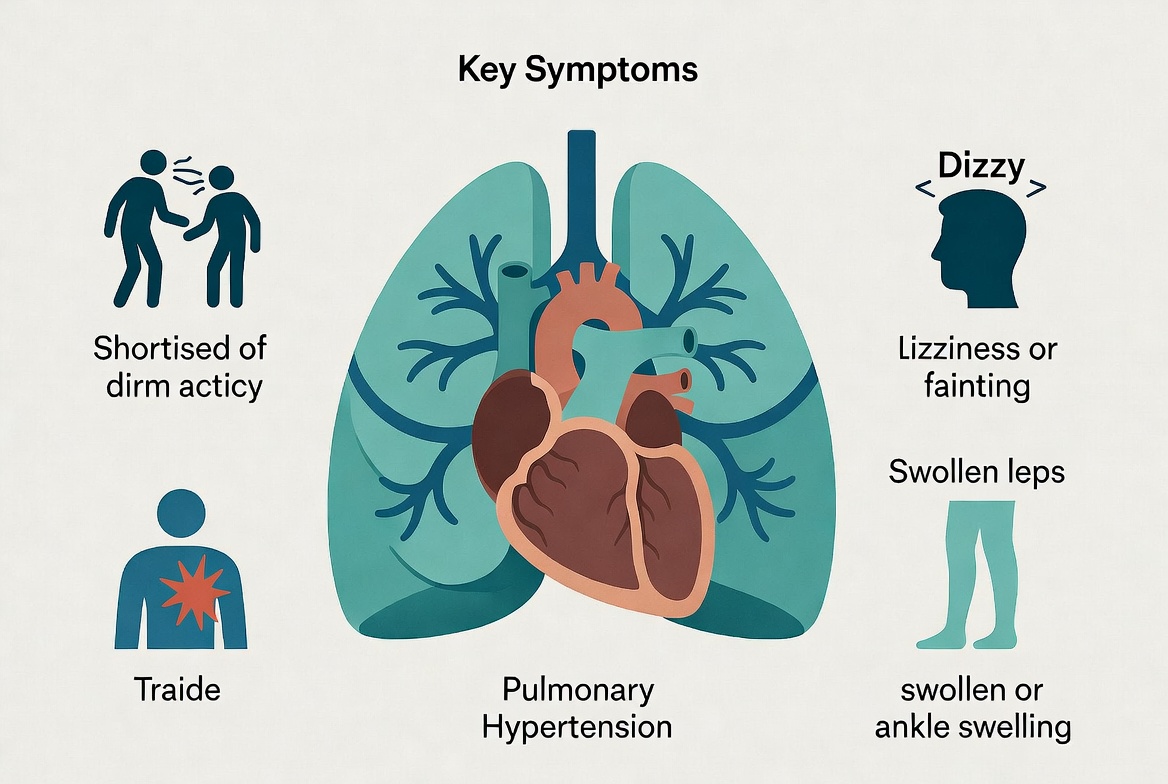
Early symptoms are often mild and may include shortness of breath during activity, fatigue, dizziness, and chest discomfort. As the disease progresses, symptoms can occur even at rest and significantly affect daily activities. Although pulmonary hypertension is a chronic condition, early diagnosis and appropriate treatment can improve symptoms, slow disease progression, and enhance quality of life.
Common Symptoms
- Shortness of breath, especially during physical activity.
- Fatigue and reduced exercise capacity.
- Chest pain or chest pressure.
- Dizziness or fainting (syncope).
- Rapid or irregular heartbeat.
- Swelling of the ankles, legs, or abdomen.
- Bluish lips or fingertips (cyanosis) in advanced cases.
- Persistent dry cough in some individuals.
Pulmonary Hypertension Is Different from Regular High Blood Pressure
Pulmonary hypertension affects the arteries inside the lungs, whereas systemic hypertension affects blood pressure throughout the rest of the body. The two conditions have different causes and treatments.
Early Symptoms Can Be Easy to Miss
Many people initially notice only mild shortness of breath or fatigue during exercise. Because these symptoms develop gradually, pulmonary hypertension is sometimes diagnosed after the disease has progressed.
Early Diagnosis Can Improve Outcomes
Timely diagnosis, treatment of the underlying cause, and appropriate medications can improve breathing, protect heart function, and enhance long-term quality of life.
If you experience persistent shortness of breath, unexplained fatigue, chest discomfort, or swelling of the legs, especially if you have heart or lung disease, consult your healthcare provider. Early evaluation can lead to timely treatment and better outcomes.
Symptoms
The symptoms of pulmonary hypertension often develop gradually and may be mild in the early stages. As pressure in the pulmonary arteries increases, the heart has to work harder to pump blood through the lungs, leading to worsening symptoms over time.
Because the early symptoms are similar to those of many other heart and lung conditions, pulmonary hypertension is sometimes diagnosed late. Recognizing the warning signs and seeking medical evaluation early can improve treatment outcomes.
Common Symptoms of Pulmonary Hypertension
| Symptom | Description |
|---|---|
| Shortness of Breath | The most common symptom. It usually begins during physical activity and may eventually occur even while resting as the disease progresses. |
| Fatigue | Reduced oxygen delivery and increased strain on the heart can cause persistent tiredness and low energy levels. |
| Chest Pain or Pressure | Some people experience chest discomfort, tightness, or pressure, especially during exercise or physical activity. |
| Dizziness or Lightheadedness | Reduced blood flow to the brain may cause dizziness, particularly during exertion. |
| Fainting (Syncope) | Fainting during exercise or physical activity may occur in more advanced pulmonary hypertension and requires prompt medical evaluation. |
| Rapid or Irregular Heartbeat | The heart may beat faster or irregularly as it works harder to pump blood through the lungs. |
| Swelling (Edema) | Fluid buildup in the ankles, feet, legs, or abdomen may develop as the right side of the heart becomes strained. |
| Bluish Lips or Fingertips (Cyanosis) | Low oxygen levels in advanced disease may cause a bluish discoloration of the lips, fingers, or toes. |
| Persistent Dry Cough | Some people may develop a chronic dry cough, although this is less common. |
| Reduced Ability to Exercise | Activities that were previously easy may become increasingly difficult because of breathlessness and fatigue. |
Symptoms That May Worsen Over Time
- Shortness of breath during routine daily activities.
- Difficulty climbing stairs or walking short distances.
- Increasing swelling in the legs or abdomen.
- Frequent dizziness or fainting episodes.
- Worsening fatigue despite adequate rest.
- Reduced tolerance for physical activity.
Symptoms Often Develop Slowly
Many people notice only mild breathlessness or fatigue at first. As pulmonary hypertension progresses, symptoms typically become more frequent and severe, making everyday activities increasingly difficult.
Do Not Ignore Unexplained Breathlessness
Persistent shortness of breath, especially during routine activities or exercise, should always be evaluated by a healthcare provider. Early diagnosis can improve treatment options and long-term outcomes.
Seek Emergency Medical Care If You:
- Faint or lose consciousness.
- Develop severe chest pain.
- Experience sudden or severe shortness of breath.
- Notice blue lips or fingertips.
- Develop rapid swelling of the legs or abdomen.
- Have severe dizziness or confusion.
If you experience persistent breathlessness, fatigue, chest discomfort, dizziness, or swelling of the legs, especially if you have a history of heart or lung disease, consult your healthcare provider. Early diagnosis and treatment can help slow disease progression and improve your quality of life.
Causes
Pulmonary hypertension (PH) develops when the blood vessels that carry blood from the heart to the lungs become narrowed, blocked, stiff, or damaged. As a result, blood pressure within the pulmonary arteries rises, forcing the right side of the heart to work harder to pump blood through the lungs.
Pulmonary hypertension is usually a complication of another medical condition, although in some people the exact cause cannot be identified. Determining the underlying cause is essential because treatment depends on the type of pulmonary hypertension.
Common Causes of Pulmonary Hypertension
| Cause | Description |
|---|---|
| Left-Sided Heart Disease | Conditions such as heart failure, mitral valve disease, and aortic valve disease can increase pressure in the lungs and are among the most common causes of pulmonary hypertension. |
| Chronic Lung Diseases | Chronic obstructive pulmonary disease (COPD), pulmonary fibrosis, interstitial lung disease (ILD), and severe asthma can damage the lungs and increase pressure in the pulmonary arteries. |
| Sleep Apnea | Repeated episodes of low oxygen during sleep can contribute to pulmonary hypertension if left untreated. |
| Chronic Blood Clots (Chronic Thromboembolic Pulmonary Hypertension) | Blood clots that remain in the pulmonary arteries after pulmonary embolism can block blood flow and increase pulmonary artery pressure. |
| Connective Tissue Diseases | Autoimmune conditions such as systemic sclerosis (scleroderma), systemic lupus erythematosus (SLE), and rheumatoid arthritis may damage the pulmonary blood vessels. |
| Congenital Heart Disease | Some heart defects present from birth allow abnormal blood flow that can eventually lead to pulmonary hypertension. |
| Liver Disease (Portal Hypertension) | Advanced liver disease and portal hypertension can increase the risk of pulmonary hypertension. |
| Certain Medications and Drugs | Some appetite suppressants, stimulant drugs, and certain medications have been linked to pulmonary hypertension. |
| Inherited (Genetic) Factors | Rare inherited gene mutations can increase the risk of pulmonary arterial hypertension (PAH). |
| Unknown Cause (Idiopathic Pulmonary Arterial Hypertension) | In some individuals, no identifiable cause is found despite thorough medical evaluation. |
Types of Pulmonary Hypertension
- Pulmonary Arterial Hypertension (PAH): Caused by disease affecting the pulmonary arteries themselves.
- Pulmonary Hypertension Due to Left Heart Disease: The most common form, resulting from heart conditions that increase pressure in the lungs.
- Pulmonary Hypertension Due to Lung Disease or Low Oxygen Levels: Common in COPD, pulmonary fibrosis, sleep apnea, and other chronic lung diseases.
- Chronic Thromboembolic Pulmonary Hypertension (CTEPH): Caused by chronic blood clots obstructing the pulmonary arteries.
- Pulmonary Hypertension with Unclear or Multifactorial Causes: Associated with certain blood disorders, metabolic diseases, kidney disease, and other complex conditions.
Pulmonary Hypertension Is Often a Complication of Another Disease
Most cases of pulmonary hypertension occur because of an underlying heart, lung, or blood vessel condition. Identifying and treating the underlying cause is an important part of managing the disease.
Early Detection Can Slow Disease Progression
Recognizing pulmonary hypertension early allows treatment to begin before significant damage occurs to the lungs or the right side of the heart.
Managing Underlying Conditions Can Help
Controlling heart disease, chronic lung disease, sleep apnea, and other contributing conditions can reduce symptoms, slow progression, and improve long-term outcomes.
If you have persistent shortness of breath, fatigue, or chest discomfort—especially if you have heart disease, chronic lung disease, sleep apnea, or a history of blood clots—consult your healthcare provider. Early diagnosis is essential for effective treatment and improved quality of life.
Risk Factors
Pulmonary hypertension (PH) can affect people of any age, but certain medical conditions, lifestyle factors, and inherited traits increase the likelihood of developing the disease. While some risk factors cannot be changed, others can be managed to help reduce the risk of complications.
People with chronic heart disease, lung disease, or a history of blood clots should be especially aware of the symptoms of pulmonary hypertension and seek medical evaluation if they develop unexplained shortness of breath or fatigue.
Common Risk Factors for Pulmonary Hypertension
| Risk Factor | How It Increases Risk |
|---|---|
| Left-Sided Heart Disease | Heart failure and heart valve diseases increase pressure in the pulmonary circulation, making them the most common causes of pulmonary hypertension. |
| Chronic Lung Disease | Conditions such as COPD, pulmonary fibrosis, interstitial lung disease (ILD), and severe asthma can damage the lungs and pulmonary blood vessels. |
| Sleep Apnea | Repeated episodes of low oxygen during sleep increase strain on the pulmonary arteries over time. |
| History of Pulmonary Embolism | Previous blood clots in the lungs increase the risk of chronic thromboembolic pulmonary hypertension (CTEPH). |
| Connective Tissue Diseases | Autoimmune diseases such as systemic sclerosis, lupus, and rheumatoid arthritis may damage the pulmonary arteries. |
| Congenital Heart Disease | Heart defects present at birth may lead to long-term increased pressure in the pulmonary arteries. |
| Liver Disease | Advanced liver disease and portal hypertension increase the risk of developing pulmonary hypertension. |
| Family History or Genetic Mutations | Inherited gene mutations can increase the risk of pulmonary arterial hypertension (PAH). |
| Obesity | Obesity increases the likelihood of sleep apnea, heart disease, and other conditions associated with pulmonary hypertension. |
| Certain Medications and Recreational Drugs | Some appetite suppressants, stimulant drugs, and methamphetamine use have been linked to pulmonary arterial hypertension. |
People at Higher Risk
- Adults with heart failure or heart valve disease.
- People living with COPD, pulmonary fibrosis, or other chronic lung diseases.
- Individuals with untreated obstructive sleep apnea.
- People with a history of pulmonary embolism or deep vein thrombosis (DVT).
- Individuals with autoimmune diseases.
- People with congenital heart defects.
- Individuals with advanced liver disease.
- People with a family history of pulmonary arterial hypertension.
Managing Chronic Conditions Can Lower Your Risk
Proper treatment of heart disease, lung disease, sleep apnea, and other underlying conditions may reduce the risk of developing pulmonary hypertension or slow its progression.
Early Symptoms Should Not Be Ignored
If you have one or more risk factors and develop unexplained shortness of breath, fatigue, dizziness, or swelling of the legs, seek medical evaluation promptly.
Regular Follow-Up Helps Detect Problems Early
People at high risk should attend regular medical check-ups. Early detection and treatment of pulmonary hypertension can improve symptoms, protect heart function, and enhance long-term quality of life.
Having one or more risk factors does not mean you will definitely develop pulmonary hypertension. However, recognizing these risks and seeking timely medical care can lead to earlier diagnosis, more effective treatment, and better overall outcomes.
Diagnosis
Diagnosing pulmonary hypertension (PH) involves a combination of medical history, physical examination, imaging studies, blood tests, and specialized heart and lung tests. Because the symptoms are often similar to those of other heart and lung conditions, several tests may be needed to confirm the diagnosis and determine the underlying cause.
The goals of diagnosis are to measure pressure in the pulmonary arteries, evaluate heart and lung function, identify the type of pulmonary hypertension, and guide the most appropriate treatment.
Common Tests Used to Diagnose Pulmonary Hypertension
| Test | Purpose |
|---|---|
| Medical History and Physical Examination | Your healthcare provider will review your symptoms, medical history, medications, family history, and examine your heart, lungs, and legs for signs of swelling or abnormal heart sounds. |
| Blood Tests | Help identify underlying conditions such as autoimmune diseases, liver disease, thyroid disorders, infections, or heart strain. |
| Chest X-ray | May show enlargement of the pulmonary arteries or the right side of the heart and identify certain lung diseases. |
| Electrocardiogram (ECG) | Evaluates heart rhythm and may detect signs of right-sided heart strain. |
| Echocardiogram (Heart Ultrasound) | The primary non-invasive screening test for pulmonary hypertension. It estimates pulmonary artery pressure and assesses heart structure and function. |
| Pulmonary Function Tests (PFTs) | Measure lung function and help identify COPD, pulmonary fibrosis, or other chronic lung diseases. |
| CT Scan of the Chest | Provides detailed images of the lungs and pulmonary blood vessels to detect lung disease or other abnormalities. |
| Ventilation-Perfusion (V/Q) Scan | Looks for chronic blood clots in the lungs and is especially useful for diagnosing chronic thromboembolic pulmonary hypertension (CTEPH). |
| Six-Minute Walk Test | Measures exercise capacity and helps monitor disease severity and response to treatment. |
| Right Heart Catheterization | The gold standard for confirming pulmonary hypertension. A thin catheter is inserted into the heart to directly measure pressures in the pulmonary arteries and assess heart function. |
Additional Tests That May Be Recommended
- Sleep study if obstructive sleep apnea is suspected.
- Overnight pulse oximetry to evaluate oxygen levels during sleep.
- Cardiac MRI to assess heart structure and right ventricular function.
- Genetic testing in selected individuals with suspected inherited pulmonary arterial hypertension.
- Exercise testing to evaluate symptoms and functional capacity.
Right Heart Catheterization Confirms the Diagnosis
Although echocardiography is an excellent screening tool, right heart catheterization is the definitive test used to confirm pulmonary hypertension and accurately measure pressure inside the pulmonary arteries.
Finding the Underlying Cause Is Essential
Pulmonary hypertension is often a complication of another condition, such as heart disease, chronic lung disease, sleep apnea, or chronic blood clots. Identifying the underlying cause helps determine the most effective treatment.
Early Diagnosis Improves Long-Term Outcomes
Diagnosing pulmonary hypertension before significant damage occurs to the heart or lungs allows treatment to begin earlier, helping improve symptoms, slow disease progression, and enhance quality of life.
If you have persistent shortness of breath, fatigue, dizziness, chest discomfort, or swelling of the legs—especially if you have heart or lung disease—consult your healthcare provider. Early diagnosis and appropriate treatment can make a significant difference in managing pulmonary hypertension.
Treatment
The treatment of pulmonary hypertension (PH) depends on its underlying cause, severity, and the patient's overall health. While some forms of pulmonary hypertension cannot be cured, modern treatments can relieve symptoms, improve exercise capacity, slow disease progression, and enhance quality of life.
Treatment usually includes managing the underlying condition, medications that lower pressure in the pulmonary arteries, lifestyle changes, oxygen therapy when needed, and regular follow-up with a pulmonologist or cardiologist experienced in pulmonary hypertension.
Common Treatment Options for Pulmonary Hypertension
| Treatment | Purpose |
|---|---|
| Treating the Underlying Cause | Managing conditions such as heart failure, COPD, interstitial lung disease, sleep apnea, or chronic blood clots is an essential part of treatment. |
| Pulmonary Vasodilator Medications | Specialized medicines help relax and widen the pulmonary arteries, improving blood flow and reducing pressure in selected types of pulmonary hypertension. |
| Diuretics (Water Tablets) | Help remove excess fluid, reducing swelling in the legs and decreasing strain on the heart. |
| Oxygen Therapy | Supplemental oxygen may be prescribed for people with low blood oxygen levels, especially those with chronic lung disease. |
| Blood Thinners (Anticoagulants) | Recommended for selected patients, particularly those with chronic thromboembolic pulmonary hypertension (CTEPH), to reduce the risk of new blood clots. |
| Medications for Heart Failure | People whose pulmonary hypertension is caused by heart disease may require medications to improve heart function and control blood pressure. |
| Pulmonary Rehabilitation | Supervised exercise, breathing techniques, and education help improve physical fitness, reduce breathlessness, and enhance quality of life. |
| Surgical or Interventional Procedures | Selected patients may benefit from pulmonary thromboendarterectomy for CTEPH, balloon pulmonary angioplasty, atrial septostomy, or, in advanced cases, lung transplantation. |
Lifestyle Changes That Support Treatment
- Take medications exactly as prescribed.
- Avoid smoking and exposure to secondhand smoke.
- Stay physically active with guidance from your healthcare provider.
- Maintain a healthy body weight.
- Follow a balanced, low-salt diet if advised.
- Monitor swelling, weight changes, and symptoms regularly.
- Stay up to date with influenza and pneumococcal vaccinations.
- Avoid pregnancy if advised by your specialist, as it can pose significant risks in severe pulmonary hypertension.
Treatment Is Tailored to the Type of Pulmonary Hypertension
Not all medications are appropriate for every type of pulmonary hypertension. Your healthcare provider will recommend treatment based on the underlying cause and the results of specialized testing.
Regular Follow-Up Is Essential
Pulmonary hypertension is a chronic condition that requires ongoing monitoring. Regular appointments help assess treatment effectiveness, adjust medications, and detect complications early.
Early Treatment Can Improve Quality of Life
Although pulmonary hypertension often requires long-term management, early diagnosis and appropriate treatment can reduce symptoms, improve exercise tolerance, protect heart function, and help many people live active lives.
If you have pulmonary hypertension, work closely with your healthcare team and follow your treatment plan consistently. Prompt management of symptoms and underlying conditions can significantly improve long-term outcomes and reduce the risk of complications.
Need Expert Medical Guidance?
Schedule a direct consultation with Dr. Nabila Zaheer for a personalized care plan.
Prevention
Not all cases of pulmonary hypertension (PH) can be prevented, particularly those caused by inherited conditions or rare diseases. However, many cases are associated with underlying heart or lung conditions that can be managed effectively. Early diagnosis and proper treatment of these conditions can help reduce the risk of developing pulmonary hypertension or slow its progression.
Maintaining a healthy lifestyle, avoiding smoking, and receiving regular medical care are important steps in protecting both your heart and lungs.
Ways to Help Prevent Pulmonary Hypertension
| Prevention Strategy | How It Helps |
|---|---|
| Manage Heart Disease | Proper treatment of heart failure, heart valve disease, and high blood pressure can reduce strain on the pulmonary circulation. |
| Treat Chronic Lung Diseases | Controlling COPD, asthma, pulmonary fibrosis, and other chronic lung conditions helps protect lung function and reduce the risk of pulmonary hypertension. |
| Treat Sleep Apnea | Using CPAP or other recommended treatments helps prevent repeated episodes of low oxygen that can damage the pulmonary arteries. |
| Avoid Smoking | Smoking damages the lungs and blood vessels, increasing the risk of chronic lung disease and pulmonary hypertension. |
| Stay Physically Active | Regular, moderate exercise supports heart and lung health. Consult your healthcare provider before starting a new exercise program if you already have pulmonary hypertension. |
| Maintain a Healthy Weight | A healthy body weight lowers the risk of heart disease, sleep apnea, and other conditions linked to pulmonary hypertension. |
| Prevent Blood Clots | Following medical advice after surgery, staying active during long travel, and taking prescribed anticoagulants when indicated can reduce the risk of pulmonary embolism. |
| Stay Up to Date with Vaccinations | Annual influenza vaccination and recommended pneumococcal vaccines help reduce respiratory infections that can worsen lung disease. |
Healthy Lifestyle Habits
- Eat a balanced diet rich in fruits, vegetables, whole grains, and lean proteins.
- Limit salt intake if advised by your healthcare provider.
- Avoid tobacco products and secondhand smoke.
- Exercise regularly within your physical limits.
- Take prescribed medications consistently.
- Attend routine medical check-ups.
- Manage diabetes, high blood pressure, and high cholesterol.
- Seek prompt treatment for lung infections.
Early Treatment of Underlying Conditions Makes a Difference
Many cases of pulmonary hypertension develop because of chronic heart or lung diseases. Managing these conditions effectively can help reduce the risk of pulmonary hypertension and improve overall health.
Do Not Ignore Persistent Breathlessness
Shortness of breath that gradually worsens is not a normal part of aging. Early medical evaluation can identify pulmonary hypertension or other serious heart and lung conditions before significant complications develop.
Healthy Habits Support Long-Term Heart and Lung Health
Avoiding smoking, staying physically active, maintaining a healthy weight, and following your healthcare provider's treatment plan can help protect your heart, lungs, and overall well-being.
Although pulmonary hypertension cannot always be prevented, reducing modifiable risk factors and managing existing medical conditions can lower the risk of disease progression and improve long-term quality of life.
Complications
If pulmonary hypertension (PH) is left untreated or continues to worsen, the increased pressure in the pulmonary arteries places significant strain on the right side of the heart. Over time, this can lead to serious complications affecting the heart, lungs, and other organs.
Early diagnosis, regular monitoring, and appropriate treatment can help slow disease progression, reduce symptoms, and lower the risk of life-threatening complications.
Possible Complications of Pulmonary Hypertension
| Complication | Description |
|---|---|
| Right-Sided Heart Failure (Cor Pulmonale) | The right ventricle must work harder to pump blood through the narrowed pulmonary arteries. Over time, it can weaken and fail. |
| Abnormal Heart Rhythms (Arrhythmias) | Irregular heartbeats, including atrial fibrillation and atrial flutter, may occur and can increase the risk of complications. |
| Blood Clots | People with pulmonary hypertension may have an increased risk of blood clots, particularly if chronic thromboembolic pulmonary hypertension (CTEPH) is present. |
| Bleeding into the Lungs (Hemoptysis) | In advanced disease, fragile blood vessels in the lungs may rupture, causing coughing up of blood. This can be a medical emergency. |
| Low Blood Oxygen Levels (Hypoxemia) | Reduced oxygen delivery can worsen breathlessness, fatigue, and strain on the heart and other organs. |
| Fluid Retention (Edema) | Right-sided heart failure may lead to swelling of the ankles, legs, abdomen (ascites), and sometimes the liver. |
| Reduced Exercise Capacity | Progressive breathlessness and fatigue can make routine daily activities increasingly difficult. |
| Pregnancy-Related Complications | Pregnancy places additional stress on the heart and lungs and may be dangerous for women with moderate to severe pulmonary hypertension. |
| Reduced Quality of Life | Persistent symptoms can interfere with work, physical activity, sleep, emotional well-being, and social interactions. |
| Premature Death | Without appropriate treatment, severe pulmonary hypertension can progress to life-threatening heart failure and other serious complications. |
Signs That Complications May Be Developing
- Increasing shortness of breath, even at rest.
- Frequent dizziness or fainting episodes.
- Rapid swelling of the legs, ankles, or abdomen.
- Chest pain or worsening fatigue.
- Bluish lips or fingertips (cyanosis).
- Persistent rapid or irregular heartbeat.
- Coughing up blood.
Seek Emergency Medical Care Immediately If You:
- Experience severe chest pain.
- Faint or lose consciousness.
- Develop sudden severe shortness of breath.
- Cough up a significant amount of blood.
- Notice blue lips or fingertips with difficulty breathing.
- Develop rapid swelling with worsening breathlessness.
Untreated Pulmonary Hypertension Can Progress Gradually
Symptoms often worsen slowly over months or years. Regular follow-up allows your healthcare provider to adjust treatment and detect complications before they become severe.
Many Complications Can Be Reduced with Early Treatment
Taking prescribed medications, managing underlying heart or lung disease, attending regular check-ups, and maintaining a healthy lifestyle can help slow disease progression and improve long-term outcomes.
If you have pulmonary hypertension and notice worsening breathlessness, swelling, chest pain, fainting, or coughing up blood, contact your healthcare provider promptly. Early recognition of complications allows timely treatment and may prevent serious health problems.
When to See a Doctor
Pulmonary hypertension often develops gradually, and its early symptoms can be mistaken for normal aging, lack of fitness, or other heart and lung conditions. However, persistent or worsening symptoms should never be ignored, as early diagnosis and treatment can improve quality of life and reduce the risk of serious complications.
If you have a history of heart disease, chronic lung disease, sleep apnea, connective tissue disease, or previous blood clots, it is especially important to seek medical attention if new symptoms develop.
Schedule a Medical Appointment If You:
- Experience persistent shortness of breath during daily activities or exercise.
- Become unusually tired or fatigued without a clear reason.
- Have chest pain, chest pressure, or discomfort during physical activity.
- Notice swelling of your ankles, legs, feet, or abdomen.
- Experience dizziness or feel lightheaded frequently.
- Develop a rapid, pounding, or irregular heartbeat.
- Find it increasingly difficult to perform routine activities because of breathlessness.
- Have a history of COPD, pulmonary fibrosis, sleep apnea, heart disease, pulmonary embolism, or connective tissue disease and develop new respiratory symptoms.
Seek Emergency Medical Care Immediately If You:
- Faint or lose consciousness.
- Develop sudden or severe shortness of breath.
- Experience severe chest pain or pressure.
- Cough up blood (hemoptysis).
- Notice blue lips, tongue, or fingertips (cyanosis).
- Develop severe swelling with worsening breathing difficulty.
- Experience confusion, extreme weakness, or are difficult to wake.
Do Not Ignore Progressive Breathlessness
Shortness of breath that gradually worsens over weeks or months is not a normal part of aging. It may be a sign of pulmonary hypertension or another serious heart or lung condition that requires medical evaluation.
People with Existing Heart or Lung Disease Need Regular Monitoring
If you have COPD, pulmonary fibrosis, sleep apnea, heart failure, or another chronic condition, regular follow-up appointments help detect pulmonary hypertension early and allow treatment to begin before serious complications develop.
Early Diagnosis Leads to Better Outcomes
Prompt medical evaluation and appropriate treatment can improve breathing, protect heart function, slow disease progression, and enhance your overall quality of life.
If you notice persistent breathlessness, unexplained fatigue, chest discomfort, swelling of the legs, or episodes of dizziness, do not delay seeking medical advice. Early diagnosis offers the best opportunity to manage pulmonary hypertension effectively and reduce the risk of long-term complications.