Overview
Sleep apnea is a common sleep disorder in which breathing repeatedly stops and starts during sleep. These breathing interruptions, known as apneas, can reduce oxygen levels, disrupt sleep, and place extra strain on the heart and lungs. Without treatment, sleep apnea can increase the risk of serious health problems, including high blood pressure, heart disease, stroke, and diabetes.
The most common type is Obstructive Sleep Apnea (OSA), which occurs when the muscles in the throat relax excessively during sleep, causing the airway to become partially or completely blocked. A less common type, Central Sleep Apnea (CSA), occurs when the brain does not send the proper signals to the muscles that control breathing.
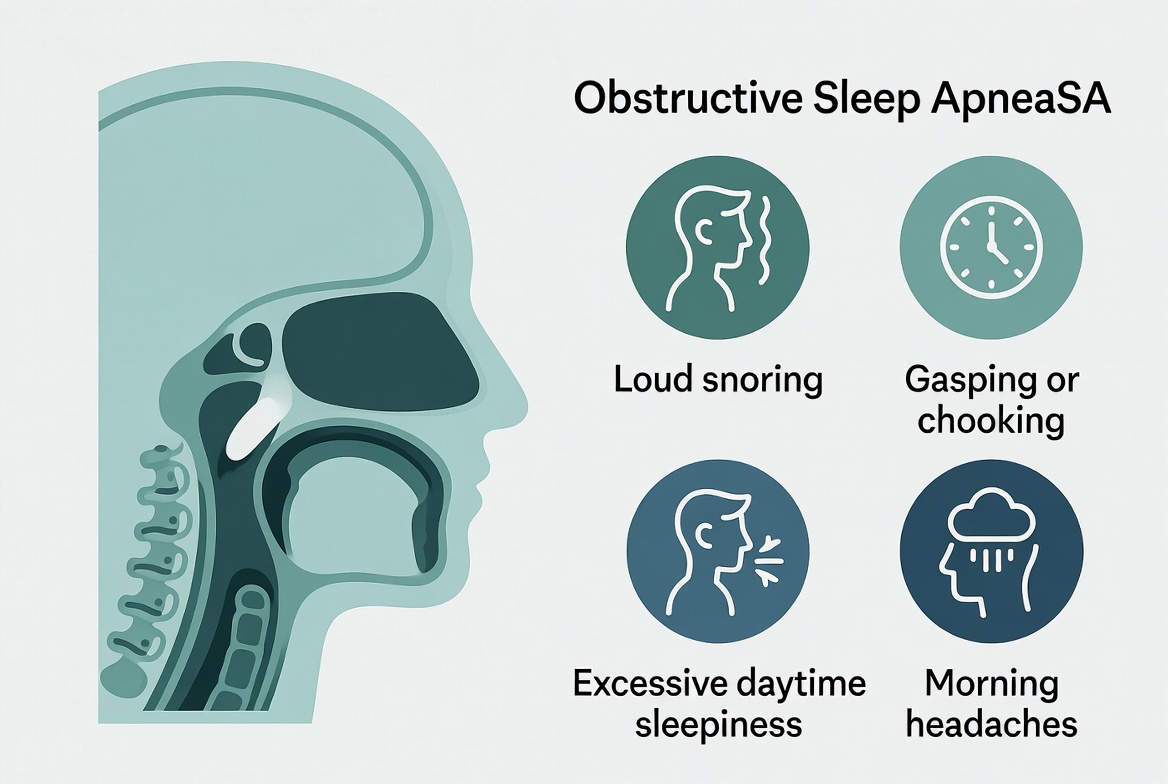
Many people with sleep apnea are unaware they have the condition because breathing interruptions occur during sleep. Loud snoring, excessive daytime sleepiness, morning headaches, and waking up gasping for air are common warning signs. Early diagnosis and treatment can improve sleep quality, energy levels, and long-term health.
Common Symptoms
- Loud, chronic snoring.
- Pauses in breathing during sleep observed by another person.
- Waking up gasping or choking.
- Excessive daytime sleepiness.
- Morning headaches.
- Difficulty concentrating or memory problems.
- Dry mouth or sore throat upon waking.
- Irritability or mood changes.
Sleep Apnea Is Common but Often Undiagnosed
Many people mistake sleep apnea symptoms for normal snoring or poor sleep. If left untreated, sleep apnea can increase the risk of serious heart, lung, and metabolic diseases.
Snoring Is Not Always Harmless
Although not everyone who snores has sleep apnea, loud snoring combined with pauses in breathing, gasping during sleep, or excessive daytime sleepiness should be evaluated by a healthcare provider.
Effective Treatment Is Available
Lifestyle changes, weight management, CPAP therapy, oral appliances, and other treatments can greatly improve symptoms, restore healthy sleep, and reduce the risk of long-term complications.
If you or someone close to you notices loud snoring, repeated pauses in breathing, or excessive daytime fatigue, consult your healthcare provider. Early diagnosis and treatment can improve your quality of life and protect your long-term health.
Symptoms
The symptoms of sleep apnea often develop gradually and may go unnoticed for years. Many people are unaware that they stop breathing during sleep and only learn about the condition after a family member or partner notices loud snoring or pauses in breathing.
Sleep apnea affects both nighttime sleep and daytime functioning. Repeated breathing interruptions reduce oxygen levels and prevent restful sleep, leading to fatigue, poor concentration, and other health problems.
Common Symptoms of Sleep Apnea
| Symptom | Description |
|---|---|
| Loud Snoring | Persistent, loud snoring is the most common symptom of obstructive sleep apnea, although not everyone who snores has the condition. |
| Pauses in Breathing During Sleep | Breathing repeatedly stops for several seconds during sleep and is often noticed by a bed partner or family member. |
| Waking Up Gasping or Choking | People with sleep apnea may suddenly wake feeling unable to breathe or gasping for air. |
| Excessive Daytime Sleepiness | Poor-quality sleep often leads to feeling unusually tired during the day, even after a full night's sleep. |
| Morning Headaches | Reduced oxygen levels during sleep may cause headaches shortly after waking. |
| Dry Mouth or Sore Throat | Breathing through the mouth during sleep can result in dryness or throat irritation upon waking. |
| Difficulty Concentrating | Interrupted sleep can affect memory, attention, decision-making, and work or school performance. |
| Mood Changes | Irritability, anxiety, depression, or mood swings may occur due to chronic sleep disruption. |
| Frequent Nighttime Urination (Nocturia) | Some people wake several times during the night to urinate. |
| Reduced Libido | Untreated sleep apnea may contribute to decreased sexual desire or erectile dysfunction in some individuals. |
Symptoms in Children
Children with sleep apnea may have symptoms that differ from adults, including:
- Loud snoring or noisy breathing during sleep.
- Restless sleep or unusual sleeping positions.
- Bedwetting after toilet training.
- Behavioral problems or hyperactivity.
- Difficulty concentrating at school.
- Poor growth in severe or untreated cases.
Many People Do Not Realize They Have Sleep Apnea
Because breathing interruptions occur during sleep, many people are unaware of the problem until someone else notices the symptoms or they seek help for excessive daytime fatigue.
Do Not Ignore Excessive Daytime Sleepiness
Feeling excessively sleepy during the day can increase the risk of workplace accidents and motor vehicle crashes. If you frequently struggle to stay awake during routine activities, seek medical evaluation.
Seek Immediate Medical Care If You:
- Experience severe breathing difficulty during sleep.
- Have chest pain or severe shortness of breath after waking.
- Feel extremely drowsy while driving or operating machinery.
- Notice blue lips or fingertips during sleep.
- Develop sudden confusion or loss of consciousness.
If you or your bed partner notice loud snoring, repeated pauses in breathing, or frequent gasping during sleep, consult your healthcare provider. Early diagnosis and treatment can improve sleep quality, daytime alertness, and overall health.
Causes
Sleep apnea occurs when normal breathing is repeatedly interrupted during sleep. The exact cause depends on the type of sleep apnea. The two main types are Obstructive Sleep Apnea (OSA), which is caused by blockage of the upper airway, and Central Sleep Apnea (CSA), which occurs when the brain fails to send proper signals to the muscles that control breathing.
Obstructive sleep apnea is the most common form and accounts for the vast majority of cases. In many people, several factors work together to narrow or block the airway during sleep.
Common Causes of Sleep Apnea
| Cause | Description |
|---|---|
| Relaxation of Throat Muscles | During sleep, the muscles that support the tongue and soft tissues of the throat relax. In some people, this causes the airway to narrow or collapse, temporarily blocking airflow. |
| Excess Body Weight | Fat deposits around the neck and upper airway can narrow the airway, making obstruction more likely during sleep. |
| Enlarged Tonsils or Adenoids | Common in children, enlarged tonsils or adenoids can partially block the airway while sleeping. |
| Structural Differences of the Airway | A naturally narrow airway, large tongue, small lower jaw, or certain facial features can increase the risk of airway obstruction. |
| Nasal Congestion | Chronic allergies, nasal polyps, or a deviated nasal septum may reduce airflow through the nose and contribute to sleep apnea. |
| Brain Signal Disorders (Central Sleep Apnea) | In central sleep apnea, the brain temporarily fails to send appropriate signals to the breathing muscles, causing pauses in breathing. |
| Heart Failure and Neurological Disorders | Certain heart and neurological conditions can contribute to central sleep apnea. |
| Medications and Alcohol | Sedatives, sleeping pills, opioid pain medications, and alcohol relax the throat muscles and may worsen sleep apnea. |
Types of Sleep Apnea
- Obstructive Sleep Apnea (OSA): The most common type, caused by repeated blockage of the upper airway during sleep.
- Central Sleep Apnea (CSA): Caused by the brain temporarily failing to send normal breathing signals to the respiratory muscles.
- Complex Sleep Apnea Syndrome: A combination of obstructive and central sleep apnea that may occur in some individuals, including some receiving CPAP therapy.
Obstructive Sleep Apnea Is the Most Common Type
Most people diagnosed with sleep apnea have obstructive sleep apnea, in which the airway repeatedly narrows or collapses during sleep.
More Than One Factor May Contribute
Sleep apnea often develops because of a combination of factors such as excess weight, airway anatomy, nasal blockage, aging, and lifestyle habits. Identifying these contributing factors helps guide treatment.
Treating the Cause Can Improve Sleep Quality
Weight management, treating nasal obstruction, reducing alcohol intake, and managing underlying medical conditions can improve symptoms and reduce the severity of sleep apnea in many people.
Understanding the cause of your sleep apnea helps your healthcare provider recommend the most effective treatment, whether it involves lifestyle changes, CPAP therapy, oral appliances, surgery, or treatment of an underlying medical condition.
Risk Factors
Sleep apnea can affect people of all ages, including children, but certain factors significantly increase the risk of developing the condition. Obstructive sleep apnea (OSA) is the most common type and is strongly associated with lifestyle, body structure, and underlying medical conditions. Central sleep apnea (CSA) is more commonly linked to heart and neurological disorders.
Understanding your risk factors can help identify sleep apnea early and reduce the risk of serious complications such as heart disease, stroke, and daytime accidents.
Common Risk Factors for Sleep Apnea
| Risk Factor | How It Increases Risk |
|---|---|
| Overweight or Obesity | Excess fat around the neck and upper airway increases the likelihood of airway narrowing or collapse during sleep. |
| Large Neck Circumference | A thicker neck may place extra pressure on the airway, making obstruction more likely. |
| Older Age | The risk of sleep apnea increases with age due to reduced muscle tone and changes in airway structure. |
| Male Sex | Men are more likely to develop obstructive sleep apnea, although the risk in women increases after menopause. |
| Family History | A family history of sleep apnea may increase your risk because of inherited airway anatomy and genetic factors. |
| Enlarged Tonsils or Adenoids | These are a common cause of obstructive sleep apnea in children and can also affect some adults. |
| Smoking | Smoking can inflame and swell the upper airway, increasing the risk of airway obstruction during sleep. |
| Alcohol or Sedative Use | Alcohol, sleeping pills, and sedative medications relax the throat muscles and may worsen sleep apnea. |
| Chronic Nasal Congestion | Persistent nasal blockage from allergies, sinus disease, or a deviated nasal septum can make breathing during sleep more difficult. |
| Heart or Neurological Disorders | Conditions such as heart failure, stroke, or neurological diseases increase the risk of central sleep apnea. |
Who Is at Higher Risk?
- Adults who are overweight or obese.
- People who snore loudly on most nights.
- Individuals with high blood pressure.
- People with type 2 diabetes.
- Adults over 40 years of age.
- Current smokers.
- People with heart failure or a history of stroke.
- Children with enlarged tonsils or adenoids.
- Individuals with a family history of sleep apnea.
Weight Management Can Reduce Risk
Losing excess weight is one of the most effective ways to reduce the severity of obstructive sleep apnea and improve overall health. Even modest weight loss can make a meaningful difference for some people.
Do Not Ignore Loud Snoring
Although snoring alone does not always mean you have sleep apnea, loud snoring combined with daytime sleepiness, choking during sleep, or witnessed pauses in breathing should be evaluated by a healthcare provider.
Early Recognition Helps Prevent Complications
Identifying sleep apnea early allows treatment to begin before complications such as high blood pressure, heart disease, stroke, diabetes, and poor daytime performance develop.
Having one or more risk factors does not necessarily mean you will develop sleep apnea. However, if you experience symptoms such as loud snoring, excessive daytime sleepiness, or repeated pauses in breathing during sleep, consult your healthcare provider for evaluation.
Diagnosis
Diagnosing sleep apnea involves evaluating your symptoms, reviewing your medical history, performing a physical examination, and conducting a sleep study to monitor your breathing while you sleep. Because many people are unaware of their nighttime breathing problems, information from a bed partner or family member can be very helpful.
The goal of diagnosis is to determine whether you have sleep apnea, identify its severity, distinguish between obstructive and central sleep apnea, and recommend the most appropriate treatment.
Common Tests Used to Diagnose Sleep Apnea
| Test | Purpose |
|---|---|
| Medical History and Physical Examination | Your healthcare provider will ask about snoring, daytime sleepiness, witnessed pauses in breathing, medical conditions, medications, and examine your airway, neck, nose, throat, and body weight. |
| Sleep Questionnaires | Standardized tools, such as the Epworth Sleepiness Scale, help assess daytime sleepiness and the likelihood of sleep apnea. |
| Overnight Sleep Study (Polysomnography) | The gold standard test. It records breathing, oxygen levels, heart rate, brain activity, eye movements, muscle activity, and sleep stages throughout the night. |
| Home Sleep Apnea Test (HSAT) | For selected adults with suspected obstructive sleep apnea, a portable home device may monitor breathing patterns, airflow, oxygen levels, and heart rate while sleeping. |
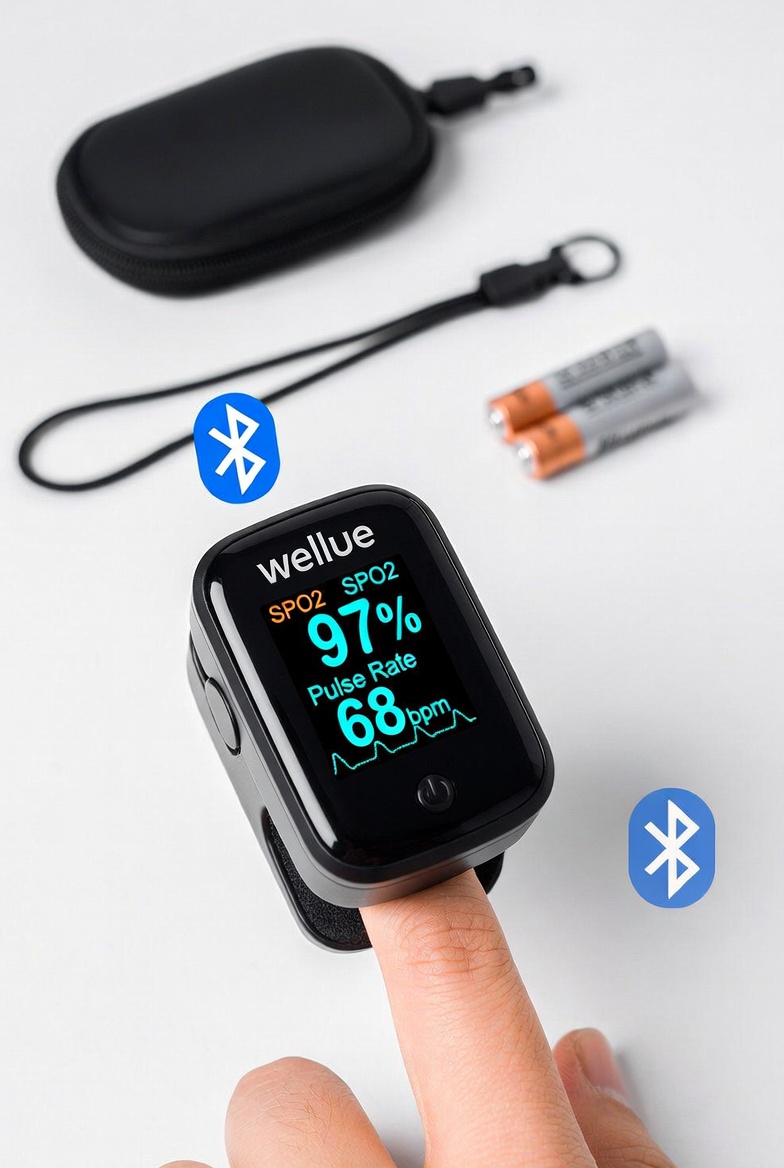
| Pulse Oximetry | Measures blood oxygen saturation (SpO?). Repeated drops in oxygen during sleep may suggest sleep apnea but are not sufficient alone to make the diagnosis. |
| Blood Tests | May be performed to evaluate related conditions such as thyroid disorders, diabetes, or other medical problems that can contribute to fatigue or breathing disturbances. |
| Electrocardiogram (ECG) | May be recommended if heart rhythm problems or cardiovascular disease are suspected. |
| Echocardiogram | Sometimes used when central sleep apnea, pulmonary hypertension, or heart failure is suspected. |
Understanding the Results
Sleep apnea severity is usually determined using the Apnea-Hypopnea Index (AHI), which measures the average number of breathing interruptions per hour of sleep.
| AHI Score | Severity |
|---|---|
| Less than 5 events/hour | Normal |
| 5–14 events/hour | Mild Sleep Apnea |
| 15–29 events/hour | Moderate Sleep Apnea |
| 30 or more events/hour | Severe Sleep Apnea |
A Sleep Study Is the Most Accurate Test
Polysomnography provides detailed information about your breathing, oxygen levels, heart rate, and sleep stages, making it the most reliable method for diagnosing sleep apnea.
Do Not Self-Diagnose Based on Snoring Alone
Many people snore without having sleep apnea, while others with sleep apnea may not snore loudly. A proper medical evaluation and sleep study are needed for an accurate diagnosis.
Early Diagnosis Leads to Better Health
Identifying sleep apnea early allows treatment to begin before complications such as high blood pressure, heart disease, stroke, diabetes, and excessive daytime sleepiness develop.
If you experience loud snoring, repeated pauses in breathing during sleep, excessive daytime fatigue, or morning headaches, consult your healthcare provider. Early diagnosis and treatment can improve sleep quality, protect your heart and lungs, and enhance your overall well-being.
Treatment
Treatment for sleep apnea aims to keep the airway open during sleep, improve oxygen levels, restore normal sleep patterns, and reduce the risk of complications such as high blood pressure, heart disease, stroke, and excessive daytime sleepiness. The most appropriate treatment depends on the type and severity of sleep apnea and the individual's overall health.
Many people experience significant improvement with a combination of lifestyle changes and medical treatment. Following your treatment plan consistently is essential for achieving the best results.
Common Treatment Options for Sleep Apnea
| Treatment | Purpose |
|---|---|
| Continuous Positive Airway Pressure (CPAP) | The most effective treatment for moderate to severe obstructive sleep apnea. A CPAP machine delivers a constant flow of air through a mask to keep the airway open during sleep. |
| Bi-level Positive Airway Pressure (BiPAP) | Provides different pressure levels for inhalation and exhalation. It may be recommended for some people who cannot tolerate CPAP or have certain medical conditions. |
| Weight Loss | Losing excess weight can reduce airway obstruction and improve or even resolve obstructive sleep apnea in some individuals. |
| Oral Appliance Therapy | Custom-made dental devices help keep the airway open by moving the lower jaw and tongue forward during sleep. They are commonly used for mild to moderate obstructive sleep apnea. |
| Positional Therapy | Some people experience fewer breathing interruptions by sleeping on their side instead of their back. |
| Treating Nasal Obstruction | Managing allergies, chronic sinus problems, or a deviated nasal septum can improve airflow through the nose. |
| Surgery | Procedures such as tonsil removal, uvulopalatopharyngoplasty (UPPP), nasal surgery, or jaw surgery may be considered when other treatments are ineffective or specific structural abnormalities are present. |
| Treatment of Underlying Conditions | For central sleep apnea, managing heart failure, neurological disorders, or medication-related causes is an important part of treatment. |
Lifestyle Changes That Can Help
- Maintain a healthy body weight.
- Exercise regularly.
- Avoid alcohol, especially in the evening.
- Avoid sleeping pills or sedatives unless prescribed.
- Stop smoking.
- Sleep on your side if advised by your healthcare provider.
- Maintain a regular sleep schedule.
- Use your CPAP or other prescribed device every night.
CPAP Is the Gold Standard for Obstructive Sleep Apnea
For most people with moderate to severe obstructive sleep apnea, CPAP therapy is the most effective treatment for preventing airway collapse, improving sleep quality, and reducing long-term health risks.
Consistency Is the Key to Successful Treatment
Using your CPAP machine or oral appliance only occasionally reduces its effectiveness. Following your treatment plan every night provides the greatest benefit.
Treatment Improves More Than Sleep
Effective treatment can reduce daytime sleepiness, improve concentration, lower blood pressure, decrease the risk of heart disease and stroke, and enhance your overall quality of life.
If you have been diagnosed with sleep apnea, attend regular follow-up appointments to ensure your treatment remains effective. Your healthcare provider may adjust your therapy based on changes in symptoms, weight, or sleep study results.
Need Expert Medical Guidance?
Schedule a direct consultation with Dr. Nabila Zaheer for a personalized care plan.
Prevention
Although not every case of sleep apnea can be prevented, especially when it is caused by inherited airway anatomy or neurological conditions, many people can reduce their risk by maintaining a healthy lifestyle and addressing factors that contribute to airway obstruction.
Healthy habits, weight management, and early treatment of related medical conditions can lower the risk of developing obstructive sleep apnea and reduce the severity of symptoms in those who already have the condition.
Ways to Help Prevent Sleep Apnea
| Prevention Strategy | How It Helps |
|---|---|
| Maintain a Healthy Weight | Reducing excess body weight decreases fat around the neck and airway, lowering the risk of airway obstruction during sleep. |
| Exercise Regularly | Regular physical activity supports weight management, improves muscle tone, and promotes better sleep quality. |
| Avoid Smoking | Smoking can inflame and swell the upper airway, increasing the likelihood of airway blockage during sleep. |
| Limit Alcohol and Sedatives | Alcohol, sleeping pills, and sedative medications relax the throat muscles, making airway collapse more likely. |
| Treat Nasal Congestion | Managing allergies, sinus infections, or a deviated nasal septum can improve airflow through the nose while sleeping. |
| Sleep on Your Side | For some people, side sleeping helps keep the airway open and reduces breathing interruptions compared with sleeping on the back. |
| Maintain Good Sleep Habits | Going to bed and waking up at consistent times supports healthy sleep and may improve overall sleep quality. |
| Manage Chronic Medical Conditions | Proper treatment of conditions such as high blood pressure, diabetes, heart failure, and hypothyroidism supports overall health and may reduce sleep apnea-related complications. |
Healthy Lifestyle Tips
- Maintain a healthy body weight.
- Stay physically active most days of the week.
- Eat a balanced, nutritious diet.
- Avoid smoking and secondhand smoke.
- Limit alcohol consumption, especially before bedtime.
- Discuss sedative medications with your healthcare provider if they affect your breathing during sleep.
- Follow treatment recommendations if you have already been diagnosed with sleep apnea.
- Attend regular follow-up appointments to monitor your condition.
Healthy Weight Is One of the Best Preventive Measures
Excess body weight is one of the strongest risk factors for obstructive sleep apnea. Even modest weight loss may improve symptoms and reduce the severity of the condition.
Do Not Ignore Persistent Snoring
Loud, chronic snoring combined with daytime sleepiness or witnessed pauses in breathing should not be considered normal. Early medical evaluation can help prevent long-term complications.
Early Treatment Prevents Serious Complications
Recognizing and treating sleep apnea early can improve sleep quality, increase daytime alertness, and reduce the risk of heart disease, stroke, high blood pressure, and other health problems.
While some risk factors such as age or inherited airway anatomy cannot be changed, maintaining a healthy lifestyle and seeking medical advice for symptoms of sleep apnea can greatly improve long-term health and quality of life.
Complications
If left untreated, sleep apnea can have serious effects on nearly every part of the body. Repeated interruptions in breathing reduce oxygen levels and prevent restful sleep, placing extra stress on the heart, brain, and other organs. Over time, this can increase the risk of chronic health conditions and reduce overall quality of life.
The severity of complications depends on how often breathing stops during sleep, how long oxygen levels remain low, and whether the condition is properly treated.
Possible Complications of Sleep Apnea
| Complication | Description |
|---|---|
| High Blood Pressure (Hypertension) | Repeated drops in oxygen levels activate the body's stress response, increasing blood pressure and making hypertension more difficult to control. |
| Heart Disease | Untreated sleep apnea increases the risk of coronary artery disease, heart attacks, heart failure, and enlargement of the heart. |
| Stroke | Sleep apnea is associated with a higher risk of stroke because of reduced oxygen levels and increased strain on the cardiovascular system. |
| Abnormal Heart Rhythms (Arrhythmias) | People with sleep apnea are more likely to develop irregular heart rhythms, including atrial fibrillation. |
| Pulmonary Hypertension | Long-term low oxygen levels may increase pressure in the blood vessels of the lungs, leading to pulmonary hypertension. |
| Type 2 Diabetes | Sleep apnea is linked to insulin resistance and poor blood sugar control, increasing the risk of type 2 diabetes. |
| Excessive Daytime Sleepiness | Poor-quality sleep causes fatigue, reduced concentration, memory problems, and decreased work or school performance. |
| Motor Vehicle and Workplace Accidents | Daytime drowsiness increases the likelihood of accidents while driving or operating machinery. |
| Depression and Mood Disorders | Chronic sleep disruption may contribute to depression, anxiety, irritability, and reduced quality of life. |
| Complications During Surgery | People with untreated sleep apnea may have a higher risk of breathing problems during and after surgery, especially when sedatives or anesthesia are used. |
Who Is Most at Risk of Complications?
- People with moderate or severe sleep apnea.
- Individuals who do not use their prescribed CPAP or other treatment.
- People with obesity.
- Adults with high blood pressure or heart disease.
- Individuals with diabetes.
- Older adults.
- People who frequently drive long distances or operate heavy machinery.
Sleep Apnea Can Be Life-Threatening If Left Untreated
Untreated sleep apnea significantly increases the risk of heart attack, stroke, dangerous heart rhythm problems, and serious motor vehicle accidents caused by excessive daytime sleepiness.
Daytime Sleepiness Should Never Be Ignored
If you frequently fall asleep while driving, working, or performing daily activities, seek medical attention immediately. Effective treatment can greatly reduce these risks.
Most Complications Are Preventable
Using CPAP or other prescribed treatments consistently, maintaining a healthy weight, and managing underlying medical conditions can significantly reduce the long-term complications of sleep apnea.
Early diagnosis and appropriate treatment help restore healthy sleep, improve daytime alertness, and protect your heart, brain, and overall health. Regular follow-up with your healthcare provider is important to ensure your treatment remains effective.
When to See a Doctor
Many people with sleep apnea are unaware they have the condition because breathing interruptions occur during sleep. While occasional snoring is common, loud snoring combined with excessive daytime sleepiness, choking during sleep, or witnessed pauses in breathing should not be ignored.
Early diagnosis and treatment can improve sleep quality, reduce daytime fatigue, and lower the risk of serious complications such as high blood pressure, heart disease, stroke, and diabetes.
Schedule a Medical Appointment If You:
- Snore loudly on most nights.
- Have repeated pauses in breathing during sleep noticed by a partner or family member.
- Wake up gasping, choking, or feeling short of breath.
- Feel excessively sleepy during the day despite getting enough sleep.
- Frequently wake with morning headaches.
- Have difficulty concentrating, memory problems, or mood changes.
- Experience dry mouth or a sore throat when you wake up.
- Have high blood pressure that remains difficult to control.
- Have obesity, diabetes, heart disease, or a history of stroke along with symptoms of sleep apnea.
Children Should Be Evaluated If They:
- Snore regularly.
- Have pauses in breathing during sleep.
- Sleep restlessly or in unusual positions.
- Show daytime behavioral problems or hyperactivity.
- Have difficulty concentrating or poor school performance.
- Have enlarged tonsils or adenoids with disturbed sleep.
A Bed Partner's Observations Can Be Very Helpful
Many people do not realize they stop breathing during sleep. Reports from a spouse, family member, or roommate about loud snoring or breathing pauses are valuable when evaluating for sleep apnea.
Seek Emergency Medical Care Immediately If You:
- Experience severe difficulty breathing or prolonged pauses in breathing.
- Develop chest pain or pressure that does not go away.
- Faint or lose consciousness.
- Notice blue lips or fingertips.
- Become confused or difficult to wake.
- Feel so sleepy that you cannot safely drive or operate machinery.
Do Not Ignore Persistent Snoring and Daytime Fatigue
These symptoms are often dismissed as normal, but they may be signs of sleep apnea. A sleep study can determine whether treatment is needed.
Early Treatment Protects Your Long-Term Health
Timely diagnosis and treatment can improve sleep quality, increase daytime alertness, lower blood pressure, and reduce the risk of heart disease, stroke, diabetes, and other complications.
If you or someone close to you notices loud snoring, repeated breathing pauses, gasping during sleep, or excessive daytime sleepiness, consult your healthcare provider. Early evaluation and appropriate treatment can significantly improve your quality of life and overall health.