BMI Calculator
Calculate your Body Mass Index (BMI) instantly and understand whether your weight falls within a healthy range.
BMI Calculator
Your BMI Result
--
BMIWaiting...
Enter your height and weight.
--
--
--
--
BMI Classification
| BMI | Category | Health Risk |
|---|---|---|
| Below 18.5 | Underweight | Nutritional deficiency |
| 18.5 - 24.9 | Healthy Weight | Low Risk |
| 25 - 29.9 | Overweight | Moderate Risk |
| 30 - 34.9 | Obesity Class I | High Risk |
| 35 - 39.9 | Obesity Class II | Very High Risk |
| 40+ | Morbid Obesity | Extremely High Risk |
Doctor's Advice
Healthy Lifestyle Tips
Exercise
150 minutes/week
Water
2–3 Litres/day
Sleep
7–8 Hours
Smoking
Avoid Tobacco
What is Body Mass Index (BMI)?
Body Mass Index (BMI) is an internationally recognised measurement used to estimate whether your body weight is appropriate for your height. It is calculated using your height and weight and provides a quick indication of whether you are underweight, at a healthy weight, overweight, or living with obesity.
Doctors worldwide use BMI as an initial screening tool to identify people who may be at increased risk of health conditions related to body weight. Although BMI does not directly measure body fat, it remains one of the most widely used health assessment tools because it is simple, quick, and effective.
Why is BMI Important?
Maintaining a healthy BMI can reduce your risk of many long-term medical conditions. People with a healthy BMI generally have a lower risk of:
- Type 2 Diabetes
- High Blood Pressure
- Heart Disease
- Stroke
- Sleep Apnea
- Joint Problems
- Fatty Liver Disease
- Breathing Difficulties
If your BMI is above or below the healthy range, lifestyle changes and professional medical advice can help improve your overall health.
How is BMI Calculated?
The BMI formula is:
BMI = Weight (kg) ÷ Height² (m²)
For example:
Weight = 70 kg
Height = 1.70 m
BMI = 70 ÷ (1.70 × 1.70) = 24.2
Limitations of BMI
Although BMI is useful, it has some limitations. BMI does not distinguish between muscle and fat. For example:
- Athletes may have a high BMI because of increased muscle mass.
- Older adults may have a normal BMI but lower muscle mass.
- Pregnant women should not rely solely on BMI.
- Children require age-specific BMI charts.
For a complete assessment, your doctor may also consider waist circumference, medical history, and other health indicators.
BMI and Lung Health
Maintaining a healthy body weight is particularly important for good lung function. Excess body weight can place additional strain on the respiratory system and may worsen symptoms of asthma, sleep apnea, and chronic respiratory conditions. Being underweight can also weaken respiratory muscles and reduce the body's ability to recover from illness.
Common respiratory issues affected by BMI include:
- Asthma: Excess weight can make asthma symptoms worse and reduce the effectiveness of medications.
- Sleep Apnea: Obesity is a major risk factor for obstructive sleep apnea, which can severely impact sleep quality and overall health.
- Chronic Obstructive Pulmonary Disease (COPD): Maintaining a healthy BMI can help manage COPD symptoms and improve quality of life.
- Breathing Difficulties: Extra weight around the chest and abdomen can restrict lung expansion and make breathing more difficult.
If you experience persistent cough, wheezing, shortness of breath, or breathing difficulties, consult a qualified pulmonologist for a complete evaluation. At Pulmocare, Dr. Nabila Zaheer specializes in diagnosing and treating respiratory conditions related to weight and overall health.
Frequently Asked Questions About BMI
Share Your BMI Result
Share this free BMI Calculator with your friends and family.
Related Articles

Tips for a Healthy Lungs and Prevention of Respiratory Diseases
Tips for a Healthy Lungs and Prevention of Respiratory Diseases
Read Article
Chronic Obstructive Pulmonary Disease (COPD): Causes and Treatments
COPD is a progressive lung disease that includes emphysema and chronic bronchitis. Lifestyle changes and medical interventions can help manage symptoms.
Read Article
Understanding Asthma and How to Manage It
Asthma is a chronic respiratory condition that affects the airways, making it difficult to breathe. Early diagnosis and proper treatment can drastically improve quality of life.
Read ArticleRecommended Medical Devices
These products may help you monitor your health at home. Always consult your healthcare provider before making medical decisions.
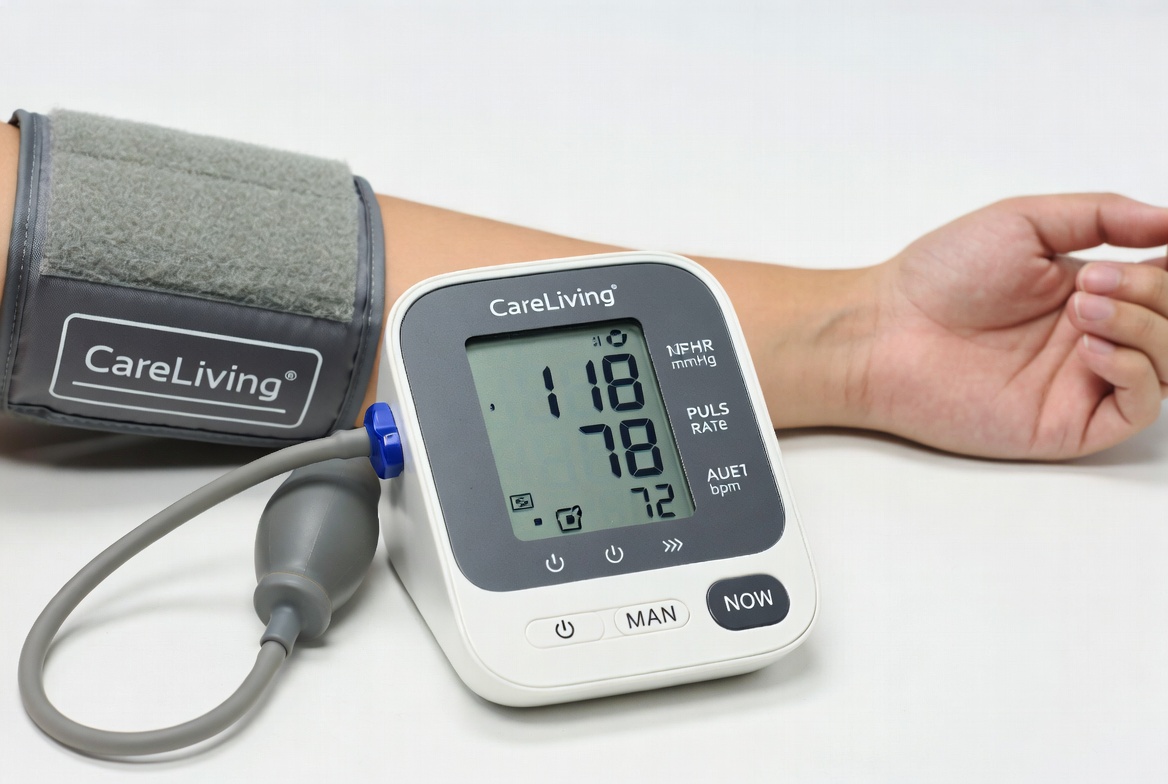
CareLiving Small Blood Pressure Cuff
CareLiving Small Blood Pressure Cuff, 5.5 "-9.5" (14-24cm) Small Cuff, Compatible with Most Brands BP Monitors, with 8 Connectors (BP Cuff Included Only)
Pros
- Battery Powered
- Large Display
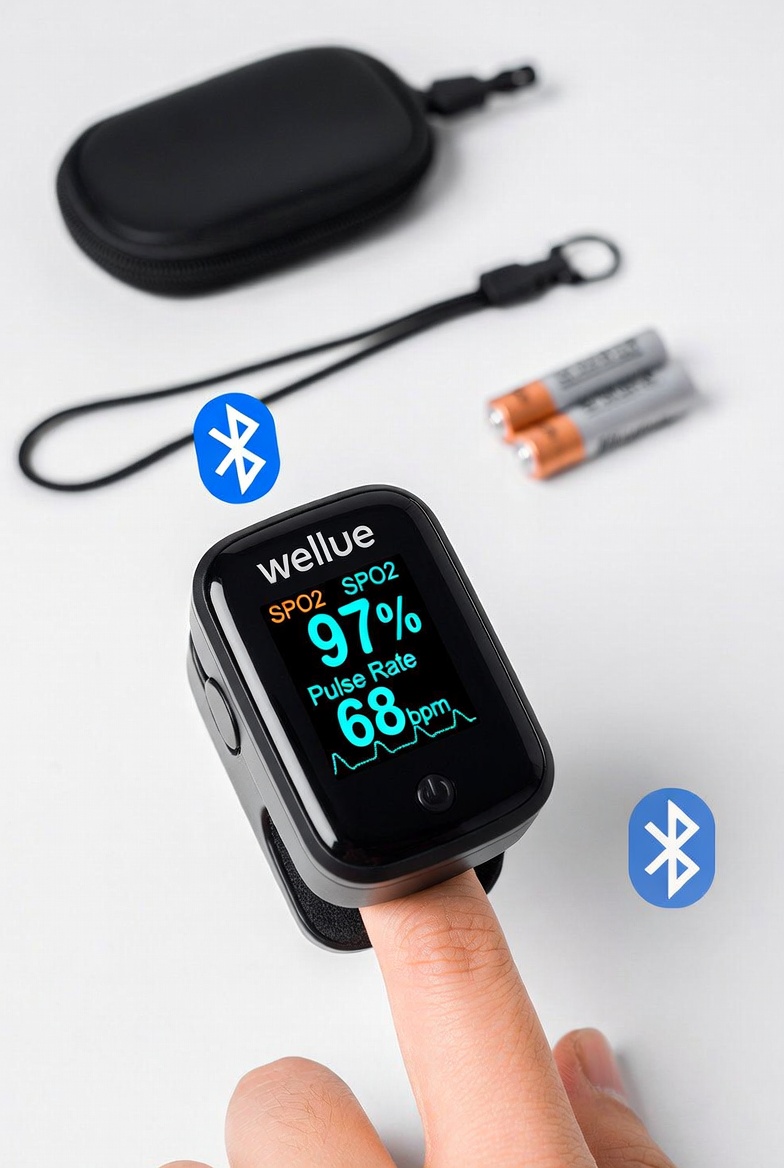
Finger Pulse Oximeter, O2
OLED Finger Pulse Oximeter, O2 Meter, Dual Color White/Black
Pros
- Quickly measure blood oxygen saturation (SpO2)
- pulse rate,
- Features 4 display directions
- 6 display modes
- 10 adjustable brightness levels for clear
- easy-to-read results
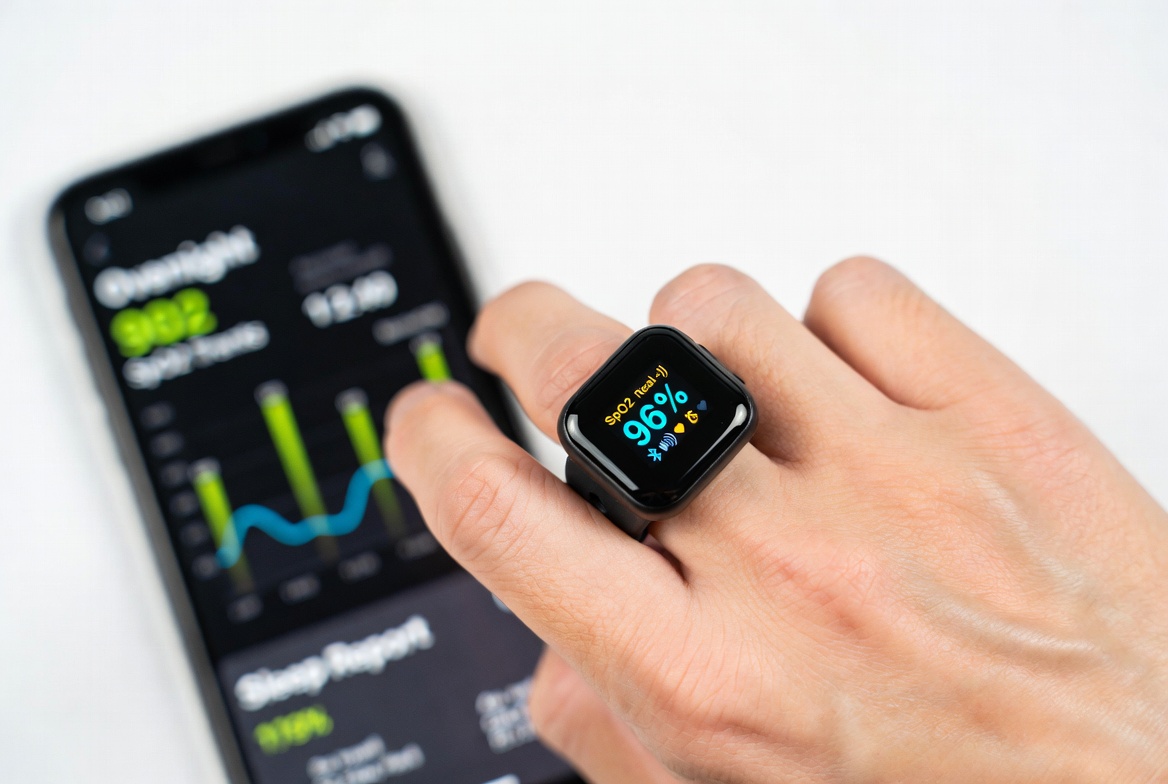
Bluetooth SPO2 Blood Oxygen Saturation Monitor
The lightest, smallest ring sensor for continuous tracking, durable and adapt to most fingers.
Pros
- DETAILED APP & PC REPORT
- UNLIMITED STORAGE IN APP
- UNUSUAL DATA MARKING
Medical Disclaimer
This BMI calculator is provided for educational purposes only and should not replace professional medical advice, diagnosis, or treatment. Always consult a qualified healthcare provider regarding your health concerns. If you are experiencing respiratory symptoms or have concerns about your weight, please schedule an appointment with Dr. Nabila Zaheer at Pulmocare for a comprehensive evaluation.
Need Professional Medical Advice?
If your BMI is outside the healthy range or you have concerns about your respiratory health, schedule an appointment with Dr. Nabila Zaheer.
Book Appointment