Overview
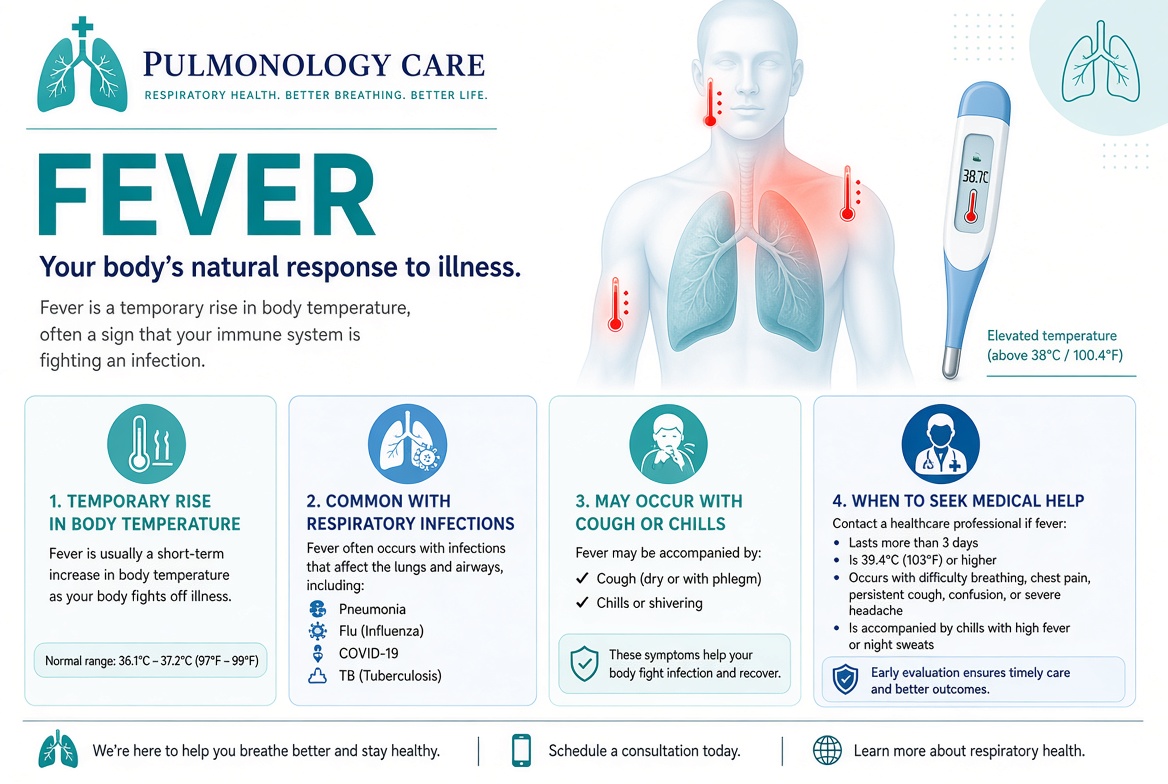
Fever is a common symptom in which body temperature rises above the normal range. It is usually a response to an infection, although inflammation, certain medications, heat-related illness, and other medical conditions can also cause fever. In respiratory conditions, fever may occur when the body is fighting an infection such as pneumonia, influenza, bronchitis, or tuberculosis. The presence of fever together with cough, chest discomfort, shortness of breath, or other symptoms can help a healthcare professional determine the possible cause. The severity and duration of fever, as well as the symptoms occurring alongside it, are important when deciding whether medical evaluation is needed.
Causes
Common causes of fever include: Viral respiratory infections Influenza (flu) COVID-19 Pneumonia Bronchitis Tuberculosis Bacterial infections Other infections Inflammatory conditions Certain medications Heat-related illness Other underlying medical conditions
Risk Factors
Factors that may increase the likelihood of developing fever include: Exposure to people with infections Close contact with someone who is ill A weakened immune system Chronic medical conditions Recent surgery or medical procedures Travel to areas where certain infections are common Exposure to respiratory infections Poor infection-control practices
Diagnosis
A healthcare professional may measure body temperature and ask about the duration of the fever and other symptoms. Depending on the suspected cause, evaluation may include: Physical examination Temperature monitoring Blood tests Urine tests Chest X-ray Respiratory infection testing Tuberculosis testing when appropriate Other imaging or laboratory tests based on symptoms The appropriate tests depend on the person's age, symptoms, medical history, and suspected cause.
Treatment
Treatment depends on the underlying cause of the fever. General measures may include: Drinking adequate fluids Getting sufficient rest Wearing comfortable, lightweight clothing Treating the underlying infection or condition Using fever-reducing medication when appropriate and recommended If a bacterial infection is diagnosed, antibiotics may be prescribed when medically appropriate. Viral respiratory infections generally require supportive care unless specific antiviral treatment is indicated.
Need Expert Medical Guidance?
Schedule a direct consultation with Dr. Nabila Zaheer for personalized medical guidance.
Prevention
Some causes of fever can be reduced by: Washing hands regularly Avoiding close contact with people who are sick Covering coughs and sneezes Staying home when ill when possible Keeping recommended vaccinations up to date Avoiding smoking and respiratory irritants Following appropriate food and water safety practices Managing chronic medical conditions appropriately
Complications
Most short-term fevers resolve without complications. However, prolonged or very high fever can contribute to: Dehydration Weakness and fatigue Increased heart rate Increased breathing rate Worsening of an underlying medical condition The underlying cause of the fever may present more serious complications if left untreated.
When to See a Doctor
See a doctor if: Fever persists or repeatedly returns Fever is accompanied by a persistent cough You develop shortness of breath or chest discomfort You experience night sweats or unexplained weight loss You have persistent weakness or worsening symptoms You have a weakened immune system or significant underlying medical condition Seek urgent medical care if fever occurs with severe difficulty breathing, confusion, fainting, severe dehydration, seizures, severe chest pain, or other serious symptoms. For infants and young children, fever may require earlier medical assessment depending on age and associated symptoms.
Conditions Related to This Symptom
Learn more about medical conditions that may cause or be associated with this symptom.

Asthma
Asthma is a chronic lung condition that causes inflammation and narrowing of the airways, making breathing difficult. Symptoms…
Read About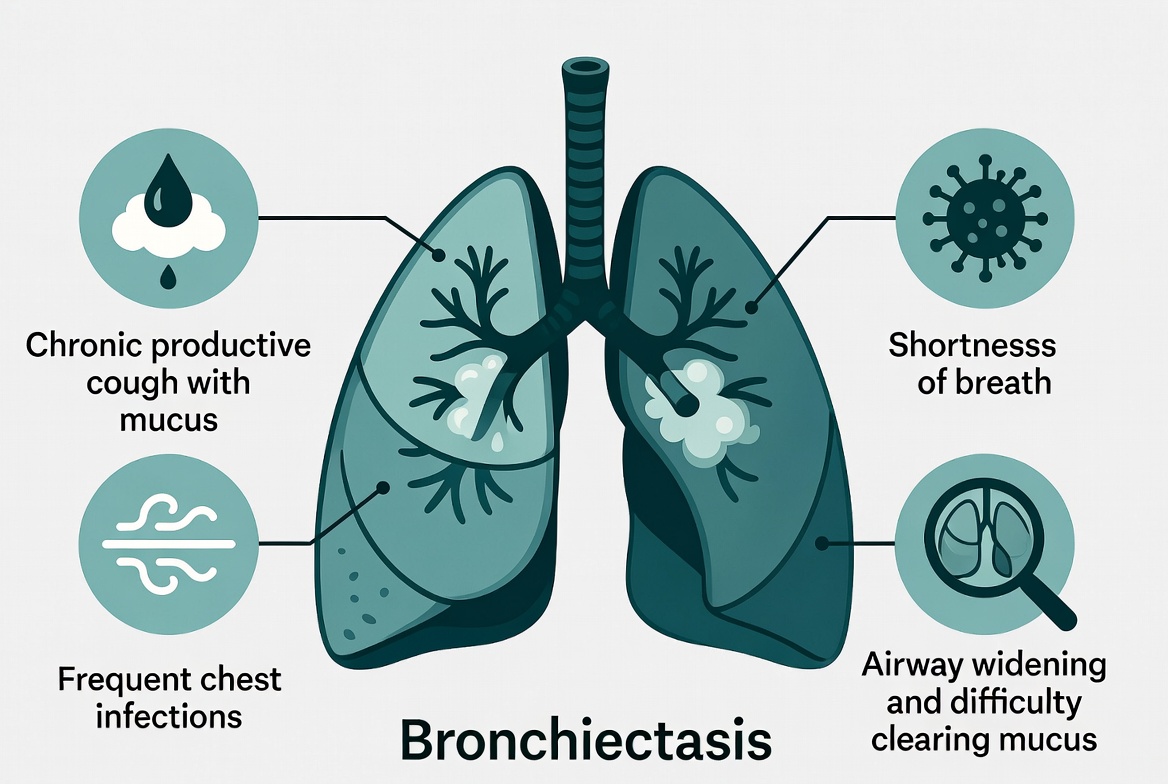
Bronchiectasis
Bronchiectasis is a chronic lung disease in which the airways become permanently widened and damaged, leading to mucus buildup,…
Read About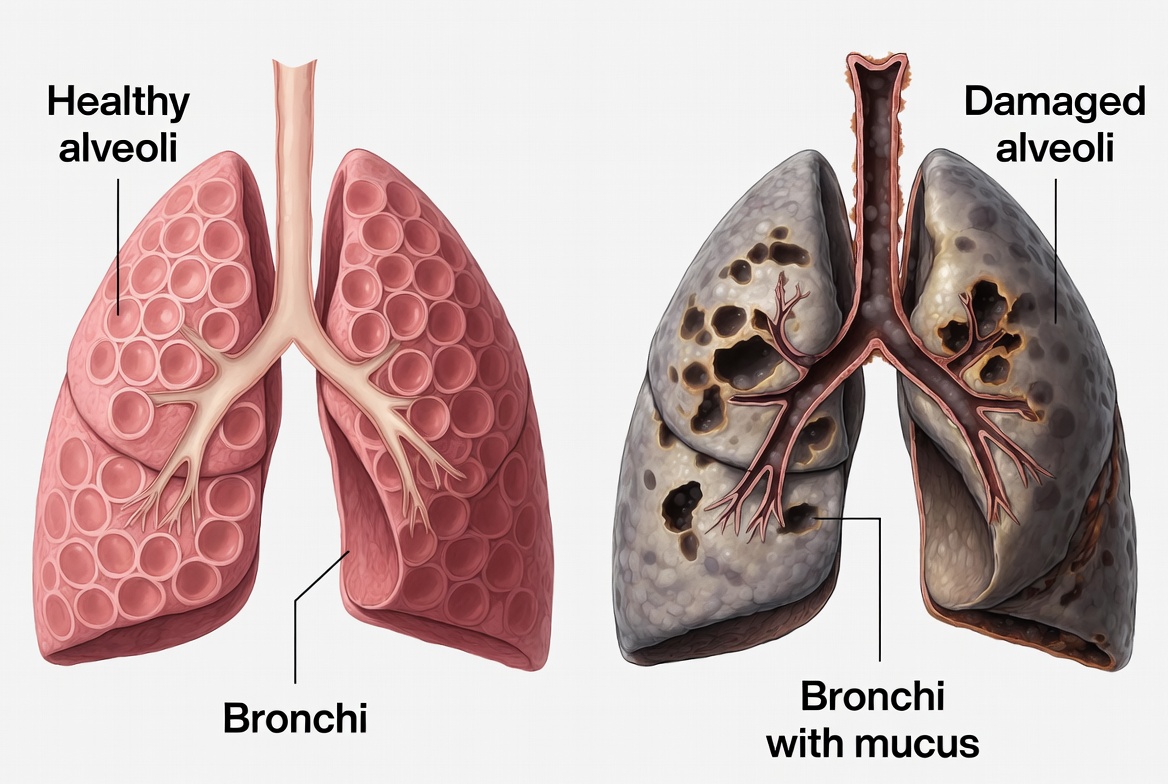
Chronic Obstructive Pulmonary Disease (COPD)
Chronic Obstructive Pulmonary Disease (COPD) is a long-term lung disease that makes breathing difficult due to persistent…
Read About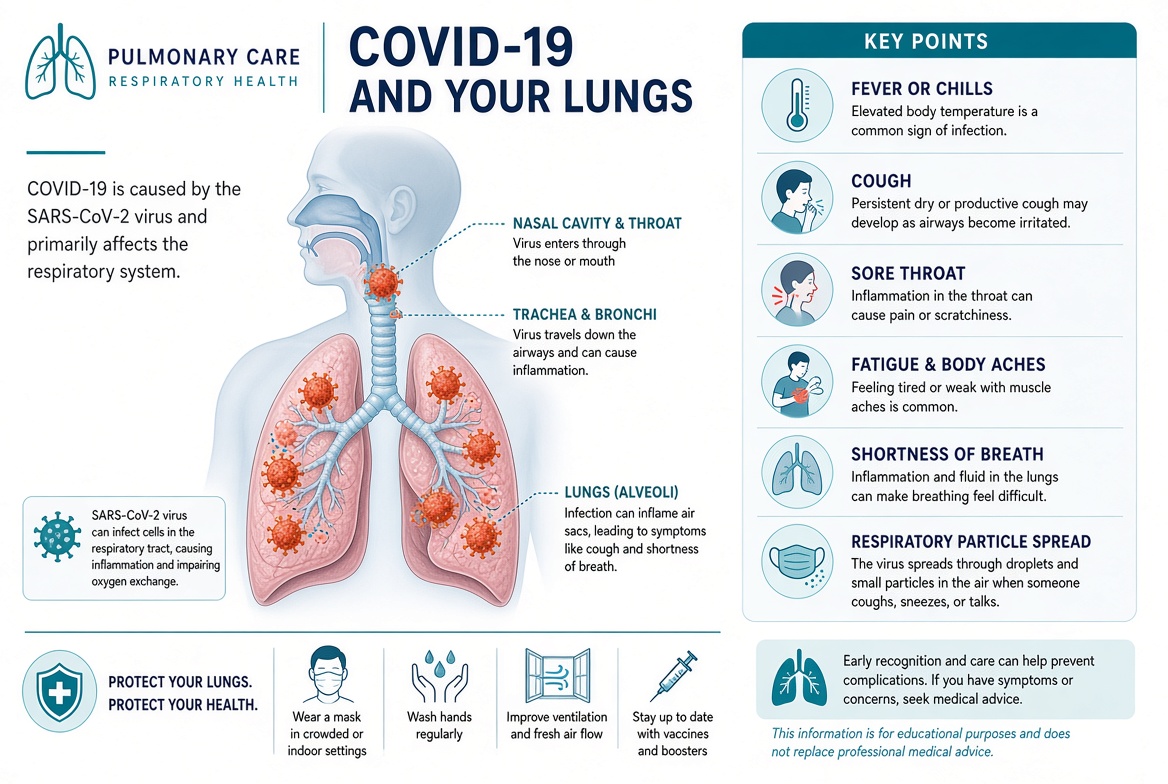
COVID-19
COVID-19 is an infectious respiratory disease caused by the SARS-CoV-2 virus. Symptoms can range from mild illness to severe…
Read About