Overview
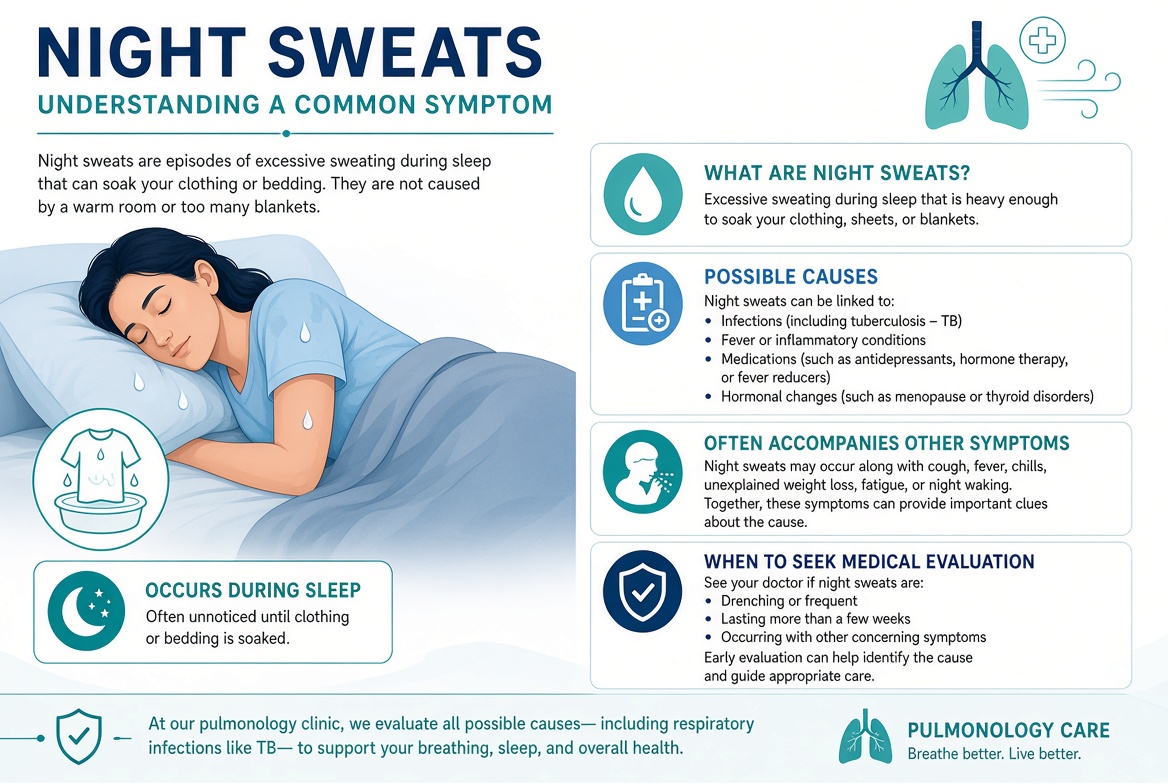
Night sweats refer to excessive sweating during sleep that is not simply explained by a hot room, heavy bedding, or excessive clothing. Occasional sweating at night can be normal, but frequent or severe episodes may indicate an underlying condition. In respiratory medicine, persistent night sweats can occur with certain infections, including tuberculosis, and may also accompany other infections or inflammatory conditions. Night sweats can have many causes, so other symptoms and medical history are important when determining the underlying reason.
Causes
Possible causes of night sweats include: Tuberculosis (TB) Other respiratory or bacterial infections Viral infections Fever Certain medications Hormonal changes Anxiety or stress Gastroesophageal reflux in some cases Low blood sugar Some cancers Other inflammatory or medical conditions A warm sleeping environment or excessive bedding
Risk Factors
Risk may be higher in people who: Have a chronic respiratory condition Have been exposed to tuberculosis Live or work in areas with a higher prevalence of TB Have a weakened immune system Have recurrent or chronic infections Take medications that can increase sweating Experience significant hormonal changes Have certain underlying medical conditions
Diagnosis
A doctor will ask about the frequency and severity of the sweating and whether it is associated with symptoms such as fever, cough, weight loss, fatigue, swollen lymph nodes, or breathing difficulties. Depending on the suspected cause, evaluation may include: Physical examination Blood tests Chest X-ray Tuberculosis testing Tests for infection Blood glucose testing Other imaging or investigations when medically appropriate The appropriate tests depend on the individual's symptoms, medical history, and risk factors.
Treatment
Treatment depends on the underlying cause. For example, if night sweats are caused by an infection, appropriate treatment of that infection may resolve the symptom. If tuberculosis is diagnosed, specific anti-tuberculosis treatment is required under medical supervision. If medications, hormonal changes, or another medical condition are responsible, treatment may involve adjusting the contributing factor or treating the underlying condition.
Need Expert Medical Guidance?
Schedule a direct consultation with Dr. Nabila Zaheer for personalized medical guidance.
Prevention
Depending on the cause, the risk of night sweats may be reduced by: Keeping the bedroom comfortably cool Using breathable sleepwear and bedding Avoiding excessive blankets Treating underlying infections appropriately Following prescribed treatment for chronic conditions Avoiding known triggers that cause excessive sweating Seeking medical evaluation for persistent or unexplained night sweats
Complications
Night sweats themselves are usually a symptom rather than a disease. Frequent episodes may cause: Interrupted sleep Daytime fatigue Dehydration in severe cases Reduced quality of life Anxiety about unexplained symptoms The main concern is an underlying condition that may require diagnosis and treatment. Persistent night sweats accompanied by other concerning symptoms should therefore be evaluated.
When to See a Doctor
See a doctor if night sweats: Occur frequently or persist for several weeks Soak your clothes or bedding Occur without an obvious environmental cause Are accompanied by persistent cough Occur with fever or chills Are associated with unexplained weight loss Occur with significant fatigue or weakness Occur with swollen lymph nodes or other unexplained symptoms Seek urgent medical care if night sweats occur with severe difficulty breathing, chest pain, confusion, fainting, or other signs of a medical emergency.
Conditions Related to This Symptom
Learn more about medical conditions that may cause or be associated with this symptom.
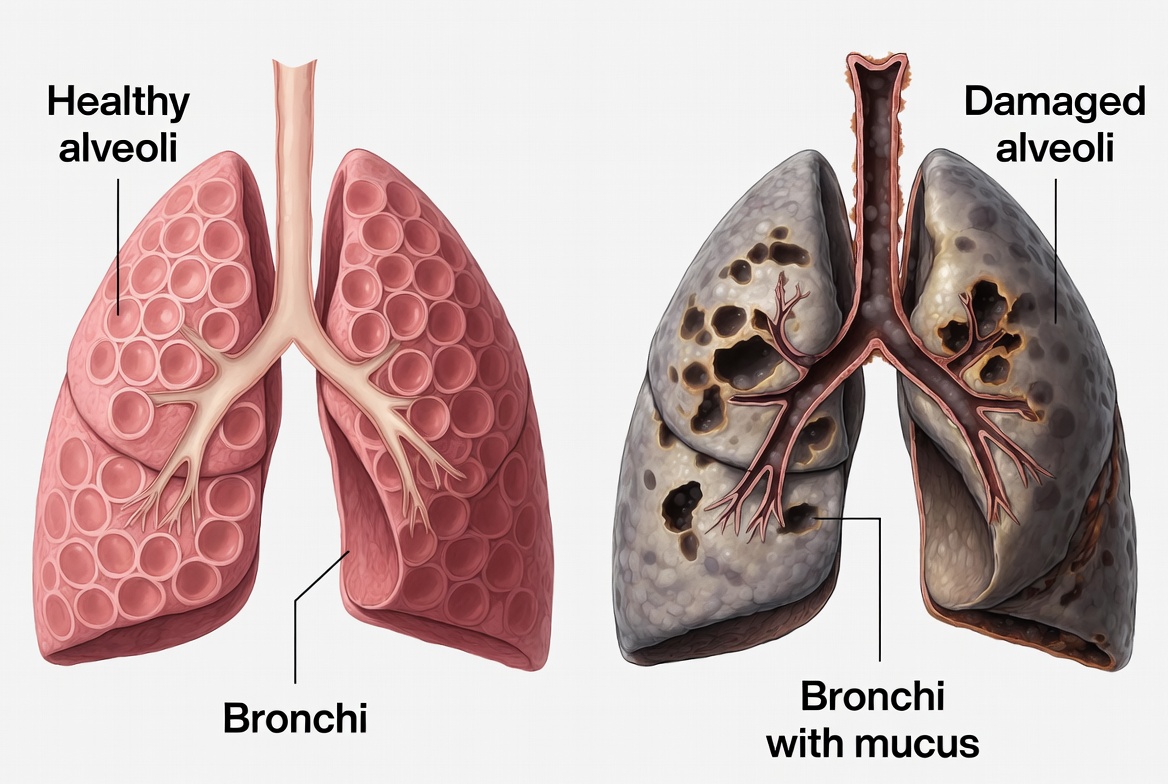
Chronic Obstructive Pulmonary Disease (COPD)
Chronic Obstructive Pulmonary Disease (COPD) is a long-term lung disease that makes breathing difficult due to persistent…
Read About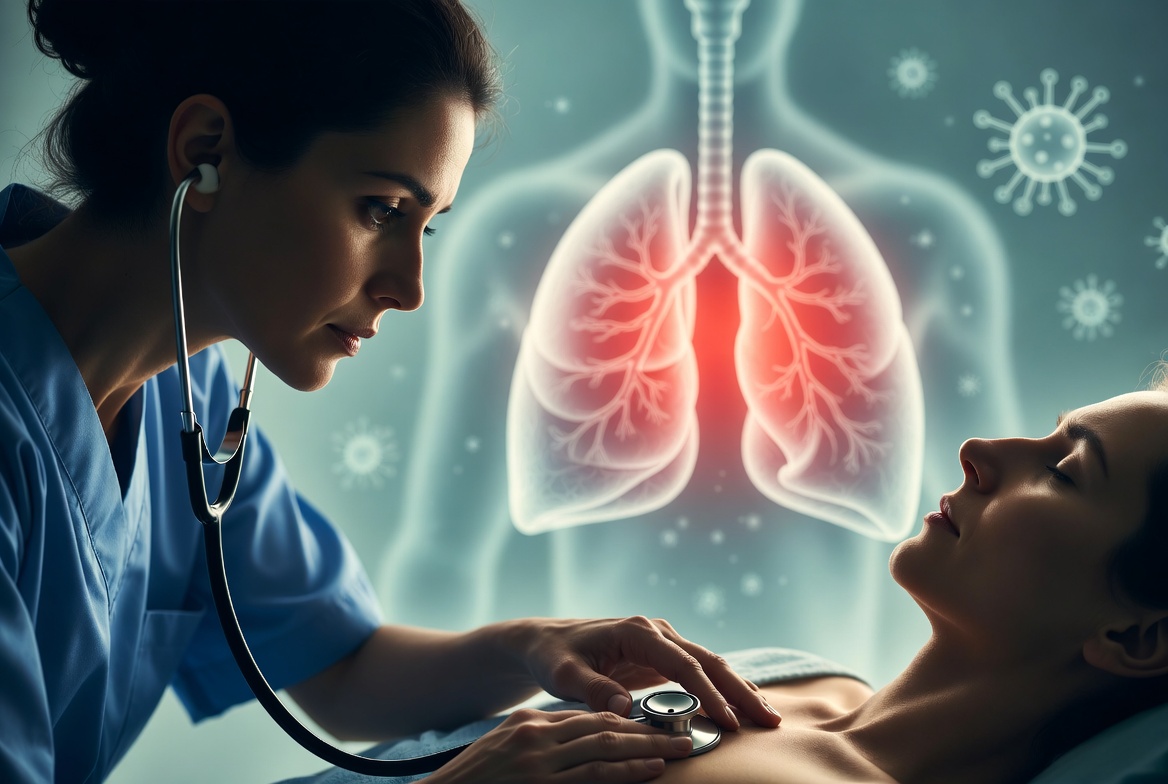
pneumonia
Pneumonia is an infection that causes inflammation of the air sacs (alveoli) in one or both lungs. The air sacs may fill…
Read About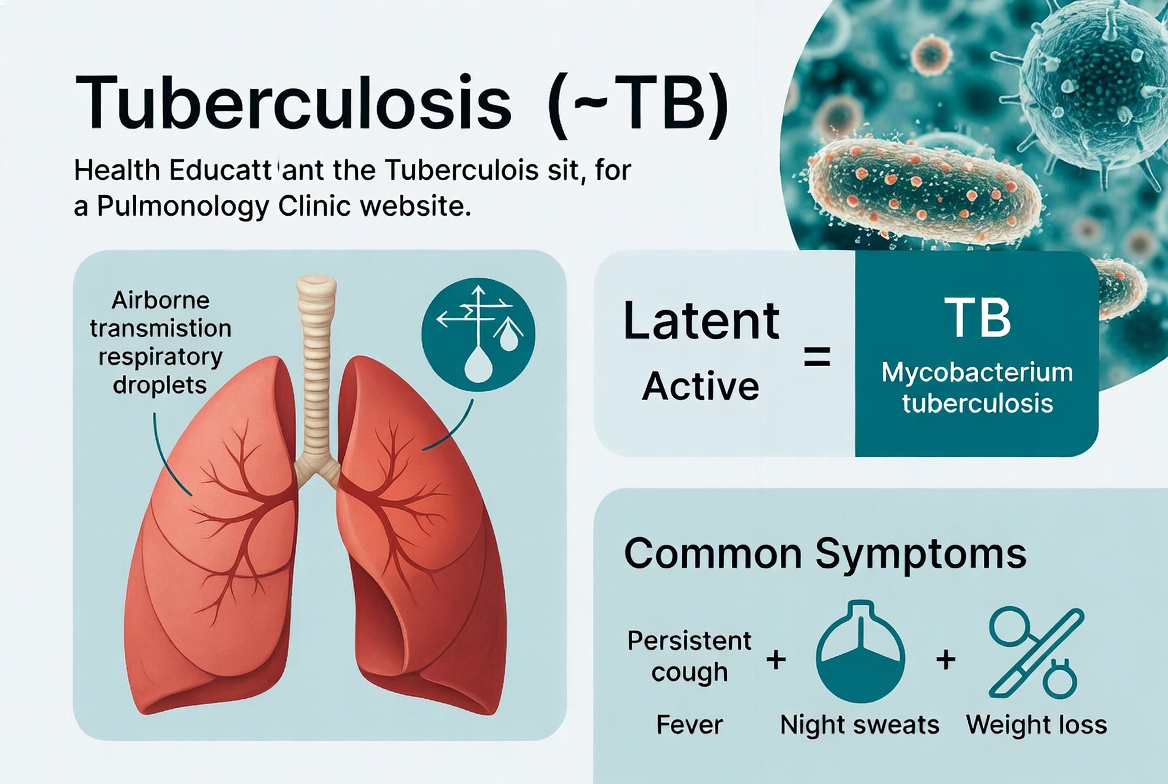
tuberculosis
Learn about tuberculosis (TB), including symptoms, causes, diagnosis, treatment, prevention, recovery, and frequently asked…
Read About