Overview
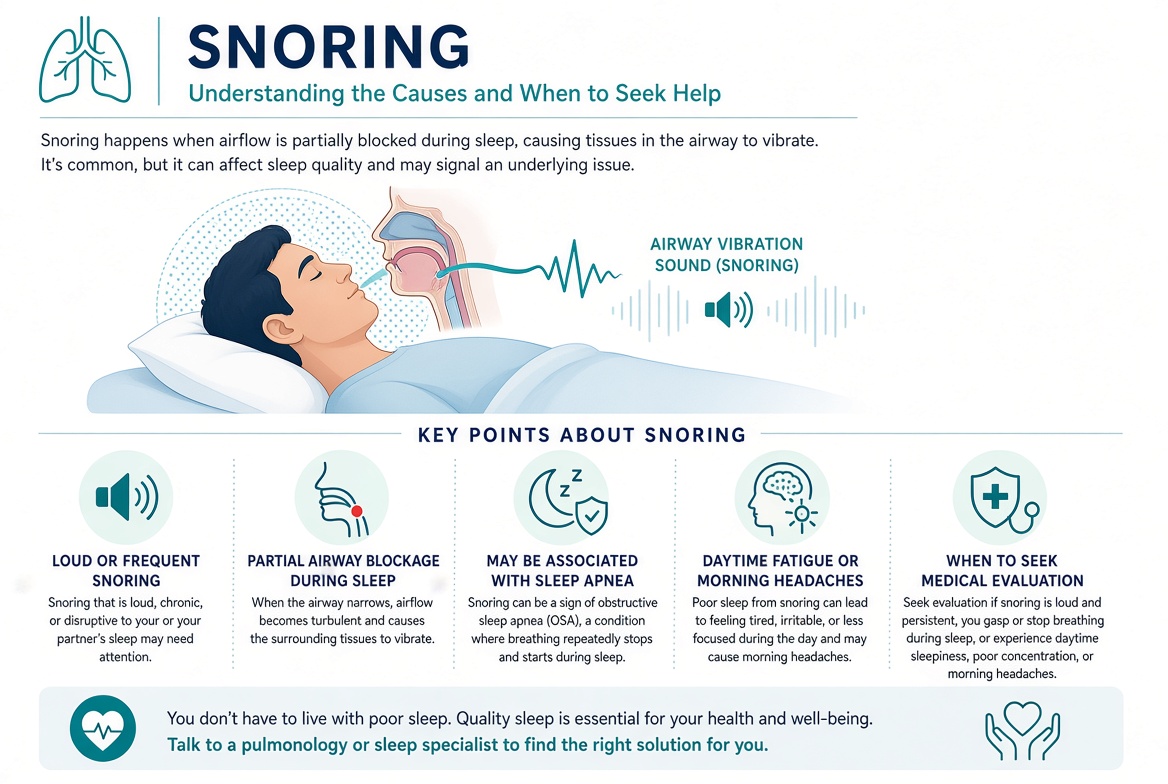
Snoring occurs when tissues in the upper airway relax during sleep and partially restrict the flow of air. As air passes through the narrowed airway, the surrounding tissues can vibrate and produce the characteristic snoring sound. Snoring can be influenced by nasal congestion, sleeping position, alcohol use, excess weight and the anatomy of the nose and throat. While snoring is often harmless, loud and persistent snoring—especially when accompanied by pauses in breathing, gasping or excessive daytime sleepiness—should be evaluated for possible sleep apnea.
Causes
Common causes and contributing factors include: Relaxation of throat muscles during sleep Nasal congestion or blockage Enlarged tonsils or other airway structures Sleeping on the back Excess body weight Alcohol consumption before bedtime Smoking Certain medications that cause relaxation or sedation Structural differences in the nose, mouth or throat Obstructive sleep apnea
Risk Factors
The risk of snoring may be higher with: Excess body weight Increasing age Nasal congestion Smoking Alcohol use Sleeping on the back Family history of snoring or sleep apnea Certain anatomical features of the upper airway Obstructive sleep apnea
Diagnosis
Occasional snoring may not require testing. If snoring is frequent, loud or associated with other symptoms, a doctor may ask about sleep habits and symptoms. Evaluation may include: Medical and sleep history Examination of the nose, mouth and throat Assessment of weight and other risk factors Review of witnessed breathing pauses or gasping Sleep study when sleep apnea is suspected Home sleep apnea testing in appropriate cases
Treatment
Treatment depends on the underlying cause. Possible approaches include: Maintaining a healthy weight when appropriate Sleeping on your side rather than your back Treating nasal congestion or obstruction Avoiding alcohol close to bedtime Stopping smoking Treating obstructive sleep apnea when diagnosed CPAP or other positive airway pressure therapy for appropriate patients Oral appliances for selected people Surgical treatment in selected cases when structural airway problems contribute to snoring
Need Expert Medical Guidance?
Schedule a direct consultation with Dr. Nabila Zaheer for personalized medical guidance.
Prevention
Snoring may sometimes be reduced by: Maintaining a healthy weight Sleeping on your side Avoiding alcohol before bedtime Avoiding smoking Maintaining regular sleep habits Managing nasal congestion Following treatment for sleep apnea or other breathing disorders
Complications
Simple snoring is not necessarily harmful, but persistent snoring can affect sleep quality and may disturb a sleeping partner. When snoring is caused by obstructive sleep apnea, untreated breathing interruptions can be associated with: Excessive daytime sleepiness Difficulty concentrating Morning headaches Poor sleep quality Increased risk of accidents related to sleepiness High blood pressure and other health complications
When to See a Doctor
Consult a doctor if you: Snore loudly or frequently Wake up gasping or choking Have witnessed pauses in breathing during sleep Experience excessive daytime sleepiness Wake with frequent morning headaches Have persistent poor-quality sleep Feel tired despite getting adequate time to sleep Seek medical attention promptly if nighttime breathing problems are accompanied by severe breathing difficulty, chest pain, fainting or other rapidly worsening symptoms.
Conditions Related to This Symptom
Learn more about medical conditions that may cause or be associated with this symptom.

Asthma
Asthma is a chronic lung condition that causes inflammation and narrowing of the airways, making breathing difficult. Symptoms…
Read About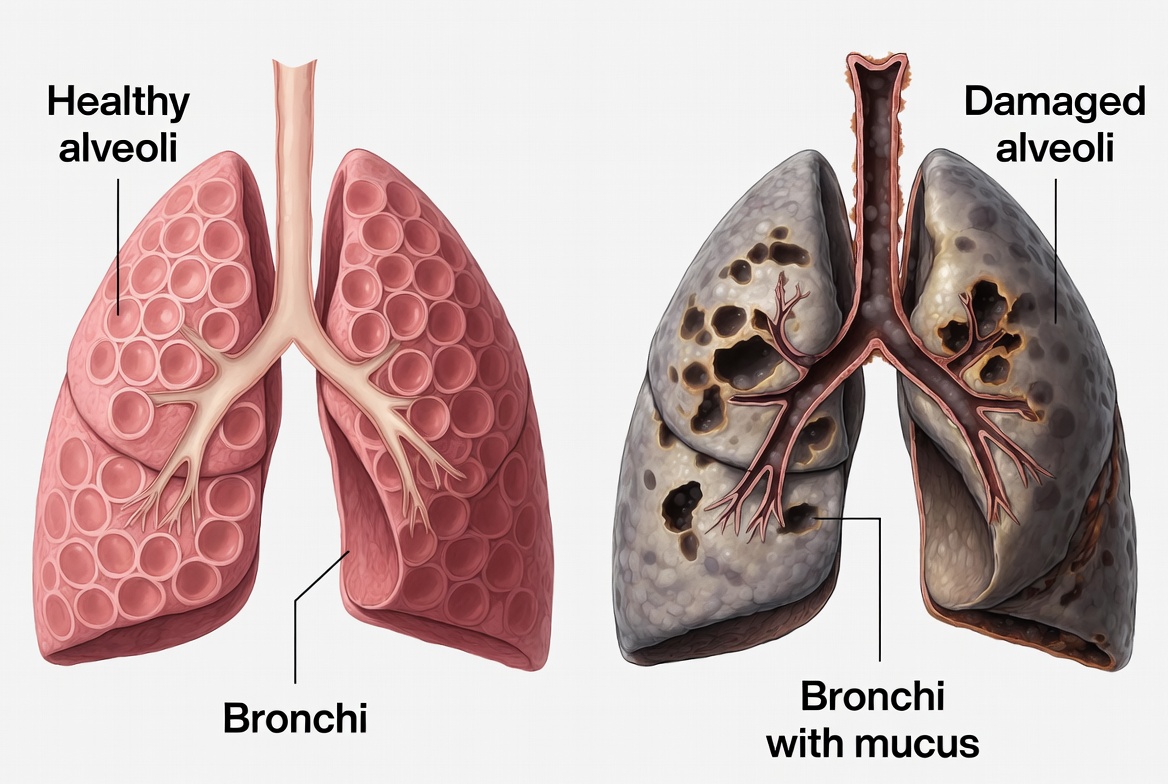
Chronic Obstructive Pulmonary Disease (COPD)
Chronic Obstructive Pulmonary Disease (COPD) is a long-term lung disease that makes breathing difficult due to persistent…
Read About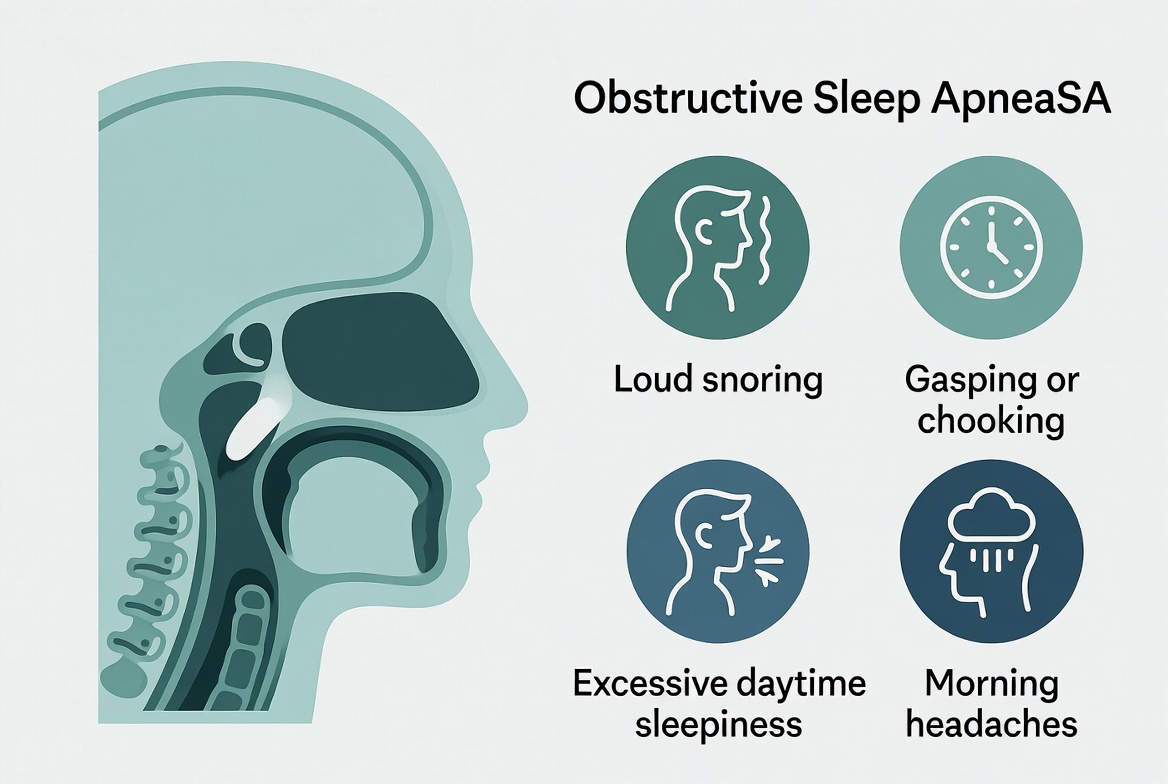
Sleep Apnea (Obstructive Sleep Apnea - OSA)
Sleep apnea is a common sleep disorder in which breathing repeatedly stops and starts during sleep, leading to poor sleep…
Read About