Overview
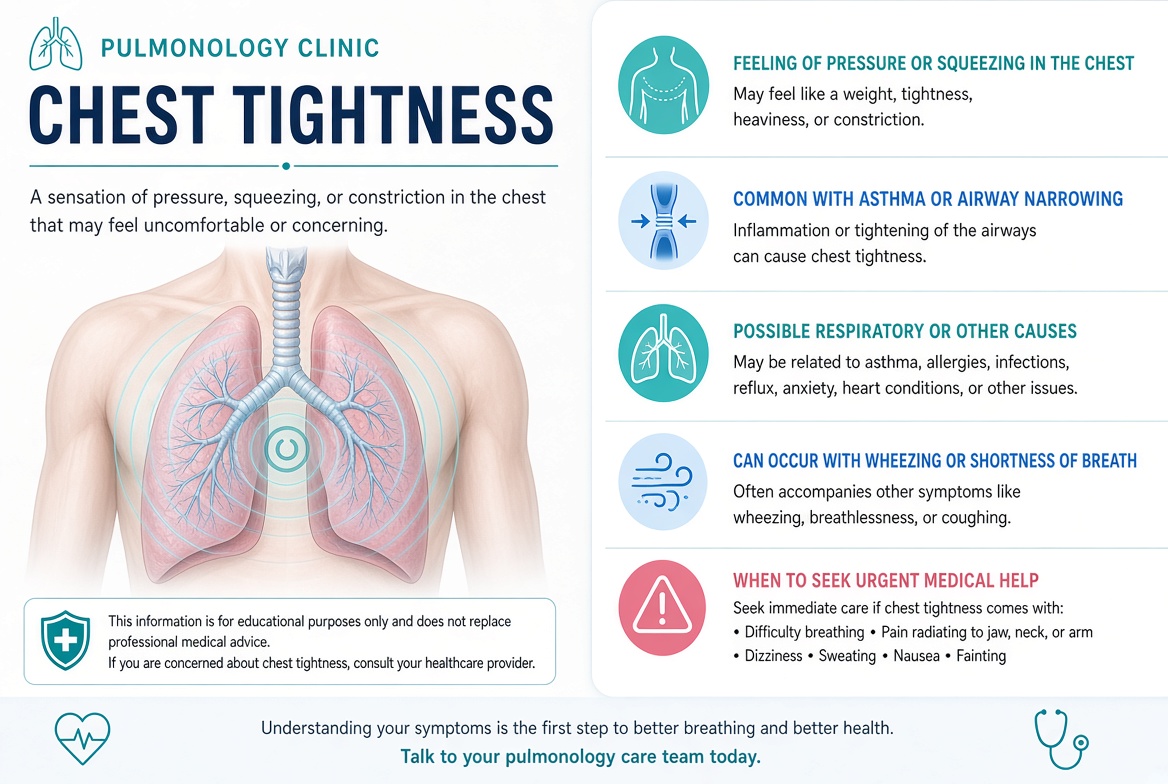
Chest tightness is a common symptom that can feel like pressure, constriction, heaviness, or a band around the chest. The sensation may occur occasionally or persist for longer periods. In people with respiratory conditions, chest tightness can occur when the airways become narrowed or inflamed. Asthma is a common example, where chest tightness may occur together with wheezing, coughing, or difficulty breathing. Because chest tightness can also be associated with potentially serious heart or lung conditions, new, severe, sudden, or unexplained chest tightness should be medically assessed.
Causes
Possible causes of chest tightness include: Asthma COPD and other chronic lung conditions Respiratory infections Pneumonia Allergic reactions Anxiety or panic attacks Acid reflux Muscle strain or chest wall inflammation Heart-related conditions Exposure to smoke, dust, pollution, or other respiratory irritants
Risk Factors
Factors that may increase the likelihood of chest tightness include: Smoking or exposure to secondhand smoke Asthma or COPD Allergies Respiratory infections Exposure to air pollution or occupational irritants A history of heart or lung disease Physical or emotional stress Exposure to known asthma triggers
Diagnosis
A doctor will usually ask about when the chest tightness started, how long it lasts, what triggers it, and whether it occurs with symptoms such as coughing, wheezing, breathlessness, fever, or chest pain. Depending on the suspected cause, evaluation may include: Physical examination Oxygen saturation measurement Lung function tests such as spirometry Chest X-ray Blood tests ECG or other heart-related tests when appropriate
Treatment
Treatment depends on the underlying cause. For example, asthma-related chest tightness may require prescribed inhaled medicines and avoidance of known triggers. Respiratory infections may require appropriate treatment depending on whether the infection is viral or bacterial. If chest tightness is related to reflux, allergies, anxiety, or another condition, treatment is directed toward that underlying problem. Do not start or change prescription medicines without medical advice.
Need Expert Medical Guidance?
Schedule a direct consultation with Dr. Nabila Zaheer for personalized medical guidance.
Prevention
Some causes of chest tightness can be reduced by: Avoiding smoking and secondhand smoke Limiting exposure to dust, pollution, and chemical fumes Identifying and avoiding personal asthma or allergy triggers Following prescribed treatment for asthma or COPD Managing respiratory infections appropriately Maintaining good general health and physical activity Managing stress when it contributes to symptoms
Complications
Complications depend on the underlying cause. Persistent or untreated chest tightness may be associated with worsening asthma, reduced activity, sleep disturbance, or progression of an underlying respiratory condition. More importantly, chest tightness can sometimes be a symptom of a serious heart or lung problem. Delaying evaluation of sudden or severe symptoms can therefore be dangerous.
When to See a Doctor
See a doctor if chest tightness: Is new or unexplained Keeps returning Persists or gradually worsens Interferes with normal activities Occurs together with coughing, wheezing, or shortness of breath Occurs in someone with asthma, COPD, or another known heart or lung condition Seek emergency medical care immediately for sudden or severe chest tightness, especially if it occurs with severe difficulty breathing, chest pain or pressure, fainting, confusion, sweating, nausea, blue or gray lips/skin, or pain spreading to the arm, shoulder, back, neck, or jaw.
Conditions Related to This Symptom
Learn more about medical conditions that may cause or be associated with this symptom.
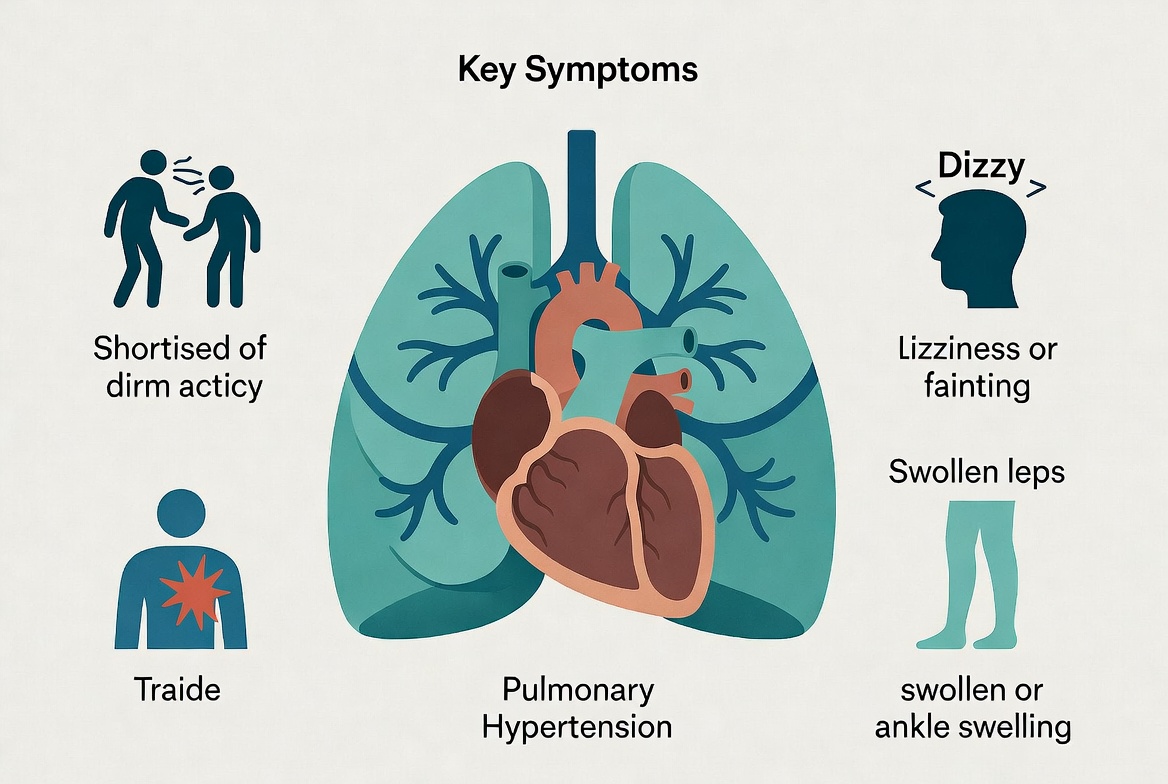
Pulmonary Hypertension (PH)
Pulmonary hypertension is a serious condition in which the blood pressure in the arteries of the lungs becomes abnormally…
Read About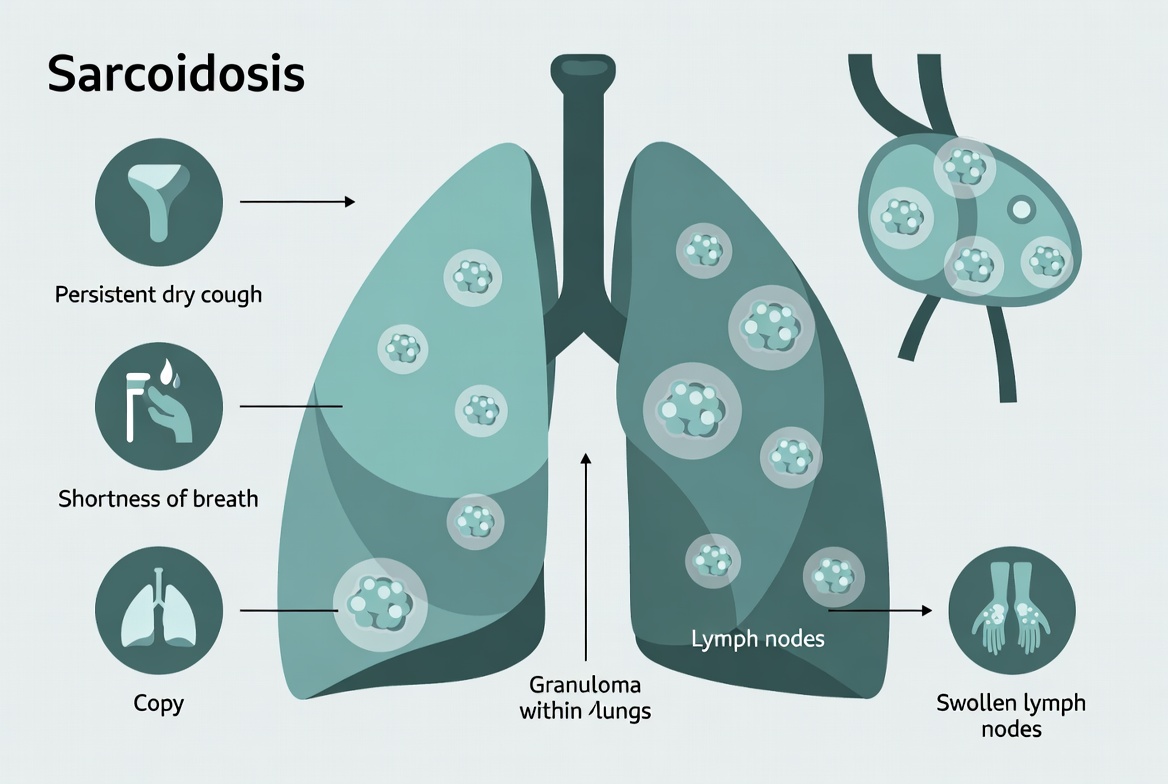
Sarcoidosis
Sarcoidosis is an inflammatory disease in which small clusters of immune cells, called granulomas, develop in the lungs…
Read About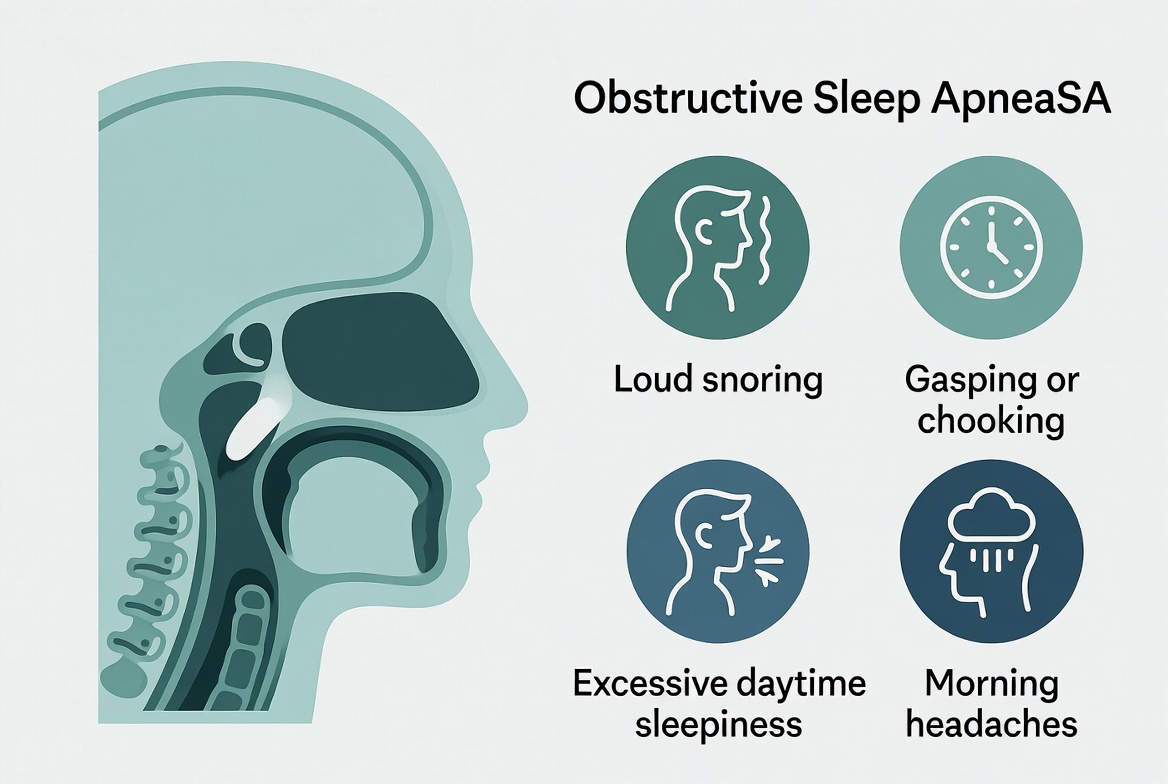
Sleep Apnea (Obstructive Sleep Apnea - OSA)
Sleep apnea is a common sleep disorder in which breathing repeatedly stops and starts during sleep, leading to poor sleep…
Read About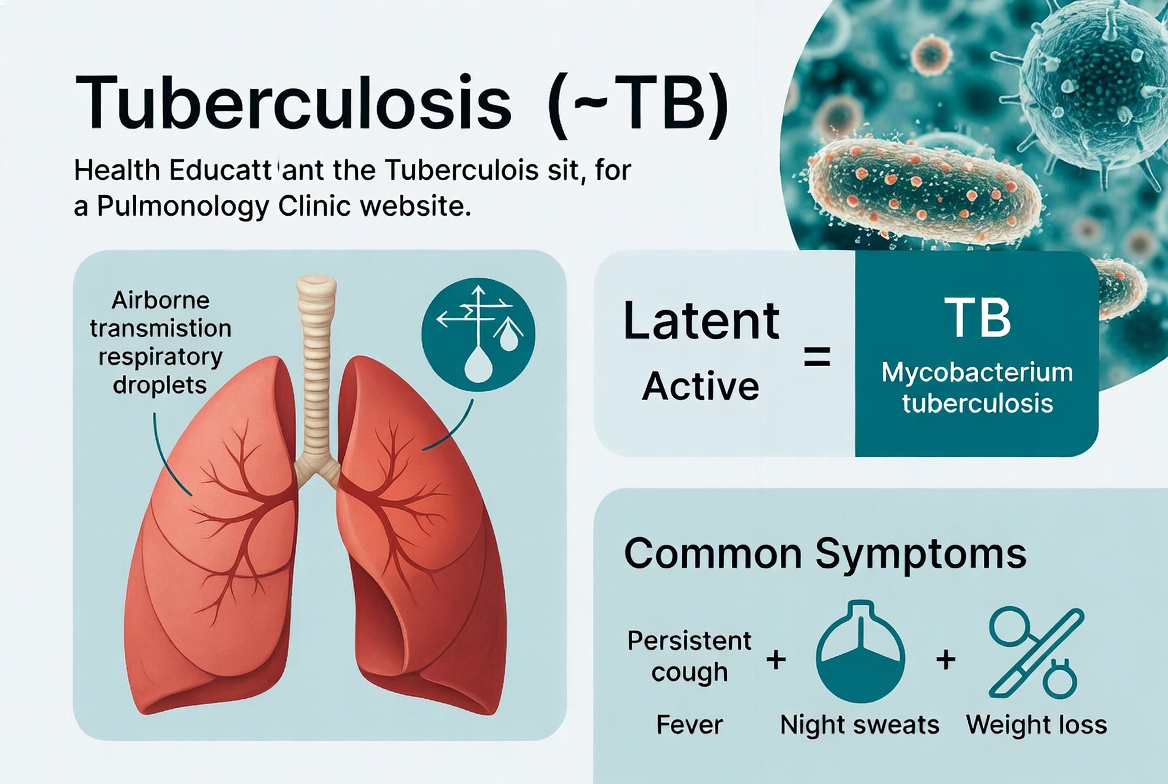
tuberculosis
Learn about tuberculosis (TB), including symptoms, causes, diagnosis, treatment, prevention, recovery, and frequently asked…
Read About