Overview
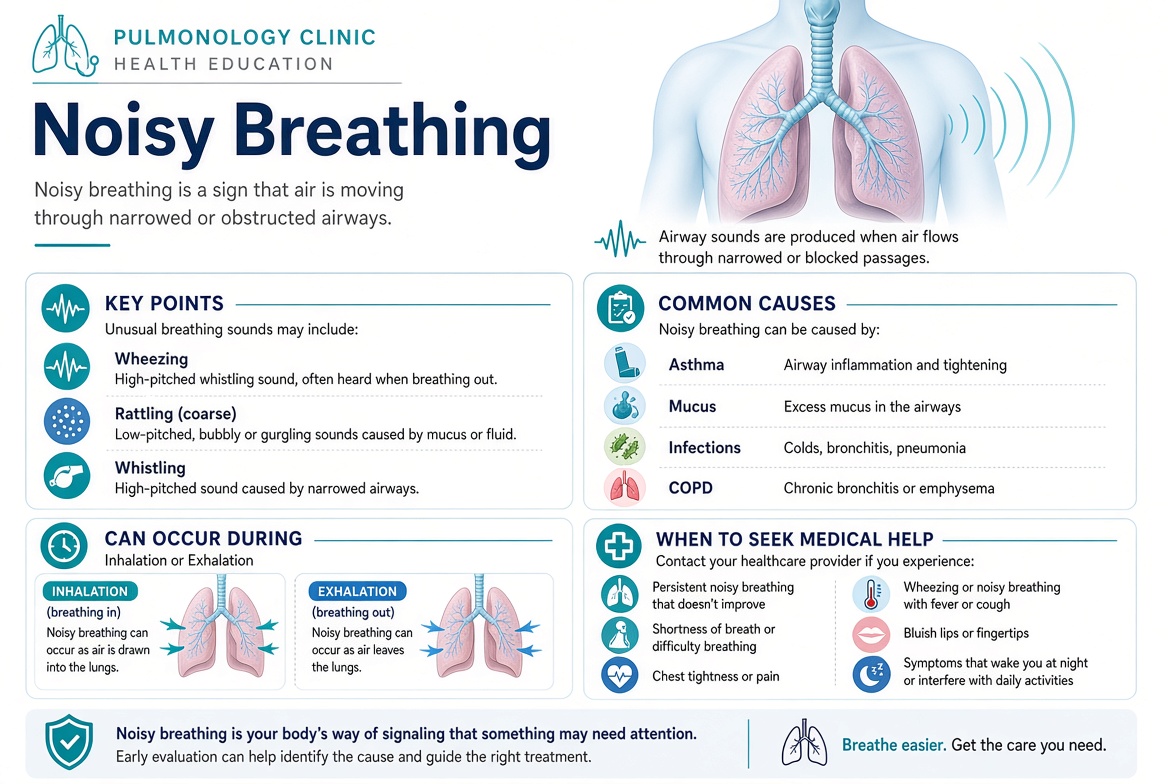
Noisy breathing is a symptom rather than a disease itself. The type of sound, when it occurs, and whether it is associated with symptoms such as cough, shortness of breath, chest tightness, fever, or difficulty swallowing can help identify the underlying cause. Some causes are mild, such as nasal congestion or mucus, while others may require medical assessment. Persistent, recurrent, or suddenly severe noisy breathing should be evaluated by a healthcare professional.
Causes
Common causes of noisy breathing include: Nasal congestion from a cold or allergies Excess mucus in the airways Asthma Chronic obstructive pulmonary disease (COPD) Respiratory infections such as bronchitis or pneumonia Upper airway obstruction Swelling of the throat or airways Foreign body aspiration Sleep-related breathing disorders Vocal cord or airway abnormalities Gastroesophageal reflux in some cases The character of the sound can provide clues. For example, wheezing is often associated with narrowed lower airways, while a harsh high-pitched sound during breathing may indicate narrowing of the upper airway.
Risk Factors
The risk of developing noisy breathing may be higher in people who: Have asthma or COPD Smoke or are exposed to secondhand smoke Have frequent respiratory infections Have allergies Are exposed to dust, chemicals, or other airway irritants Have sleep-related breathing problems Have a history of airway or vocal cord problems
Diagnosis
A doctor may ask about when the breathing noise started, whether it occurs during inhalation or exhalation, and whether it is associated with exercise, sleep, infections, or exposure to allergens. Depending on the symptoms, evaluation may include: Physical examination Listening to the lungs with a stethoscope Oxygen saturation measurement Chest X-ray Pulmonary function tests Allergy testing CT imaging when appropriate Examination of the nose, throat, or vocal cords
Treatment
Treatment depends on the underlying cause. Possible treatments include: Treatment for asthma or COPD when applicable Medicines for respiratory infections when medically indicated Allergy treatment Inhaled medications for airway narrowing Treatment of nasal congestion Removal of an airway obstruction when present Treatment of an underlying sleep-related breathing disorder Noisy breathing should not be treated solely by suppressing the sound; identifying and treating its cause is important.
Need Expert Medical Guidance?
Schedule a direct consultation with Dr. Nabila Zaheer for personalized medical guidance.
Prevention
Some causes of noisy breathing can be reduced by: Avoiding smoking and secondhand smoke Limiting exposure to dust, fumes, and chemical irritants Managing known allergies Taking prescribed asthma or COPD medicines correctly Practicing good respiratory hygiene Staying up to date with recommended vaccinations Seeking medical advice for recurrent respiratory symptoms
Complications
Noisy breathing itself is usually a symptom, but complications can occur if its underlying cause is not treated. Depending on the cause, these may include: Worsening breathing difficulty Reduced oxygen levels Recurrent respiratory infections Sleep disturbance Reduced exercise tolerance Severe airway obstruction Sudden severe noisy breathing accompanied by significant difficulty breathing, bluish lips or skin, confusion, or inability to speak normally requires urgent medical attention.
When to See a Doctor
See a doctor if noisy breathing is: Persistent or recurrent Getting worse over time Associated with shortness of breath Accompanied by chest pain or chest tightness Associated with fever or persistent cough Affecting sleep or daily activities New and unexplained Seek emergency medical care for sudden severe breathing difficulty, choking, rapidly worsening airway sounds, blue/gray lips or skin, or severe inability to breathe.
Conditions Related to This Symptom
Learn more about medical conditions that may cause or be associated with this symptom.

Asthma
Asthma is a chronic lung condition that causes inflammation and narrowing of the airways, making breathing difficult. Symptoms…
Read About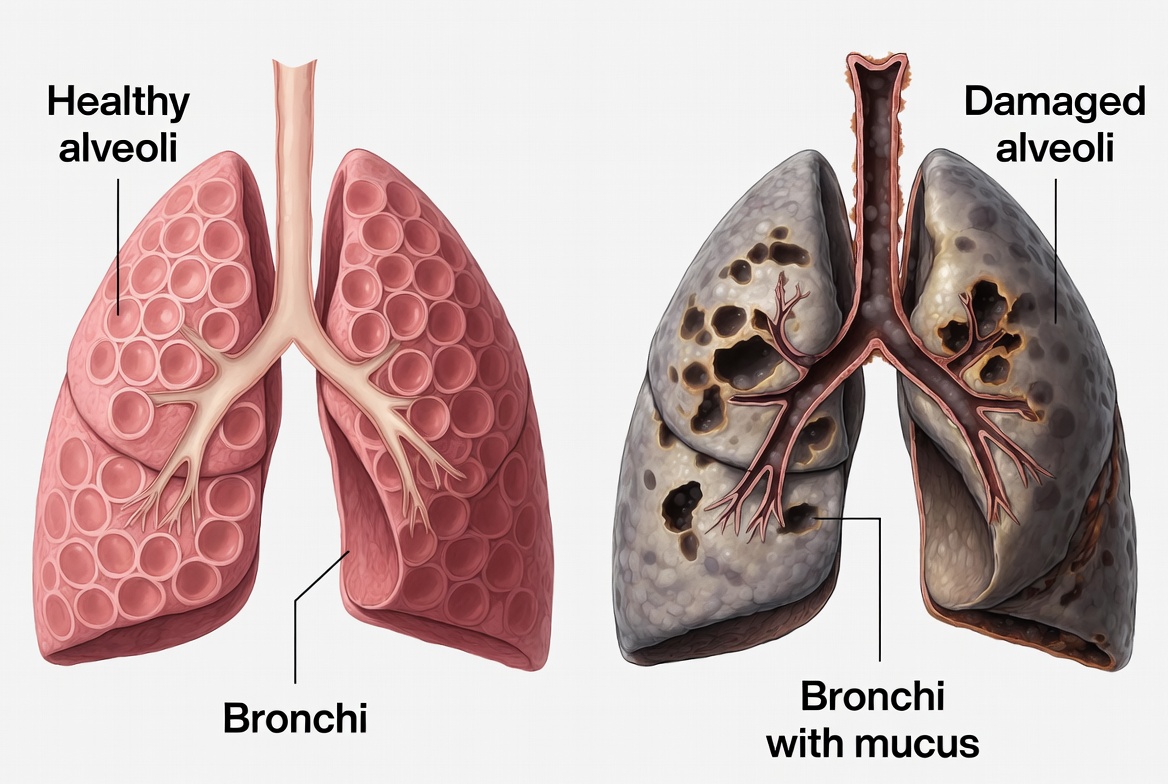
Chronic Obstructive Pulmonary Disease (COPD)
Chronic Obstructive Pulmonary Disease (COPD) is a long-term lung disease that makes breathing difficult due to persistent…
Read About
pneumonia
Pneumonia is an infection that causes inflammation of the air sacs (alveoli) in one or both lungs. The air sacs may fill…
Read About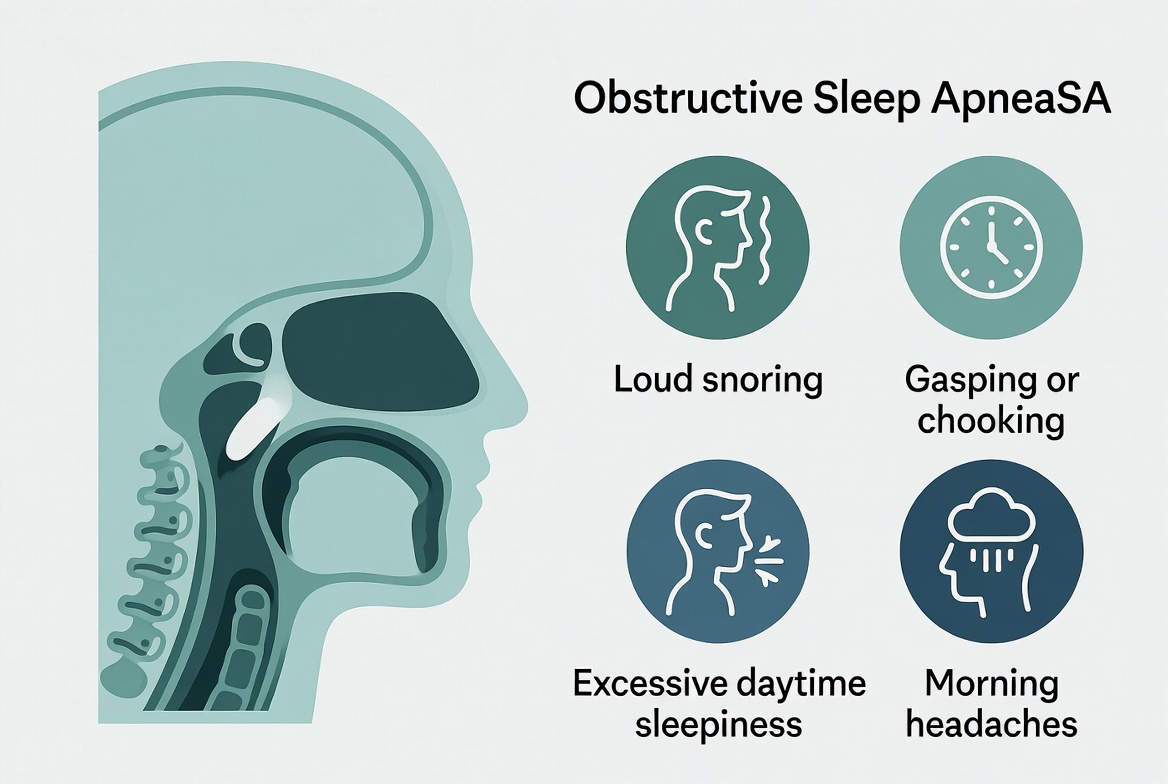
Sleep Apnea (Obstructive Sleep Apnea - OSA)
Sleep apnea is a common sleep disorder in which breathing repeatedly stops and starts during sleep, leading to poor sleep…
Read About