Overview
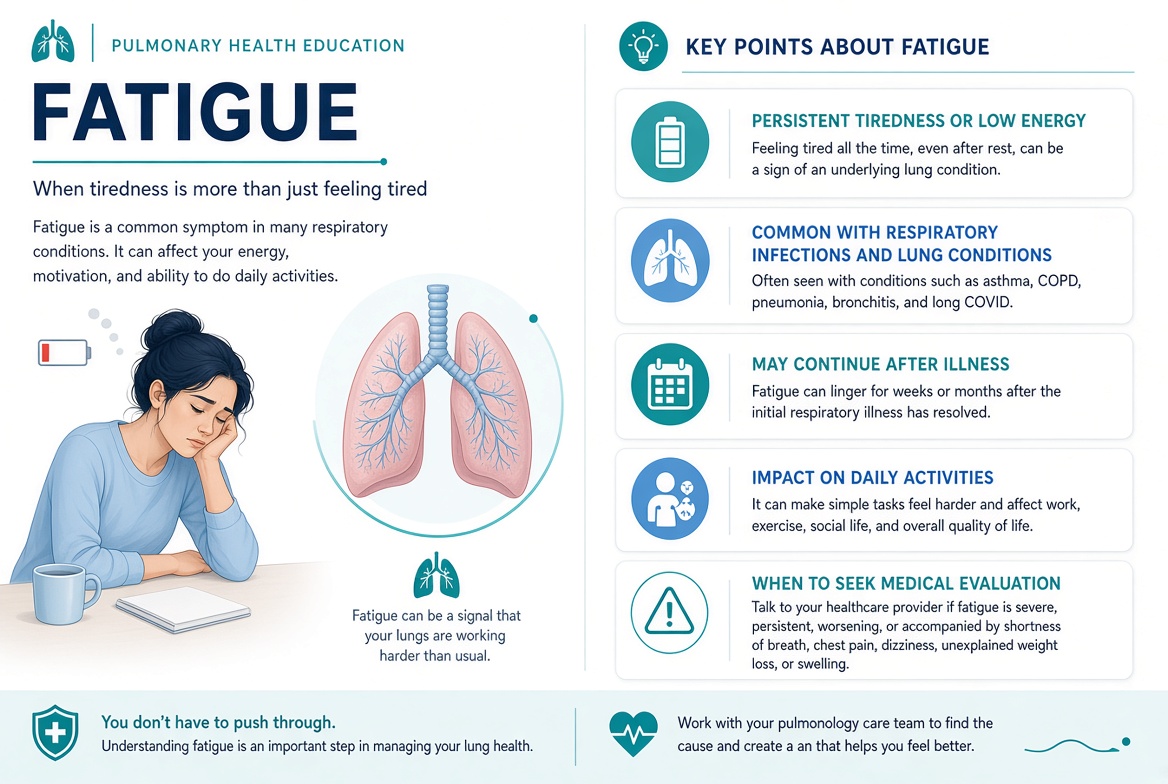
Fatigue is more than ordinary tiredness after physical activity. A person with fatigue may feel exhausted, lack energy, have difficulty concentrating or find normal daily activities more difficult. Fatigue is common during and after infections. Respiratory conditions such as influenza, COVID-19, pneumonia, tuberculosis and chronic lung diseases can cause significant fatigue. Persistent or unexplained fatigue may require medical evaluation to identify the underlying cause.
Causes
Common causes of fatigue include: Viral infections such as influenza and COVID-19 Pneumonia and other respiratory infections Tuberculosis Chronic obstructive pulmonary disease (COPD) Asthma, particularly when symptoms are poorly controlled Sleep disorders, including sleep apnea Anemia or nutritional deficiencies Poor sleep or insufficient rest Stress, anxiety or prolonged emotional strain Certain medications Thyroid and other metabolic conditions Chronic medical conditions Dehydration Reduced physical fitness or prolonged inactivity
Risk Factors
Factors that may increase the likelihood of fatigue include: Chronic respiratory or other medical conditions Recent infection Poor sleep or irregular sleep schedules Sleep apnea or other sleep disorders Nutritional deficiencies Anemia Prolonged stress Dehydration Certain medications Smoking Physical inactivity Older age or multiple chronic health conditions
Diagnosis
A doctor will usually ask about the duration and severity of fatigue, sleep patterns, medications, lifestyle and other symptoms. Depending on the suspected cause, evaluation may include: Physical examination Blood tests, including tests for anemia or other abnormalities Thyroid testing when appropriate Assessment for infection Chest examination or chest X-ray when respiratory symptoms are present Sleep evaluation when sleep apnea or another sleep disorder is suspected Additional tests based on the patient's symptoms and medical history
Treatment
Treatment depends on the underlying cause. Management may include: Treating an underlying infection or medical condition Getting adequate sleep and regular rest Maintaining adequate fluid intake Eating a balanced and nutritious diet Gradually returning to physical activity as tolerated Managing stress Treating sleep disorders such as sleep apnea Adjusting medications when they contribute to fatigue, under medical supervision Following prescribed treatment for chronic lung conditions Antibiotics should only be used when a bacterial infection is diagnosed or strongly suspected and treatment is medically appropriate.
Need Expert Medical Guidance?
Schedule a direct consultation with Dr. Nabila Zaheer for personalized medical guidance.
Prevention
Fatigue cannot always be prevented, but the risk can sometimes be reduced by: Getting adequate and regular sleep Maintaining a balanced diet Drinking enough fluids Staying physically active within your abilities Managing chronic medical conditions Keeping recommended vaccinations up to date Practicing good hand hygiene Avoiding smoking and secondhand smoke Managing stress effectively Seeking medical care for persistent respiratory symptoms
Complications
Persistent fatigue can interfere with work, school, exercise and normal daily activities. It may also affect concentration, mood and quality of life. More importantly, unexplained or prolonged fatigue can sometimes be a sign of an underlying medical condition that requires treatment. Fatigue accompanied by significant breathing problems or other concerning symptoms should not be ignored.
When to See a Doctor
Consult a doctor if fatigue: Persists without an obvious explanation Is becoming progressively worse Interferes with normal daily activities Occurs with persistent cough or fever Occurs with shortness of breath or chest discomfort Is accompanied by unexplained weight loss or night sweats Continues after an infection has otherwise improved Is associated with dizziness, fainting or significant weakness Seek urgent medical attention for severe difficulty breathing, severe chest pain, fainting, confusion or a rapid deterioration in your condition.
Conditions Related to This Symptom
Learn more about medical conditions that may cause or be associated with this symptom.

Asthma
Asthma is a chronic lung condition that causes inflammation and narrowing of the airways, making breathing difficult. Symptoms…
Read About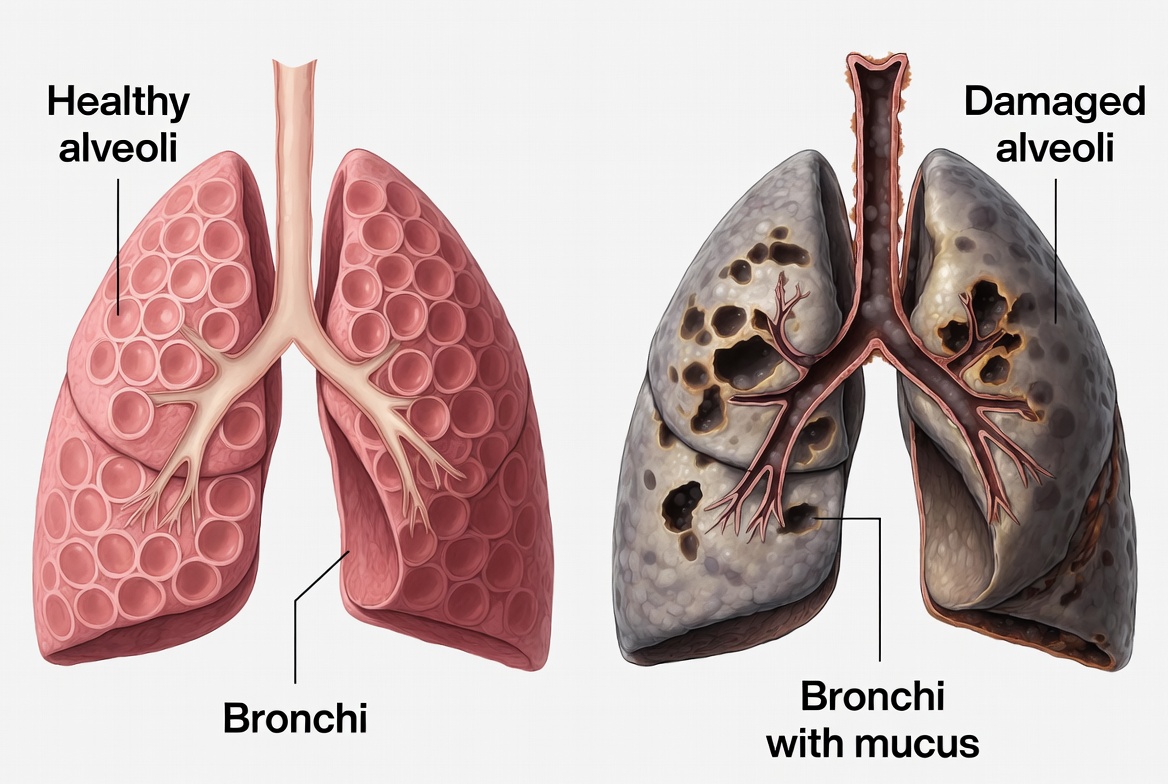
Chronic Obstructive Pulmonary Disease (COPD)
Chronic Obstructive Pulmonary Disease (COPD) is a long-term lung disease that makes breathing difficult due to persistent…
Read About
pneumonia
Pneumonia is an infection that causes inflammation of the air sacs (alveoli) in one or both lungs. The air sacs may fill…
Read About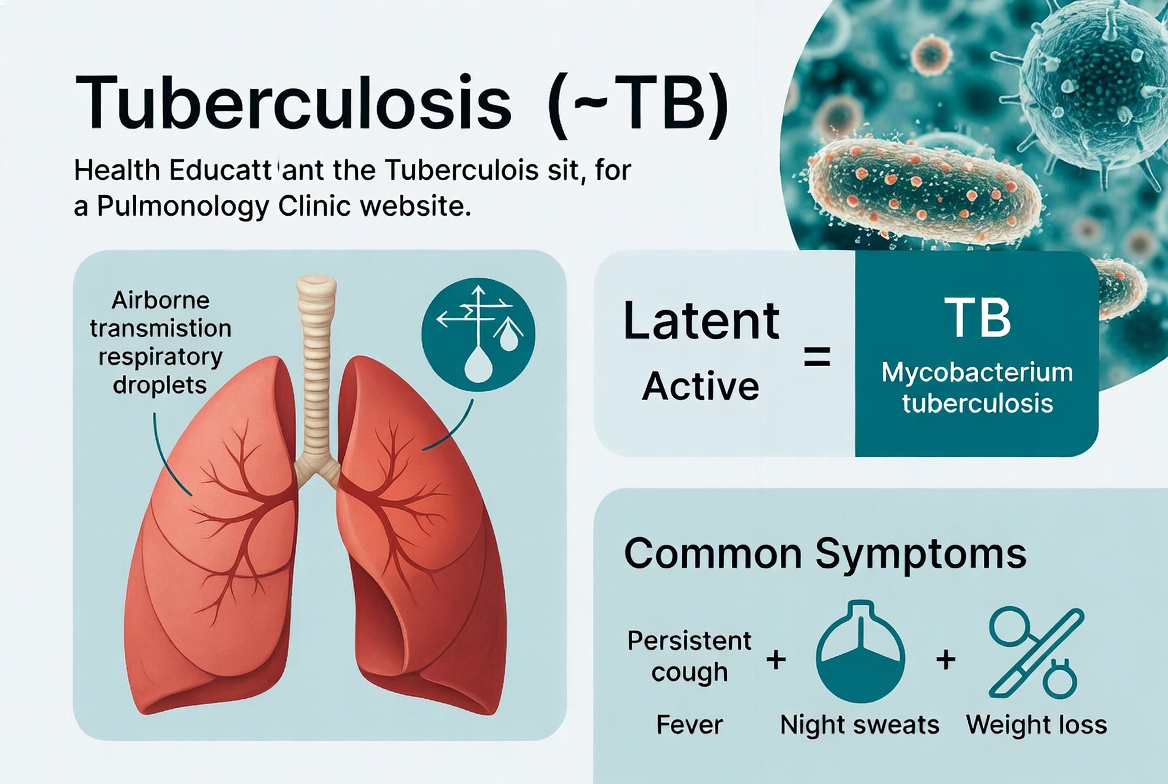
tuberculosis
Learn about tuberculosis (TB), including symptoms, causes, diagnosis, treatment, prevention, recovery, and frequently asked…
Read About