Overview
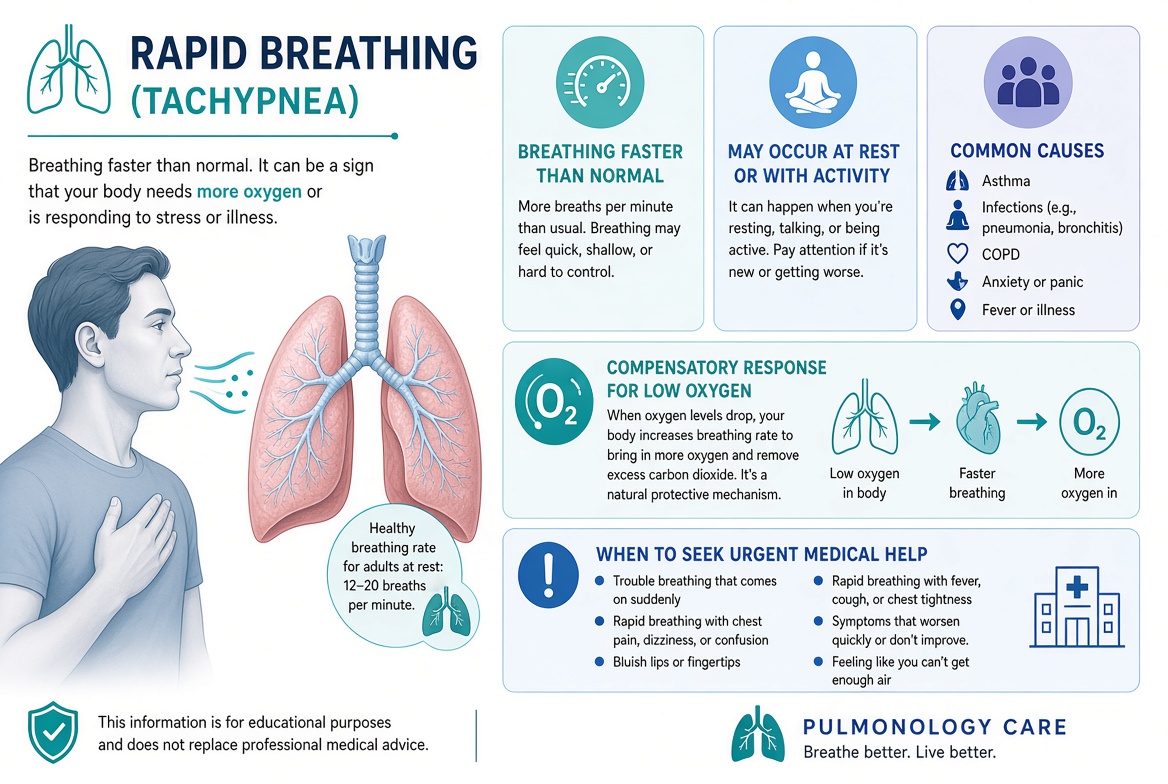
Rapid breathing occurs when a person takes more breaths per minute than expected. In adults, consistently breathing faster than about 20 breaths per minute while resting may be considered unusually rapid, although normal breathing rates vary depending on age, activity, health, and circumstances. Tachypnea is a sign rather than a disease itself. It can occur when the body is trying to compensate for reduced oxygen levels, increased carbon dioxide, fever, infection, metabolic disturbances, or increased demand for oxygen. Sudden or severe rapid breathing, particularly when accompanied by chest pain, blue or gray lips, confusion, severe breathlessness, or fainting, requires urgent medical assessment.
Causes
Rapid breathing can have many possible causes, including: Asthma Pneumonia Chronic obstructive pulmonary disease (COPD) Respiratory infections Pulmonary embolism Heart failure Fever Anxiety or panic attacks Severe pain Anemia Low oxygen levels Metabolic acidosis Diabetic ketoacidosis Sepsis High altitude Lung inflammation Allergic reactions Certain medications or drugs Strenuous physical activity
Risk Factors
The likelihood of developing rapid or abnormal breathing may be higher in people with: Asthma or COPD Chronic heart or lung disease Respiratory infections Recent surgery or prolonged immobility A history of blood clots Severe anemia Diabetes Smoking or tobacco exposure Obesity Exposure to high altitude Severe anxiety or panic Conditions affecting normal metabolism
Diagnosis
A healthcare professional may begin by measuring the respiratory rate and checking oxygen saturation, heart rate, blood pressure, and temperature. Depending on the suspected cause, additional tests may include: Physical examination Pulse oximetry Chest X-ray Blood tests Arterial blood gas analysis Electrocardiogram (ECG) CT scan of the chest Pulmonary function tests Tests for infection Other investigations based on the patient's symptoms and medical history The underlying cause is more important than the breathing rate alone, so evaluation is tailored to the individual.
Treatment
Treatment depends on what is causing the rapid breathing. Possible treatments may include: Treatment of respiratory infections Inhaled medicines for asthma or COPD Oxygen therapy when oxygen levels are low Treatment for heart-related conditions Antibiotics when a bacterial infection is diagnosed Treatment of anemia Management of metabolic abnormalities Anticoagulant treatment when a blood clot is diagnosed Treatment of anxiety or panic when appropriate Rapid breathing should not simply be treated by trying to slow the breathing rate without determining the underlying cause.
Need Expert Medical Guidance?
Schedule a direct consultation with Dr. Nabila Zaheer for personalized medical guidance.
Prevention
Not every episode of rapid breathing can be prevented, but some measures may reduce the risk: Avoid smoking and tobacco exposure. Follow prescribed treatment for asthma, COPD, and other chronic conditions. Keep recommended vaccinations up to date. Seek treatment for respiratory infections when appropriate. Maintain regular physical activity according to your health status. Manage known heart and lung conditions. Avoid known respiratory triggers. Follow medical advice when traveling to high-altitude locations. Do not stop prescribed respiratory medicines without medical advice.
Complications
Rapid breathing itself may not cause complications when it is temporary and related to normal exertion. However, persistent or severe tachypnea can indicate a serious underlying condition. Possible complications may include: Low blood oxygen levels Increased breathing difficulty Respiratory exhaustion Abnormal blood chemistry Worsening of an underlying lung or heart condition Loss of consciousness in severe cases Respiratory failure in life-threatening conditions
When to See a Doctor
Seek medical attention if rapid breathing: Occurs while resting without an obvious explanation Persists or repeatedly returns Is accompanied by shortness of breath Occurs with fever or persistent cough Is associated with wheezing or chest tightness Develops in someone with known heart or lung disease Seek emergency medical care immediately for sudden or severe difficulty breathing, rapid breathing with chest pain, blue or gray lips or skin, confusion, fainting, severe weakness, or other signs of a medical emergency.
Conditions Related to This Symptom
Learn more about medical conditions that may cause or be associated with this symptom.

Asthma
Asthma is a chronic lung condition that causes inflammation and narrowing of the airways, making breathing difficult. Symptoms…
Read About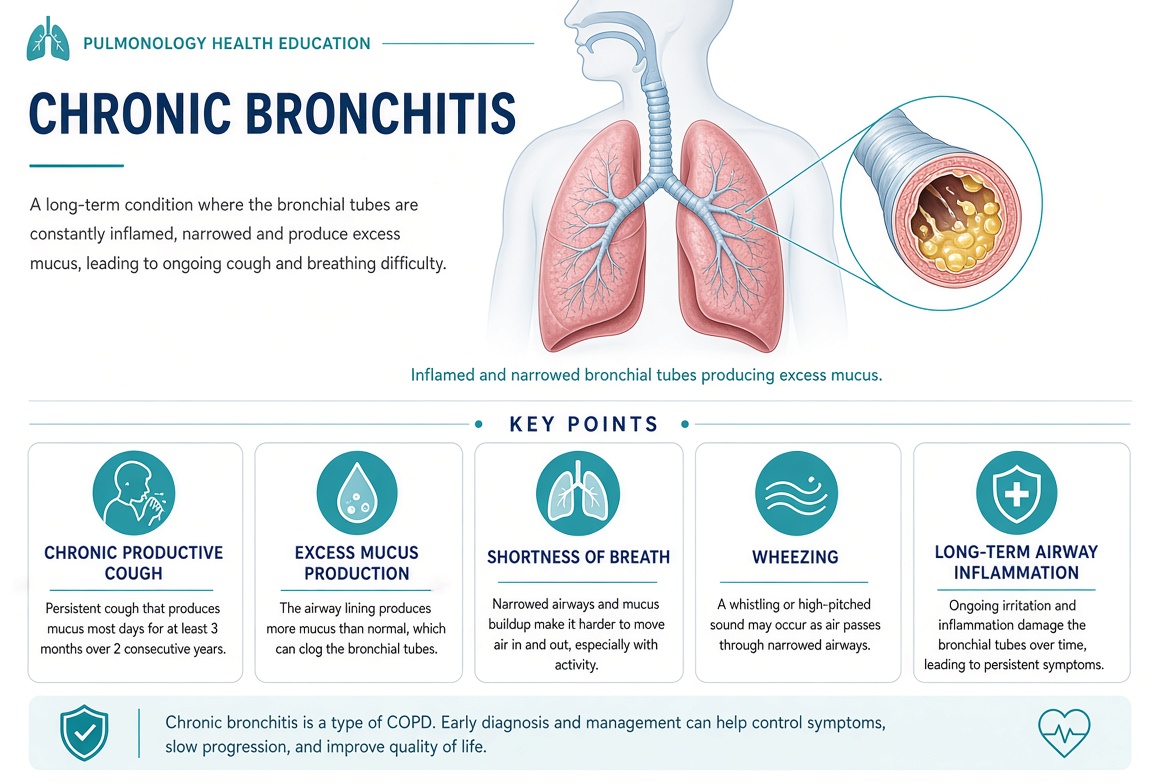
Chronic Bronchitis
Chronic bronchitis is a long-term condition in which the bronchial tubes become persistently inflamed and produce excess…
Read About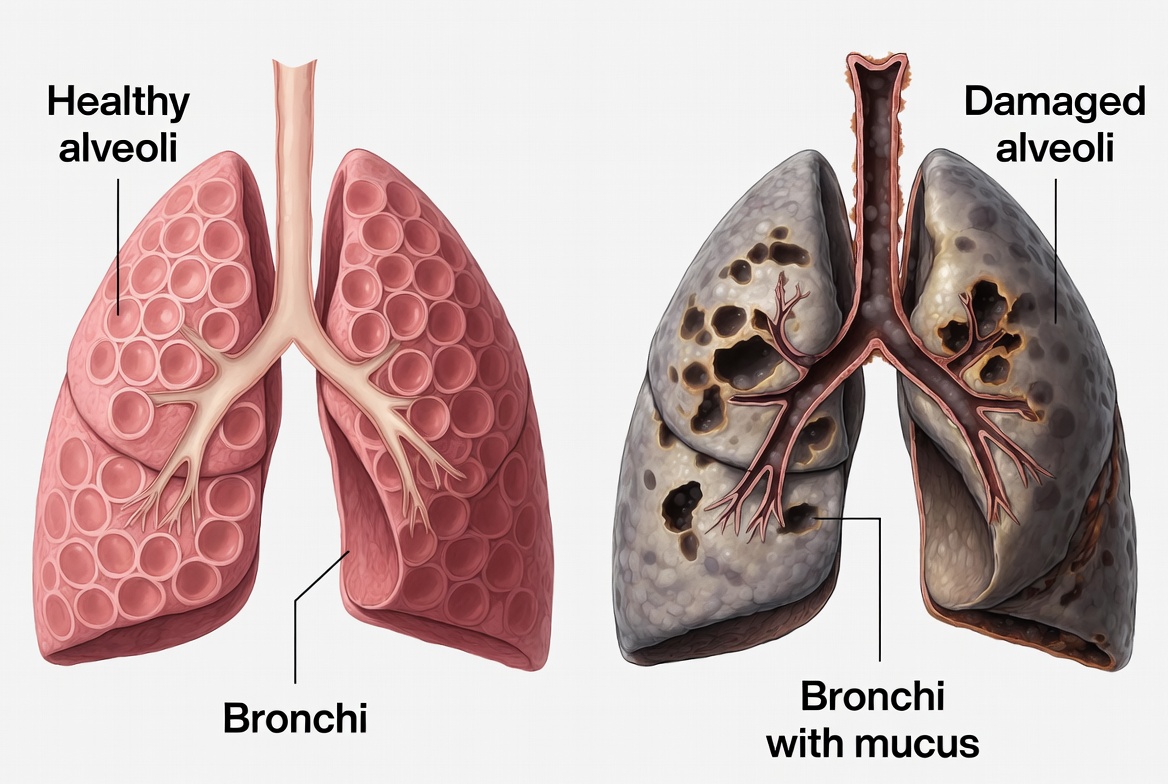
Chronic Obstructive Pulmonary Disease (COPD)
Chronic Obstructive Pulmonary Disease (COPD) is a long-term lung disease that makes breathing difficult due to persistent…
Read About
pneumonia
Pneumonia is an infection that causes inflammation of the air sacs (alveoli) in one or both lungs. The air sacs may fill…
Read About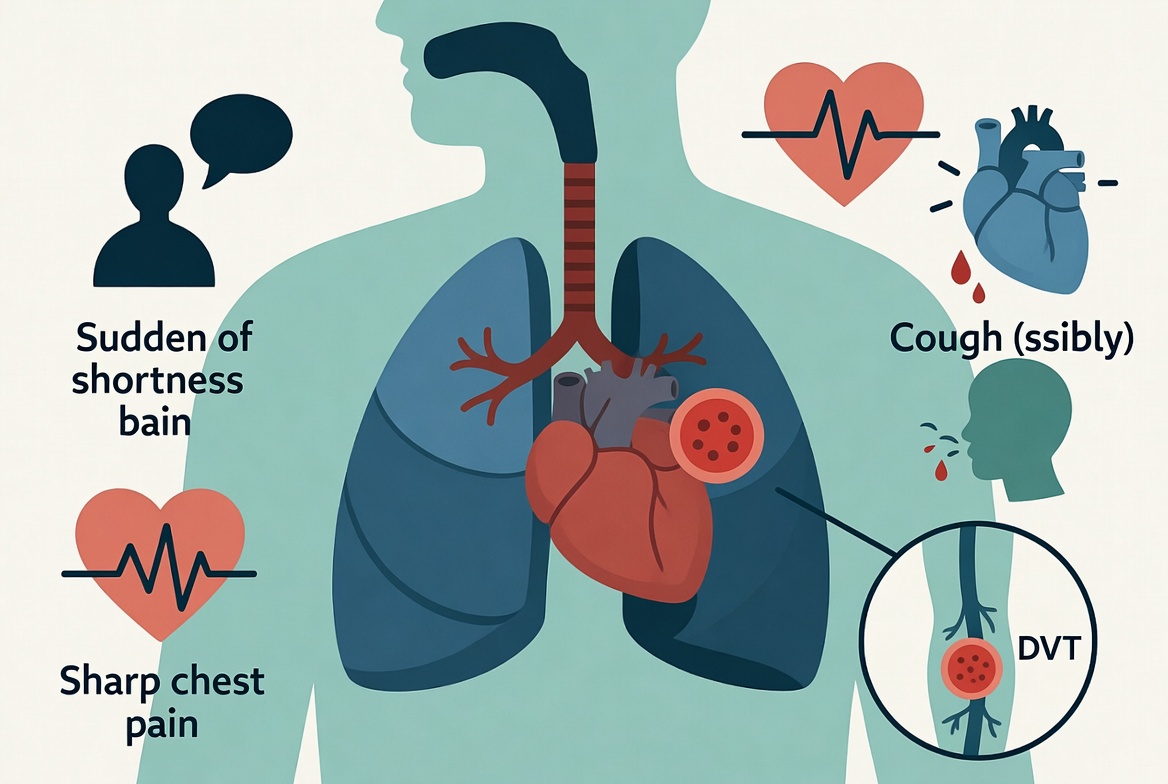
Pulmonary Embolism (PE)
Pulmonary embolism (PE) is a life-threatening condition caused by a blood clot that blocks an artery in the lungs. Learn…
Read About