Overview
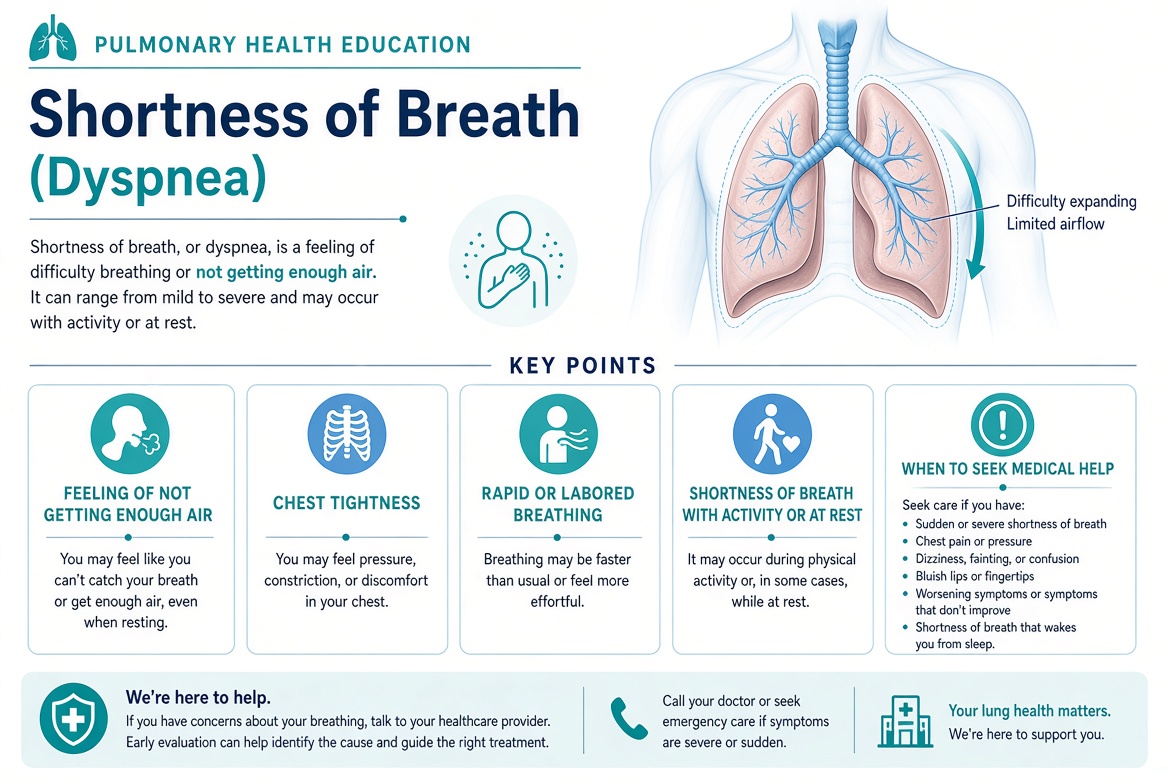
Shortness of breath, medically known as dyspnea, is the sensation of having difficulty breathing or feeling that you cannot get enough air. People may describe it as feeling unable to take a deep breath, chest tightness, air hunger, or feeling as though they are suffocating.
Shortness of breath can occur during strenuous exercise or temporary conditions such as extreme temperatures, poor air quality, or high altitude. However, unexplained, persistent, worsening, or sudden shortness of breath may indicate an underlying medical condition and should be evaluated by a healthcare professional.
The heart and lungs work together to deliver oxygen to the body and remove carbon dioxide. Problems affecting either system can lead to breathing difficulty. Common causes include asthma, chronic obstructive pulmonary disease (COPD), pneumonia, heart disease, anxiety, and other respiratory or medical conditions.
The appropriate treatment depends on the underlying cause. A healthcare professional may evaluate your symptoms, medical history, oxygen level, heart and lungs, and may recommend additional tests such as blood tests, chest imaging, lung function testing, or an echocardiogram.
Causes
Shortness of breath can have many different causes. Some are temporary and harmless, while others require medical evaluation.
Common respiratory causes
- Asthma
- Chronic obstructive pulmonary disease (COPD)
- Pneumonia and other respiratory infections
- Pulmonary fibrosis
- Pulmonary hypertension
- Pneumothorax (collapsed lung)
- Pulmonary embolism (blood clot in the lungs)
- Lung cancer
Heart-related causes
- Heart failure
- Heart attack
- Heart rhythm disorders
- Cardiomyopathy
- Heart valve disease
Other possible causes
- Anxiety or panic attacks
- Anemia
- Obesity
- Physical deconditioning
- Severe allergic reactions
- Airway obstruction
- Exposure to smoke or chemical fumes
- High altitude
Because many different conditions can cause similar breathing symptoms, unexplained or persistent shortness of breath should be assessed by a healthcare professional.
Risk Factors
Certain factors can increase the likelihood of experiencing shortness of breath or can make existing breathing problems worse.
- Smoking or exposure to secondhand smoke
- Existing lung diseases such as asthma or COPD
- Heart disease
- Obesity or being overweight
- Low physical fitness or prolonged inactivity
- Exposure to air pollution, dust, fumes, or other respiratory irritants
- Allergies
- Living or traveling at high altitude
- Exposure to very hot, humid, or very cold conditions
- A history of respiratory infections or other medical conditions affecting breathing
The risk and severity depend on the underlying cause. A person with a history of heart or lung disease should pay particular attention to new or worsening breathing difficulties.
Diagnosis
Diagnosing shortness of breath begins with understanding when the symptom started, how severe it is, what triggers it, and whether it occurs during activity or at rest.
During an evaluation, a healthcare professional may ask about smoking, previous lung or heart conditions, medications, allergies, recent illnesses, and exposure to environmental or occupational irritants.
The examination may include listening to the heart and lungs and checking blood oxygen levels. Depending on the symptoms and suspected cause, additional investigations may include:
- Blood tests
- Chest X-ray
- CT scan
- Lung function tests such as spirometry
- Electrocardiogram (ECG)
- Echocardiogram
- Other tests based on the suspected underlying condition
The goal is not simply to treat breathlessness but to identify and treat the condition causing it.
Treatment
Treatment for shortness of breath depends on its underlying cause. There is no single treatment that is appropriate for everyone.
If a lung condition such as asthma or COPD is responsible, treatment may include prescribed inhaled medicines, other medications, breathing techniques, pulmonary rehabilitation, and lifestyle changes.
If a heart condition is responsible, treatment will focus on the specific cardiovascular problem. Other causes, such as anemia, infection, anxiety, or pulmonary embolism, require their own appropriate medical treatment.
For people with chronic lung disease, regular physical activity, pulmonary rehabilitation, appropriate medications, and avoiding smoking and respiratory irritants may help improve symptoms and daily functioning.
Do not start, stop, or change prescription medicines for shortness of breath without medical advice.
Need Expert Medical Guidance?
Schedule a direct consultation with Dr. Nabila Zaheer for personalized medical guidance.
Prevention
Not all causes of shortness of breath can be prevented, but several measures can reduce the risk of developing breathing problems or help prevent existing symptoms from becoming worse.
- Avoid smoking: Do not smoke, and avoid secondhand smoke whenever possible.
- Reduce exposure to pollutants: Avoid dust, chemical fumes, strong irritants, and other known respiratory triggers.
- Stay physically active: Regular physical activity can improve fitness and help the body handle everyday activities more efficiently.
- Maintain a healthy weight: Maintaining a healthy weight may reduce breathing difficulty associated with excess weight.
- Manage existing conditions: Follow your treatment plan if you have asthma, COPD, heart disease, or another condition that can affect breathing.
- Take prescribed medicines correctly: Skipping medicines for lung or heart conditions may worsen breathing symptoms.
- Avoid extreme environmental conditions: Very hot, humid, or cold conditions can worsen breathlessness in some people.
- Know your triggers: If certain allergens, pollutants, activities, or environmental conditions trigger your symptoms, take steps to avoid them.
- Have an action plan: People with chronic respiratory conditions should discuss with their healthcare professional what to do when symptoms become worse.
If you have persistent or unexplained shortness of breath, prevention should not replace medical evaluation. Finding and treating the underlying cause is important.
Complications
Shortness of breath itself is a symptom rather than a disease, so possible complications depend largely on the condition causing it.
Persistent or worsening breathing difficulty may interfere with normal daily activities, physical activity, sleep, work, and overall quality of life.
When shortness of breath is caused by an underlying heart or lung condition, untreated disease may lead to worsening respiratory or cardiovascular problems. In some cases, sudden severe breathlessness can be a sign of a medical emergency such as a heart attack, pulmonary embolism, severe asthma attack, or pneumothorax.
For this reason, unexplained, persistent, or worsening shortness of breath should not be ignored. Early evaluation can help identify the underlying cause and allow appropriate treatment.
When to See a Doctor
Shortness of breath should be medically evaluated when it is unexplained, persistent, worsening, or occurs with other concerning symptoms.
Seek emergency medical care if:
- Severe shortness of breath starts suddenly.
- Shortness of breath occurs with chest pain or pressure.
- You faint or feel severely dizzy.
- Your lips or fingernails turn blue.
- You experience confusion or a significant change in alertness.
- Breathing suddenly becomes difficult after a long journey, surgery, illness, injury, or prolonged inactivity.
Arrange a medical appointment if:
- Shortness of breath keeps occurring without an obvious reason.
- Your breathing becomes progressively worse.
- You develop wheezing, fever, chills, or a persistent cough.
- You have swelling in your feet or ankles.
- You have difficulty breathing when lying down.
- Breathlessness is interfering with normal daily activities.
Sudden or severe unexplained breathing difficulty should be treated as potentially serious and requires prompt medical assessment.
Conditions Related to This Symptom
Learn more about medical conditions that may cause or be associated with this symptom.

Asthma
Asthma is a chronic lung condition that causes inflammation and narrowing of the airways, making breathing difficult. Symptoms…
Read About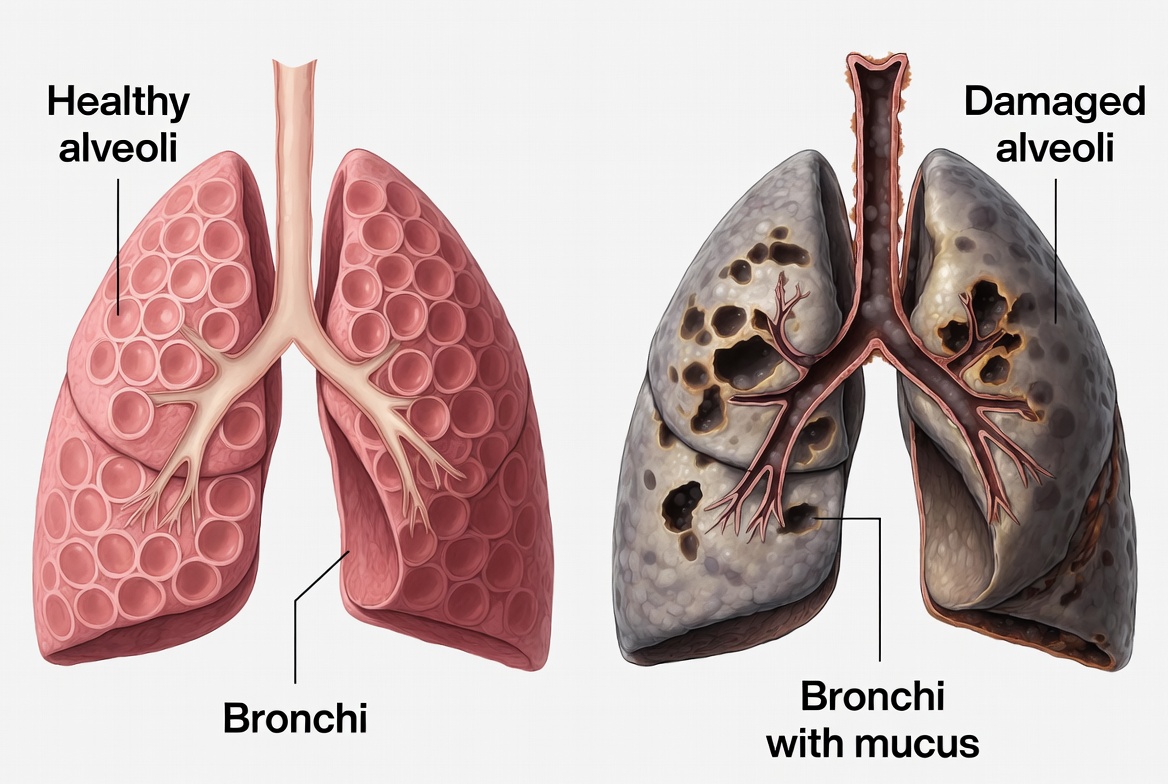
Chronic Obstructive Pulmonary Disease (COPD)
Chronic Obstructive Pulmonary Disease (COPD) is a long-term lung disease that makes breathing difficult due to persistent…
Read About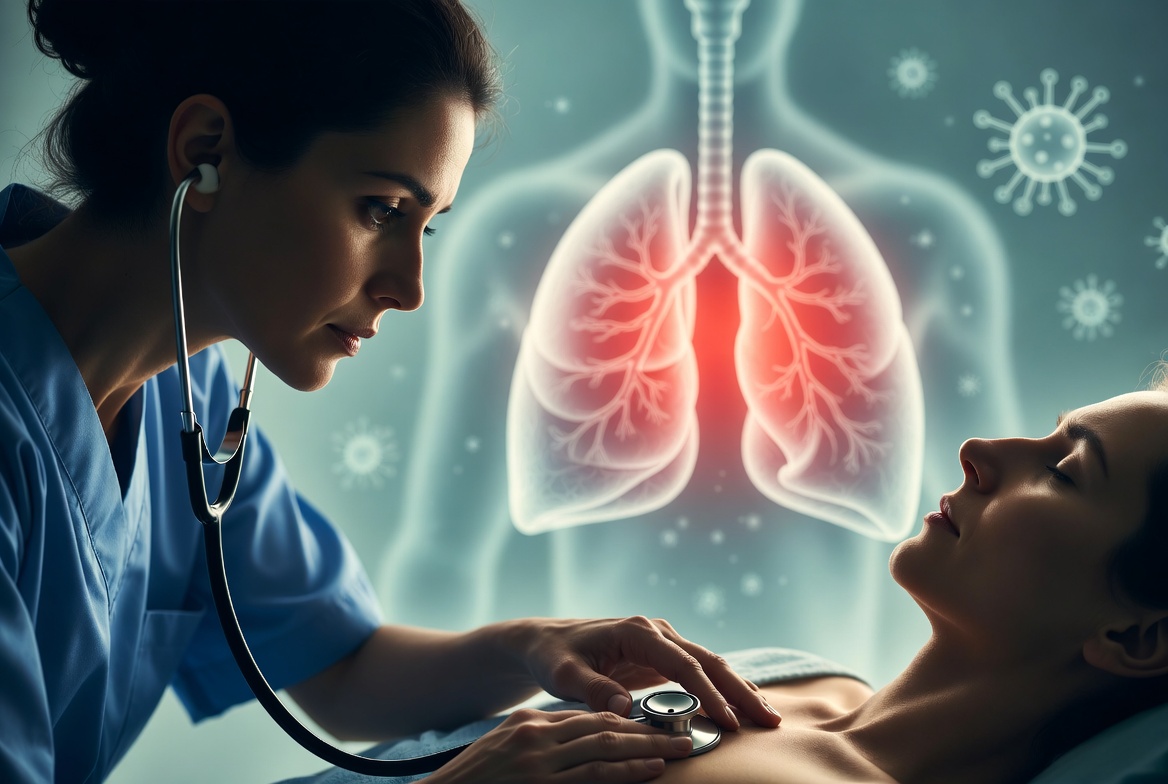
pneumonia
Pneumonia is an infection that causes inflammation of the air sacs (alveoli) in one or both lungs. The air sacs may fill…
Read About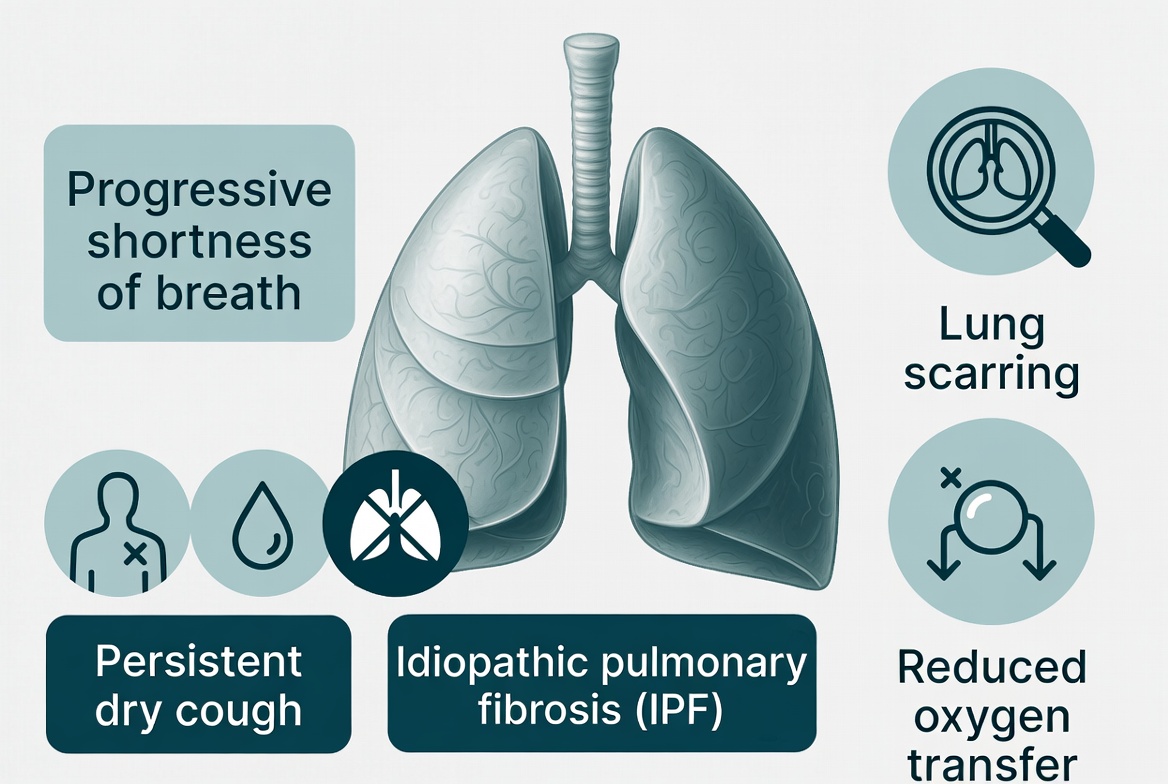
Pulmonary Fibrosis
Pulmonary fibrosis is a chronic lung disease that causes permanent scarring of the lung tissue, making it difficult to breathe…
Read About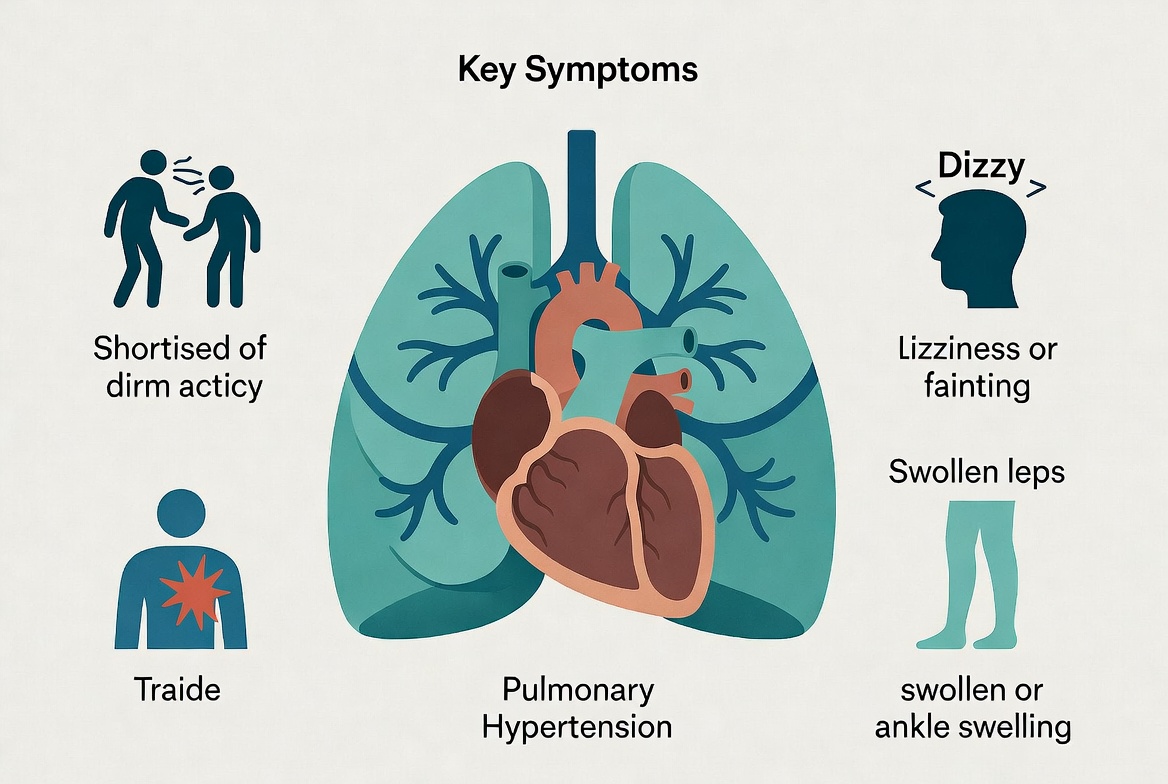
Pulmonary Hypertension (PH)
Pulmonary hypertension is a serious condition in which the blood pressure in the arteries of the lungs becomes abnormally…
Read About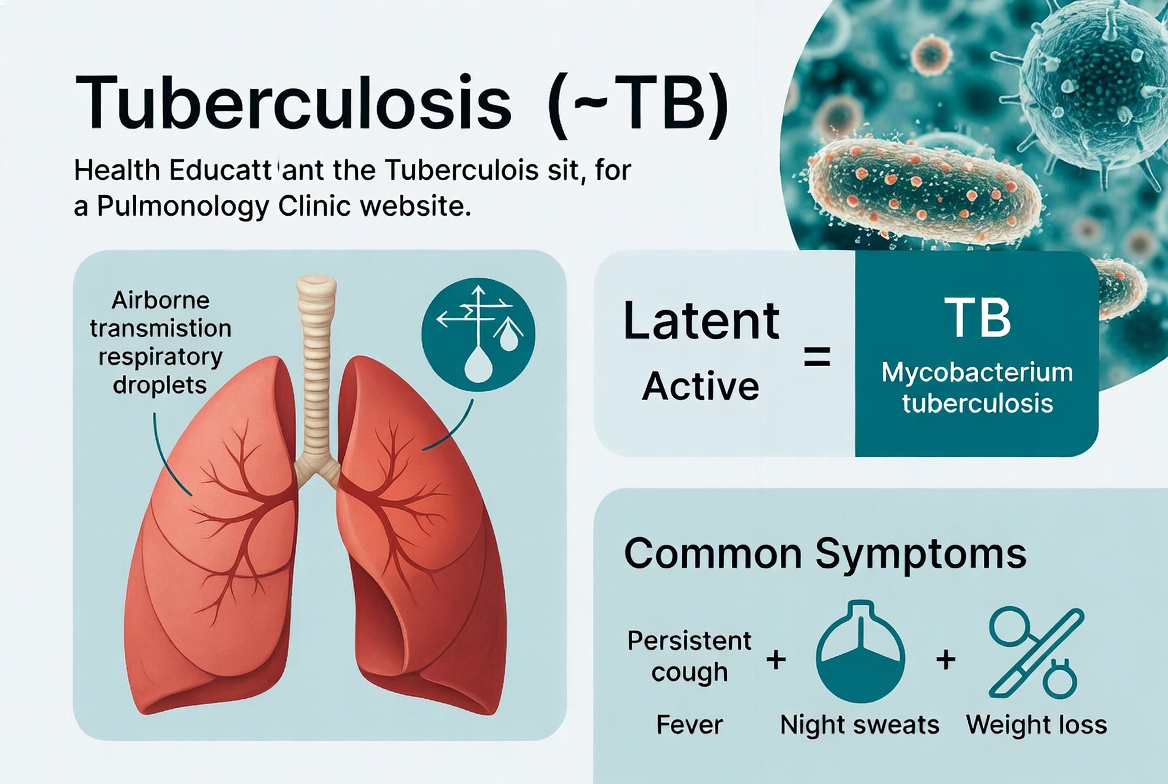
tuberculosis
Learn about tuberculosis (TB), including symptoms, causes, diagnosis, treatment, prevention, recovery, and frequently asked…
Read About