Overview
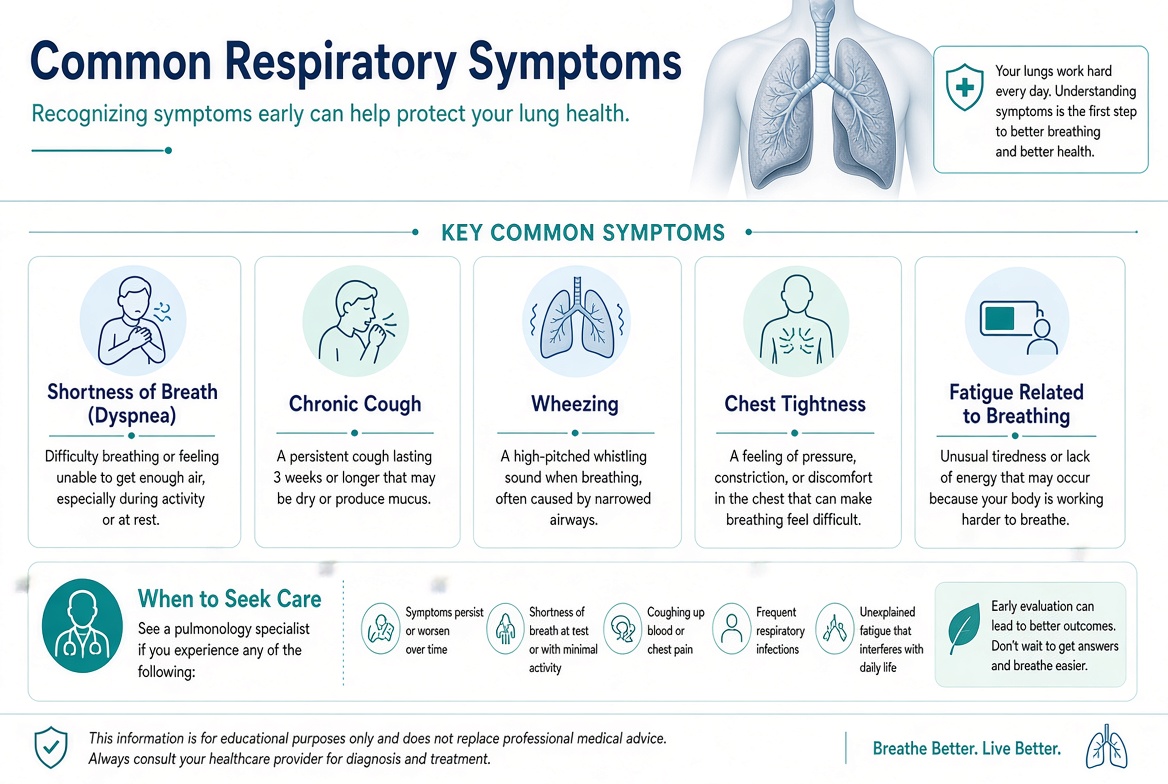
Wheezing is a high-pitched, whistling or musical sound produced during breathing. It usually occurs when air moves through narrowed or inflamed airways. Wheezing may be more noticeable when breathing out, although some people may wheeze while breathing in as well.
Wheezing can occur temporarily during a respiratory infection or after exposure to an irritant. However, recurrent or persistent wheezing may be a sign of an underlying respiratory condition such as asthma or chronic obstructive pulmonary disease (COPD).
The cause of wheezing is important to determine because treatment depends on the underlying condition.
Causes
Wheezing can have several possible causes, including:
- Asthma
- Chronic obstructive pulmonary disease (COPD)
- Bronchitis
- Respiratory tract infections
- Allergic reactions
- Exposure to smoke, dust, pollution or chemical fumes
- Allergies
- Gastroesophageal reflux disease (GERD) in some cases
- Foreign object blocking an airway
- Certain medications or other conditions affecting the airways
Sudden wheezing, particularly after exposure to an allergen or after choking, requires prompt medical assessment.
Risk Factors
- Asthma or a family history of asthma
- Smoking or exposure to secondhand smoke
- COPD or other chronic lung conditions
- Frequent respiratory infections
- Allergies
- Exposure to dust, air pollution, smoke or chemical fumes
- Occupational exposure to respiratory irritants
- History of severe allergic reactions
Diagnosis
The doctor will usually begin by asking about the wheezing, when it occurs, possible triggers and other symptoms such as cough, shortness of breath, chest tightness or fever.
A physical examination may include listening to the lungs with a stethoscope. Depending on the suspected cause, the doctor may recommend tests such as spirometry or other lung function tests, a chest X-ray, blood tests, allergy testing or additional respiratory investigations.
The appropriate tests depend on the patient's symptoms, medical history and examination findings.
Treatment
Treatment for wheezing depends on its underlying cause.
People with asthma or COPD may require prescribed inhaled medicines to help open the airways and control inflammation. If an infection, allergy or another condition is responsible, treatment will focus on that underlying problem.
Avoiding triggers such as tobacco smoke, dust, pollution and chemical fumes may also help reduce wheezing. Medicines should be used only as recommended by a healthcare professional.
Need Expert Medical Guidance?
Schedule a direct consultation with Dr. Nabila Zaheer for personalized medical guidance.
Prevention
- Avoid smoking and secondhand smoke.
- Reduce exposure to dust, pollution, smoke and chemical fumes.
- Identify and avoid known allergy or asthma triggers.
- Take prescribed asthma or COPD medicines as directed.
- Follow an appropriate asthma or respiratory disease management plan.
- Practice good hand hygiene to reduce the risk of respiratory infections.
- Use appropriate protective equipment when exposed to workplace respiratory irritants.
Complications
Occasional wheezing caused by a temporary respiratory problem may resolve when the underlying problem improves. However, persistent or recurrent wheezing may indicate an untreated respiratory condition.
Severe airway narrowing can make breathing difficult and may lead to reduced oxygen levels or significant breathing distress. Recurrent wheezing should therefore be evaluated to identify and treat its underlying cause.
When to See a Doctor
See a doctor if wheezing is new, persistent, recurrent, or accompanied by coughing, shortness of breath, chest tightness or other respiratory symptoms.
Seek urgent medical attention if wheezing occurs with severe difficulty breathing, rapidly worsening symptoms, bluish or gray lips or skin, confusion, fainting, or a severe allergic reaction.
Sudden wheezing after choking may indicate an airway obstruction and requires urgent medical assessment.
Conditions Related to This Symptom
Learn more about medical conditions that may cause or be associated with this symptom.
Bronchiectasis
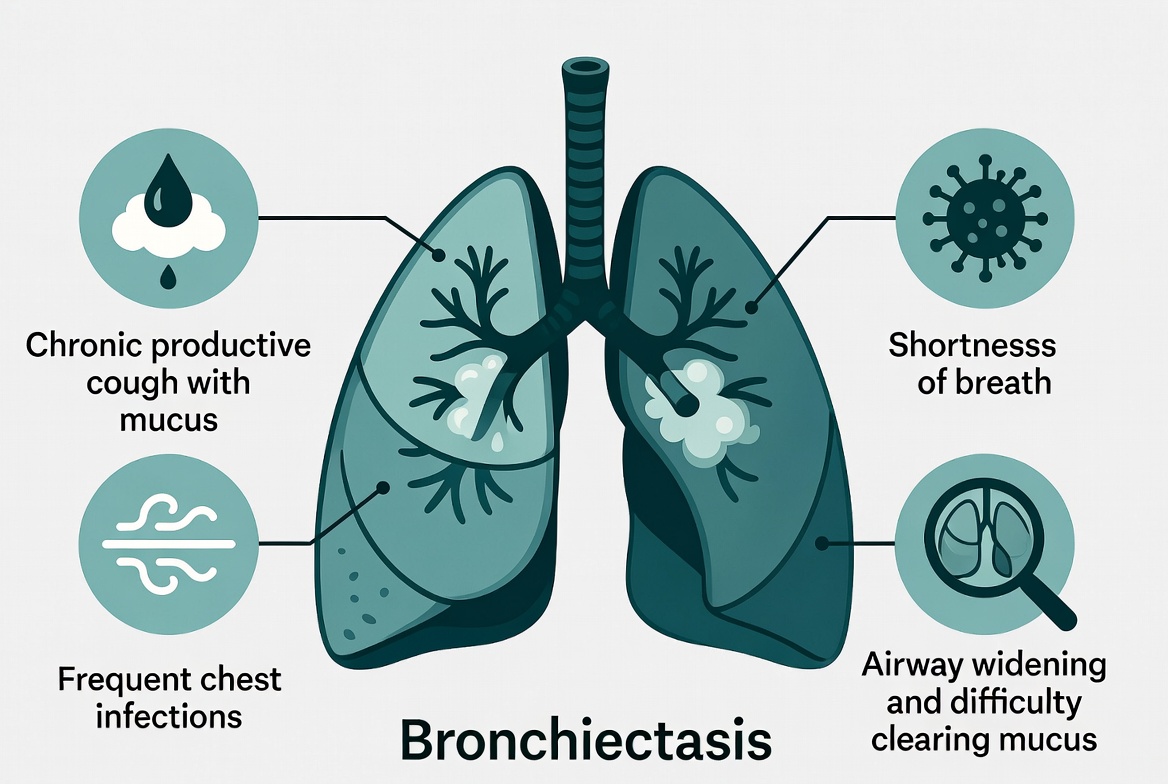
Bronchiectasis is a chronic lung disease in which the airways become permanently widened and damaged, leading to mucus buildup,…
Read About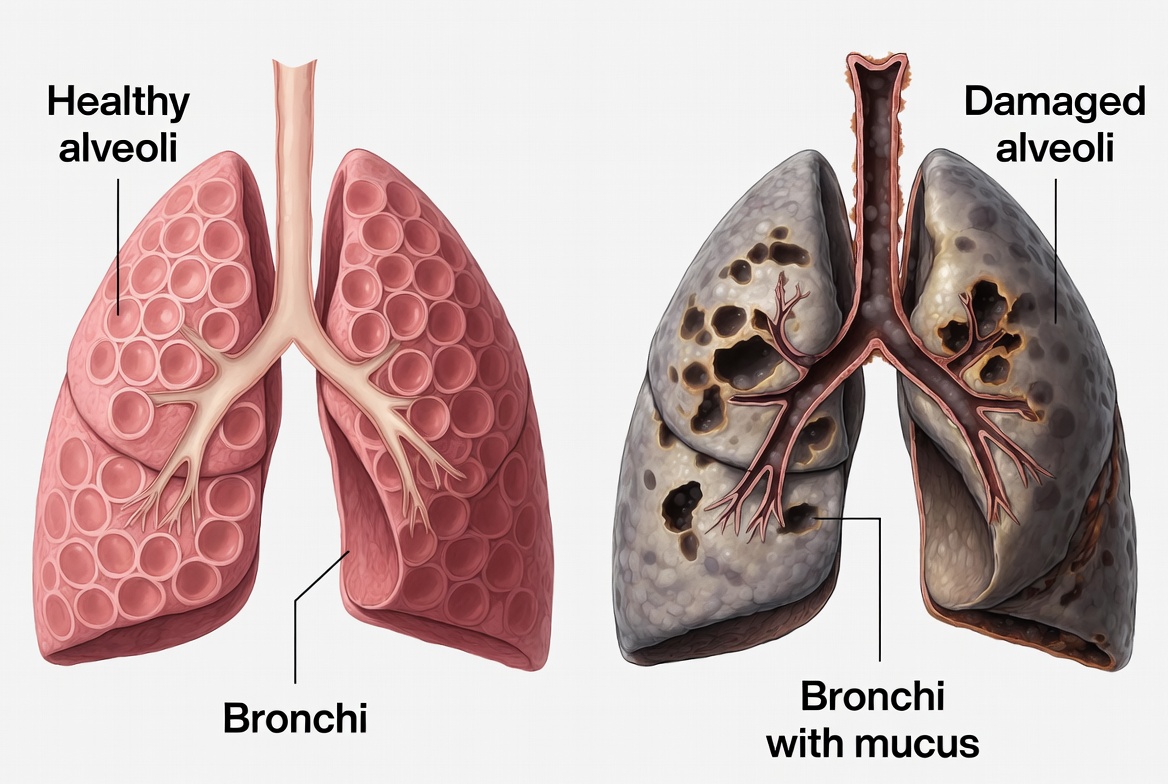
Chronic Obstructive Pulmonary Disease (COPD)
Chronic Obstructive Pulmonary Disease (COPD) is a long-term lung disease that makes breathing difficult due to persistent…
Read About
pneumonia
Pneumonia is an infection that causes inflammation of the air sacs (alveoli) in one or both lungs. The air sacs may fill…
Read About