Overview
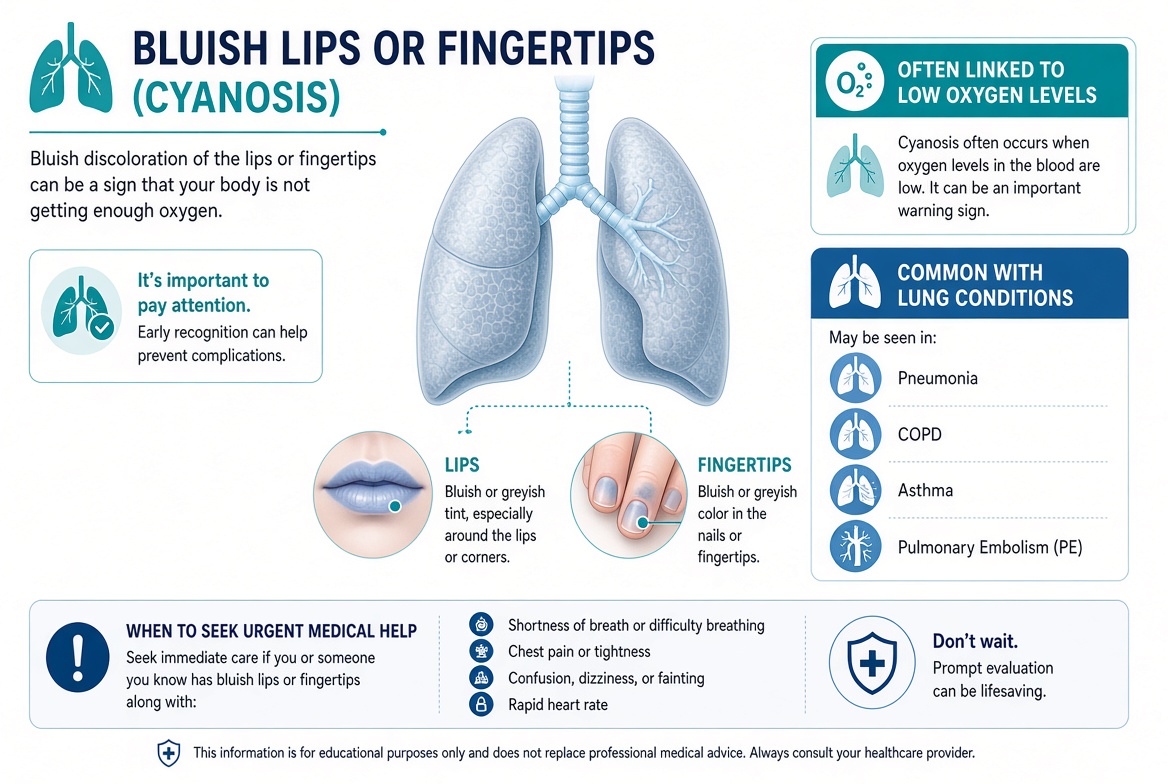
Cyanosis is a visible change in skin or mucous membrane color caused by reduced oxygenation of the blood or, in some situations, reduced blood flow to an area of the body. It may be noticed around the lips, tongue, fingertips, toes or under the fingernails. Cyanosis can occur with respiratory conditions such as severe asthma, pneumonia, COPD and pulmonary embolism. It may also occur because of heart problems, circulation disorders, exposure to cold or other medical conditions. Sudden or significant bluish discoloration, particularly when accompanied by breathing difficulty or confusion, can be a medical emergency.
Causes
Possible causes include: Low blood oxygen levels (hypoxemia) Pneumonia Severe asthma COPD Pulmonary embolism Severe respiratory infections Pulmonary edema Certain heart conditions Congenital heart conditions Poor circulation Severe cold exposure Airway obstruction Certain blood disorders Other conditions affecting oxygen delivery to tissues
Risk Factors
Risk may be higher in people with: Chronic lung disease Heart disease Severe respiratory infections Asthma COPD A history of blood clots Circulation problems Congenital heart conditions Conditions that can cause low blood oxygen Significant exposure to cold
Diagnosis
A doctor will assess the color change, symptoms, medical history and physical examination findings. Depending on the suspected cause, investigations may include: Pulse oximetry Arterial blood gas testing Blood tests Chest X-ray CT scan of the chest ECG Echocardiogram Lung function tests Other tests based on the suspected underlying condition
Treatment
Treatment depends on the underlying cause. Possible treatments include: Supplemental oxygen when medically indicated Treatment of respiratory infections Inhaled medicines for asthma or COPD Treatment for pulmonary embolism when diagnosed Management of heart conditions Treatment of circulation problems Removing the cause of cold-related cyanosis Emergency airway or breathing support when required Cyanosis itself is a sign rather than a disease, so identifying and treating its underlying cause is important.
Need Expert Medical Guidance?
Schedule a direct consultation with Dr. Nabila Zaheer for personalized medical guidance.
Prevention
Some causes of cyanosis can be reduced by: Managing chronic lung and heart conditions Taking prescribed medications correctly Avoiding smoking and secondhand smoke Keeping recommended vaccinations up to date Seeking treatment for respiratory infections Avoiding prolonged exposure to extreme cold Maintaining regular medical follow-up for chronic conditions Seeking prompt care for new or worsening breathing problems
Complications
Cyanosis can indicate that the body's tissues are not receiving enough oxygen or that blood flow is impaired. If the underlying problem is severe or untreated, complications may include: Severe breathing difficulty Confusion or changes in alertness Loss of consciousness Heart rhythm problems Organ dysfunction Life-threatening respiratory or cardiac complications
When to See a Doctor
Seek medical evaluation for new, unexplained or persistent bluish discoloration of the lips, fingertips, tongue or skin. Seek emergency medical attention immediately if cyanosis develops suddenly or occurs with: Severe difficulty breathing Severe chest pain Confusion Fainting or loss of consciousness Severe weakness Rapid worsening of symptoms
Conditions Related to This Symptom
Learn more about medical conditions that may cause or be associated with this symptom.

Asthma
Asthma is a chronic lung condition that causes inflammation and narrowing of the airways, making breathing difficult. Symptoms…
Read About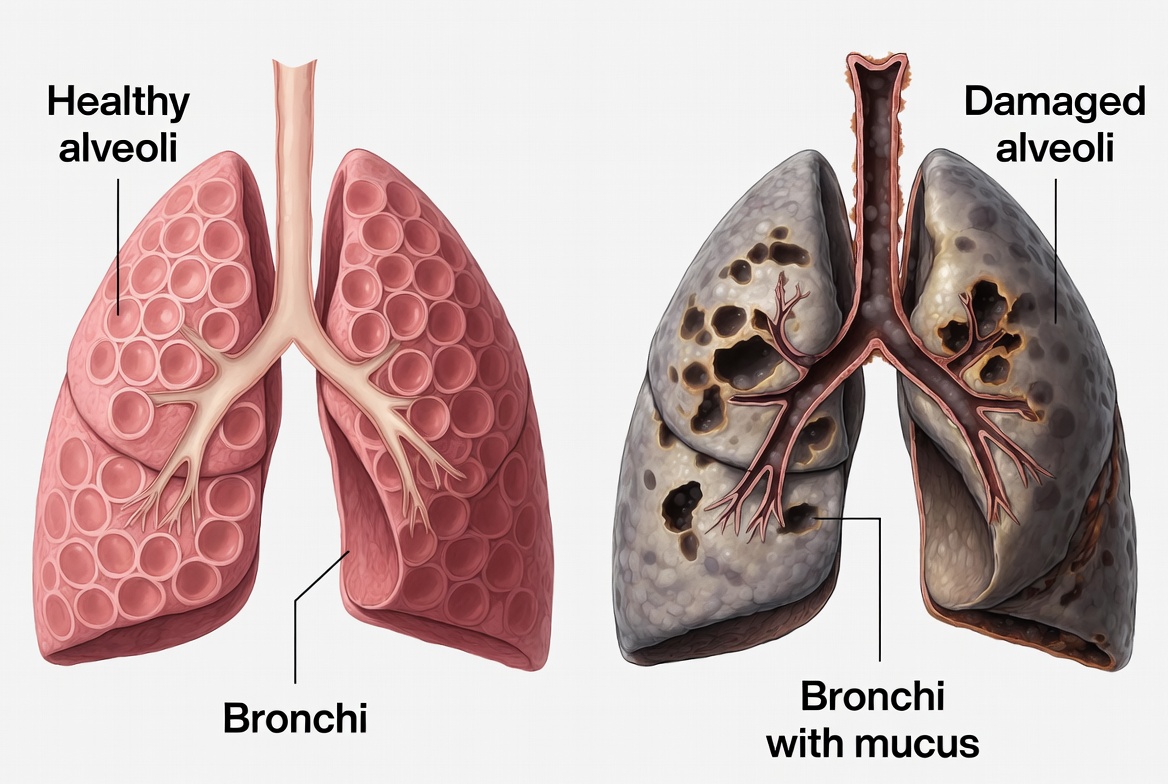
Chronic Obstructive Pulmonary Disease (COPD)
Chronic Obstructive Pulmonary Disease (COPD) is a long-term lung disease that makes breathing difficult due to persistent…
Read About
pneumonia
Pneumonia is an infection that causes inflammation of the air sacs (alveoli) in one or both lungs. The air sacs may fill…
Read About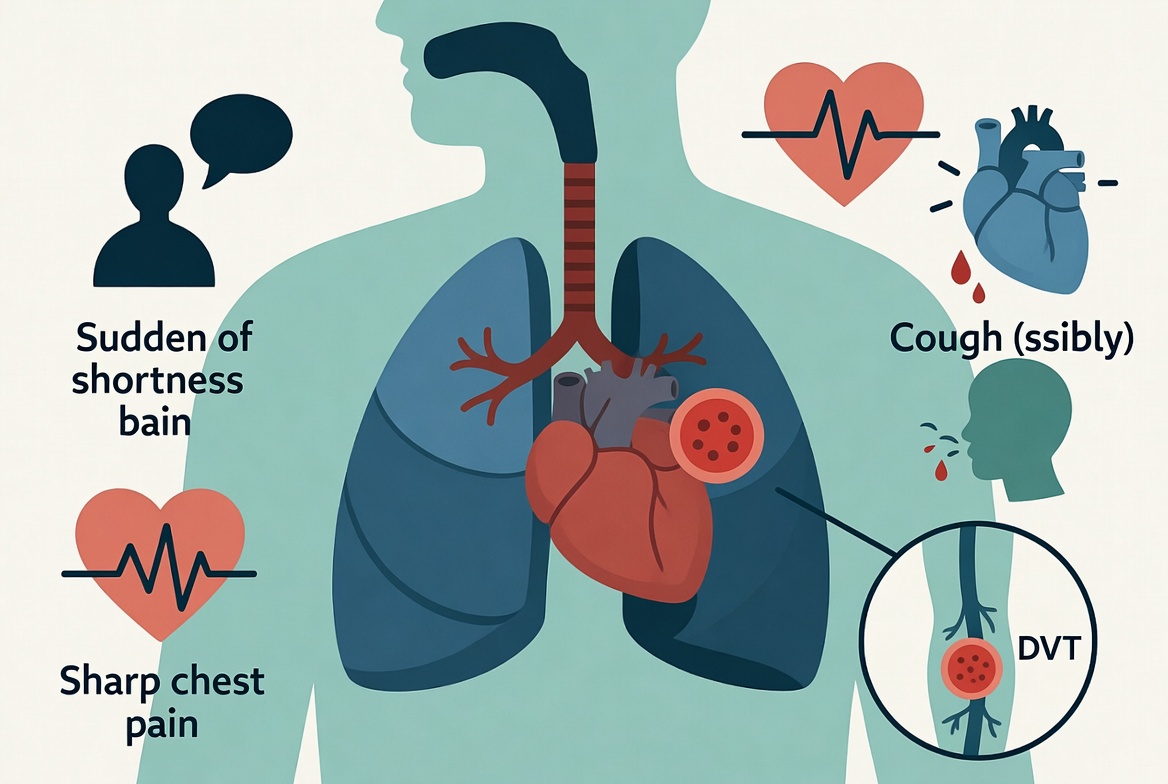
Pulmonary Embolism (PE)
Pulmonary embolism (PE) is a life-threatening condition caused by a blood clot that blocks an artery in the lungs. Learn…
Read About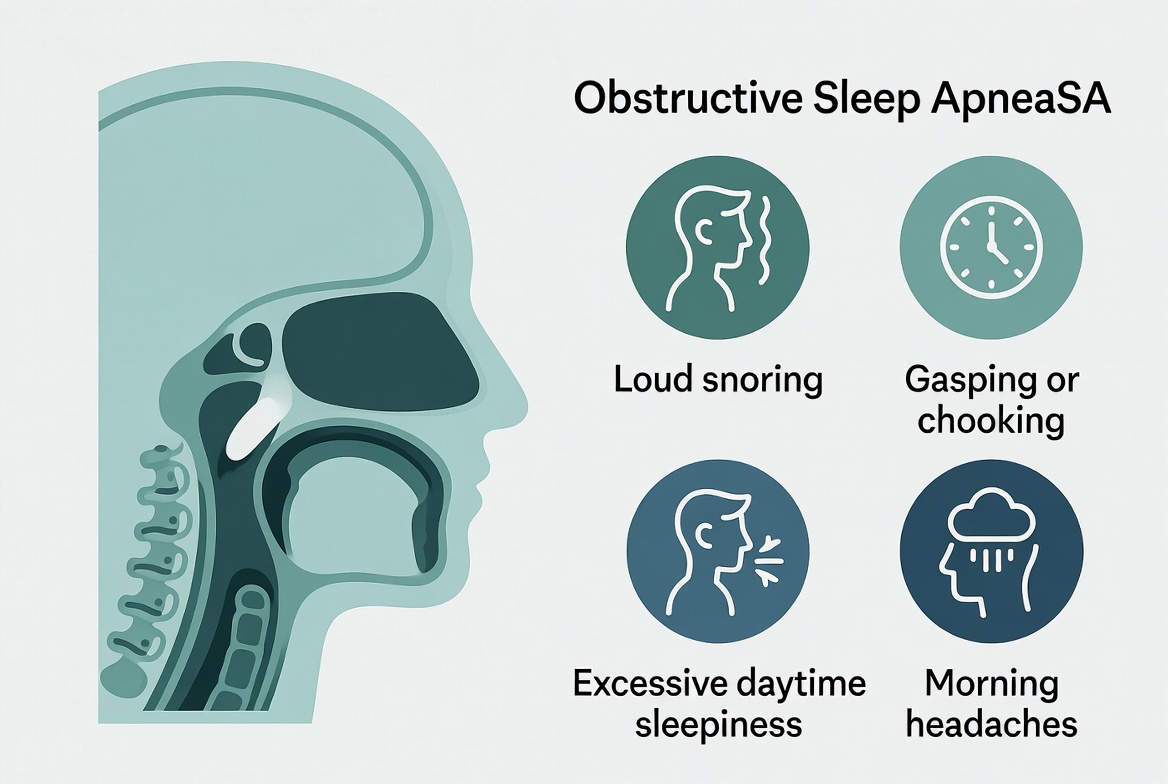
Sleep Apnea (Obstructive Sleep Apnea - OSA)
Sleep apnea is a common sleep disorder in which breathing repeatedly stops and starts during sleep, leading to poor sleep…
Read About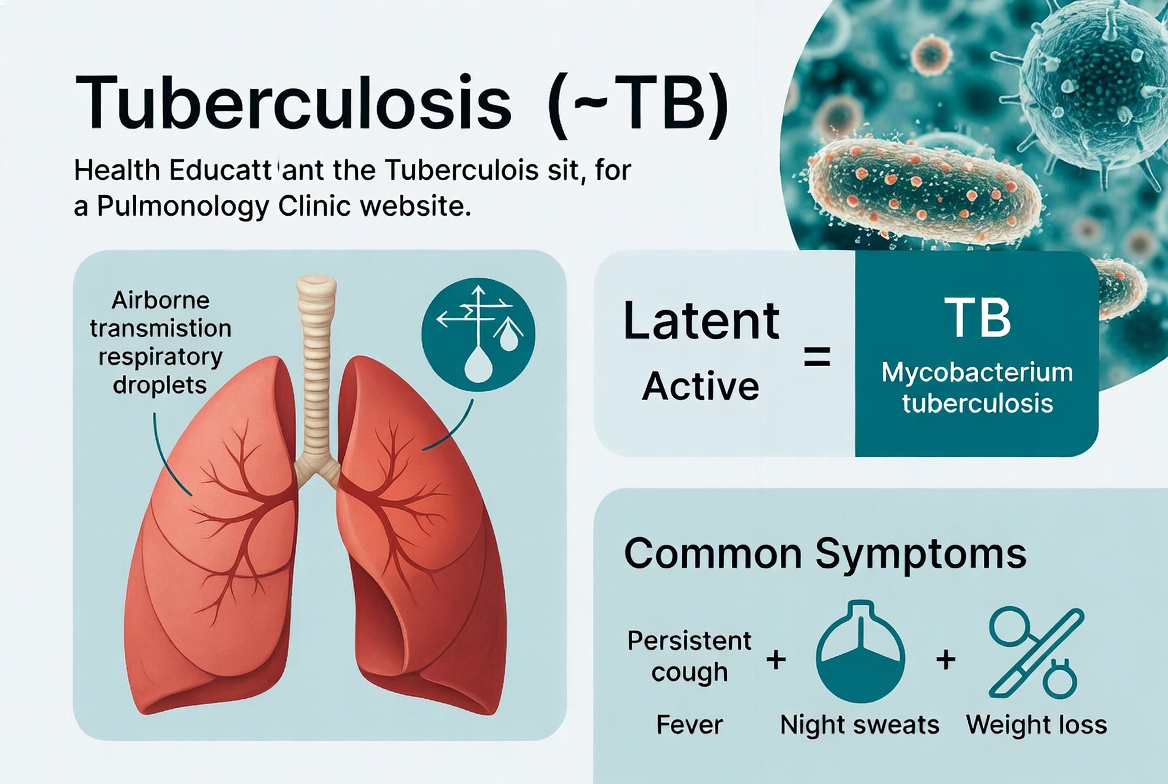
tuberculosis
Learn about tuberculosis (TB), including symptoms, causes, diagnosis, treatment, prevention, recovery, and frequently asked…
Read About