Overview
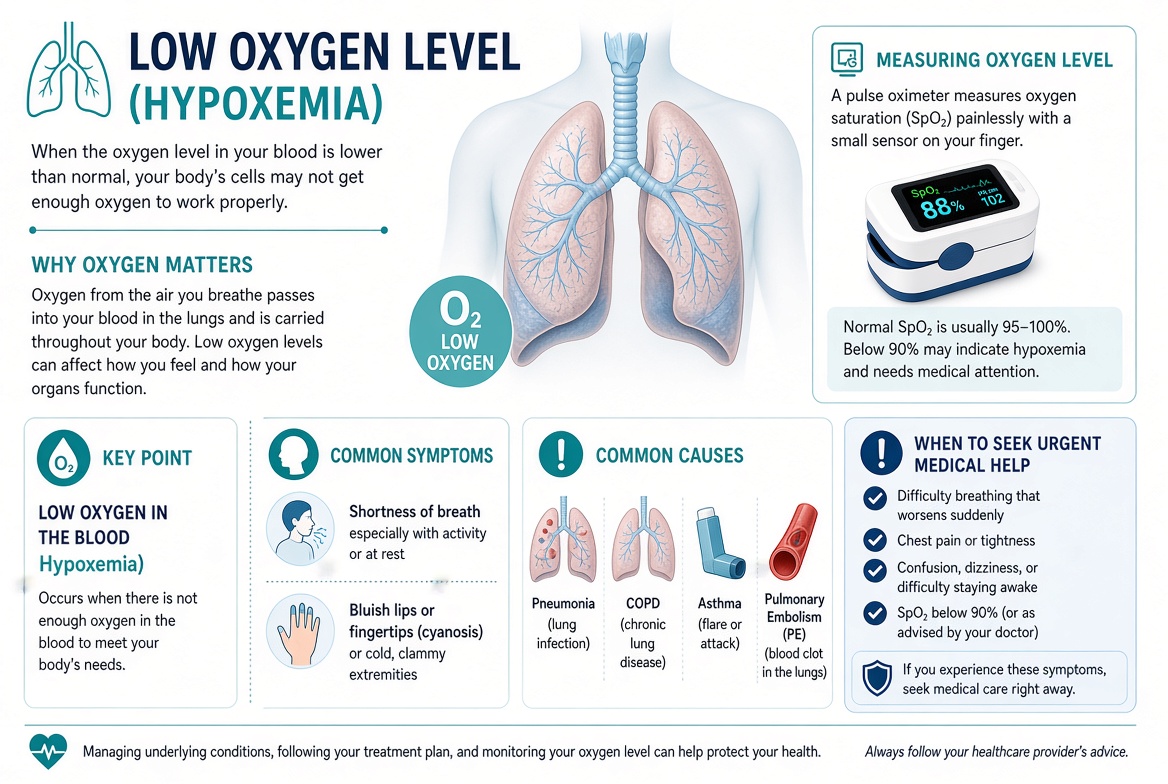
Hypoxemia means there is not enough oxygen in the blood. Oxygen is needed by the body's organs and tissues to function properly. Hypoxemia can occur suddenly or develop gradually depending on its underlying cause. Lung conditions such as pneumonia, COPD, asthma, pulmonary embolism and other respiratory diseases can interfere with oxygen entering the bloodstream. Severe hypoxemia can become an emergency and requires prompt medical assessment.
Causes
Common causes of hypoxemia include: Pneumonia COPD Severe asthma Pulmonary embolism Pulmonary edema Interstitial lung diseases Severe respiratory infections Tuberculosis and other lung infections Pneumothorax Sleep apnea Heart conditions that affect oxygen delivery Reduced breathing caused by certain medications or medical conditions High-altitude exposure Problems affecting the lungs' ability to exchange oxygen
Risk Factors
Risk may be higher in people who have: Chronic lung diseases Heart disease Severe respiratory infections Sleep apnea A history of blood clots or conditions that increase clot risk Smoking exposure Recent surgery or prolonged immobility Conditions affecting normal breathing Exposure to high altitudes
Diagnosis
A doctor may evaluate oxygen levels using a pulse oximeter and assess symptoms, medical history and physical findings. Depending on the suspected cause, investigations may include: Pulse oximetry Arterial blood gas testing Chest X-ray CT scan of the chest Lung function tests Blood tests ECG or other cardiac testing Tests for respiratory infections Additional investigations based on the underlying condition
Treatment
Treatment depends on the cause and severity of hypoxemia. Possible treatments include: Supplemental oxygen when medically indicated Treatment of pneumonia or another infection Inhaled medicines for asthma or COPD Treatment of pulmonary embolism when diagnosed Management of heart or lung conditions Non-invasive or mechanical ventilation in severe cases Treatment of other underlying medical conditions Oxygen should be used according to medical advice, particularly in people with chronic lung conditions where oxygen targets may differ.
Need Expert Medical Guidance?
Schedule a direct consultation with Dr. Nabila Zaheer for personalized medical guidance.
Prevention
Some causes of low oxygen levels can be reduced by: Following prescribed treatment for chronic lung diseases Avoiding smoking and secondhand smoke Keeping recommended vaccinations up to date Treating respiratory infections promptly Staying physically active according to medical advice Managing heart and lung conditions regularly Following medical advice when travelling to high altitudes Maintaining good sleep habits and seeking evaluation for suspected sleep apnea
Complications
Severe or prolonged hypoxemia can affect the brain, heart and other organs because they require adequate oxygen to function. Possible complications include: Confusion or changes in alertness Severe weakness Abnormal heart rhythms Organ dysfunction Loss of consciousness In severe cases, life-threatening complications
When to See a Doctor
Seek medical evaluation if you experience persistent shortness of breath, rapid breathing, unusual fatigue, confusion, bluish lips or fingertips, or other symptoms suggesting inadequate oxygen. Seek emergency medical attention for severe difficulty breathing, blue or grey lips/skin, severe chest pain, confusion, fainting, loss of consciousness or rapidly worsening symptoms.
Conditions Related to This Symptom
Learn more about medical conditions that may cause or be associated with this symptom.

Asthma
Asthma is a chronic lung condition that causes inflammation and narrowing of the airways, making breathing difficult. Symptoms…
Read About
pneumonia
Pneumonia is an infection that causes inflammation of the air sacs (alveoli) in one or both lungs. The air sacs may fill…
Read About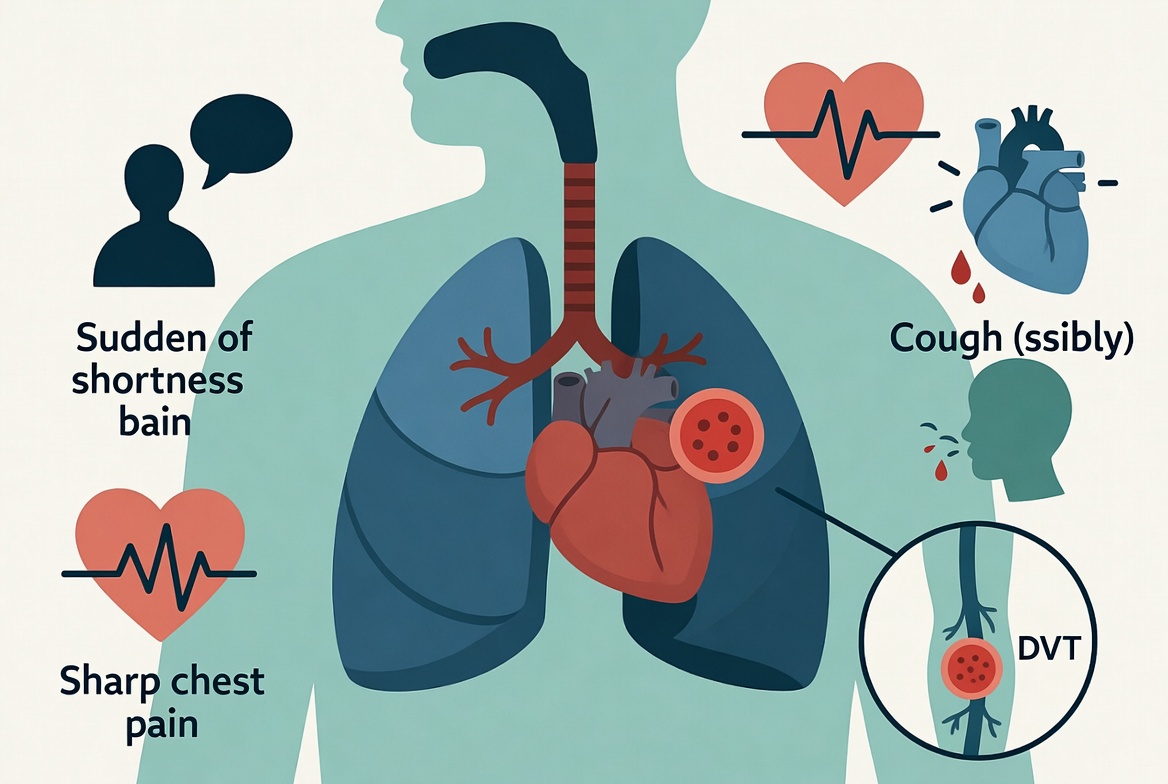
Pulmonary Embolism (PE)
Pulmonary embolism (PE) is a life-threatening condition caused by a blood clot that blocks an artery in the lungs. Learn…
Read About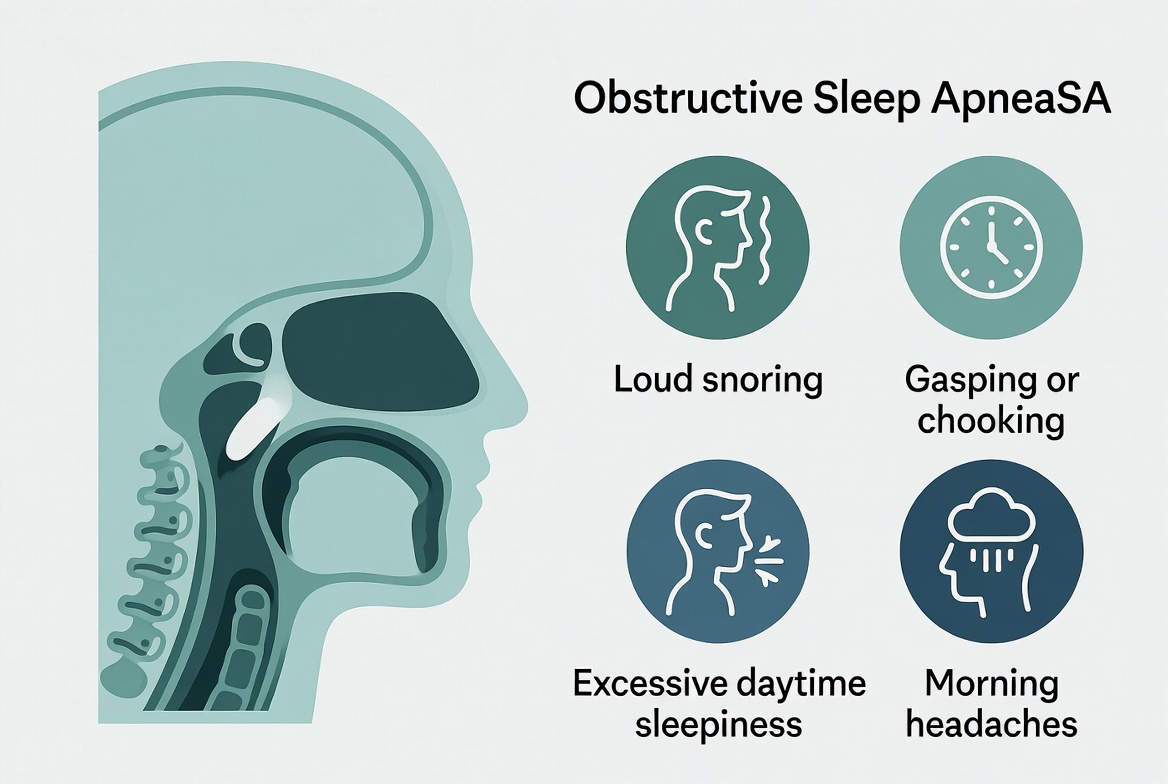
Sleep Apnea (Obstructive Sleep Apnea - OSA)
Sleep apnea is a common sleep disorder in which breathing repeatedly stops and starts during sleep, leading to poor sleep…
Read About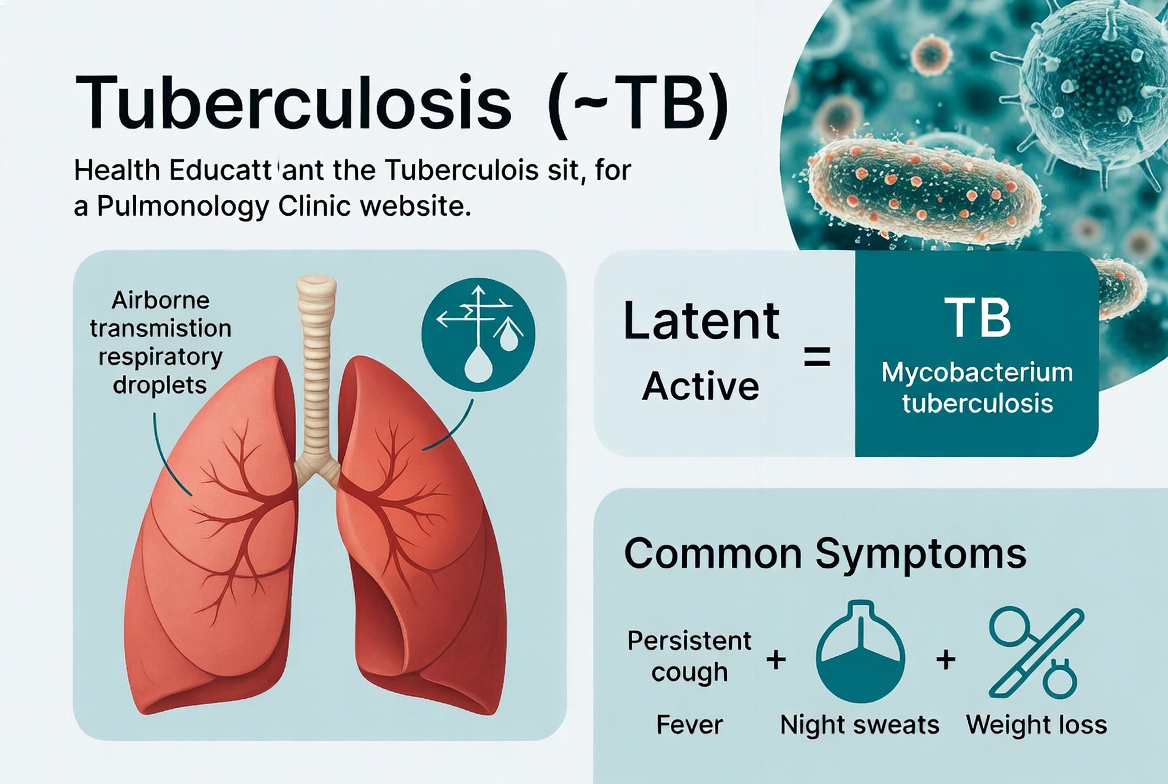
tuberculosis
Learn about tuberculosis (TB), including symptoms, causes, diagnosis, treatment, prevention, recovery, and frequently asked…
Read About