Overview
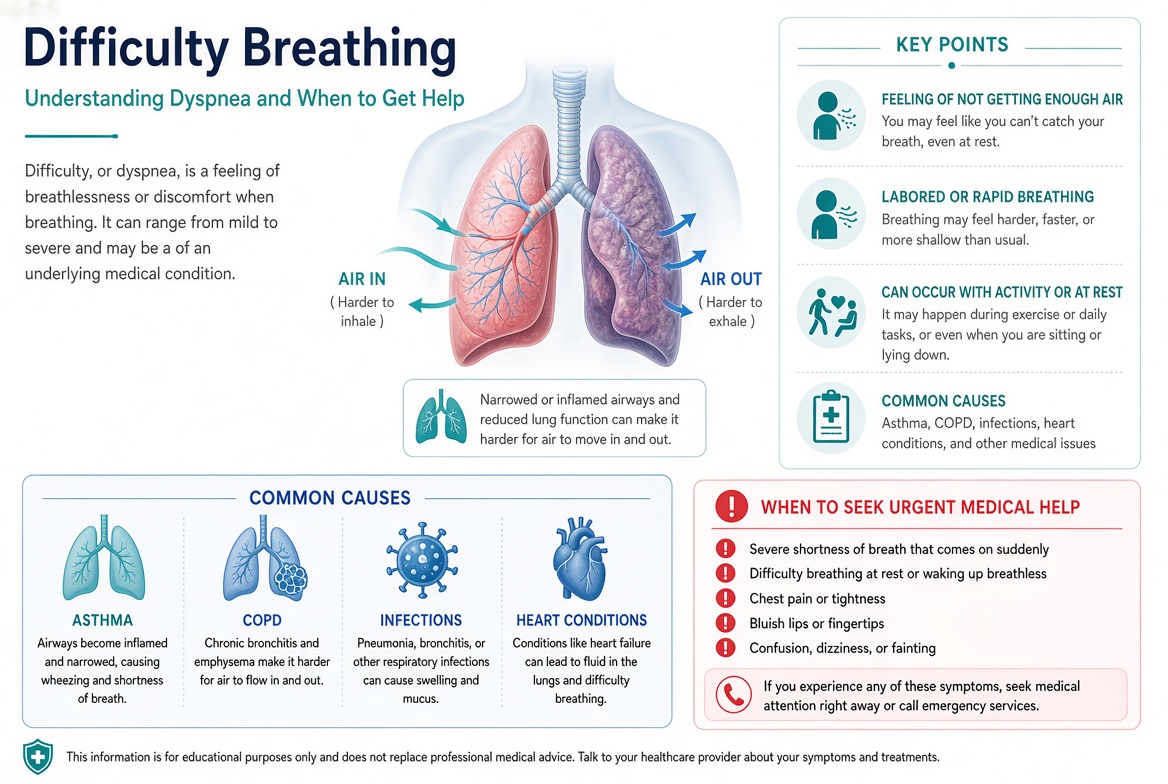
Difficulty breathing, also called shortness of breath or breathlessness, is the feeling of not getting enough air or having trouble breathing normally. It can occur with respiratory conditions, heart problems, infections, anxiety, or other medical conditions.
Causes
Asthma Chronic obstructive pulmonary disease (COPD) Pneumonia Respiratory infections Pulmonary embolism Tuberculosis Allergic reactions Heart conditions Anemia Anxiety or panic attacks Smoking Exposure to air pollution or other respiratory irritants Reduced physical fitness or strenuous exercise
Risk Factors
Smoking or exposure to secondhand smoke Asthma or COPD Previous respiratory infections Heart or lung disease Exposure to dust, chemicals, or air pollution Obesity Anemia Sedentary lifestyle Older age Family or personal history of respiratory or cardiovascular disease
Diagnosis
A doctor will assess the severity, onset, duration, triggers, and associated symptoms. Evaluation may include checking oxygen saturation, listening to the lungs and heart, and performing blood tests, chest X-ray, spirometry or other lung function tests, ECG, or additional investigations depending on the suspected cause.
Treatment
Treatment depends on the underlying cause. It may include inhaled medicines for asthma or COPD, antibiotics when an appropriate bacterial infection is diagnosed, treatment for heart or other medical conditions, oxygen therapy when medically indicated, or management of allergies and other triggers. Emergency treatment may be required when breathing difficulty is severe or develops suddenly.
Need Expert Medical Guidance?
Schedule a direct consultation with Dr. Nabila Zaheer for personalized medical guidance.
Prevention
Avoid smoking and secondhand smoke. Reduce exposure to dust, pollution, fumes, and other respiratory irritants. Keep asthma and COPD under appropriate medical control. Follow prescribed respiratory medications correctly. Maintain a healthy weight and regular physical activity as appropriate. Reduce exposure to known allergens. Practice good hygiene to reduce respiratory infections. Attend regular medical checkups when you have an ongoing respiratory condition.
Complications
Untreated or severe breathing difficulty can result in low oxygen levels, exhaustion, reduced ability to perform daily activities, sleep problems, anxiety, and worsening of an underlying lung or heart condition. Severe breathing difficulty can become life-threatening.
When to See a Doctor
Seek medical attention for new, persistent, or worsening difficulty breathing, particularly if it occurs during ordinary activities or at rest. Seek emergency medical care immediately if breathing difficulty is severe or sudden, or occurs with chest pain, blue or gray lips or skin, confusion, fainting, severe weakness, or coughing up significant amounts of blood.
Conditions Related to This Symptom
Learn more about medical conditions that may cause or be associated with this symptom.

Asthma
Asthma is a chronic lung condition that causes inflammation and narrowing of the airways, making breathing difficult. Symptoms…
Read About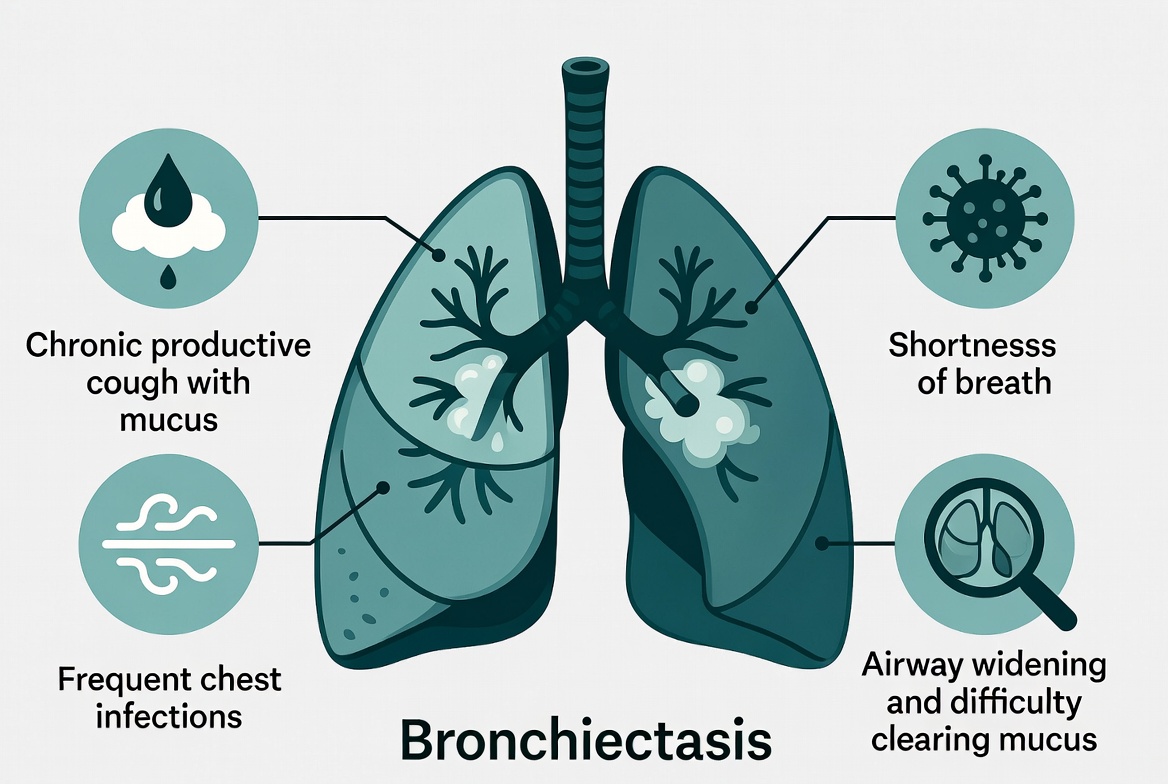
Bronchiectasis
Bronchiectasis is a chronic lung disease in which the airways become permanently widened and damaged, leading to mucus buildup,…
Read About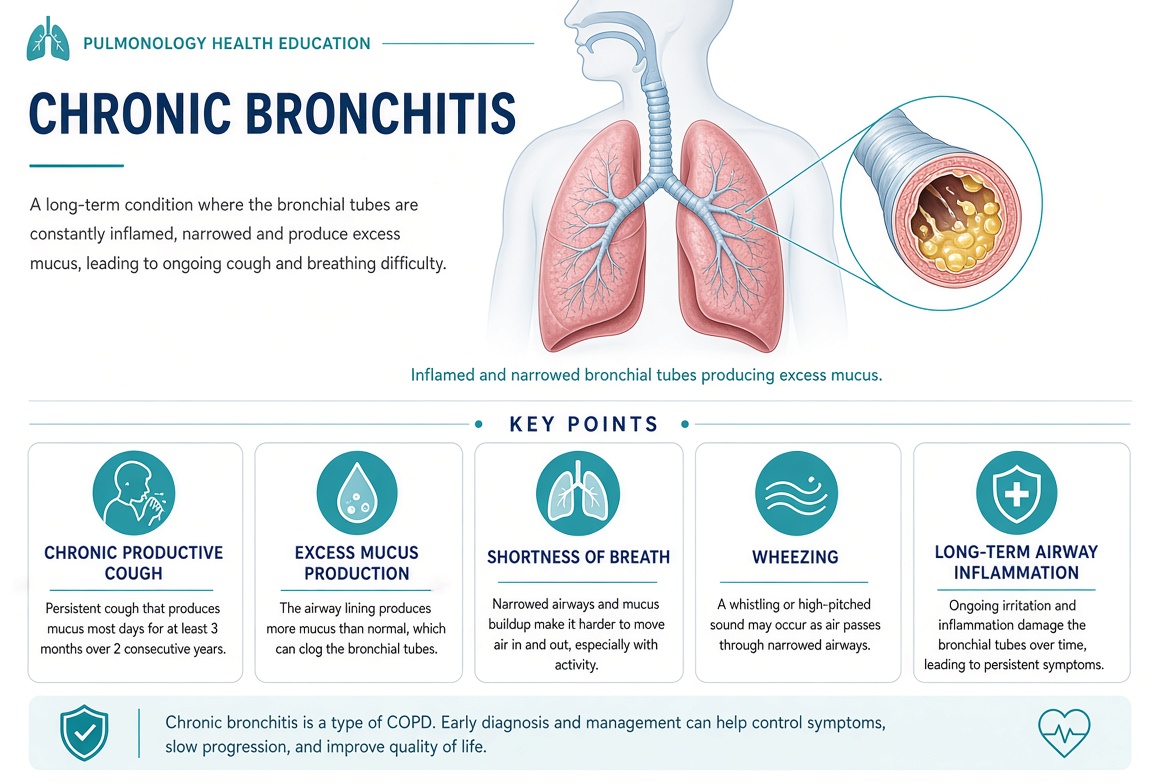
Chronic Bronchitis
Chronic bronchitis is a long-term condition in which the bronchial tubes become persistently inflamed and produce excess…
Read About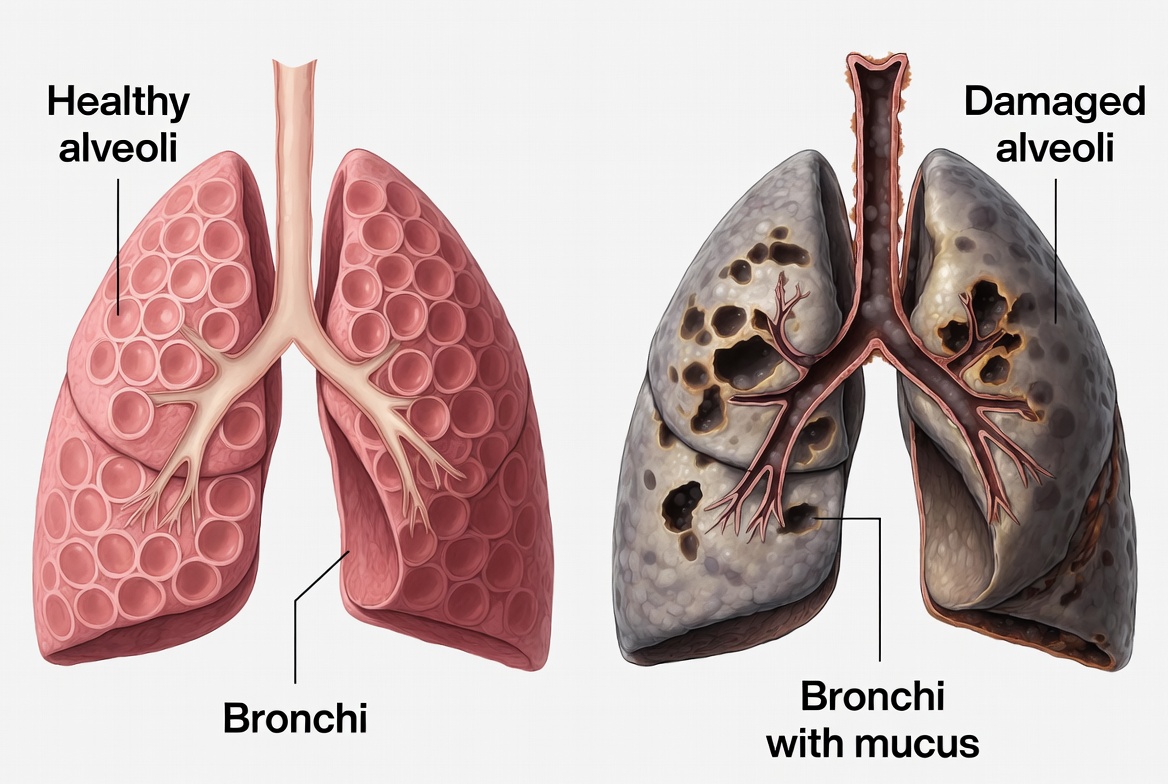
Chronic Obstructive Pulmonary Disease (COPD)
Chronic Obstructive Pulmonary Disease (COPD) is a long-term lung disease that makes breathing difficult due to persistent…
Read About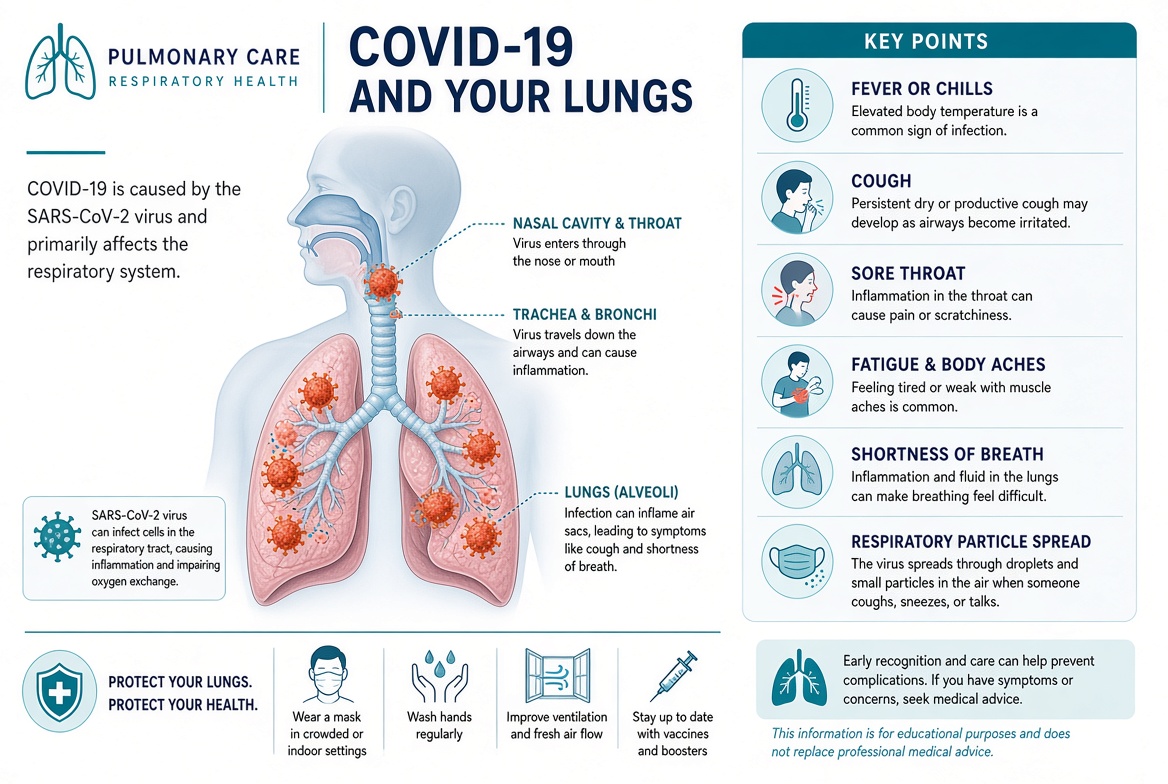
COVID-19
COVID-19 is an infectious respiratory disease caused by the SARS-CoV-2 virus. Symptoms can range from mild illness to severe…
Read About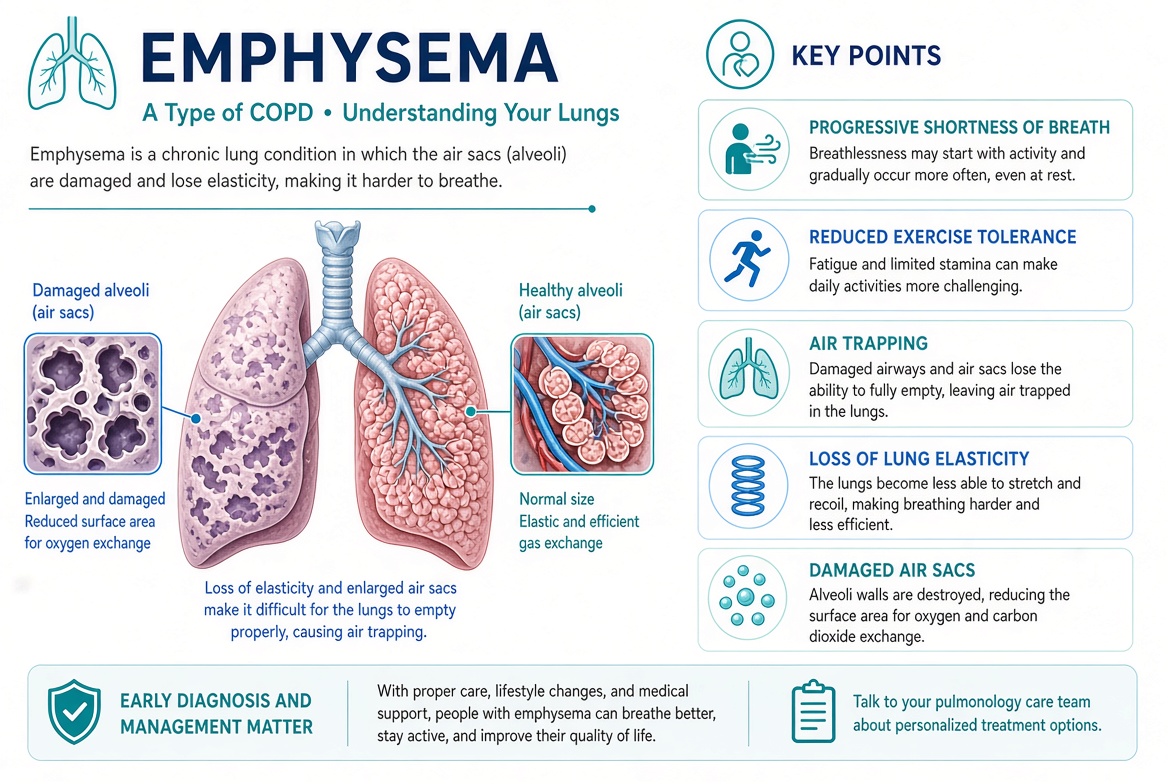
Emphysema
Emphysema is a chronic lung condition that damages the air sacs in the lungs, making it harder to breathe and exchange oxygen…
Read About