Health Library
Trusted information about lung diseases, respiratory conditions, symptoms, diagnosis and treatment.
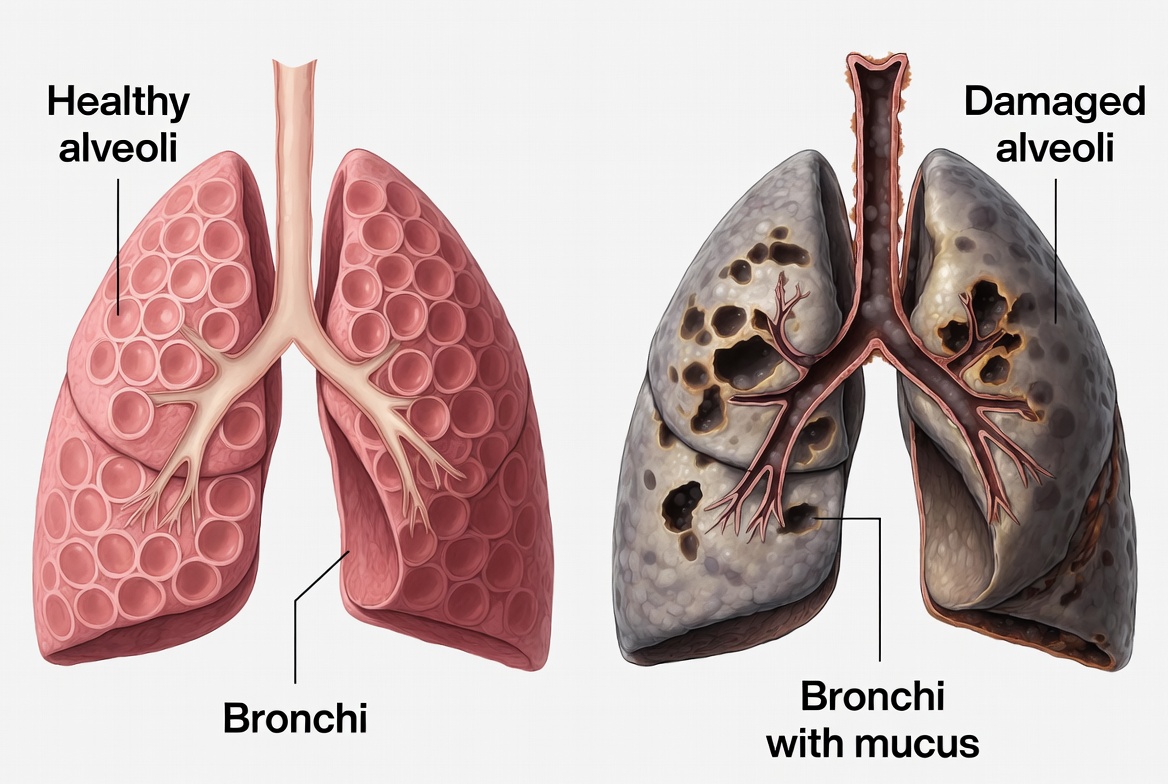
Chronic Obstructive Pulmonary Disease (COPD)
Chronic Obstructive Pulmonary Disease (COPD) is a long-term lung disease that makes breathing difficult due to persistent airflow limitation. Early diagnosis, smoking cessation, appropriate medications, and pulmonary rehabilitation can help manage symptoms and improve quality of life.

Asthma
Asthma is a chronic lung condition that causes inflammation and narrowing of the airways, making breathing difficult. Symptoms such as wheezing, coughing, chest tightness, and shortness of breath can often be controlled with appropriate treatment, trigger avoidance, and regular medical care.

pneumonia
Pneumonia is an infection that causes inflammation of the air sacs (alveoli) in one or both lungs. The air sacs may fill with fluid or pus, leading to symptoms such as cough, fever, chest pain, shortness of breath, and fatigue. Pneumonia can range from mild to life-threatening, particularly in infants, older adults, and people with weakened immune systems or chronic medical conditions. Early diagnosis and appropriate treatment can significantly improve recovery and reduce the risk of complications.
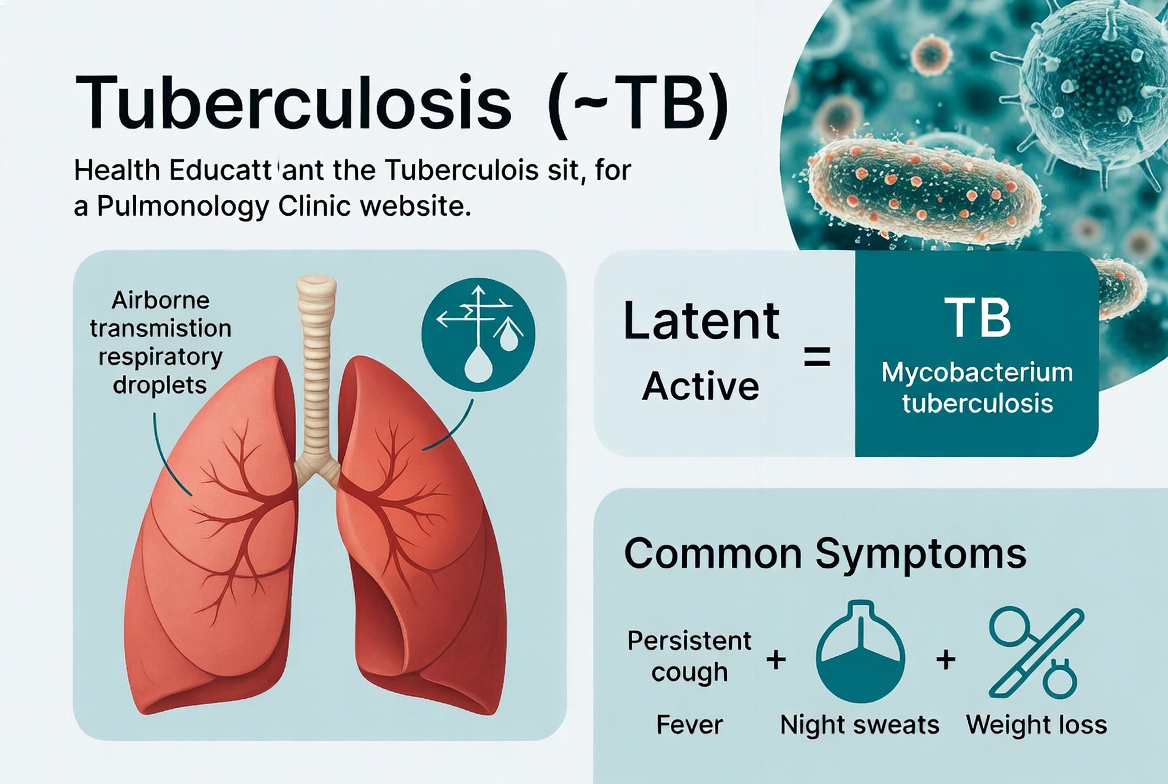
tuberculosis
Learn about tuberculosis (TB), including symptoms, causes, diagnosis, treatment, prevention, recovery, and frequently asked questions. Discover helpful health tools and home monitoring devices for lung health.
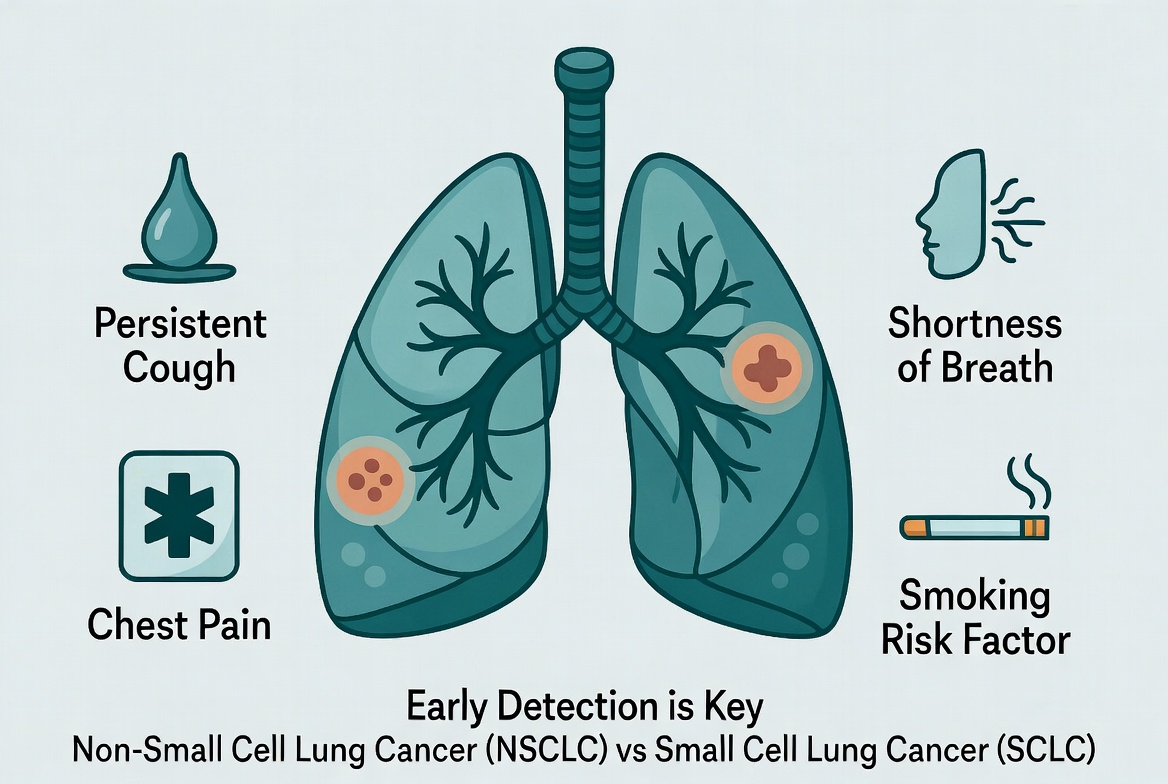
Lung cancer
Learn about lung cancer, including its symptoms, causes, risk factors, diagnosis, treatment, prevention, and complications. Discover when to see a doctor, FAQs, recommended health tools, and home monitoring devices.
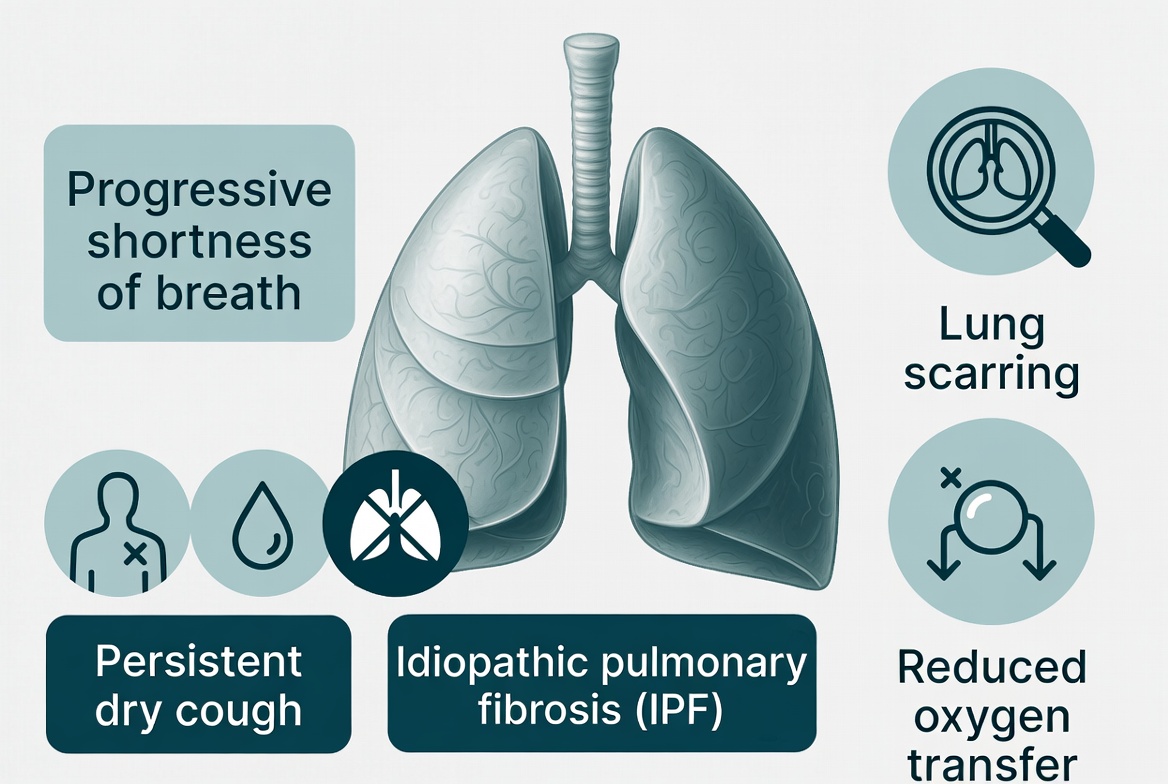
Pulmonary Fibrosis
Pulmonary fibrosis is a chronic lung disease that causes permanent scarring of the lung tissue, making it difficult to breathe and reducing the amount of oxygen that reaches the bloodstream. Learn about its symptoms, causes, risk factors, diagnosis, treatment, prevention, possible complications, and when to seek medical care.